9 Dangerous Ways Sleep Deprivation Can Wreck Your Body, Brain, and Daily Life
Sleep deprivation does not always arrive like a dramatic collapse. Most of the time, it sneaks in quietly through late-night work, endless scrolling, early alarms, restless thoughts, and the stubborn belief that we can “catch up later.”
We lose one hour, then two, and suddenly a whole pattern of rest disappears, and our body starts sending warning signs we mistake for normal stress.
The problem is that sleep is not empty time. It is repair time, memory time, hormone time, immune time, heart time, and emotional reset time. When we keep cutting it short, we are not simply feeling tired.
We are asking the brain, heart, immune system, metabolism, relationships, and decision-making center to keep operating on a low battery with no proper recharge.
Sleep Deprivation Makes the Brain Slower and Less Reliable
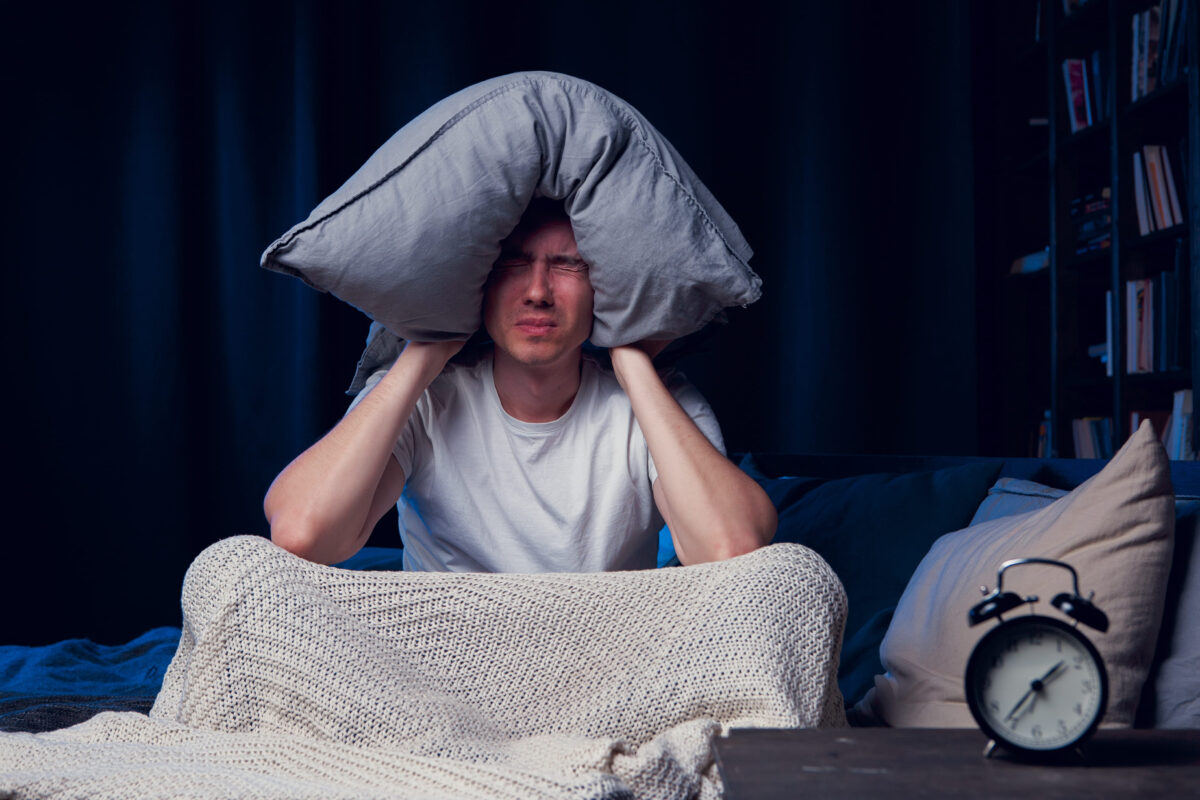
One of the first places sleep deprivation shows up is in the brain. We may still look awake, answer messages, attend meetings, and push through tasks, but the mind begins to lose sharpness.
Focus becomes harder to maintain, memory feels patchy, and small decisions take more effort than they should. That foggy feeling is not laziness. It is the brain struggling to work without the restoration it normally receives during deep and REM sleep.
This is why late-night productivity can be so deceptive. We may stay awake to finish a project, study for an exam, or handle a deadline, but poor sleep often makes the next day slower and messier.
Reaction time drops, attention wanders, and mistakes become easier to miss. In serious settings such as health care, driving, construction, finance, or aviation, that kind of mental dullness can become dangerous very quickly.
Lack of Sleep Can Turn Driving Into a Silent Road Hazard

Drowsy driving is one of the most underestimated dangers of sleep deprivation. Many people would never drive after drinking too much, yet they will drive after sleeping only a few hours and convince themselves they are fine. The body may disagree.
Tired drivers can drift between lanes, miss traffic signals, react too slowly, or experience microsleep, which is a brief and uncontrollable moment of sleep that can happen with the eyes open or half open.
The frightening part is that drowsiness does not always announce itself clearly. A person may yawn, blink heavily, forget the last few miles, or keep adjusting the radio just to stay alert. Those signs are warnings, not inconveniences.
When the brain is tired enough, willpower cannot safely replace sleep. A few seconds of lost attention at highway speed can change a life permanently.
Poor Sleep Can Push Hunger and Weight in the Wrong Direction

Sleep deprivation can make food cravings louder. After a bad night, the body often wants quick energy, which usually means sugary snacks, salty comfort foods, larger portions, and extra caffeine.
This is partly because poor sleep can interfere with hormones that help regulate hunger and fullness. We may feel hungrier than usual, less satisfied after eating, and more tempted by high-calorie foods that promise fast relief.
Over time, this can create a frustrating cycle. Poor sleep can increase the chance of weight gain, and weight gain can increase the chance of sleep problems such as snoring or obstructive sleep apnea.
Then poor-quality sleep feeds the same cravings and fatigue again. We often treat weight as only a food-and-exercise issue, but sleep belongs in that conversation, too.
Sleep Loss Can Raise the Pressure on the Heart
The heart does not get a full break when sleep is constantly reduced. During healthy sleep, blood pressure can dip, stress hormones can subside, and the cardiovascular system can recover from the demands of the day.
When rest is too short or too broken, the body may stay in a more activated state. That can place additional strain on blood pressure, blood sugar, and inflammation, as well as other heart-related risks.
This does not mean one short night will destroy the heart. The bigger concern is the pattern. When we repeatedly sleep too little, especially for months or years, the body has less time to repair and regulate itself.
Good sleep should sit beside movement, balanced eating, stress management, and regular checkups as one of the basic habits that protect long-term heart health.
Too Little Sleep Can Weaken the Immune System
When we are sleep deprived, the immune system can lose some of its fighting power. That helps explain why people often get sick after a stretch of poor sleep, heavy stress, and overwork.
Sleep supports immune activity, including the body’s ability to respond to viruses and recover after illness. Without enough rest, the body may take longer to bounce back.
This is especially important during cold and flu season, travel, exam periods, and high-pressure work weeks.
Many people try to power through sickness with coffee, pain relievers, and determination, but the immune system still needs rest to function well. Sleep is not a luxury when the body is fighting something. It is part of the defense plan.
Sleep Deprivation Can Make Emotions Feel Bigger and Harder to Control
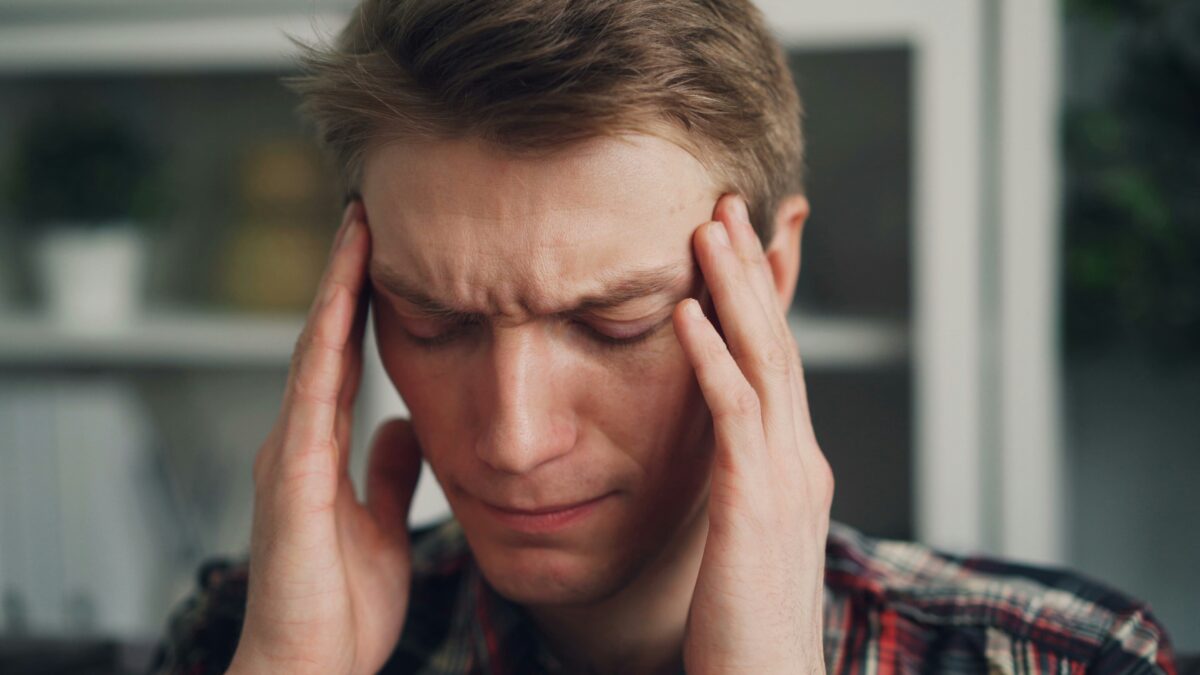
After a rough night, ordinary annoyances can feel personal. A slow reply can feel rude. A small mistake can feel like a disaster. A normal conversation can turn sharp without much warning.
Sleep deprivation makes emotional control harder because the tired brain has less patience, less flexibility, and less ability to pause before reacting.
This matters at home, at work, and online. We may send the angry message, snap at a partner, argue with a coworker, or make a dramatic decision we would handle differently after proper rest.
Poor sleep does not cause every conflict, but it can add fuel to the tension that already exists. Sometimes the most mature response is not another debate. It is a full night of sleep before we speak again.
Bad Sleep Can Damage Relationships in Quiet Ways
Relationships often suffer when sleep becomes a shared problem. Partners may fight over snoring, late-night phone use, different schedules, restless movement, temperature, alarms, or one person constantly waking the other.
Over time, poor sleep can make people less grateful, less patient, and more hostile during disagreements. Love can still be present, but exhaustion changes the way it is expressed.
This is why sleep compatibility matters more than many couples admit. Some couples may need separate blankets, different bedtimes, white noise, better mattresses, medical help for snoring, or even separate sleeping spaces.
That does not automatically mean the relationship is weak. It can mean both people are protecting the rest they need to show up better for each other during the day.
Sleep Loss Can Make People Less Social, Less Generous, and More Withdrawn
One of the stranger effects of sleep deprivation is its ability to change social behavior. When people are very tired, they may become less interested in helping others, less emotionally available, and more likely to pull away from connection.
The brain begins to treat social effort as another demand it cannot afford. That can make a tired person seem cold, selfish, distracted, or distant, even when they care deeply.
This matters because communities, workplaces, families, and friendships run on small acts of patience and generosity. We hold doors, answer calls, listen to problems, help coworkers, comfort children, and give people the benefit of the doubt.
When sleep loss becomes widespread, practicing kindness can become harder. A tired society does not simply become less productive. It can become less gentle.
Extreme Sleep Deprivation Can Trigger Hallucinations and Distorted Thinking
The longer someone stays awake, the more the brain can begin to misread reality. In extreme cases, severe sleep deprivation can lead to visual distortions, strange sensations, disorganized thinking, paranoia, and hallucinations.
This is not the same as ordinary tiredness after one late night. It is what can happen when the brain is pushed far beyond its limits.
The danger is that people sometimes treat all-nighters as a badge of honor. Students, shift workers, caregivers, creators, medical staff, and entrepreneurs may brag about functioning without sleep. But the brain is not built to stay sharp forever.
Extended wakefulness can make thoughts feel unreal, time feel strange, and judgment become dangerously unreliable. Sleep is one of the ways the mind stays anchored.
Poor Sleep May Increase Long-Term Brain Health Risks
Sleep and brain aging are closely connected. During sleep, the brain carries out important maintenance work, including processes involved in waste clearance, memory consolidation, and nervous system repair.
When sleep is too short for many years, researchers have found links between poor sleep patterns and a higher risk of cognitive decline and dementia later in life.
This does not mean sleep is the only factor. Age, genetics, blood pressure, activity level, diet, smoking, alcohol, education, loneliness, and other health conditions also matter. Still, sleep is one of the most practical habits we can protect.
We cannot control every part of brain aging, but we can take the nightly repair window more seriously.
How to Tell When Sleep Deprivation Is Becoming a Problem
Sleep deprivation is not always obvious because people adapt to feeling tired. We may think exhaustion is just a part of adulthood, parenting, ambition, or modern life. But the body often sends clues.
Falling asleep during the day, needing large amounts of caffeine to function, waking up unrefreshed, forgetting simple things, feeling unusually irritable, craving junk food, or struggling to stay alert while driving are all warning signs.
A helpful rule is to look at patterns, not just one bad night. If poor sleep keeps happening, if daytime tiredness affects work or school, if snoring is loud, if breathing pauses during sleep, or if insomnia lasts for weeks, it is worth speaking with a health professional.
Some sleep problems need more than a better pillow. They may need a proper diagnosis and treatment.
Better Sleep Habits That Actually Help

Improving sleep does not require a perfect life. It usually starts with boring but powerful basics.
A consistent wake-up time helps train the body clock. A darker and cooler bedroom can make sleep easier. Reducing bright screens before bed can help the brain wind down. Caffeine late in the day can quietly sabotage sleep, even when people insist it does not affect them.
We should also protect the final hour before bed. That hour should not be a battlefield of work emails, arguments, doomscrolling, heavy meals, and panic planning.
A calm routine tells the body that the day is ending. Reading, stretching, showering, journaling, prayer, soft music, or quiet breathing can help create that signal. Sleep improves when the body learns that bedtime is safe, predictable, and protected.
Final Thoughts on Sleep Deprivation
Sleep deprivation is dangerous because it feels ordinary. We can normalize heavy eyelids, caffeine dependence, short tempers, poor memory, late-night scrolling, and waking up tired until the body starts to believe exhaustion is the default setting. But tired should not be our identity. It should be a signal.
The strongest move is not to treat sleep as the reward we get after finishing everything else. Sleep is the foundation that helps us finish things well in the first place.
When we protect it, we protect our mood, memory, immune system, metabolism, relationships, heart, and future brain health. A better night of sleep will not solve every problem, but it can make nearly every problem easier to face.