9 Food Habits That Cause Silent Tension in a Marriage
Most married couples don’t fight about food out loud. They don’t slam doors over a missing slice of pie or file for divorce because someone chews with their mouth open. Instead, the tension builds quietly, in sighs, rolled eyes, and little comments that come out sharper than intended.
Food is tied to so much in a marriage. It’s about who does the work, who feels appreciated, how money is spent, and how each person was raised. When two people bring different food habits into one kitchen, small annoyances can pile up for years without ever being talked about.
Marriage counselors often say that the small, everyday moments shape a relationship more than the big events do. Here are nine food habits that quietly cause tension between husbands and wives, and why they matter more than most couples realize.

1. Eating the Last of Something Without Asking
Few things cause more silent frustration than reaching into the refrigerator for the last piece of leftover lasagna, only to find it gone. The person who ate it often didn’t think twice, while the other spouse had been looking forward to it all day.
It seems small, but it can make someone feel overlooked. Many couples solve the problem with a simple rule: ask before taking the last of anything. It’s a tiny courtesy that shows you’re thinking about your partner.
2. Never Saying Thank You for a Meal
In many marriages, one spouse does most of the cooking. When the other one eats without ever saying thank you, resentment can grow slowly over the years. The cook starts to feel like a servant rather than a partner.
A simple “thank you, that was delicious” can make a big difference. Relationship researchers at the Gottman Institute have found that small, positive gestures like these help couples stay connected. Many long-married couples say gratitude for everyday things is one of their secrets.
3. Leaving the Dishes for “Later”
One spouse cooks, the other promises to clean up later, and then the dishes sit in the sink overnight. The next morning, the cook wakes up to a messy kitchen and feels let down all over again.
Dishes are one of the most common sources of household tension. When one person feels like they’re doing all the work, it can affect the whole relationship. Many couples find it helps to agree on a clear system, like whoever cooks doesn’t clean.
4. Criticizing Each Other’s Cooking
“My mother never made it like this.” “It’s a little bland.” “Did you forget the salt?” Even small comments about a spouse’s cooking can sting, especially when they come often. The person who cooked may stop trying new recipes or stop cooking altogether.
Comparing a spouse’s cooking to a parent’s is especially hurtful. Most people want to feel that their effort is appreciated, even if the meal isn’t perfect. Kind suggestions, offered gently and rarely, go much further than criticism.
5. Eating Dinner in Front of Screens
In many homes, dinner happens in front of the television or with phones on the table. One spouse may enjoy it, while the other secretly misses the conversations they used to have over meals. Over time, the lack of connection can make a couple feel distant.
Research on family meals has shown that eating together and talking can help people feel closer. Many couples who have been married for decades say their dinner conversations were one of the most important parts of their day. Turning off the TV a few nights a week can bring back that connection.
6. Different Ideas About Healthy Eating
When one spouse is trying to eat healthier and the other isn’t, food can become a source of tension. One person may feel judged for eating dessert, while the other feels sabotaged when junk food keeps showing up in the pantry.
This is especially common as couples get older and doctors start talking about cholesterol, blood sugar, and blood pressure. Couples who talk openly about their goals and support each other tend to do better. Shaming or nagging rarely works.
7. Always Picking the Restaurant
“Where do you want to eat?” “I don’t care.” “How about Italian?” “No, not that.” Many couples have this conversation over and over. But in some marriages, one spouse always ends up making the choice, or always gets their way.
Over time, the other spouse may feel like their preferences don’t matter. Taking turns choosing where to eat is a simple way to make both people feel heard. It also keeps date nights from feeling like a negotiation.
8. Snacking From Each Other’s Plates
Some people love sharing food, while others hate it when someone reaches over and takes a fry or a bite of their dessert. For the person who doesn’t like it, the habit can be quietly irritating, especially if it happens at every meal.
This is one of those habits that’s easy to fix once it’s talked about. Some couples order an extra side to share, while others simply agree to ask first. The problem usually comes from not saying anything at all.
9. Spending Too Much on Takeout
When one spouse likes to order takeout often and the other is watching the budget, food can quickly become a money issue. Those delivery fees and tips can add up to hundreds of dollars a month, and the saver in the marriage may feel ignored.
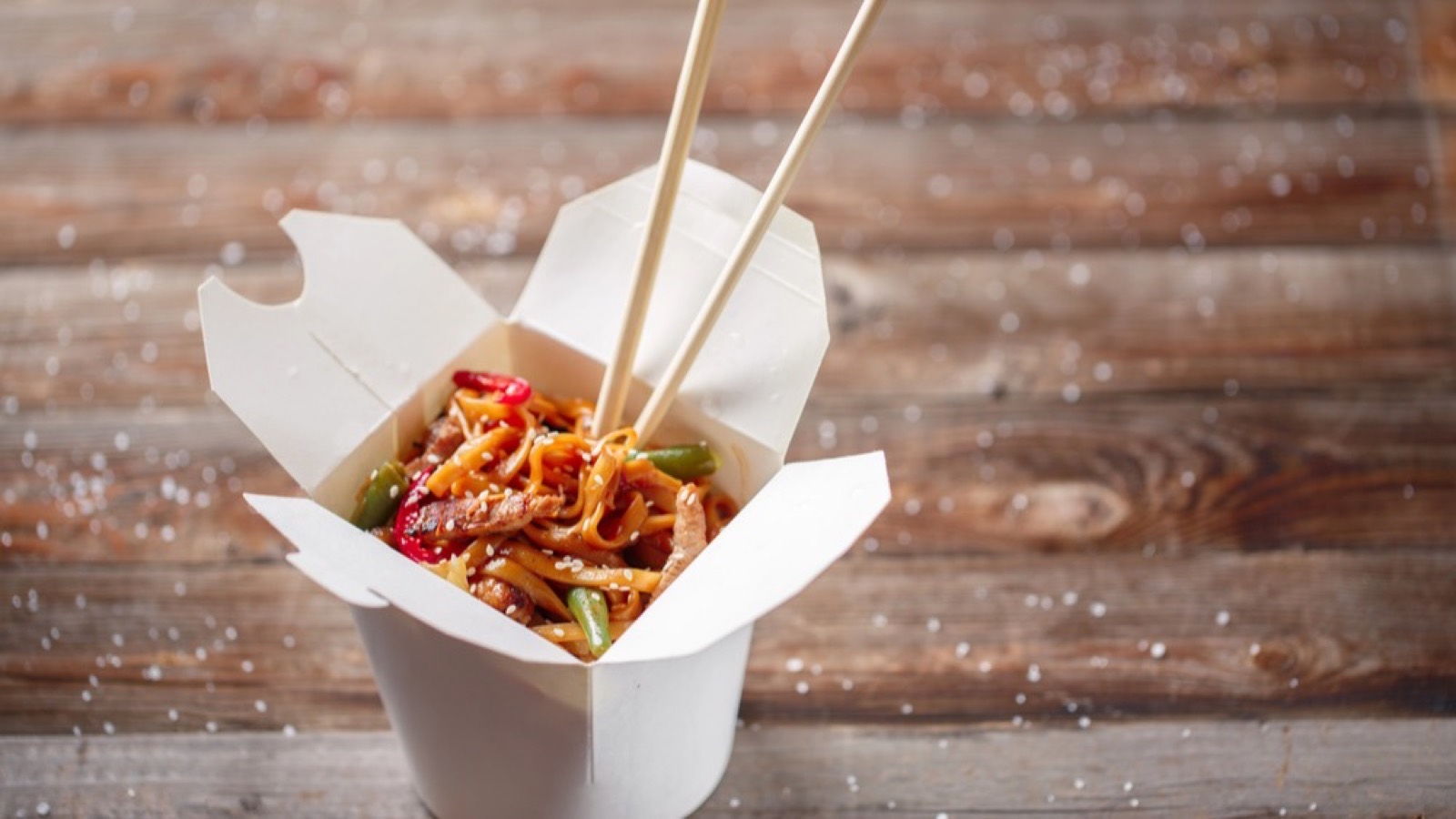
Money is one of the most common sources of conflict in marriage, and food spending is a big part of it. Many couples find it helps to set a monthly budget for eating out. That way, takeout becomes a planned treat rather than a source of stress.
Why These Small Habits Matter
Food is part of daily life, so habits around food happen every day. Even small annoyances can add up when they’re repeated for years. The tension often grows because people don’t want to seem petty by complaining about something small.
But talking about it can make a big difference. Many of these issues are easy to solve once both spouses understand how the other feels. It’s often the small gestures between husbands and wives that keep a marriage strong.
How to Ease the Tension
The first step is to notice the habits that bother you and talk about them calmly, at a time when neither of you is upset. Avoid blaming and focus on how the habit makes you feel. Most spouses are willing to change once they understand.
It also helps to look at your own habits honestly. Most people have at least one food habit that annoys their partner. It’s the kind of tiny household habit that can quietly hurt a relationship if it’s ignored.
Which food habit causes the most tension in your home, and have you ever talked about it with your spouse? Many readers say the last slice of leftovers has started more arguments than anything else.