9 Old-Time Pickles, Relishes and Condiments Disappearing From Stores
The condiment aisle used to be full of jars that families relied on to add flavor to every meal. Grandma’s pantry shelves were lined with pickles, relishes and sauces, many of them homemade or bought from local brands. Some of those condiments were essential to holiday dinners, picnics and Sunday suppers.
Today, many of those old-time condiments are getting harder to find. Changing tastes, fewer home canners and the rise of global flavors have pushed some of them to the back of the shelf or out of stores entirely. Here are some old-fashioned pickles, relishes and condiments that are slowly disappearing from American grocery stores.
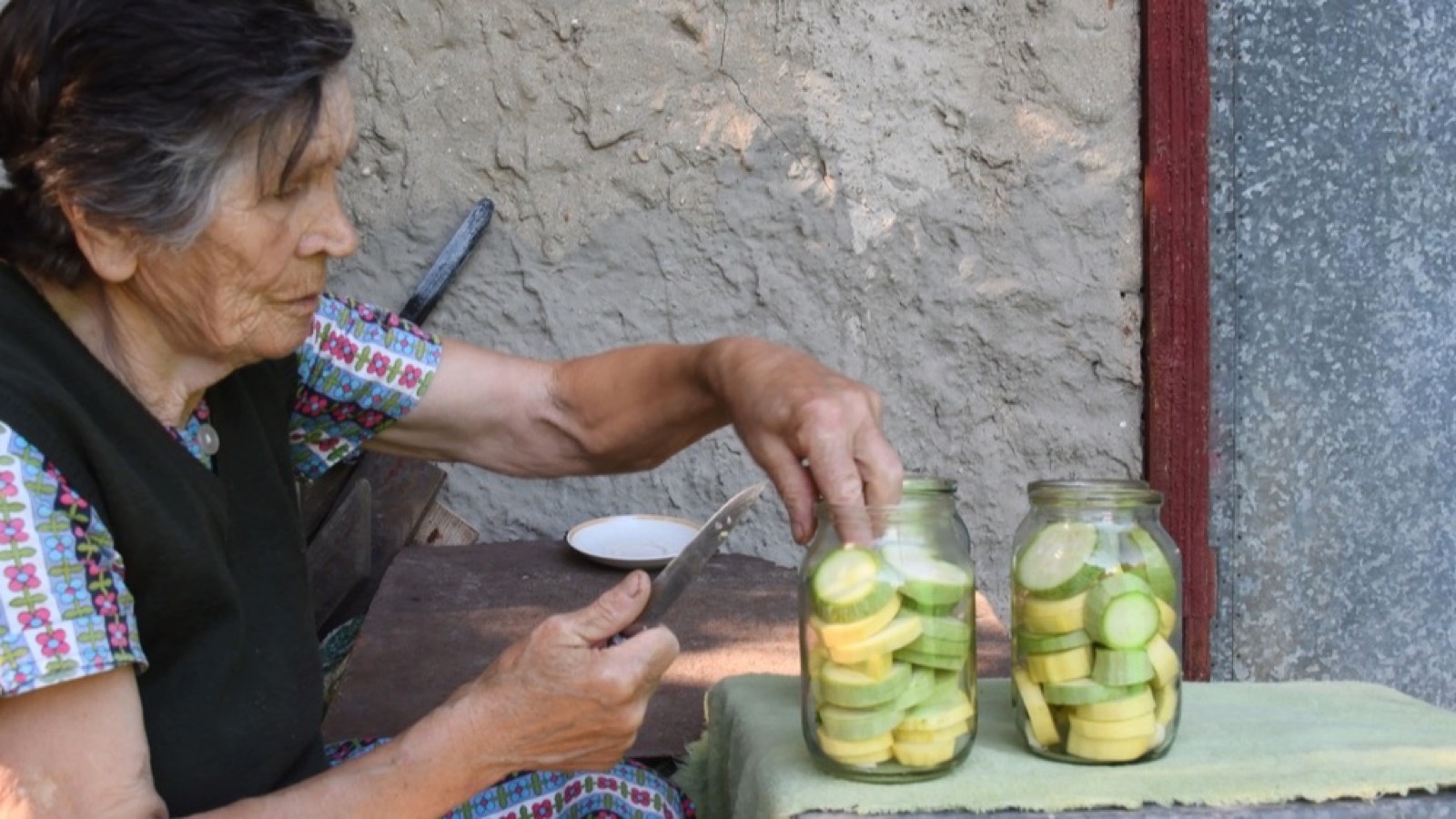
1. Chow-Chow
Chow-chow is a tangy relish made from chopped vegetables like cabbage, green tomatoes, onions and peppers, preserved in a sweet and sour brine. It was especially popular in the South and in Pennsylvania Dutch communities. Families often served it with beans, greens, hot dogs and cornbread.
Many families made chow-chow at the end of the growing season to use up leftover vegetables. While some stores still carry it, especially in the South, it is much less common than it once was. Many younger shoppers have never heard of it, although fans say it adds the perfect zing to a plate of pinto beans.
2. Piccalilli
Piccalilli is a relish made from chopped vegetables, often including cauliflower, cucumbers and onions, in a mustard or vinegar sauce. In the United States, it was a popular topping for hot dogs and sandwiches. The British version is bright yellow and spiced with mustard and turmeric.
Piccalilli was once a common sight in American pantries, but it has become harder to find in many grocery stores. Some specialty stores and regional brands still sell it. Fans of the relish often make their own at home, using recipes passed down through generations. The piccalilli history shows how it traveled from England to American tables.
3. Pickled Watermelon Rind
Pickled watermelon rind is a Southern treat that makes use of the part of the watermelon most people throw away. The rind is peeled, cut into pieces and pickled in a sweet, spiced syrup. The result is a crunchy, sweet-tangy pickle.
Grandmothers often made pickled watermelon rind in the summer and served it at holiday meals. It was a way to avoid waste and enjoy watermelon year-round. Today, it is rarely found in mainstream grocery stores, although some Southern specialty shops and farmers markets still sell it.
4. Corn Relish
Corn relish is made from sweet corn, peppers, onions and spices in a sweet vinegar brine. It was a popular way to preserve summer corn and was often served with meats, sandwiches and beans. Many families canned corn relish at home each summer.
While some brands still offer corn relish, it is much less common than it once was. Many people today prefer fresh corn or use other condiments. For those who grew up with it, corn relish brings back memories of summer harvests and family picnics.
5. Bread and Butter Pickles in Local Brands
Bread and butter pickles are sweet, tangy pickle slices often flavored with onions and mustard seed. They remain popular, but many of the small, local brands that once made them have disappeared. In the past, many towns had their own pickle makers.
Today, a few national brands dominate the pickle aisle. Some local and regional brands still exist, but many have closed or been bought out. Many people say homemade or small-batch bread and butter pickles taste better than mass-produced versions. These pickles also remind people of Grandma’s pantry and the jars she reused again and again.
6. Pickled Beets
Pickled beets were a common side dish in many American homes, especially in the Midwest and among Pennsylvania Dutch families. Sliced beets were preserved in a sweet and sour brine, sometimes with onions or spices. They were often served at holiday dinners and church suppers.
Pickled beets are still available in some stores, but they are less popular than they once were. Some families still make them at home, especially when beets are in season. For many, pickled beets are tied to memories of family dinners and traditional recipes. Pickled eggs made with the beet brine, known as red beet eggs, are another old-fashioned favorite.
7. Mincemeat in a Jar
Mincemeat, a mixture of chopped dried fruits, spices and sometimes meat or suet, was once a holiday staple. It was used to make mincemeat pies, a traditional dessert at Thanksgiving and Christmas. Many stores sold jars of ready-made mincemeat for holiday baking.
Mincemeat pie has become less popular over the years, and jars of mincemeat are harder to find in some stores. Many younger people have never tried it. However, some families still make mincemeat pies as a holiday tradition, and specialty stores often carry jars during the holiday season.
8. Pepper Relish
Pepper relish, made from chopped sweet and hot peppers in a vinegar brine, was a popular condiment in many regions. It was often served with beans, meats and sandwiches. Many families made pepper relish at home, especially in the South and Appalachia.
While some brands still sell pepper relish, it is not as common as it once was. Many people now use hot sauce or salsa instead. Fans of pepper relish say it adds a unique sweet and spicy flavor that is hard to replace.
9. Pickled Pigs’ Feet
Pickled pigs’ feet were once a common sight in jars on grocery store shelves and in bars and corner stores. The feet were cooked and then preserved in a vinegar brine. They were a popular snack in the South and in some working-class communities.
Today, pickled pigs’ feet are much harder to find, and many younger people are surprised they were ever popular. Some stores still carry them, especially in the South. For older generations, they are a reminder of a time when families made use of every part of the animal.
Why These Condiments Are Fading
Many of these condiments were born from the need to preserve food and avoid waste. As refrigeration, fresh produce and global foods became more available, people relied less on preserved foods. Fewer families canned their own vegetables, and tastes shifted toward new flavors.
National brands and large grocery chains also changed the condiment aisle. Many small, local producers could not compete with bigger companies. As a result, regional specialties became harder to find.
Keeping Traditions Alive
Despite their decline, many of these condiments still have devoted fans. Some people make them at home using family recipes, while others seek out small producers at farmers markets and specialty stores. Home canning has also enjoyed a revival in recent years.
For many families, these pickles and relishes are tied to memories of grandparents, holiday meals and summer harvests. Keeping these traditions alive is a way to honor family history and enjoy flavors that are hard to find today. And for those who love them, a jar of chow-chow or pickled watermelon rind is a taste of home.