9 Oldest Cultivated Fruits in the World That Go Way, Way Back
Fruits have been a staple part of the human diet for millennia, offering not only sustenance but also cultural significance across various civilizations. While many of the fruits we enjoy today might feel like recent additions to our menus, the truth is that some have been cultivated for thousands of years.
These fruits represent not only the evolution of agricultural techniques but also the deep connection humans have had with the earth, long before the modern age of agriculture. So, let’s take a journey back through time and discover the oldest cultivated fruits in the world, fruits whose history goes way, way back.
Figs
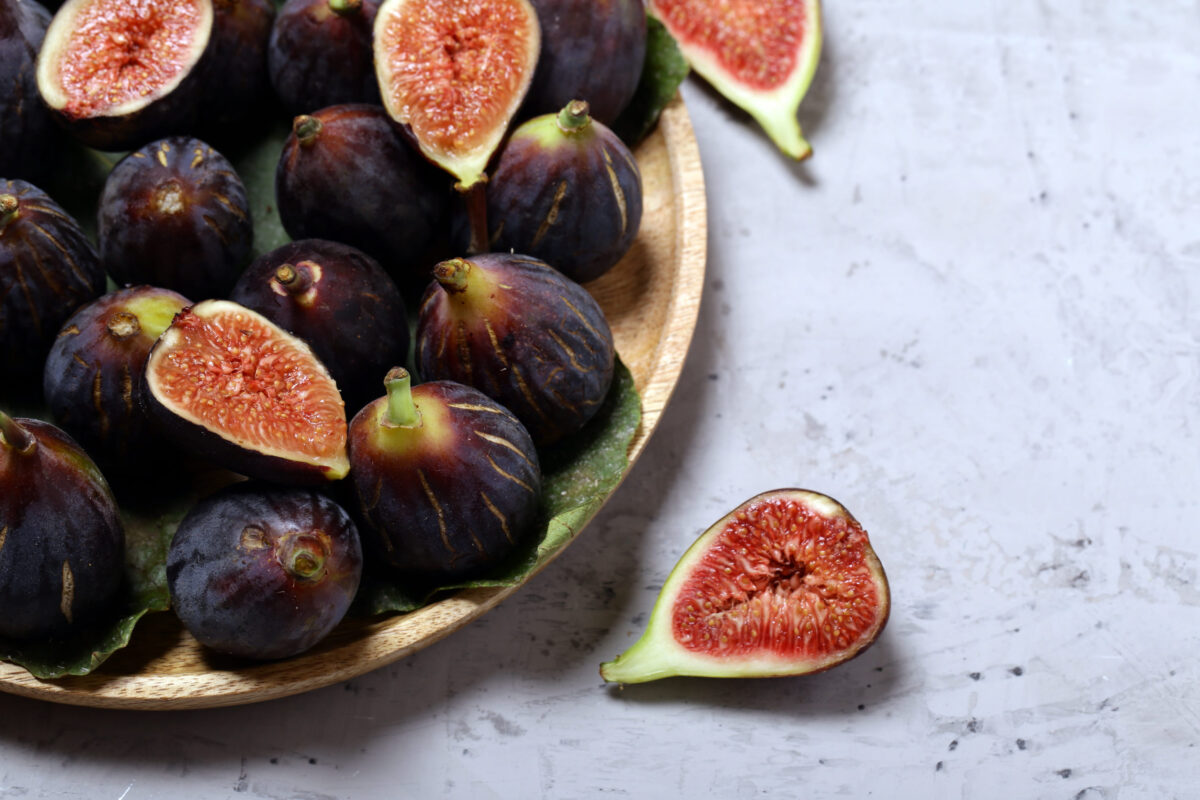
Figs are among the earliest cultivated fruits, with evidence suggesting they were grown as far back as 11,000 years ago. Native to the Middle East and Western Asia, they have a long history of cultivation, particularly in ancient Mesopotamia. Figs were highly regarded by early civilizations, and they were even mentioned in the Bible as a symbol of peace and prosperity.
Historically, figs have been an essential part of human diets, providing vital sugars, fiber, and minerals. They were also used medicinally, aiding in the treatment of ailments such as constipation. The fig tree is among the earliest domesticated trees, a testament to its importance in early agriculture. Its cultivation predates the rise of modern farming and connects us to a much earlier agricultural world.
Pomegranates

Pomegranates are another ancient fruit with a fascinating history. Their origins trace back to the regions of modern-day Iran and northern India, where they have been cultivated for over 4,000 years. Revered in ancient cultures, pomegranates symbolized fertility, life, and even immortality. The fruit’s vibrant red seeds were thought to represent life’s vitality, making it a key feature in religious rituals and mythology, especially in ancient Greek and Persian cultures.
The fruit was even considered a gift from the gods. In Greek mythology, the pomegranate was linked to Persephone, the queen of the underworld, whose story explains the seasons. The pomegranate has remained a cultural and culinary icon, making its way into numerous cuisines worldwide.
Grapes
Grapes, likely originating from the Caucasus region, have been cultivated for over 6,000 years. Ancient civilizations such as the Egyptians, Greeks, and Romans were already familiar with viticulture,cultivating grapes for both table consumption and winemaking. The invention of wine, which traces its roots to early grape cultivation, was a game-changer in human history, especially in the Mediterranean and Near Eastern regions.
Grapes have played a significant role in cultural and religious ceremonies. The Greeks and Romans considered wine an essential part of their social and spiritual lives. Additionally, the symbolism of the grapevine, especially its association with fertility and abundance, has made it an enduring fruit in the global agricultural landscape. To this day, vineyards across the globe continue to flourish, evolving from those ancient vines.
Olives
Olives have been cultivated for over 6,000 years in the Mediterranean Basin, particularly in modern-day Greece, Italy, and Spain. Not just prized for their taste, olives have been essential to many civilizations, providing oil for cooking, lighting, and even for medicinal purposes. The olive tree, with its deep roots in ancient history, is often associated with peace and longevity. Olive oil was a key part of ancient diets, and its importance in Mediterranean cuisine remains unchanged to this day.
Ancient Greek and Roman cultures elevated olives to sacred status. The olive branch was often seen as a symbol of peace, and olive oil was used for anointing royalty and athletes. Olives remain an essential part of modern diets, revered for their health benefits, especially in Mediterranean diets.
Apples

Though the exact origin of apples is debated, it is widely accepted that apples were cultivated in Central Asia over 4,000 years ago. Apples have found their way into countless myths, religions, and cultural stories. In Western culture, the apple is famously known as the forbidden fruit in the Garden of Eden, symbolizing knowledge and the temptation of mankind.
Throughout history, apples have been cultivated across Europe, Asia, and later the Americas. Apples became integral to many European agricultural practices, and as trade expanded, they spread globally. Today, apples remain among the most consumed fruits in the world, with modern varieties stemming from ancient strains cultivated thousands of years ago.
Dates

The date palm, native to the Middle East and North Africa, has been cultivated for over 6,000 years. Its resilience in arid desert conditions made it an invaluable resource for ancient desert civilizations. Dates were prized not only for their sweet, nutrient-dense fruit but also for their ability to grow in harsh climates, providing sustenance to the ancient peoples who lived in those regions.
In ancient Egypt, dates were used in religious rituals, and they were also an important food for the pharaohs. Dates have sustained civilizations in the harshest conditions, and to this day, they remain a staple food in many Middle Eastern and North African countries, prized for their natural sweetness and health benefits.
Citrus
While citrus fruits are believed to have originated in Southeast Asia, their cultivation dates back at least 2,000 years. Lemons, oranges, and limes have played a critical role in world history, especially in preventing scurvy among sailors during the Age of Exploration. The discovery of citrus fruits’ ability to prevent vitamin C deficiency revolutionized long-distance travel and the health of seafarers.
Citrus fruits quickly spread to the Mediterranean region, where they thrived in the warm climate. The fruit’s vibrant color and refreshing flavor made it a prized addition to many diets, and it remains a staple in cuisines across the world today.
Bananas
Bananas, believed to have originated in Southeast Asia, have been cultivated for over 7,000 years. Unlike many other fruits, bananas have adapted to diverse climates, spreading from the tropics to other parts of the world. They have been a staple food in many countries, providing an essential source of calories and nutrients.
Bananas were an important part of ancient Indian and Southeast Asian cultures, and they eventually spread to Africa and the Americas. Today, they are among the most widely consumed fruits globally. Bananas are also the foundation of numerous industries, from food production to the export economy.
Peaches
Peaches have been cultivated for over 4,000 years, with their origins tracing back to China and Persia (modern-day Iran). The fruit was so highly regarded by ancient cultures that it was often used in religious ceremonies and depicted in artwork. Peaches were considered symbols of immortality in Chinese culture, and their cultivation spread westward through trade routes.
The peach was introduced to Europe and the Americas, where it quickly gained popularity. Today, peaches are one of the most beloved fruits in the world, enjoyed fresh, canned, or incorporated into a wide array of culinary dishes.
Conclusion
The oldest cultivated fruits tell a fascinating story of human ingenuity and the cultivation of nature’s bounty. From the ancient fig tree to the resilient date palm, these fruits have not only sustained populations but have also shaped cultures, symbolized prosperity, and influenced religious and spiritual practices across millennia.
As we continue to enjoy the fruits of ancient civilizations, it’s important to remember their deep roots in our collective history and their enduring role in human nutrition and culture. With modern agriculture, these fruits have evolved, but their legacy remains as strong as ever.