9 Political Decisions That Sparked Major Backlash This Year
America’s political year has already felt like a pressure cooker with the lid rattling. From immigration and war powers to student loans, vaccines, tariffs, and artificial intelligence, several decisions have turned ordinary policy fights into national shouting matches. This list focuses on U.S. political decisions that have drawn major backlash so far in 2026. Some came from the White House, some from Congress, some from courts, and some from state-level battles that quickly became national culture-war flashpoints.
The massive immigration enforcement push

One of the biggest political storms arose from the Senate’s passage of a $70 billion immigration enforcement bill that funded ICE and Border Patrol through the end of President Donald Trump’s term. Supporters framed it as a law-and-order decision, but critics saw it as a green light for an even harsher deportation machine, especially after months of legal fights over immigration processing and enforcement tactics. The backlash grew louder after a federal judge struck down Trump administration policies that had blocked immigrants from 39 countries from getting decisions on asylum, work permits, green cards, and citizenship applications. That ruling turned the immigration fight into something larger than border security, because opponents argued the government had pushed legal applicants into limbo based on nationality.
The Iranian war powers fight.

The decision to continue U.S. military action against Iran without clearer congressional authorisation sparked one of the year’s most serious constitutional fights. Lawmakers in both parties questioned the White House’s authority, and the House later passed a resolution seeking to limit U.S. involvement in hostilities against Iran without formal approval from Congress. The backlash hit harder because the conflict stopped feeling theoretical. Reports described American troops and families adjusting to a tense “new normal” after weeks of fighting, casualties, a naval blockade, and a fragile ceasefire that had not delivered real peace.
The Ukraine aid reversal battle

Another backlash came from the administration’s resistance to new aid for Ukraine and sanctions on Russia. The House passed the Ukraine Support Act, authorising more than $1 billion in aid and up to $8 billion in loans, despite Trump’s opposition and an expected veto threat. That vote became politically explosive because it exposed cracks inside the Republican Party. Some lawmakers treated support for Ukraine as a national security issue that should survive partisan pressure, while Trump allies saw the bill as another attempt to drag America deeper into foreign commitments.
The anti-weaponisation fund controversy
The proposed $1.8 billion “anti-weaponisation” fund became one of the strangest backlash stories of the year. The fund was tied to claims of government abuse and reportedly could have benefited Trump allies, including some January 6 defendants, which made even some Republicans nervous about optics, oversight, and political favouritism. The backlash was strong enough that the administration moved to abandon or pause the fund, though questions remained about related legal protections and whether the cancellation was final. For critics, the controversy looked less like justice reform and more like a taxpayer-backed political loyalty program.
The tariff changes that rattled businesses
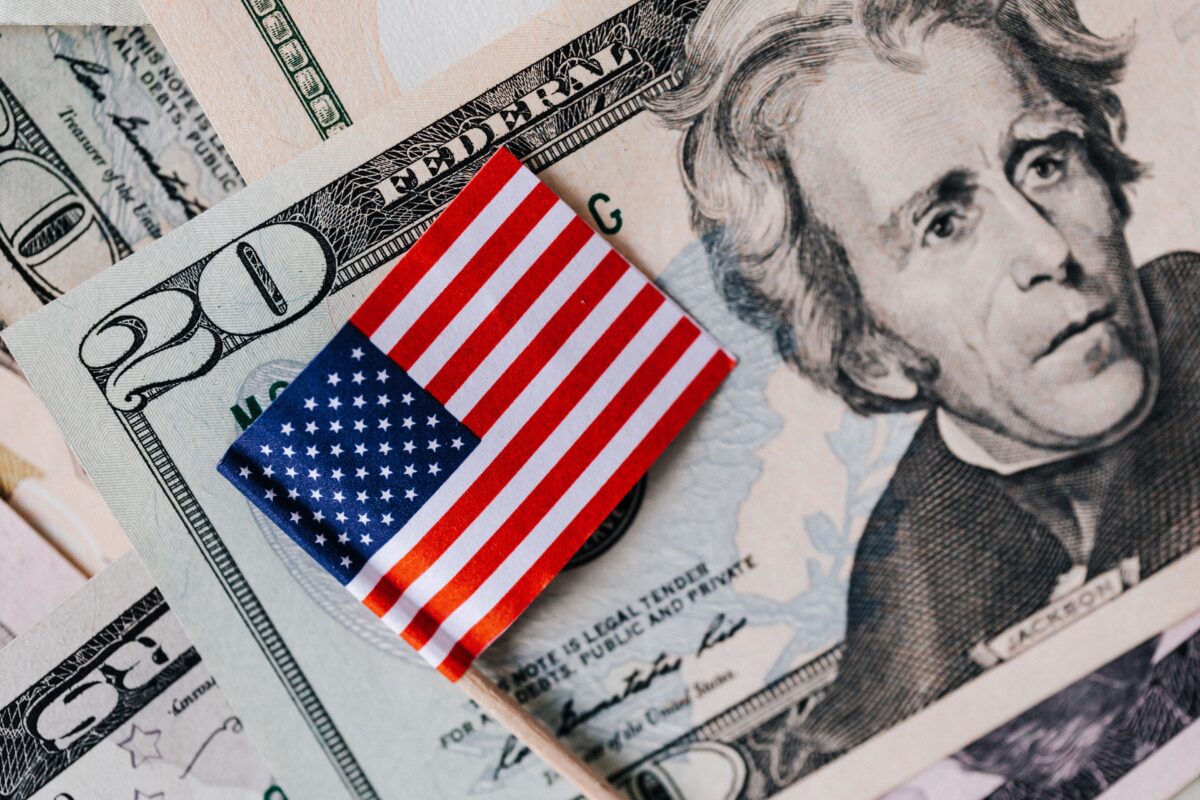
Trump’s decision to adjust tariffs on steel, aluminium, and copper kept trade policy in the national spotlight. The White House framed the move as a way to protect national security and strengthen domestic manufacturing, agriculture, housing, and industry. The backlash came from businesses, foreign partners, and economic critics who argued that tariffs often raise costs before they create jobs. The political tension became sharper because the administration also lowered some tariff burdens on agricultural and industrial equipment, which looked to critics like a midterm-year attempt to calm farmers and manufacturers already hurt by earlier trade fights.
The childhood vaccine schedule order
The executive order directing federal health agencies to review the childhood vaccine schedule triggered immediate backlash from public health experts. The White House said the review would compare U.S. recommendations with those of peer countries and give parents and doctors more flexibility in timing and sequencing. Doctors and health advocates saw something more dangerous. The California Medical Association warned that the move could undermine vaccine confidence at a time when preventable diseases remain a concern, and insurers responded by pledging to continue covering routine childhood vaccines through 2027.
The student loan cap fight

The Trump administration’s new federal student loan caps sparked legal and political backlash from Democratic-led states. The policy would limit annual federal loans for professional degrees and graduate programs, with opponents warning that it could push students toward private loans and make careers in nursing, medicine, law, and other fields harder to afford. This decision landed badly because it hit the American affordability nerve. Supporters said loan caps could pressure universities to control costs, but critics argued that students would suffer first, especially those entering fields already facing shortages.
The higher education crackdown
The administration’s moves against universities also drew major backlash. Federal officials launched investigations into medical school admissions policies and pushed broader rules affecting accreditation, diversity programs, transgender athlete policies, antisemitism enforcement, and grant conditions across thousands of institutions. Researchers also raised alarms about a proposed overhaul of federal grantmaking that would give political appointees more control over research funding decisions. Critics said that could turn scientific grants into political loyalty tests, especially after earlier fights over NIH and NSF funding.
The AI regulation power struggle
Artificial intelligence became another political battlefield after House lawmakers released a bipartisan draft bill that would block states from regulating AI model development. Supporters argued that America needs a single national framework so innovation does not get trapped in a maze of conflicting state rules. Consumer advocates pushed back hard, warning that the proposal could weaken state protections against algorithmic bias, fraud, discrimination, and concentrated tech power. The fight showed how AI policy has moved from Silicon Valley debate to kitchen-table politics, because Americans now worry about jobs, privacy, scams, schools, and who gets blamed when machines make bad decisions.
Conclusion
America’s political landscape in 2026 shows just how quickly decisions can ignite nationwide outrage. Each of these nine moves from immigration enforcement to AI regulation has revealed deep divisions in values, priorities, and trust between citizens and their leaders. Whether it’s students worrying about loan caps, families questioning vaccine guidance, or voters scrutinising foreign policy, backlash has become a defining feature of governance.