9 Reasons the ICE Courthouse Arrest Ruling Feels Bigger Than One Immigration Policy
A federal judge’s decision to block the Trump administration’s immigration courthouse arrest policy nationwide is not just another legal fight in Washington’s long immigration battle. It is a story about what happens when people are told to follow the rules, show up for court, and trust the system, only to fear that the courthouse door itself could become the place where they lose their freedom. That is what makes this ruling stand out.
U.S. District Judge P. Casey Pitts of California vacated policies that had expanded ICE arrests at immigration courthouses and allowed longer detention in short-term holding cells. The ruling cuts into one of the administration’s most controversial enforcement tactics and sends a clear message: immigration enforcement may be powerful, but federal agencies still have to explain themselves when they change the rules. This case is really about something much more familiar. It is about trust, fear, family separation, access to the courtroom, and the uneasy question of whether people can safely participate in a legal process they are required to obey.
Here are some reasons the ICE courthouse arrest ruling feels bigger than one immigration policy.
The ruling turns a courthouse into the center of a national immigration debate.

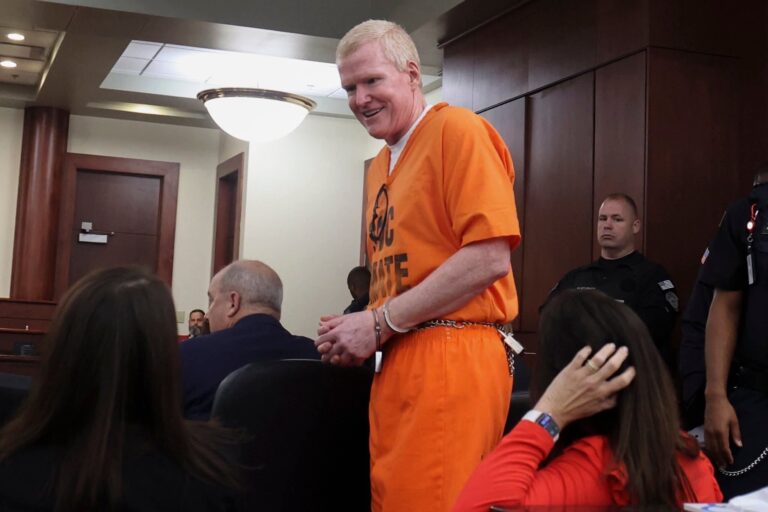
Courthouses are supposed to be places where people answer claims, present evidence, meet lawyers, and hear decisions from judges. In immigration court, the process can decide whether a person stays in the United States, returns to danger, keeps a family together, or faces deportation. That is why ICE arrests at courthouses became so explosive. To supporters of the policy, immigration courts were predictable places where federal officers could locate people already in the system. To critics, the policy turned a required legal appearance into a possible trap.
The judge’s ruling forces the country to confront that tension. If people are ordered to appear in court, should the courthouse also become the place where they are arrested? That question is bigger than one administration. It goes to the heart of whether the legal system can function when fear stands at the door.
It makes “showing up” the story’s emotional core.
The most compelling part of this case is not buried in a legal footnote. It is the simple fact that some immigrants were arrested after doing what the system told them to do. They showed up.
That matters because immigration cases often depend on attendance. People who miss hearings can face severe consequences, including removal orders. But if attending a hearing raises the fear of arrest, the system creates a painful choice: go to court and risk detention, or stay away and risk losing the case.
That is the human contradiction behind the ruling. It is not about whether immigration law should be enforced. It is about whether compliance should feel dangerous.
The decision hits at a bigger question about trust in government.
Immigration policy is often discussed in terms of numbers, slogans, and political speeches. This ruling brings the issue back to trust. Trust is fragile in any legal system. It becomes even more fragile in immigration court, where many people may not speak English fluently, may not understand the process, or may already fear government power because of past trauma.
When courthouse arrests become common, trust weakens. Attorneys may struggle to convince clients to appear. Families may arrive at court terrified. Judges may face more empty seats. Communities may begin to see legal appointments as risks instead of responsibilities.
That is why the ruling has a broader civic meaning. A legal system does not run only on enforcement. It also relies on the public belief that the process is real, orderly, and not designed to ambush participants.
The judge did not say immigration enforcement must stop.
This is an important distinction. The ruling does not end ICE. It does not cancel deportation cases. It does not give legal status to anyone. It does not mean every immigrant is protected from arrest. Instead, the judge focused on how the administration changed policy and whether federal agencies gave proper reasons for doing so. That is why the phrase “arbitrary and capricious” matters. It means the court found the agencies had not offered a legally sufficient explanation for such a major shift.
That makes the ruling more procedural than emotional, even though the human stakes are high. The government can enforce immigration law, but it cannot simply erase prior limits without explaining the consequences and showing that it considered the impact.
In a divided political climate, that detail matters. The decision is not a broad statement that immigration enforcement is illegal. It is a warning that government power still has paperwork, standards, and limits.
The policy changed the meaning of an immigration court date.
For many people, a court date is already intimidating. For immigrants facing removal proceedings, it can be life-changing.
The courthouse arrest policy added another layer of fear. A hearing was no longer only about what a judge might decide. It could also become the moment when someone was taken into custody before returning home, going back to work, or picking up a child. That change reshaped the emotional meaning of the courthouse. A place built for hearings became linked with sudden detention. A routine appearance could feel like a gamble.
The judge’s ruling pushes back against that shift. It says, in effect, that agencies must seriously consider what happens when enforcement tactics make people afraid to use the very courts they are required to attend.
The short-term detention issue adds another layer to the ruling.

The courthouse arrest policy drew most of the attention, but the ruling also addressed ICE’s short-term detention practices. The administration had allowed people to be held in short-term detention facilities for up to 72 hours. The judge also vacated that policy. This part of the ruling matters because short-term holding cells are not meant to operate like regular detention centers.
For families, lawyers, and detainees, those extra hours can be significant. They can affect access to medication, legal communication, food, sleep, showers, and basic dignity. They can also make it harder for relatives to find out where someone has been taken.
That detail gives the case more urgency. The story is not only about where arrests happen. It is also about what happens after someone is taken into custody.
The ruling exposes a major weakness in fast-moving policy changes.
Every administration wants to move quickly on its priorities. Immigration is one of the areas where presidents often try to act fast. But federal agencies are still bound by administrative law. They must give reasoned explanations when they reverse policies, especially when those changes affect liberty, courts, detention, and public access to legal proceedings.
That is where the Trump administration ran into trouble in this case. The judge found that the agencies did not adequately justify the policy shift. They did not do enough to explain why previous restrictions should be abandoned or how the new approach would affect access to the courts.
This is the kind of ruling that can echo beyond one case. It tells federal agencies that speed is not a substitute for legal reasoning. A political goal may be clear, but a policy still needs a lawful foundation.
It gives immigrant advocates a powerful courtroom victory.
For immigrant rights groups, the ruling is a major win because it applies nationwide. That matters because courthouse arrest challenges had already emerged in other jurisdictions, including New York and California. A narrow ruling can protect one city or one group of plaintiffs. A nationwide ruling changes the legal landscape for courts nationwide.
Advocates see the decision as a protection for people who are trying to follow immigration procedures. They argue that immigrants should not have to choose between their liberty and their day in court.
The ruling also gives attorneys a stronger argument when speaking to clients who are afraid to attend hearings. It does not erase every risk, but it gives them a clearer legal answer than they had before.
The administration’s reaction shows the fight is not over.

The Department of Homeland Security sharply criticized the decision, signaling that the ruling may not be the final word. That response is important because immigration cases like this often move quickly into appeals. The administration could ask a higher court to pause the ruling. It could also draft a new policy that addresses the judge’s concerns while preserving more aggressive enforcement.
The legal fight could continue in the Ninth Circuit and possibly beyond. Still, the current decision creates an immediate obstacle for the administration. It blocks the policy as written and forces the government to defend, revise, or abandon a tactic that had become a flashpoint in the national immigration debate.