9 Silent Reasons People Die in Their Sleep, According to Science
Death during sleep sounds peaceful, but the science behind it is often anything but simple. The body does not “switch off” at night. The heart still pumps, the lungs still move air, the brain still runs its electrical system, and hormones still rise and fall in the dark.
Sleep can hide warning signs because a person may not feel chest pain, breathlessness, confusion, or weakness strongly enough to wake up. That is why some fatal medical events seem sudden, even when the danger had been building quietly for years.
This article is not meant to scare anyone into staring at the ceiling all night. Most people go to sleep and wake up safely every day. Still, science shows that several conditions can turn dangerous during sleep, especially when they affect oxygen, heart rhythm, blood flow, or brain control.
Here are 9 silent reasons people die in their sleep, according to science.
Sudden Cardiac Arrest
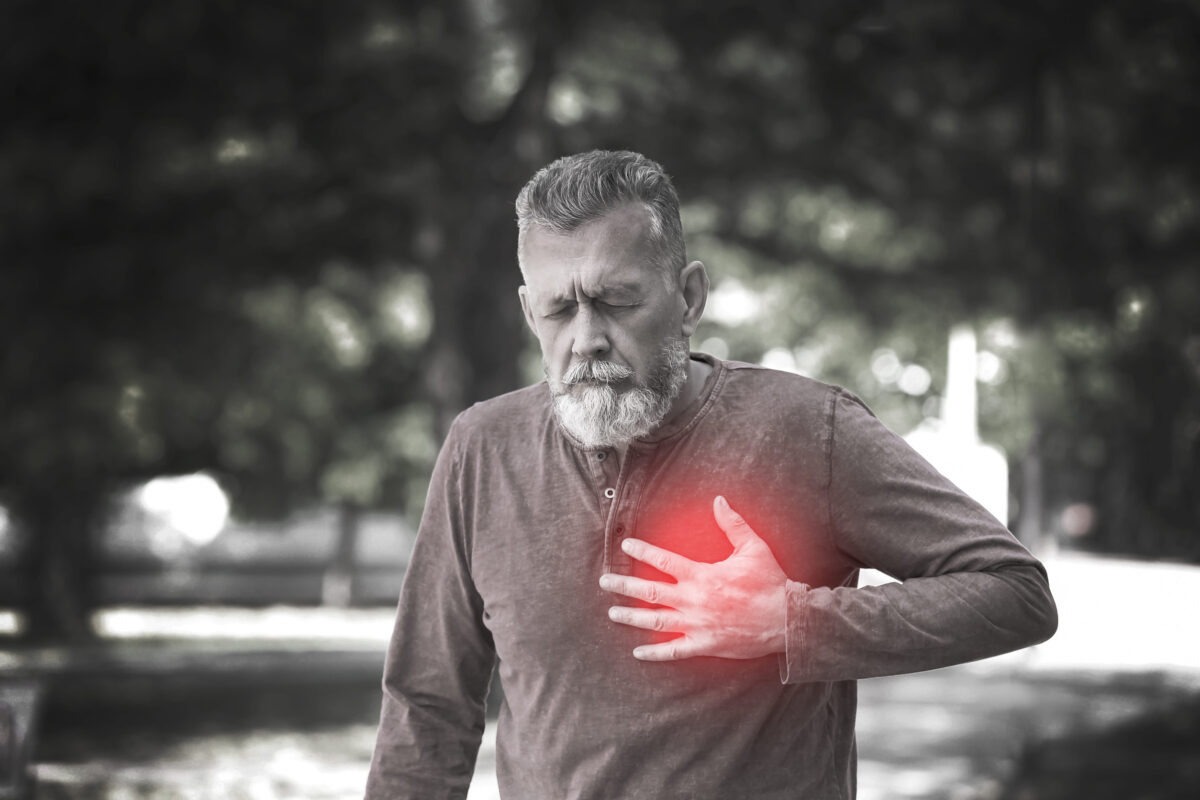
Sudden cardiac arrest is one of the most frightening causes because it can happen fast. It occurs when the heart’s electrical system malfunctions, causing it to suddenly stop pumping blood properly. This is different from a heart attack, which happens when blood flow to part of the heart is blocked. In cardiac arrest, the person loses consciousness quickly, breathing may stop, and survival depends on immediate CPR and defibrillation.
At night, the same event can pass unnoticed until morning. People with previous heart disease, heart failure, inherited rhythm disorders, severe high blood pressure, or unexplained fainting episodes may carry a higher risk. The cruel part is that some people had only vague warning signs, such as fatigue, palpitations, dizziness, or shortness of breath, and brushed them aside.
A Silent Heart Attack
A heart attack can happen during sleep when a blocked artery cuts off oxygen-rich blood to the heart muscle. Some heart attacks cause crushing pain, sweating, nausea, and panic. Others are quieter, especially in older adults, women, and people with diabetes.
A person may experience indigestion, pressure, unusual tiredness, jaw or back pain, or mild breathlessness rather than dramatic chest pain. Because sleep dulls awareness, the body may not wake the person strongly enough to respond.
Heart disease remains a major killer. CDC data shows cardiovascular disease caused 919,032 deaths in the United States in 2023, about one in every three deaths. That does not mean most heart attacks happen during sleep, but it shows why nighttime cardiac events are taken seriously.
Stroke During the Night
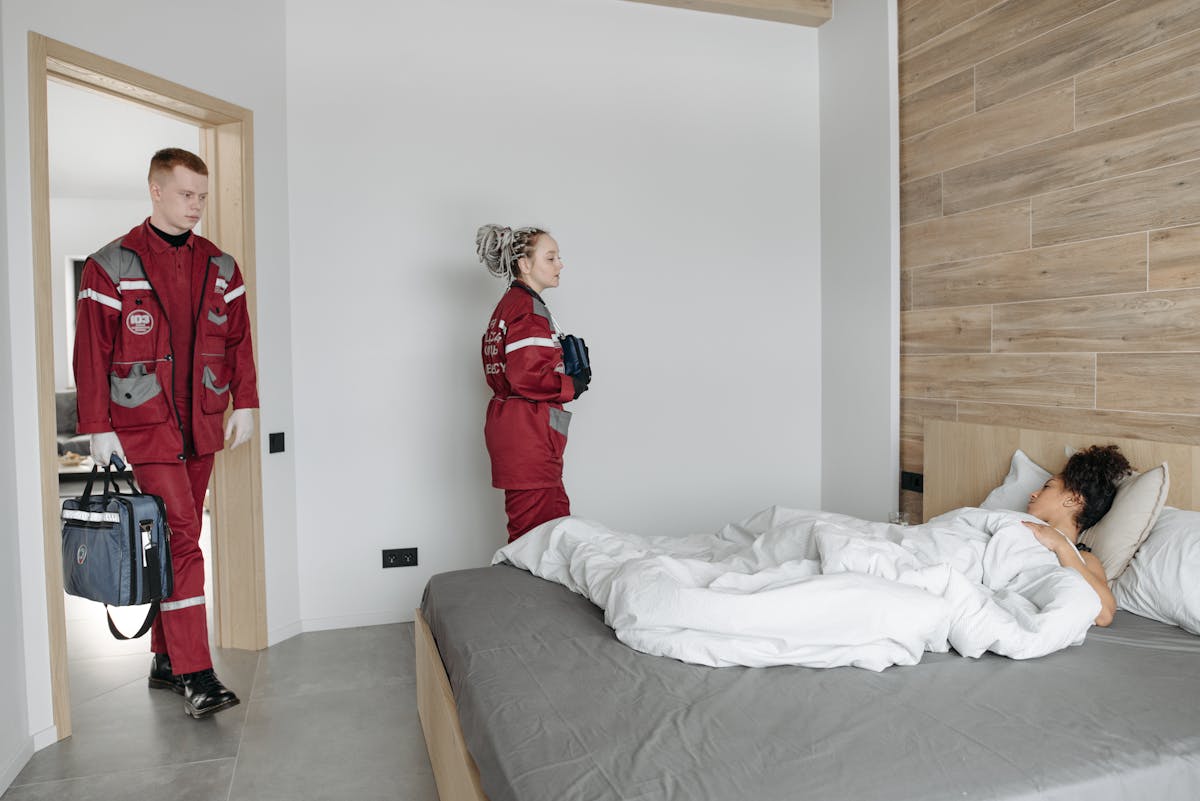
A stroke happens when blood flow to part of the brain is blocked or when a blood vessel bursts. During sleep, a person may not notice the early signs. They may not realize that one side of the body has become weak, that speech has changed, that vision is blurry, or that confusion has set in. Some people wake up already affected, which is why doctors use the phrase “wake-up stroke.” In the most severe cases, a stroke can affect parts of the brain that control breathing, consciousness, and heart function.
The risk factors are familiar but serious: high blood pressure, smoking, diabetes, high cholesterol, atrial fibrillation, sleep apnea, and a previous history of stroke or heart disease. A major stroke during sleep can be fatal because the brain may swell, bleed, or lose control over vital functions. The tragedy is that many stroke risks are treatable long before the emergency happens.
Obstructive Sleep Apnea
Obstructive sleep apnea is not just loud snoring. It is a condition where the airway repeatedly collapses during sleep, causing breathing pauses and oxygen drops. The brain briefly wakes the body again and again, often without the person remembering it.
Over time, those oxygen crashes can strain the heart, raise blood pressure, and increase the risk of dangerous rhythms. In severe cases, sleep apnea becomes more than an annoyance to a partner. It becomes a nightly stress test for the heart and brain.
Research has linked obstructive sleep apnea with cardiovascular disease, arrhythmias, stroke, heart attack, and sudden cardiac death. Warning signs include heavy snoring, choking or gasping during sleep, morning headaches, daytime sleepiness, high blood pressure, and waking up with a dry mouth.
Respiratory Failure From Lung Disease
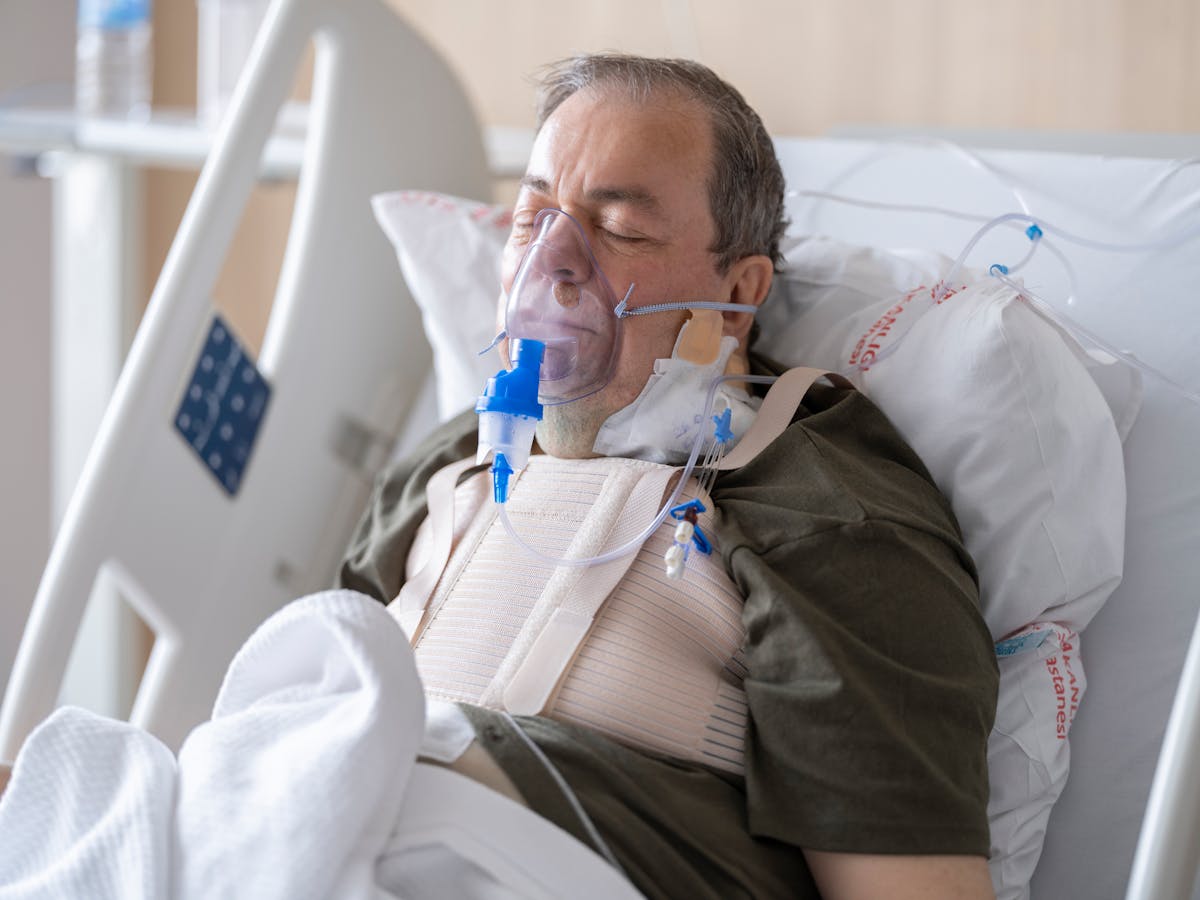
The lungs do not get a break at night. People with chronic lung disease may struggle more during sleep because breathing slows, cough reflexes quiet down, and oxygen levels can dip. Conditions such as COPD, severe asthma, pneumonia, and advanced lung disease can push the body toward respiratory failure. When the lungs cannot bring in enough oxygen or remove enough carbon dioxide, the brain, heart, and organs suffer. If the problem worsens silently overnight, the person may not wake up in time.
COPD limits airflow and can cause coughing, wheezing, excess mucus, and shortness of breath. Asthma can also become dangerous when it is poorly controlled, especially if nighttime symptoms are frequent or rescue medication stops working.
Pulmonary Embolism
A pulmonary embolism happens when a blood clot travels to the lungs and blocks blood flow. The clot often starts in the deep veins of the legs or pelvis, especially after surgery, long travel, immobility, pregnancy, cancer, smoking, certain medications, or clotting disorders.
A small clot may cause chest pain and shortness of breath. A large clot can overwhelm the lungs and heart quickly, causing collapse or sudden death. During sleep, the first clear sign may never reach conscious awareness.
The MSD Manual explains that pulmonary embolism can cause shortness of breath, chest pain, fainting, low blood pressure, cardiorespiratory arrest, or sudden death in severe cases. This is why leg swelling, calf pain, sudden breathlessness, unexplained chest pain, coughing blood, or fainting should be treated as urgent symptoms.
Sudden Unexpected Death in Epilepsy
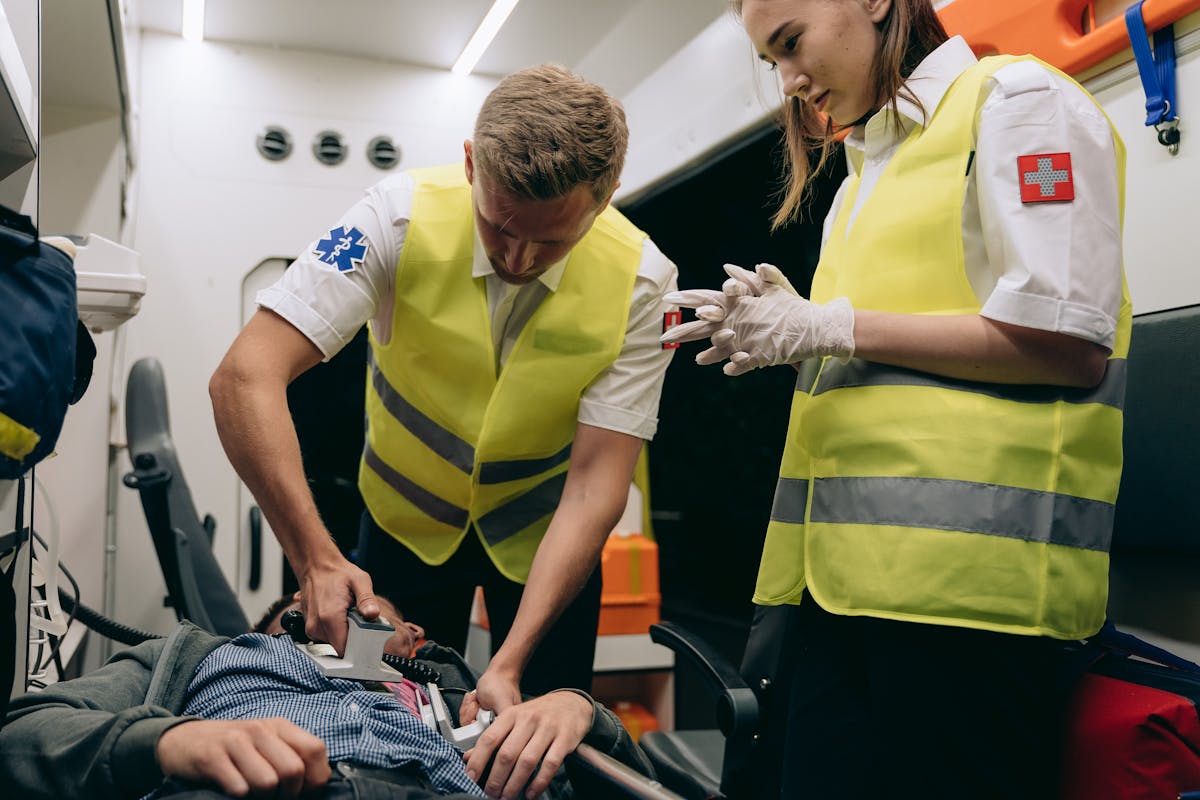
Epilepsy can be life-threatening in rare cases, especially when seizures happen during sleep. Sudden unexpected death in epilepsy, often called SUDEP, usually occurs without a clear injury, drowning, or another obvious cause.
Researchers believe it may involve breathing pauses, airway obstruction, abnormal heart rhythm, or problems with brain recovery after a seizure. The risk is higher in people with uncontrolled generalized tonic-clonic seizures, especially nighttime seizures.
The CDC notes that most SUDEP deaths occur with a generalized seizure during sleep and may involve breathing problems, oxygen loss, suffocation, or dangerous heart rhythms. This does not mean every person with epilepsy should live in fear. It means seizure control matters.
Severe Low Blood Sugar
For people with diabetes, especially those using insulin or certain glucose-lowering medicines, blood sugar can drop dangerously low during sleep. This is called nocturnal hypoglycemia. Mild low blood sugar can cause sweating, shakiness, nightmares, hunger, or a racing heartbeat. Severe low blood sugar can affect the brain, causing confusion, seizures, unconsciousness, and, in rare cases, death. The danger is worse when the person sleeps through the early warning signs.
The National Institute of Diabetes and Digestive and Kidney Diseases warns that very low blood glucose can make the brain stop working properly and may lead to loss of consciousness or seizure. Alcohol, skipped meals, intense exercise, medication changes, kidney disease, and insulin dosing errors can raise the risk. People who wake up drenched in sweat, confused, shaky, or with morning headaches should take that pattern seriously.
Poisoning and Drug-Related Breathing Failure
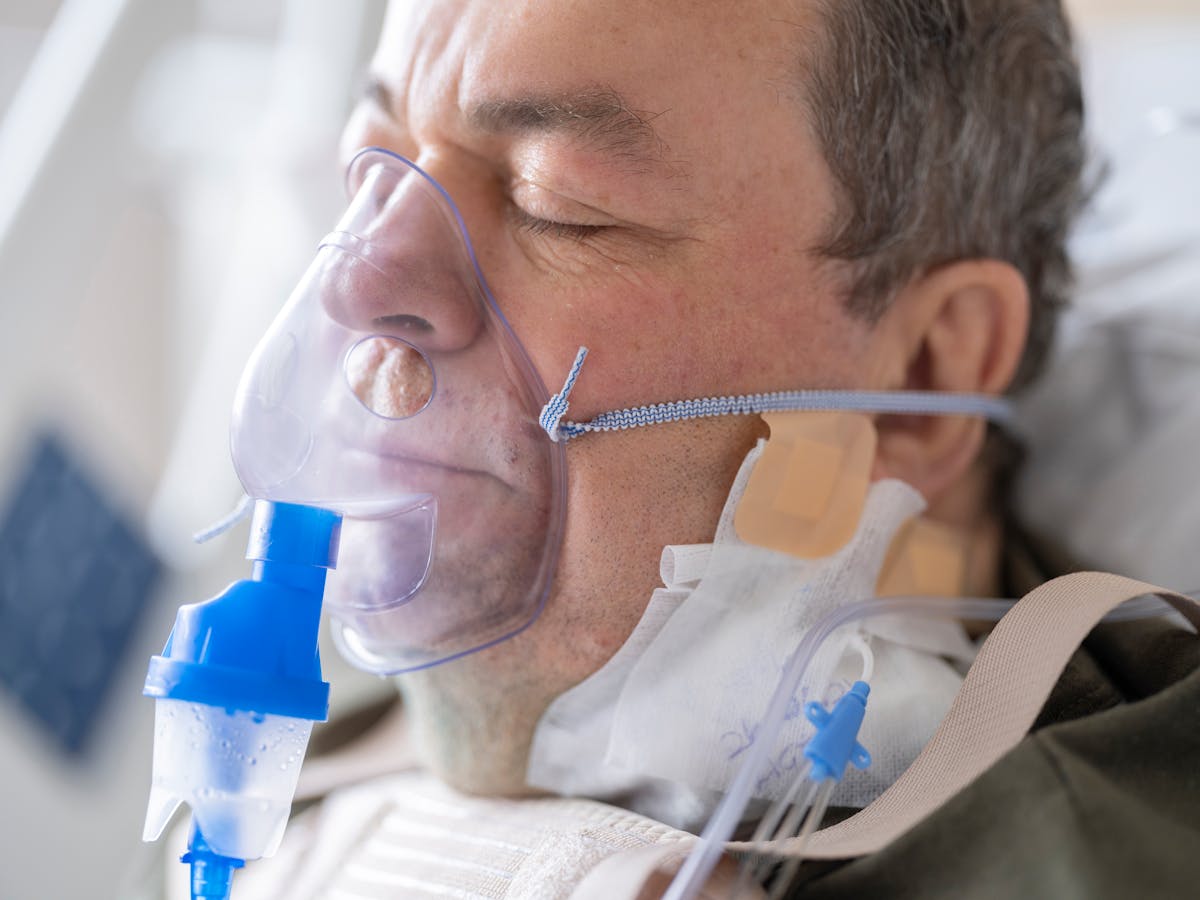
Some sleep deaths are not caused by a disease inside the body but by something that interferes with oxygen. Carbon monoxide is especially dangerous because it has no smell, color, or taste.
A faulty heater, generator, stove, car exhaust leak, or blocked chimney can fill a space with gas while people sleep. The person may never feel the classic symptoms of headache, dizziness, weakness, nausea, chest pain, or confusion. They may simply lose consciousness and die before waking.
The CDC warns that people who are sleeping, drunk, or under the influence of substances can die from carbon monoxide poisoning before they have symptoms. Drug-related breathing failure is another danger, especially with opioids, sedatives, alcohol, or combinations of substances that slow breathing.