9 Simple Foods That Can Make Cooking for One Person Easier After 60
Cooking for one person can present challenges that families don’t always consider. Recipes may produce too many servings, fresh ingredients can spoil before they’re used, and preparing an elaborate dinner may not feel worthwhile every evening.
Convenience matters, but so does eating a varied diet. The goal is to choose ingredients that make meals manageable without relying entirely on expensive prepared foods. These nine foods offer useful options for older adults who want to simplify cooking while maintaining enjoyable meals.
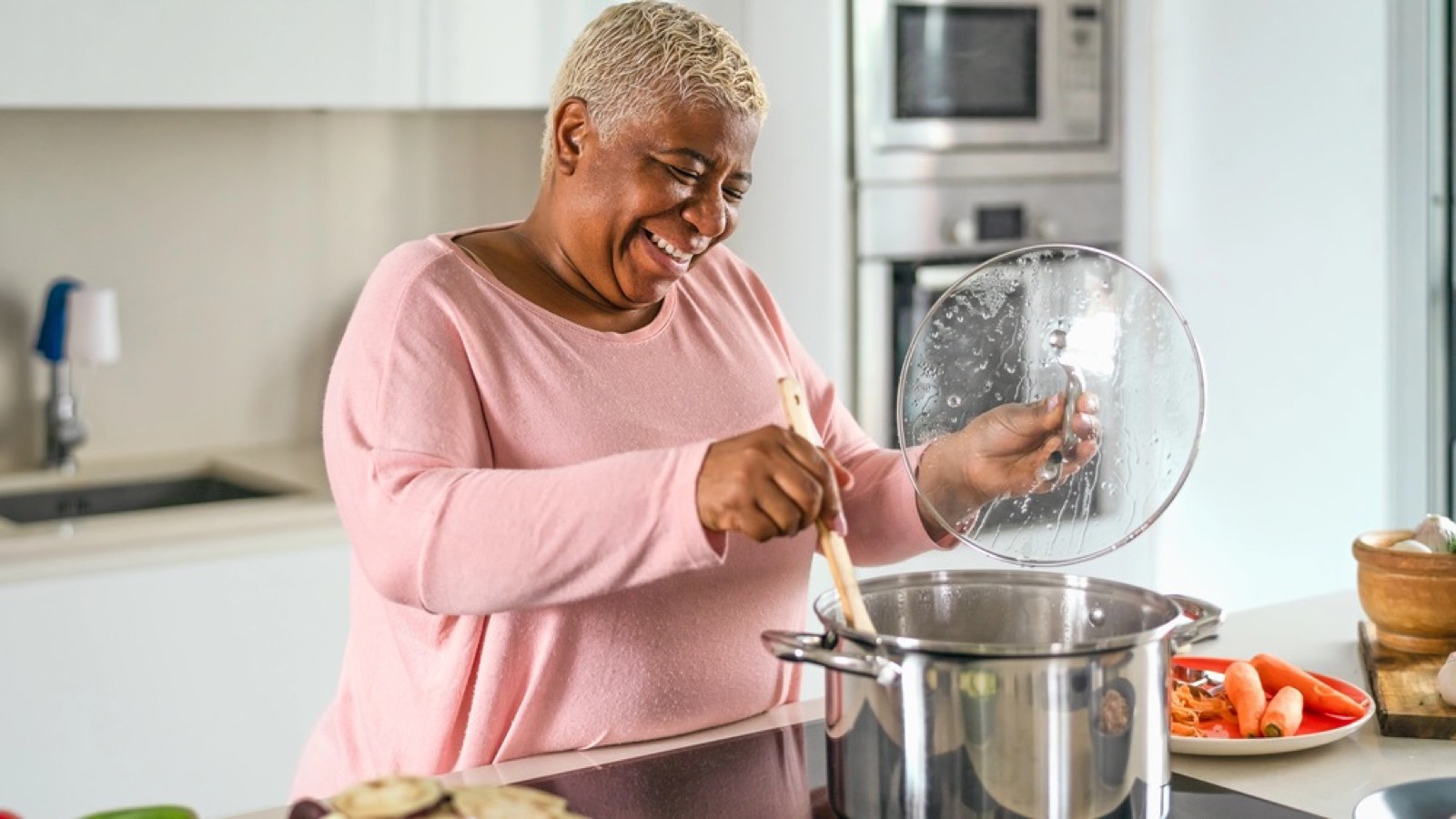
1. Eggs
Eggs are versatile because they can be boiled, scrambled, poached, or incorporated into other dishes. Preparing one or two eggs is straightforward, making them useful for smaller households.
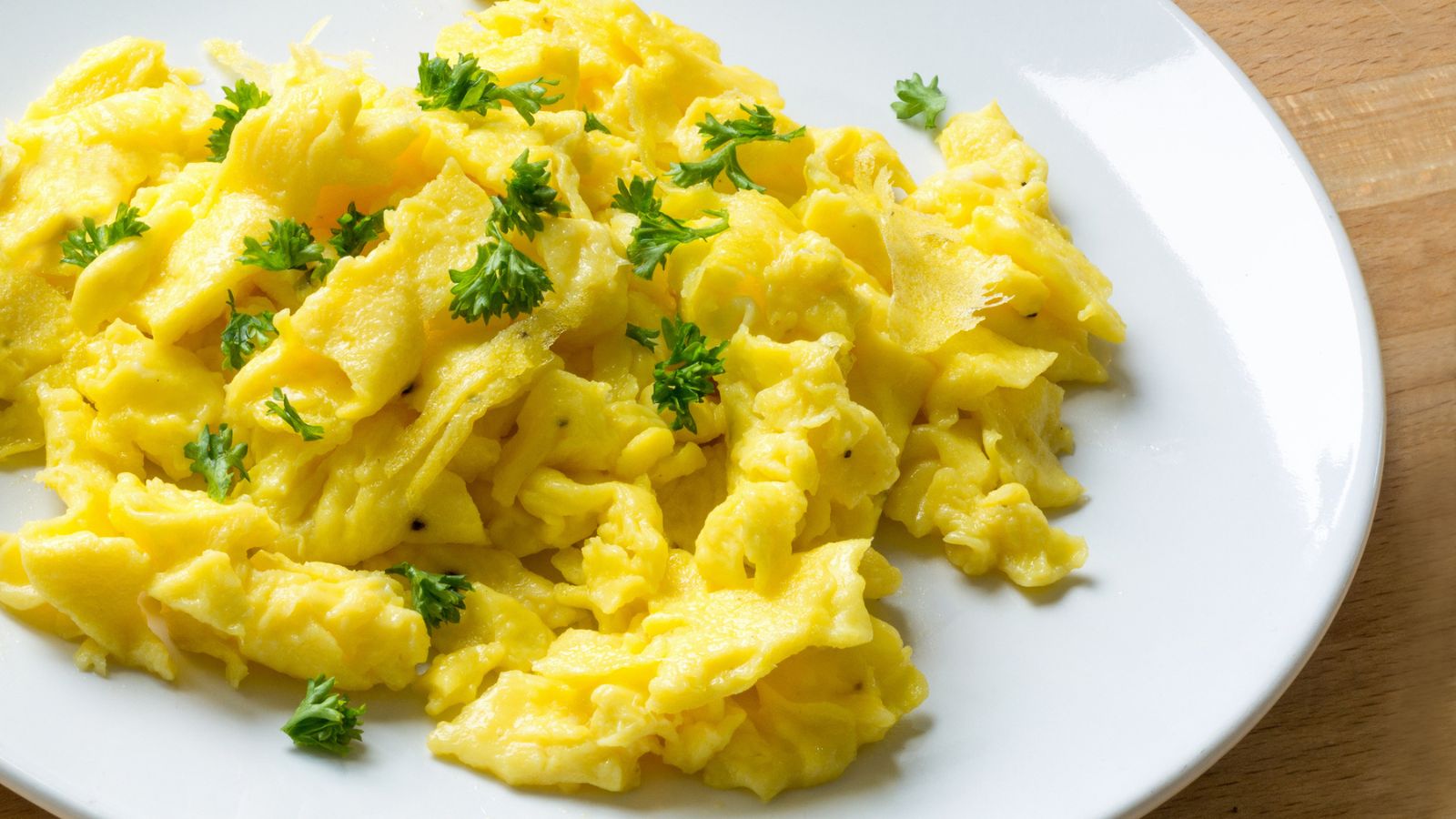
They provide protein and several nutrients, including choline. The appropriate amount for an individual depends on their overall diet and any relevant medical guidance.
Eggs can also be combined with vegetables for a quick omelet. This allows small portions of leftover produce to become part of another meal.
Proper cooking and refrigeration remain important. People at increased risk of foodborne illness may need additional precautions with eggs and other foods.
2. Frozen Vegetables
Frozen vegetables can reduce waste because they don’t need to be consumed within a few days of purchase. Small portions can be removed from the package as needed.
Peas, broccoli, carrots, and mixed vegetables work in numerous recipes. They can accompany a main dish or be added to soup, rice, and pasta.
Plain frozen vegetables also allow individuals to control seasoning. Products packaged with sauces may contain additional ingredients that affect nutrition. For someone cooking alone, the convenience of frozen vegetables can make regular meal preparation easier.
3. Canned Salmon
Canned salmon can be used in sandwiches, patties, salads, and other simple meals. It is shelf-stable before opening and doesn’t require the same shopping schedule as fresh seafood.
The product provides protein and omega-3 fatty acids. Some varieties also contain soft edible bones that contribute calcium.
Individual preferences matter because the flavor and texture differ from fresh salmon. Choosing boneless or skinless versions may make the product more appealing to some people. The convenience can be especially useful when preparing a quick lunch.
4. Plain Yogurt
Plain yogurt can be eaten with fruit, oats, nuts, or other ingredients. It also works as an ingredient in certain savory recipes.
Different varieties provide different amounts of protein and calcium. Greek yogurt is often thicker and higher in protein than conventional yogurt, although labels should be compared.
Unsweetened yogurt allows people to decide how much sweetness to add. Fruit can provide flavor without relying entirely on prepared sweetened varieties. Buying container sizes that match consumption helps reduce waste.
5. Beans
Beans provide fiber and plant-based protein and can be incorporated into many dishes. Canned beans are convenient, while dried beans can be economical when prepared in larger quantities.
They work in soups, stews, salads, and rice dishes. Some people prefer using smaller portions at first because beans can cause digestive discomfort.
The USDA’s nutrition guidance includes beans, peas, and lentils among protein foods. They can help create substantial meals without relying exclusively on meat. For one person, freezing cooked beans in small portions can simplify preparation.
6. Oatmeal
Oatmeal is easy to prepare in individual servings. It can be made with water, milk, or another suitable liquid, depending on preferences.
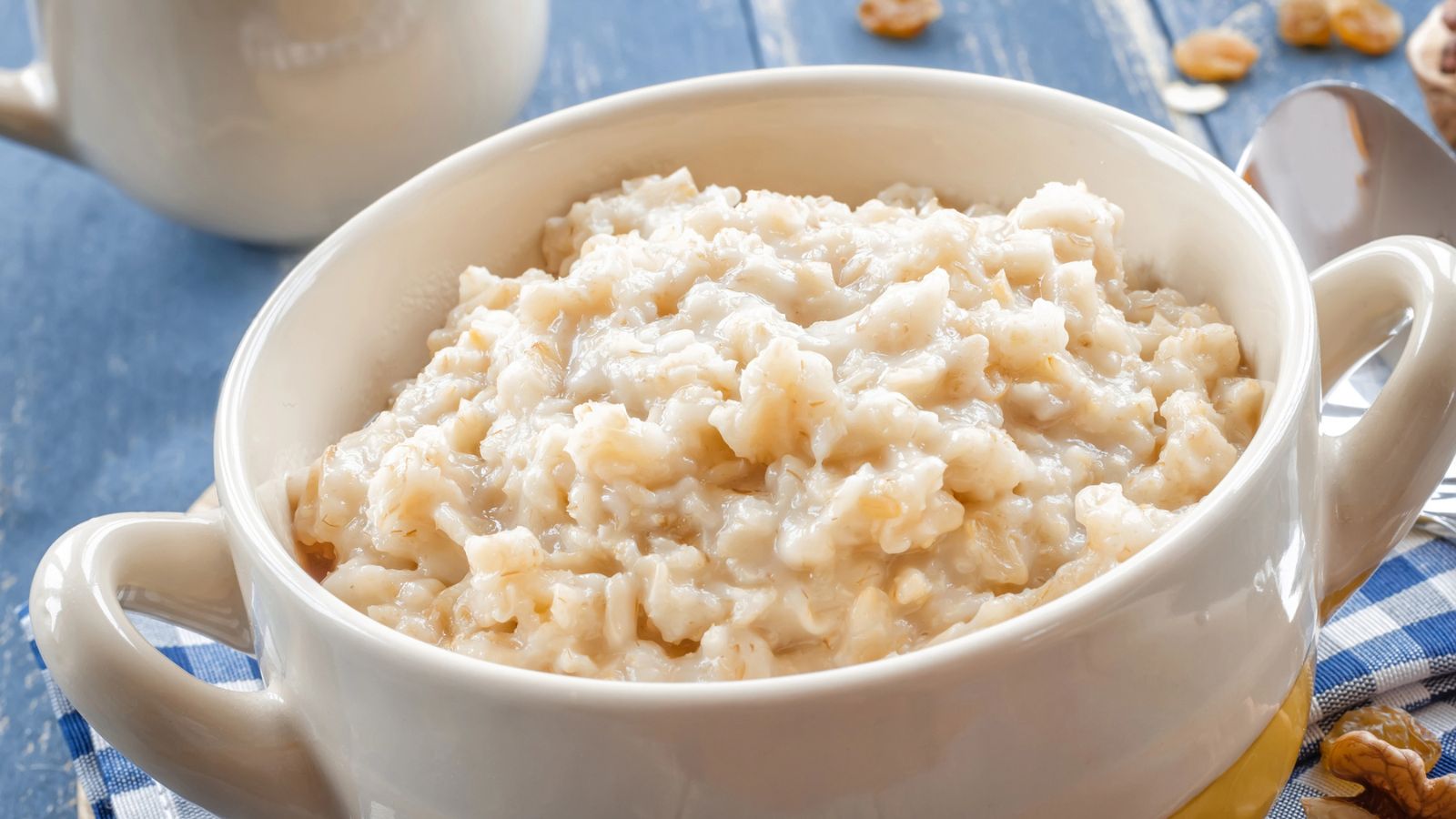
Plain oats allow people to control added sugar and toppings. Fruit, nuts, and yogurt can provide variety.
Oats contain fiber, including beta-glucan. Their usefulness extends beyond breakfast because they can appear in certain baking and savory recipes. A package of oats can provide many servings when stored properly, making the ingredient practical for smaller households.
7. Sweet Potatoes
Sweet potatoes can be baked, boiled, mashed, or roasted. Preparing one potato at a time is convenient when cooking for a single person.
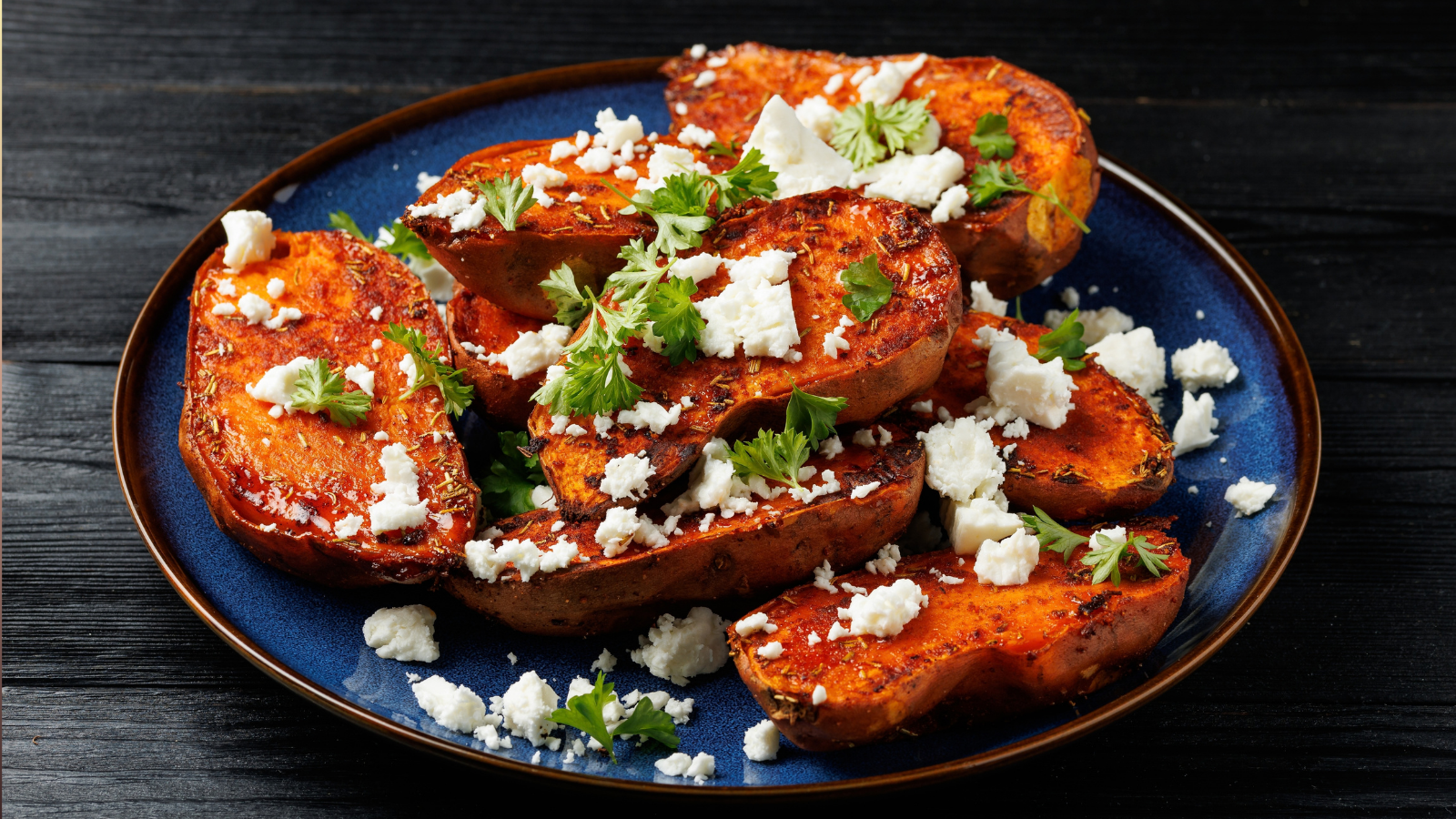
They provide carbohydrates, fiber, and beta-carotene. Toppings and preparation methods can change the flavor considerably.
Some people enjoy them with savory seasonings, while others prefer cinnamon or other sweeter flavors. They can also be combined with eggs, beans, or vegetables. Their versatility makes them useful for lunches and dinners without requiring elaborate recipes.
8. Canned Sardines
Canned sardines are a convenient option for people who enjoy stronger-flavored fish. They require little preparation and can be eaten with bread, crackers, or vegetables.
Their nutritional profile includes protein and omega-3 fatty acids. Varieties with edible bones can also provide calcium.
Sardines belong to a group of old-school pantry staples that remain useful in modern kitchens. Their long unopened shelf life makes them practical for occasional meals.
Sodium and other nutritional details vary by product. Comparing labels can help shoppers find suitable options.
9. Soup Ingredients
Soup is a practical meal for one person because it can combine several ingredients in a single pot. Beans, vegetables, potatoes, and suitable proteins can create a filling dish.
Making a larger batch and freezing individual portions reduces cooking time later. It also helps use small quantities of ingredients that might otherwise be discarded.
Different recipes provide different nutritional benefits. Including a variety of vegetables and protein sources can make soup more substantial. Food safety remains important when cooling, freezing, and reheating prepared meals.
Making Solo Cooking More Manageable
Cooking for one doesn’t need to mean eating repetitive or unbalanced meals. Choosing versatile ingredients makes it easier to create variety without purchasing large quantities of food.
The National Institute on Aging provides guidance on healthy eating for older adults. Individual nutritional needs can differ because of medical conditions, medications, and changes in appetite.
Convenience should support good eating habits rather than replace them. Keeping useful ingredients available can reduce the temptation to skip meals or rely on less suitable options.
The best food choices are those that match your preferences, budget, and practical needs. A simple meal prepared consistently can be more useful than an elaborate recipe that feels too demanding to repeat.