8 Familiar Meals on America’s Dinner Tables in the ’60s
Some dinner memories begin with a sound: a spoon breaking through a casserole topping, gravy bubbling on the stove, or someone calling everyone to the table. Before the first bite, you already knew what kind of evening it would be.
For many middle-class American families in the 1960s, dinner brought together familiar cooking and supermarket shortcuts. Canned soup sat beside flour and onions, and a homemade supper could involve opening several packages. These eight meals were never universal, but they capture a recognizable part of the decade’s dinner table.
Meatloaf With Mashed Potatoes
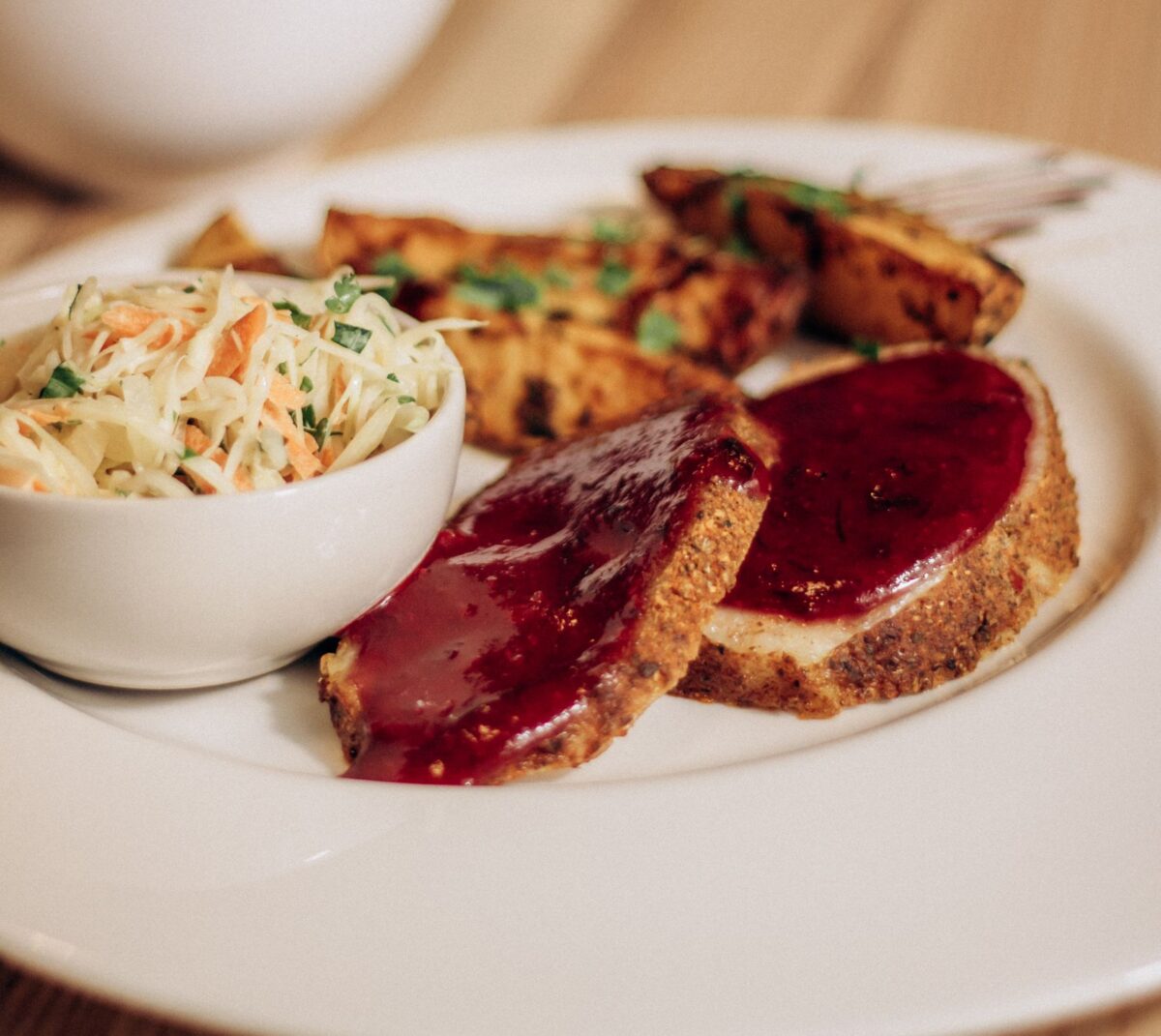
Meatloaf turned ground meat into something substantial enough to anchor the evening meal. Breadcrumbs or bread, milk, egg, onion, and seasoning shaped the loaf, while cooks decided whether the top needed tomato sauce, ketchup, or something else entirely.
Betty Crocker’s 1961 cookbook included “Fluffy Meat Loaf,” placing the dish firmly in the period’s cooking repertoire. Beside mashed potatoes and a vegetable, its thick slices made a reassuringly familiar plate. Campbell’s tomato-soup version also shows how easily a pantry staple could work its way into both the meat mixture and the sauce.
Tuna Noodle Casserole
Tuna noodle casserole asked relatively little of the pantry: canned fish, cooked noodles, and a creamy sauce could become dinner. Peas or cheese added variety, while breadcrumbs or crushed potato chips gave the soft filling a welcome crunch.
The combination goes beyond retrospective nostalgia. The 1968 Better Homes and Gardens Casserole Cook Book included a “Church-supper tuna bake” among its main dishes.
Serving dinner by the scoop felt practical. Fish, starch, and sauce arrived together, and the topping gave everyone something to negotiate over. For some families, the crisp edges were the best part of the whole dish.
Salisbury Steak With Gravy
Salisbury steak offered the ceremony of a steak dinner using seasoned ground meat. The patties were browned and served with gravy, sometimes enriched with mushrooms. Mashed potatoes supplied an obvious landing place for any sauce left behind.
Its origins stretch back well before the 1960s, but the frozen-dinner market helped strengthen its midcentury identity. Homemade versions offered a similar arrangement without the divided tray.
At the table, it fell somewhere between a hamburger and meatloaf. Each person received an individual portion, and the gravy made an inexpensive main ingredient feel ready for a proper sit-down supper.
Chicken and Rice Casserole
Chicken and rice casserole brought much of dinner into one baking dish. The 1968 Better Homes and Gardens Casserole Cook Book listed a “Chicken-rice bake,” documenting the combination’s place in the decade.
Recipes differed, but chicken, rice, liquid, and seasoning formed the foundation. Creamy versions could use condensed soup, saving the cook from preparing a separate sauce.
Its appeal was easy to understand on an ordinary evening. Instead of watching several pans, a cook could serve chicken and rice in one dish. The casserole also complicates the tidy distinction between homemade food and convenience food. In many kitchens, they comfortably occupied the same dish.
Beef Pot Roast With Vegetables
Pot roast carried an older cooking tradition into a decade increasingly associated with packaged food. A tougher cut of beef cooked slowly in a covered pot with liquid, becoming tender through patient braising.
Carrots, onions, and potatoes made familiar companions, taking on flavor from the cooking juices. Those juices could then become gravy, tying the plate together without much decoration.
The meal required time, though its presentation stayed straightforward. A serving of beef, vegetables from the pot, and a spoonful of gravy did the work. It showed that supermarket shortcuts had barely pushed slower cooking out of the family kitchen.
Sloppy Joes
Sloppy Joes changed the mood of dinner. Ground meat in a seasoned tomato-based sauce went onto bread or hamburger buns, creating a sandwich whose name offered fair warning about the cleanup.
The sandwich existed before the 1960s, with newspaper references appearing in the 1940s. Hunt’s introduced Manwich in 1969, near the decade’s end.
That date matters when remembering these suppers. Earlier versions could involve homemade sauce, seasoning mixes, or other canned ingredients. The familiar branded can became part of the story, but families had already been serving the sandwich for years.
Stuffed Bell Peppers
Stuffed peppers gave everyday ingredients a tidy presentation. Each hollowed pepper became an edible container for a savory filling, baked until tender.
Betty Crocker dates its first stuffed-pepper recipe to 1956. That version stretched ground beef with breadcrumbs; later versions used more beef and substituted rice.
The distinction keeps nostalgia honest. A remembered family recipe may differ from today’s standard, even when the dish carries the same name. Beef, tomato, and a filling starch made the peppers substantial enough for supper.
Homemade Macaroni and Cheese
Boxed macaroni dinners already existed, but homemade versions retained their place. Some baked recipes combined macaroni, cheddar, eggs, and milk beneath a buttery breadcrumb topping. Others relied on a cooked cheese sauce.
Those differences mattered at the table: one version might slice neatly, while another invited a serving spoon. Both belonged to established American cooking traditions.
Macaroni and cheese also appeared among Swanson’s advertised dinner choices in 1961. Whether baked at home or bought prepared, it offered the familiar comfort of pasta and cheese gathered on one plate. Sometimes, that was all an evening needed.