9 Things Every Grandma’s Refrigerator Had in the 1970s
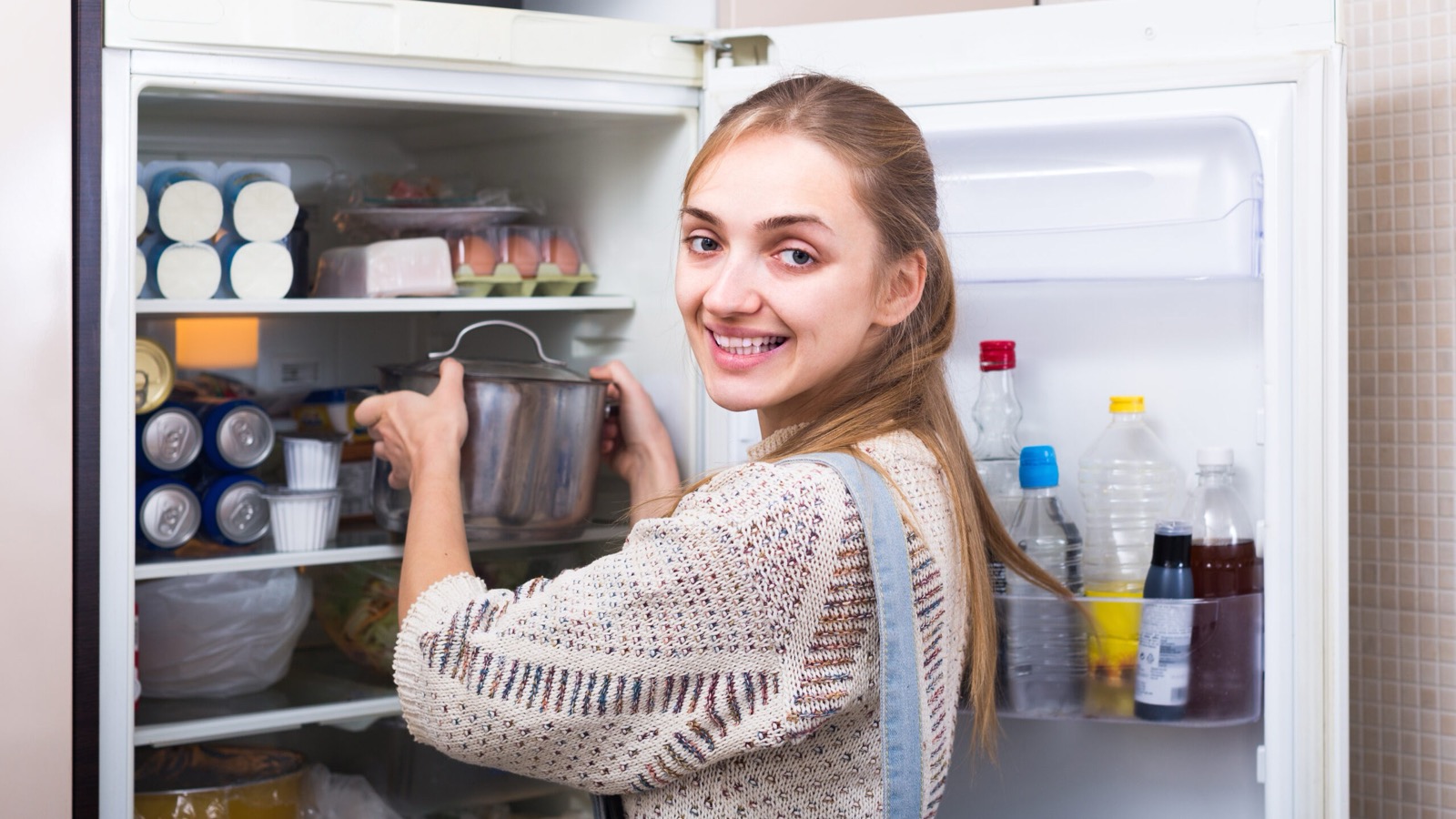
Opening Grandma’s refrigerator in the 1970s was like opening a time capsule. The shelves were crowded with mismatched containers, glass jars and foil-covered dishes, and almost nothing was thrown away. There might be a bowl of leftover pot roast, a jar of homemade pickles and a margarine tub that definitely didn’t contain margarine.
Grandmothers of that era had lived through the Great Depression and World War II rationing, and they knew how to stretch every bit of food. Their refrigerators reflected a lifetime of thrift, practicality and old-fashioned cooking. Many of the items inside would be hard to find in most refrigerators today.
The refrigerator itself might have been harvest gold or avocado green, with a little freezer compartment at the top that was perpetually frosted over. If you grew up visiting Grandma in the 1970s, these will probably bring back memories. Here are things that seemed to be in every grandma’s refrigerator.
1. Margarine Tubs Full of Leftovers
The most famous feature of Grandma’s refrigerator was the margarine tub that held anything but margarine. Grandmothers reused these plastic tubs, along with Cool Whip containers and cottage cheese cartons, to store leftovers. Opening one was always a surprise. It might contain gravy, chili, mashed potatoes or last week’s green beans.
This habit came from a deep reluctance to waste anything. Plastic food storage containers were less common and more expensive, so reusing tubs made perfect sense. Today, many families still joke about the margarine tub mystery, and some grown grandchildren admit they carry on the tradition.
2. A Jar of Bacon Grease
Many grandmothers kept a jar or can of bacon grease, often by the stove, though some stored it in the refrigerator. They saved every drop of fat from frying bacon and used it to cook eggs, season green beans, fry potatoes and make cornbread. To them, throwing away bacon grease was wasteful.
This habit was especially common in the South, where bacon grease added flavor to countless dishes. Many grandchildren remember the coffee can or old jar sitting in a familiar spot. Some cooks still save bacon grease today for its rich, smoky flavor.
3. Homemade Pickles and Preserves
Grandma’s refrigerator often held jars of homemade pickles, relishes, jams and jellies. Many grandmothers canned produce from their gardens every summer, filling shelves with jars of strawberry jam, bread-and-butter pickles and pickled beets. Opened jars went into the refrigerator.
These homemade treats were a point of pride. Grandmothers often gave jars as gifts to friends and neighbors, and family members looked forward to them every year. Many grandchildren still have fond memories of spreading Grandma’s jam on toast or eating her pickles straight from the jar.
4. Butter in a Butter Dish
Many grandmothers kept butter in a covered butter dish, sometimes in the refrigerator’s special butter compartment. Some refrigerators of the era had a small door with a “butter conditioner” that kept butter slightly softer than the rest of the fridge. Others kept the butter dish on the counter.
Butter was a staple in Grandma’s kitchen, used for baking, cooking and spreading on everything from toast to corn on the cob. Even when margarine became popular, many grandmothers insisted on real butter for special recipes and holiday baking.
5. A Pitcher of Iced Tea or Kool-Aid
A pitcher of iced tea was a fixture in many grandmothers’ refrigerators, especially in the South, where sweet tea was served with nearly every meal. Others kept a pitcher of Kool-Aid for visiting grandchildren, often in bright flavors like cherry, grape or tropical punch.
The pitcher might be glass or brightly colored plastic, and it was refilled constantly during the summer. Grandchildren often remember pouring themselves a cold glass after playing outside. It was one of the small comforts that made Grandma’s house feel welcoming.
6. Leftover Jell-O Salad
Jell-O salads were hugely popular in the 1970s, and Grandma’s refrigerator often held the remains of one. It might be lime gelatin with shredded carrots, cherry gelatin with fruit cocktail or a creamy pink salad made with cottage cheese and whipped topping.
These salads were served at family dinners, church potlucks and holiday meals. Leftovers sat in the refrigerator for days, often in a covered dish or on a plate wrapped in plastic. Many grandchildren have mixed feelings about these salads today, but they were a beloved part of the era.
7. Eggs in the Door
Older refrigerators often had special egg trays built into the door, with little round slots for each egg. Grandmothers transferred eggs from the carton into these trays, arranging them neatly. Many grandchildren remember carefully taking out an egg for Grandma when she was baking.
Some grandmothers also kept fresh eggs from local farms or their own chickens. Eggs were a kitchen essential, used for breakfast, baking and making deviled eggs for family gatherings. The egg tray in the door is a feature many people still remember fondly.
8. Condiments in Glass Bottles
Grandma’s refrigerator door was usually crowded with condiments. Ketchup, mustard, mayonnaise, horseradish, chili sauce and salad dressings filled the shelves, many in glass bottles or jars. Some bottles had been there so long that nobody could remember when they were opened.
Homemade salad dressings were common too, often stored in old jars. A bottle of French dressing or Thousand Island was a staple for salads. Many of these condiment brands are still around today, though most have switched to plastic squeeze bottles.
9. Foil-Covered Dishes
Grandmothers often covered dishes with aluminum foil before putting them in the refrigerator. A casserole dish covered in foil might hold leftover macaroni and cheese, a ham or a dessert. Some grandmothers even reused foil, carefully smoothing it out for another day.
Foil-covered dishes were a sign of a busy kitchen. Grandma always seemed to have something ready to warm up for unexpected visitors or hungry grandchildren. Opening the refrigerator often meant peeking under foil to see what treasures were waiting.
Why Grandma’s Refrigerator Was Different
Grandmothers in the 1970s had grown up in a time when food was precious and waste was unthinkable. Many remembered the hardships of the Great Depression and the rationing of World War II. Those experiences shaped their kitchen habits for the rest of their lives.
Refrigerators themselves were also different. Many older models were smaller, with limited freezer space and fewer specialized compartments. Grandmothers made the most of every inch, packing shelves tightly and finding creative ways to store food. You can read more about how refrigerators changed American kitchens over the decades.
A Lasting Legacy
Many grandchildren carry Grandma’s refrigerator habits into their own kitchens. They might save margarine tubs, keep a jar of bacon grease or always have a pitcher of tea ready. These small habits are a way of honoring the women who taught them how to cook and care for a family.
For people who grew up visiting Grandma in the 1970s, opening her refrigerator was part of the experience. It was full of surprises, leftovers and love. Even if the contents were sometimes mysterious, they always reminded you that there would be plenty to eat at Grandma’s house.