10 Shocking Mistakes You’re Making That Are Worsening Your Liver Enzyme Levels
If your liver enzymes are elevated, it’s more than just a number on a lab report; it’s a warning sign from your body. Elevated liver enzymes can indicate liver stress or damage, often from common but overlooked lifestyle habits. The good news? You can make changes to support your liver’s health. In this article, we’ll dive into 10 surprising mistakes that could be making your liver struggle, and show you how small, impactful changes can make a big difference.
Overlooking Liver-Supporting Foods

It’s easy to overlook the power of food when it comes to liver health, but certain fruits and vegetables can play a critical role in keeping liver enzymes in check. Foods like beets, spinach, and avocado provide antioxidants, healthy fats, and essential vitamins that promote liver detoxification. If you’re not incorporating these liver-loving foods into your diet, you’re missing a key opportunity to naturally lower enzyme levels and boost overall liver function.
Ignoring Hydration Needs
Dehydration is one of the most underestimated contributors to poor liver health. When your body is dehydrated, your liver has to work harder to flush toxins, which can elevate enzyme levels. Drinking plenty of water throughout the day helps your liver function more efficiently and allows it to perform its detoxification tasks without extra strain. Don’t wait until you’re thirsty; keep water on hand and drink consistently to help your liver thrive.
Relying on Processed Foods

While processed foods may be convenient, they are also high in unhealthy fats, sugars, and preservatives that strain the liver. These foods increase fat buildup in the liver, leading to fatty liver disease and higher enzyme levels. By choosing whole, unprocessed foods instead, you give your liver a much-needed break and allow it to function at its best. Try incorporating lean proteins, fresh vegetables, and whole grains into your meals to support healthy liver function.
Not Getting Enough Exercise
Regular physical activity is crucial for maintaining liver health. Sedentary behavior is associated with higher liver fat levels, which can lead to fatty liver disease and elevated liver enzymes. A lack of movement can also slow your metabolism, making it harder for your body to eliminate toxins. Aim for at least 30 minutes of moderate exercise each day to help lower liver enzyme levels and promote overall health.
Excessive Alcohol Consumption
Excessive alcohol intake is a well-known risk factor for liver damage and enzyme elevation. Alcohol puts a strain on the liver as it works to break it down, which can lead to inflammation and long-term liver damage. Moderating your alcohol consumption, or avoiding it altogether, gives your liver the best chance at staying healthy. If you’re concerned about your liver health, it’s important to reduce or eliminate alcohol from your lifestyle.
Skipping Meals or Fasting Too Often
Skipping meals or frequent fasting can disrupt your liver’s metabolism and increase stress on the organ. When you don’t eat regularly, your body enters survival mode, prompting the liver to release excess glucose, which can raise enzyme levels. Aim to maintain a balanced, consistent eating schedule to avoid overloading your liver. Eating smaller, more frequent meals helps keep enzyme levels in check.
Overuse of Over-the-Counter Medications
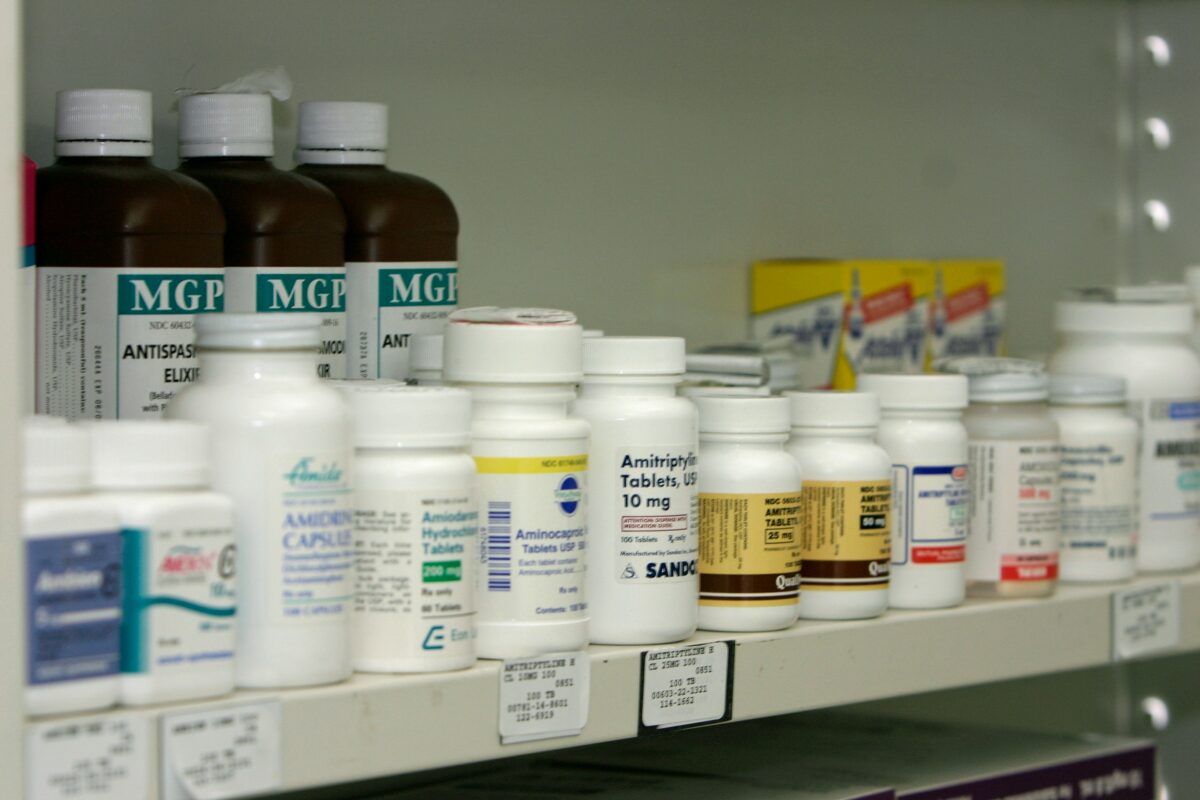
Many over-the-counter medications, including painkillers like acetaminophen, can be toxic to the liver when taken in large quantities or for prolonged periods. These medications can cause liver damage, increasing enzyme levels, and impairing liver function. If you need to take pain medication, be mindful of the dosage and duration. Always consult with a healthcare provider before using any medication long-term.
Eating Too Much Sugar
Consuming too much sugar, particularly refined sugars, can lead to fatty liver disease and an increase in liver enzyme levels. Sugar is processed by the liver, and excessive intake causes fat to accumulate within liver cells. Reducing your sugar intake not only helps lower liver enzyme levels but also improves your overall health. Consider replacing sugary snacks with healthier options, such as fruit or nuts, to support liver health.
Stressing Your Body With Lack of Sleep
Sleep is essential for detoxification and cell repair, especially for the liver. Chronic lack of sleep puts stress on your body and elevates cortisol levels, which can, in turn, raise liver enzymes. When you get adequate sleep, your liver has more time to repair and detoxify naturally. Aim for 7-9 hours of sleep per night to ensure your liver is functioning at its best.
Not Consulting a Healthcare Professional

If you’re experiencing elevated liver enzymes, ignoring the problem or relying on online advice could be a costly mistake. Only a healthcare professional can accurately diagnose the cause of elevated liver enzymes and recommend appropriate treatments. If you’ve noticed any liver-related symptoms or have concerns about your liver health, seeking expert advice is crucial. Early intervention can help prevent further damage and improve liver function.
Conclusion
Your liver is an essential organ that works tirelessly to keep your body clean and functioning properly. But small, everyday mistakes can strain this hardworking organ, leading to elevated liver enzyme levels and long-term health issues. By making simple changes, like eating liver-friendly foods, staying hydrated, exercising regularly, and moderating alcohol intake, you can reduce liver stress and support healthy enzyme levels. Take control of your liver health today and avoid common mistakes that could be silently damaging it.