8 Ways Food Inflation is Changing What We Eat, and It’s Not for the Better
As food prices skyrocket, many people are feeling the pinch in their wallets. But it’s not just the cost that’s changing; food inflation is altering the very way we eat, often for the worse. While price hikes are a natural part of economic cycles, their impact on consumer behavior and eating habits has been both immediate and drastic.
From prioritizing convenience over nutrition to turning to lower-quality ingredients, food inflation is reshaping diets worldwide, especially in developed countries. Here’s how the rise in food prices is steering us toward a less healthy, more unsustainable future.
The Price of Healthy Foods is Out of Reach
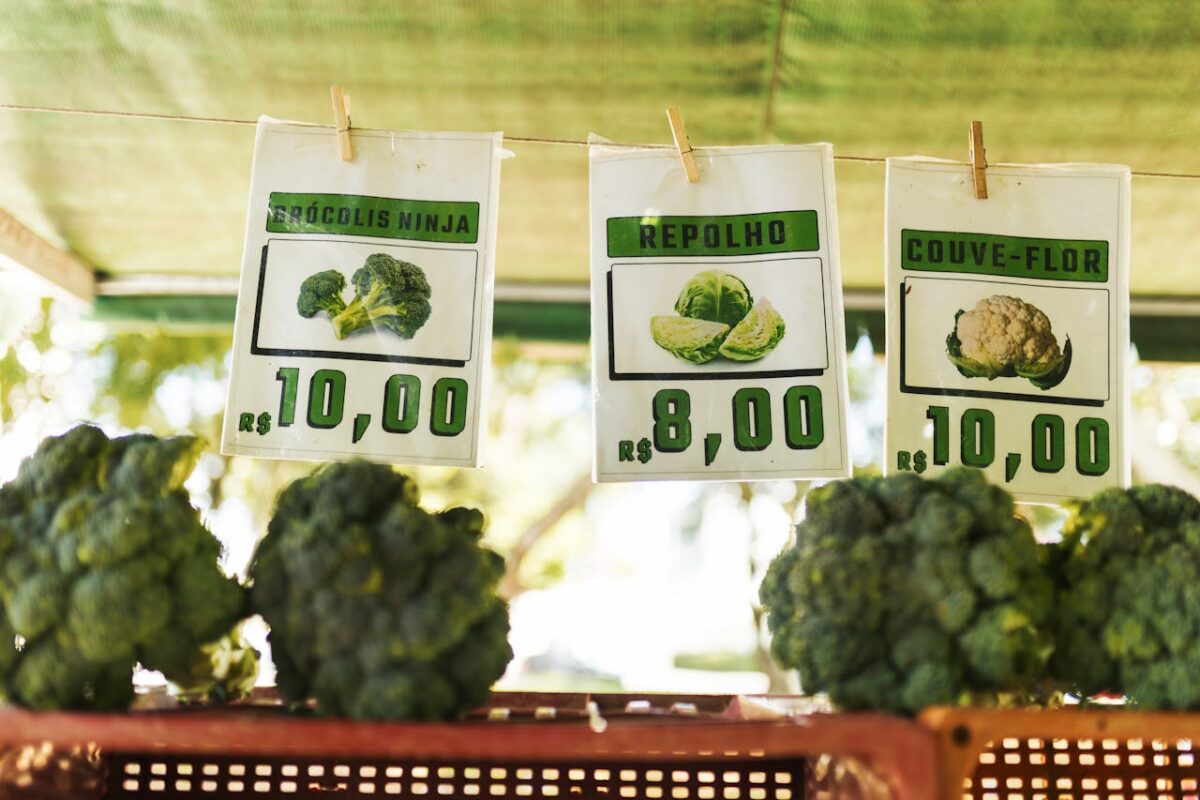
A critical consequence of food inflation is the unaffordability of healthier options. Fresh fruits, vegetables, and lean proteins have always been viewed as cornerstones of a balanced diet, but they’re rapidly becoming luxuries. For many families, the surge in prices is pushing them away from nutrient-dense, whole foods and towards cheaper, calorie-dense options. Organic produce, free-range meats, and plant-based alternatives that once seemed attainable are now priced out of reach for the average consumer.
This shift isn’t just about personal choice; it’s also about survival. Many people simply can’t afford to spend more at the grocery store. As a result, they opt for processed foods and cheap fillers,items packed with preservatives, unhealthy fats, and refined sugars. These foods are not only less nutritious but can contribute to long-term health issues, including obesity, heart disease, and diabetes. What once felt like a healthy lifestyle now seems unattainable for many households.
Processed and Packaged Foods Are On the Rise
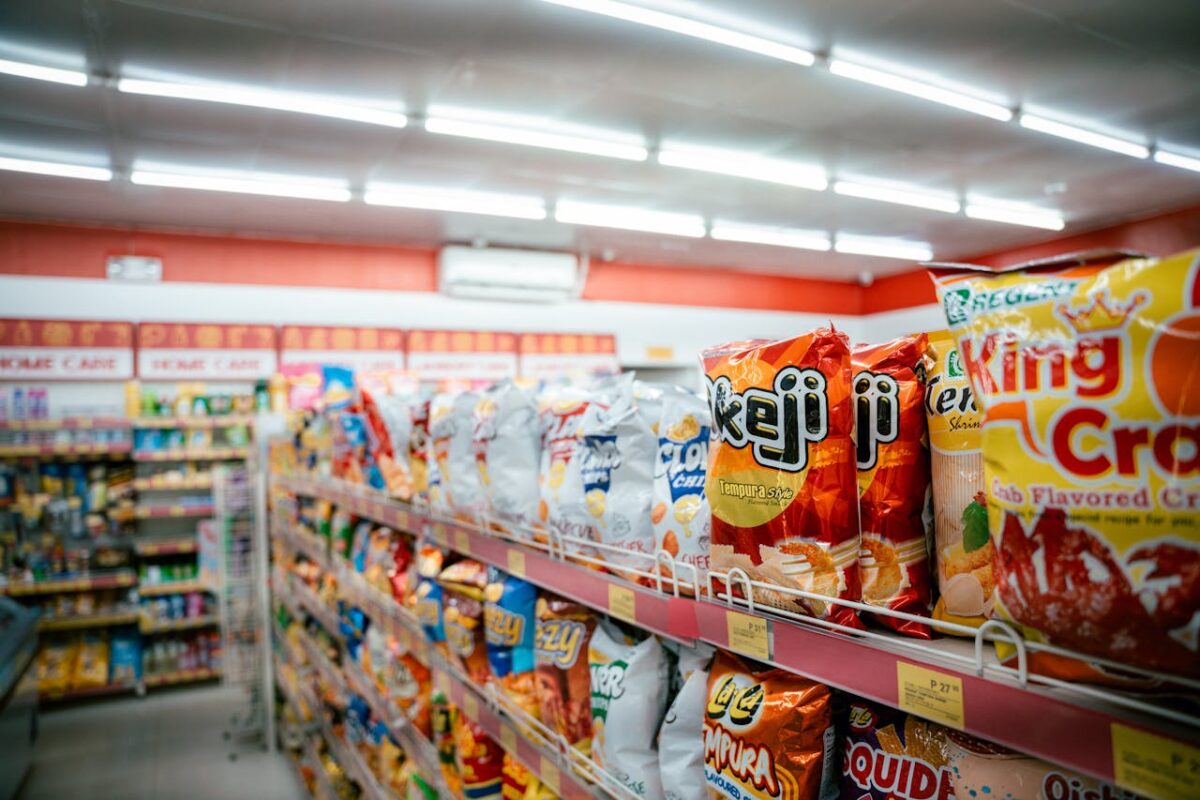
As healthier options become increasingly expensive, there’s been a marked rise in the consumption of processed and packaged foods. These foods, often laden with unhealthy additives and chemicals, are convenient and inexpensive. But their long-term effects are troubling. Not only are they less nutritious, but they also contribute significantly to the obesity epidemic.
Inflation has made it more difficult for people to cook from scratch, so pre-packaged meals, ready-to-eat snacks, and fast food chains are becoming the go-to for busy families. These foods are designed to be cheap, shelf-stable, and easy to prepare, making them a quick solution for anyone facing a time crunch. However, these shortcuts come at a cost: their highly processed nature means they are loaded with sodium, sugar, and unhealthy fats. All of this translates to a diet that’s much more damaging to our health over time.
The Push Toward Fast Food
Fast food, already a staple for many, is becoming even more prevalent as food inflation hits hard. Fast food chains offer affordable meals with a quick turnaround, and this convenience factor is incredibly appealing to those struggling with rising grocery prices. While fast food may seem like an economical option, its nutritional content is often questionable, with high levels of fat, sugar, and empty calories.
The price of a fast-food meal often undercuts the cost of preparing a home-cooked meal, especially when time and energy are factored in. It’s no wonder that as grocery prices rise, more people are turning to the drive-thru. However, the long-term health risks of consuming fast food regularly are profound. Aside from the obvious concerns like obesity and heart disease, fast food is linked to other issues such as poor mental health, digestive problems, and even increased cancer risks.
Smaller Portions, But Less Nutritional Value
To cope with soaring prices, many consumers are opting for smaller portion sizes. This might seem like a reasonable way to keep food costs in check, but the nutritional implications are significant. With smaller portions often comes a reduction in food quality, as people choose cheaper, more filling ingredients to stretch their dollars.
Instead of indulging in whole meals with a variety of nutrients, families may rely on smaller portions of less nutritious foods. This shift can lead to nutrient deficiencies, leaving individuals and families with fewer essential vitamins and minerals in their diet. While the total amount of food may decrease, the nutritional value diminishes as well, leaving people less satisfied and more prone to unhealthy snacking or overeating.
A Surge in Processed Meat Consumption
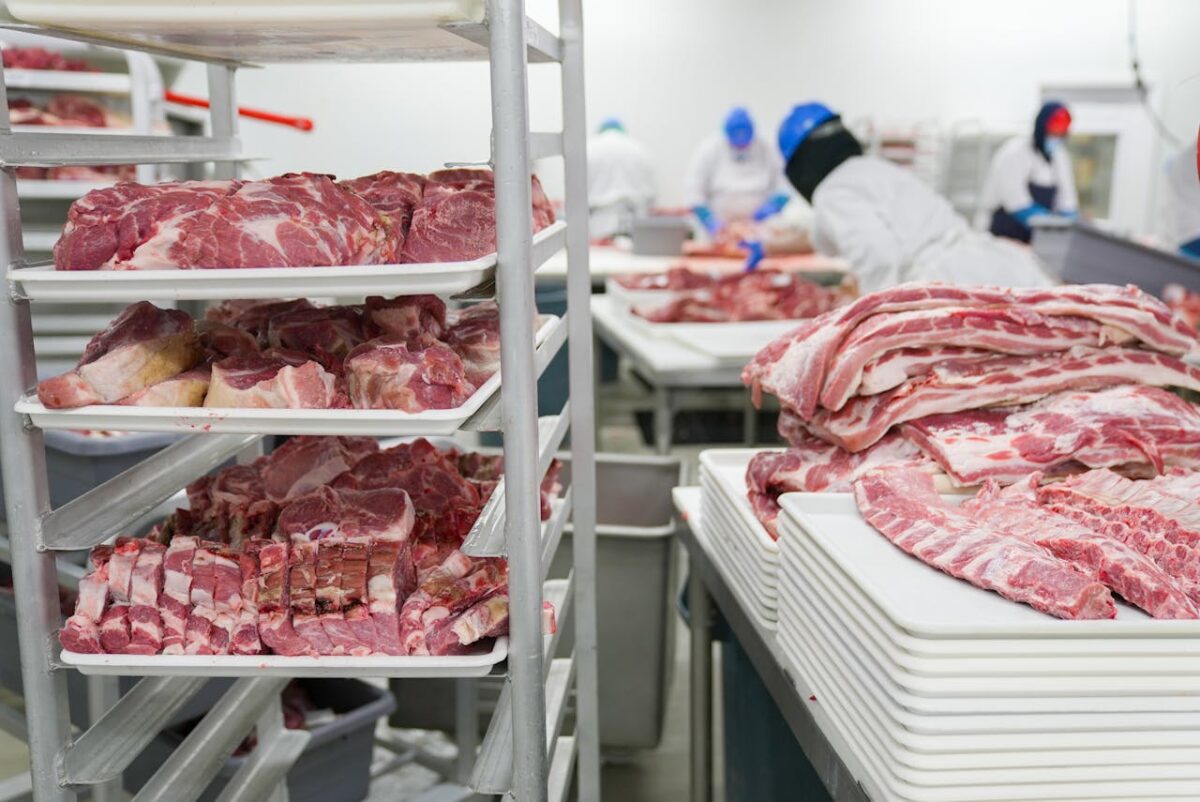
Another byproduct of food inflation is the surge in processed meat consumption. With prices on fresh meats rising, many people are turning to alternatives like hot dogs, sausages, and deli meats, which tend to be more affordable. These processed meats, while often cheaper and more convenient, come with a host of health risks.
Processed meats have been linked to increased rates of heart disease, cancer, and high blood pressure. They are also typically high in sodium and unhealthy fats, which can have detrimental effects on the cardiovascular system. As families opt for these less expensive proteins, they may unknowingly be sacrificing their long-term health. The growing reliance on processed meat as a source of protein highlights the paradox of food inflation: Cheaper often doesn’t mean better.
A Decline in Home-Cooked Meals

Home cooking has been slowly making a comeback over the years, with more people turning to it to ensure healthier meals and bond with family. However, food inflation is threatening to reverse this trend. As food costs rise, fewer families can afford the fresh ingredients needed for home-cooked meals.
The rising prices of essential cooking staples like olive oil, herbs, and spices are driving people towards simpler, less nutritious options. The added pressure of needing to cook efficiently on a budget often leads to the reliance on one-pot dishes, pre-cooked ingredients, and ready-to-eat meals. The intricate and diverse flavors of traditional home-cooked dishes are being replaced by quick, easy, and often unhealthy alternatives. As a result, the quality of family meals is declining, and the benefits of cooking at home are being undermined by financial constraints.
The Growing Popularity of Convenience Foods
With inflation making time a more valuable resource, there’s a growing shift towards convenience foods. These include microwaveable meals, frozen dinners, and meal kits. While these options offer convenience and sometimes a perceived savings, they often come with hidden costs. Many convenience foods are rich in preservatives, artificial flavors, and unhealthy fats.
These foods may seem like a good deal in the short run, but the long-term consequences are concerning. The overreliance on convenience foods can lead to poor health outcomes, including weight gain, poor digestion, and chronic conditions like diabetes. In an effort to save time and money, consumers often sacrifice their health, unaware of the long-term impact these choices can have on their bodies.
The Impact on Sustainability and Environmental Health
Food inflation is also driving consumers to make less sustainable choices. When prices for fresh produce and organic products climb, many individuals turn to cheaper, non-organic options, even if they are less environmentally friendly. The increased demand for processed foods, many of which have a higher environmental footprint, contributes to rising waste, excessive packaging, and an over-reliance on factory-farmed products.
Moreover, the decrease in consumption of locally sourced produce due to high transportation costs is another unintended consequence of inflation. This shift towards low-cost, high-volume foods harms not only our health but also the planet. By choosing cheaper, less sustainable options, we’re compounding the very problem that food inflation exacerbates: environmental degradation.
Conclusion
Food inflation is changing the way we eat, but these changes are not for the better. From rising prices of healthy foods to increased reliance on processed and fast foods, the dietary shifts triggered by inflation are leading to long-term consequences for public health.
As we face rising food prices, it’s important to think critically about how we can adapt without sacrificing the nutritional quality of our diets. While it may seem like a matter of economic necessity, the choices we make today will echo in the health of future generations. It’s time to address the true cost of food inflation,not just at the cash register, but in the long-term toll on our health, environment, and overall well-being.