10 Clever Tricks to Cut Your Grocery Bill Without Sacrificing Quality
Grocery shopping can often feel like an unavoidable drain on your finances. With food prices rising, it’s more important than ever to find ways to cut your grocery bill without compromising the quality of what you buy.
Luckily, there are plenty of clever tricks that can help you save money while still eating well. Here are 10 tips to help you trim your grocery spending while still enjoying nutritious, delicious meals.
Embrace Bulk Buying for Long-Term Savings
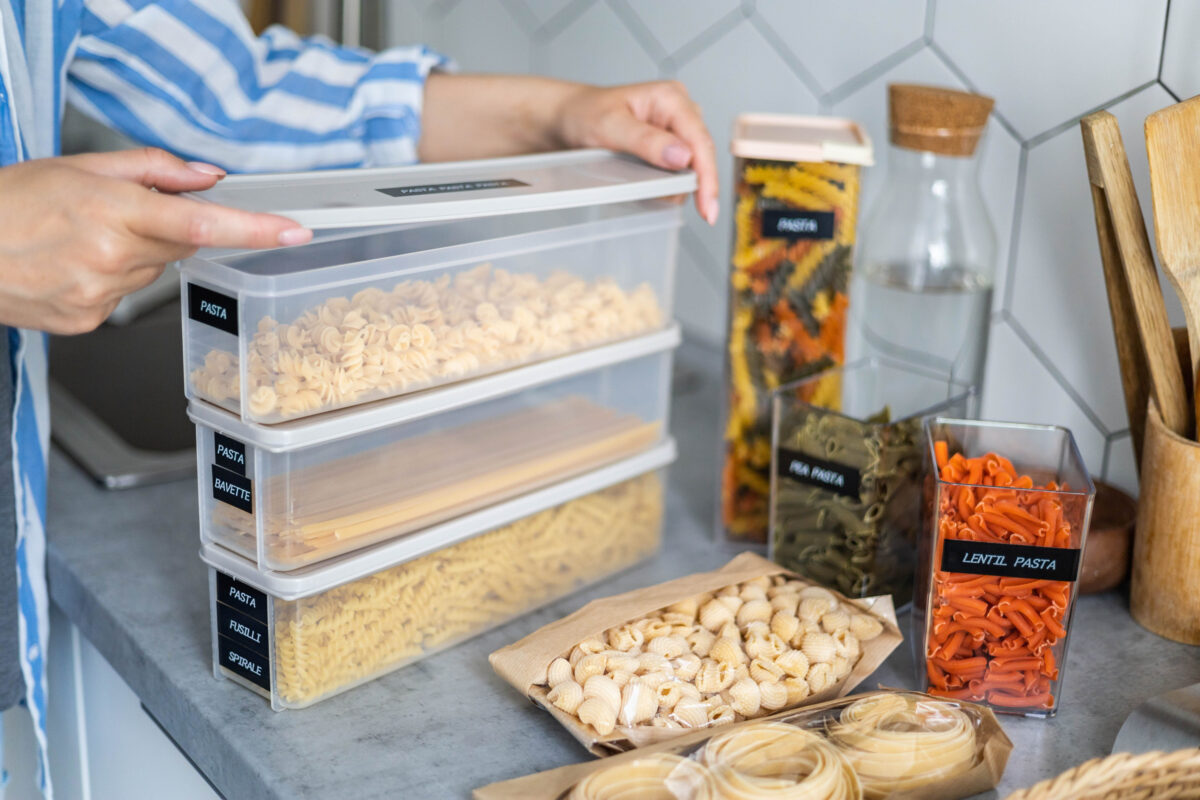
One of the easiest ways to reduce your grocery expenses is by buying in bulk. While the initial cost might seem higher, purchasing non-perishable items like grains, pasta, rice, and canned goods in larger quantities can save you money in the long run. This is especially true for household staples that you use regularly. Bulk buying reduces the need for frequent trips to the store and eliminates packaging costs, making it a cost-effective choice for your budget.
You can also consider buying in bulk if fresh produce is available at your local store. Many stores offer discounts on bulk purchases, particularly if you’re willing to buy in-season items. Freezing produce or storing grains in airtight containers can also extend their shelf life.
Plan Your Meals and Stick to a Shopping List
Meal planning is key to cutting grocery costs. When you know exactly what meals you’re going to prepare for the week, you’re less likely to buy unnecessary items or fall for impulse purchases. Planning helps you focus only on the ingredients you need, and you can also use leftovers creatively to minimize waste. This prevents you from purchasing things you don’t need, saving both time and money.
Start by checking your pantry and fridge to see what you already have. Then create a meal plan using those items, incorporating ingredients that can be used across multiple meals. For instance, buying a big bag of carrots can serve as the base for a salad, soup, and even a stir-fry, reducing your overall grocery costs.
Shop at Discount Stores
Discount grocery stores, such as Aldi or Lidl, often offer the same products as higher-end grocery chains but at a fraction of the price. These stores focus on providing quality goods at lower prices, and by making them your primary grocery store, you could save a significant amount. Many discount stores also offer generic or store-brand products, which are usually cheaper than name brands but often of equal quality.
Before dismissing discount stores, it’s worth checking out their offerings and comparing prices. You may find that the savings add up without sacrificing quality. Also, don’t forget to take advantage of seasonal discounts and special offers that these stores often run.
Choose Generic or Store Brands

While it may be tempting to reach for your favorite name-brand items, you can often find generic or store brands that are just as good for a lower price. Many generic products are made by the same manufacturers as the big-name brands, but they come at a lower price. Whether it’s canned goods, dairy, or cleaning supplies, store brands usually offer excellent value without compromising on quality.
Don’t be afraid to try generic items, especially for staple products that don’t need to be the “best of the best.” Once you find a few generics that work for you, it’s easy to save consistently with each shopping trip.
Buy Frozen Produce Instead of Fresh
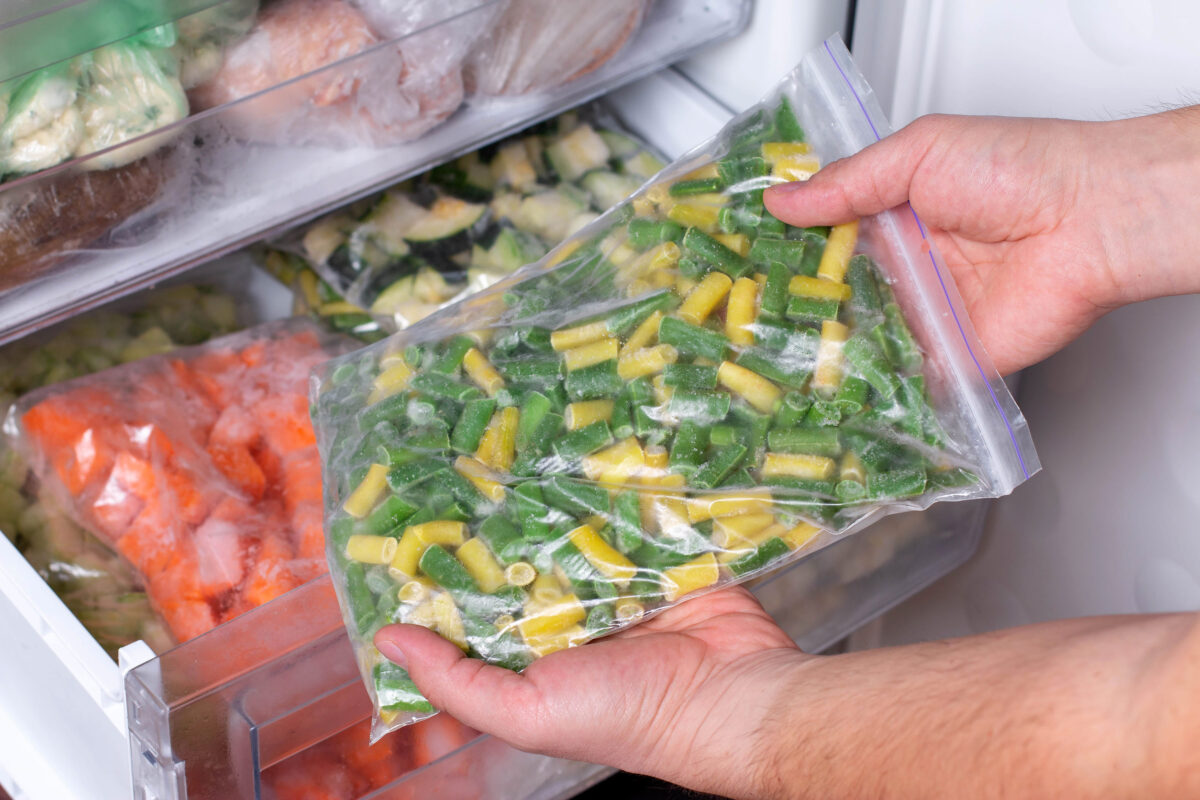
While fresh produce often takes the spotlight, frozen fruits and vegetables can be just as nutritious and much cheaper. In fact, frozen produce is picked at peak ripeness and frozen immediately, preserving its nutrients and flavor. This makes frozen produce an excellent option for saving money while still getting all the health benefits.
Frozen vegetables like spinach, peas, and carrots can be used in a variety of dishes, and they last much longer than their fresh counterparts. You can also stock up when they’re on sale and keep them in the freezer for later use.
Take Advantage of Loyalty Programs and Coupons
Grocery stores often offer loyalty programs that give you discounts or rewards for shopping with them regularly. Signing up for these programs can help you save money on your grocery bills in the long term. Some stores offer rewards for every dollar spent, which can be redeemed for discounts, free products, or other perks.
Additionally, don’t overlook the power of coupons. Many stores offer digital or paper coupons that you can apply to your purchases. You can find coupons in newspapers, store flyers, and even online coupon websites. Combining store discounts with coupons can result in substantial savings.
Buy In-Season Produce
The price of fruits and vegetables fluctuates with the season, with in-season produce much cheaper than out-of-season options. By buying produce when it’s in season, you can enjoy fresher, more affordable produce. For example, apples, squash, and pumpkins are great in the fall, while berries and cucumbers are perfect for summer.
Keep an eye on seasonal produce guides so you know when certain fruits and vegetables are at their best. You can even use this knowledge to plan meals around the produce that’s on sale, maximizing both savings and taste.
Avoid Pre-Packaged Convenience Foods
Pre-packaged convenience foods like salad kits, frozen meals, and pre-cut veggies might seem convenient, but they’re often significantly more expensive than buying the ingredients and preparing them yourself. For example, a bag of pre-washed salad greens costs much more than buying a head of lettuce and washing it yourself.
By avoiding pre-packaged foods, you can save a significant amount of money. While it may take a little more time to prepare meals, the savings are well worth the effort, and you’ll also have control over the quality of ingredients that go into your dishes.
Reduce Meat Consumption and Incorporate More Plant-Based Meals
Meat is often one of the most expensive items on a grocery bill. While it’s an essential part of many meals, reducing your meat consumption can help cut costs without sacrificing quality. Consider incorporating more plant-based meals into your weekly menu, such as vegetable stir-fries, lentil soups, and quinoa bowls.
Beans, lentils, and tofu are excellent sources of protein and can be used to create satisfying meals. Not only will this save you money, but it will also provide health benefits, such as improved digestion and a lower risk of chronic diseases.
Shop Smart with Online Grocery Services
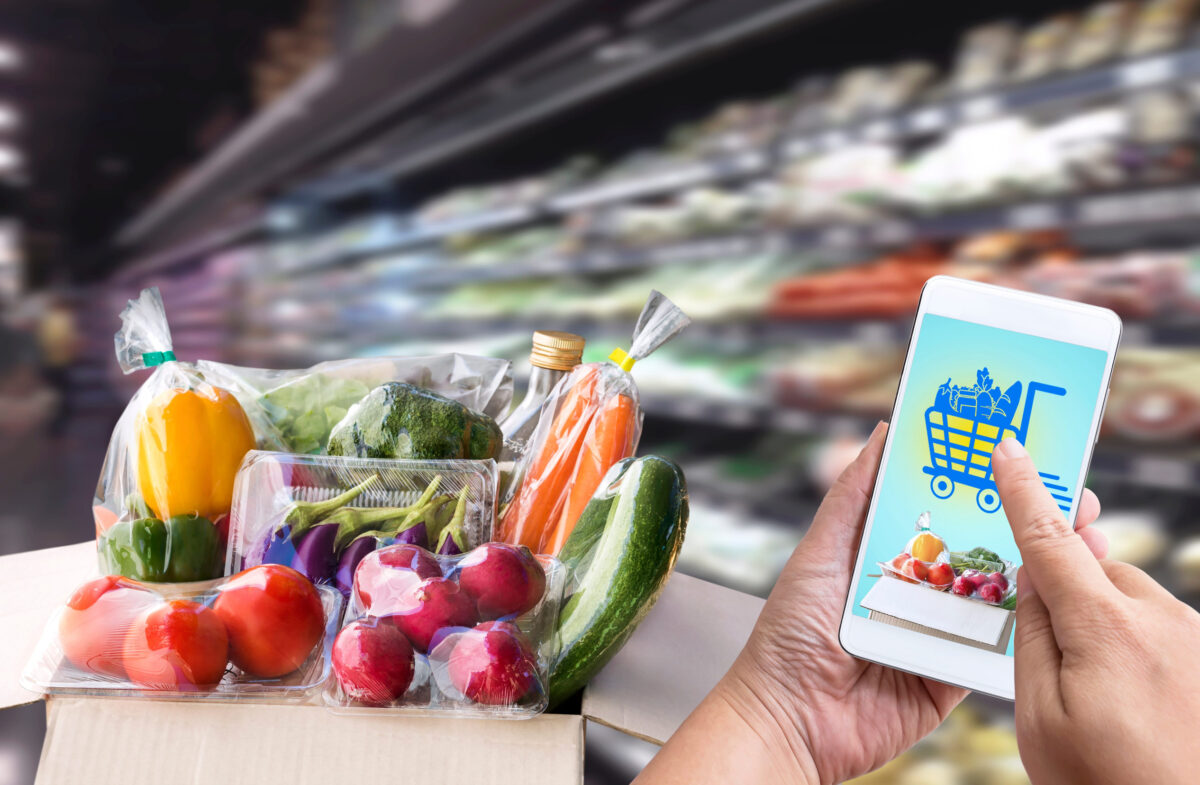
Online grocery shopping can be a game-changer for saving money. Many online grocery services offer price comparisons and promotions, making it easier to find the best deals. You can also avoid impulse buying, which is a common problem when shopping in-store.
Make sure to check for free delivery promotions and bulk discounts when ordering online. Some services even allow you to set up recurring orders for essential items, ensuring you never run out of your most-used products while also taking advantage of discounts.
Conclusion
Cutting your grocery bill doesn’t have to mean sacrificing quality. By being strategic with your shopping, taking advantage of discounts, and being mindful of how you prepare meals, you can reduce your grocery expenses while still eating nutritious, delicious food.
It’s about making smarter choices, from bulk buying to planning meals ahead, that allow you to save money without compromising on the meals you love. Whether you’re cooking from scratch, choosing in-season produce, or embracing frozen foods, these clever tricks can help you stretch your grocery budget further without skimping on the quality of your food.