7 Hidden Financial Consequences of Global Conflict Americans Are Ignoring
Global conflicts often feel distant, far removed from our daily lives and financial decisions. But here’s the hard truth: the ripple effects of international tension and war have already started to creep into your wallet.
You might not notice it in your paycheck or at the bank, but slowly, rising costs in gas, food, and even debt are silently eating away at your financial security. By the time it hits home, it could be too late to undo the damage.
In this article, we’ll uncover the 7 hidden financial consequences of global conflict that many Americans are ignoring.
The Inflation You Can’t Escape

When global tensions rise, inflation is often the first sign you’ll notice in your daily life. Prices go up, and it feels like everything from your gas tank to the grocery store has suddenly become more expensive. What many don’t realize is that inflation driven by global conflict isn’t just a spike, it’s a sustained, sticky rise in prices that can stretch over months or even years.
Higher oil prices, disrupted food supplies, and tighter labor markets all contribute to inflation. And the worst part? The ripple effect of these increases is usually felt long before the general public catches on.
Your Energy Bill Just Went Through the Roof
Energy prices are the first place many Americans feel the sting of global conflict. Oil and gas are global commodities, meaning any disruption, whether from conflict, sanctions, or trade interruptions, directly affects the prices you pay at the pump and in your home.
Rising energy costs often trigger a chain reaction across other sectors. For example, higher fuel prices increase transport costs, raising the cost of goods and services. Suddenly, that $3 latte feels like a small fortune, and your weekly grocery trip adds up faster than you’d like.
Debt Just Became More Expensive

When global conflicts create economic uncertainty, the effects trickle into your finances in the form of higher interest rates. This means that your credit cards, loans, and mortgages become more expensive to carry.
In fact, when the Federal Reserve responds to inflation with higher interest rates, borrowing becomes costlier. So, while your credit card balance might have seemed manageable a few months ago, now you’re paying more just to carry that debt, and the financial burden can get worse before it gets better.
Your Retirement Accounts Are More Vulnerable Than Ever
If you’ve checked your retirement account lately and wondered why it feels like the markets are all over the place, global conflict might be partially to blame. Geopolitical instability can shake investor confidence, leading to higher volatility in the stock market.
This means that even the most carefully planned 401(k) or IRA could take a hit. While stocks have historically bounced back from downturns, it can be tough to watch your retirement savings swing wildly, especially when you’re counting on them to support you later in life.
Imported Goods Are About to Get More Expensive

While your local shop may not charge a “global conflict surcharge,” make no mistake: international tensions affect the cost of imported goods. Shipping disruptions, higher fuel prices, and the cost of securing cargo routes all contribute to rising prices on everything from electronics to clothing.
Even if you’re shopping in person, you’re not immune. Small businesses are often the first to feel the squeeze when wholesale costs rise, and they may pass those costs directly onto you in the form of higher prices. That “bargain” you found online might not be such a good deal after all.
Insurance and Cybersecurity Costs Are on the Rise
The costs of insuring both businesses and personal property can increase as global risks heighten. Companies, particularly those in high-risk industries, are facing steeper premiums. Whether it’s for your car, home, or health, the rise in insurance costs could become an ongoing financial headache.
Cybersecurity, too, is feeling the effects of global unrest. As businesses and even governments become targets of cyberattacks, companies are forced to invest more in protecting themselves, which, in turn, gets passed on to consumers. Your data might not be the only thing being protected; the price of that protection is rising, too.
Public Spending and Taxes Could Take a Hit
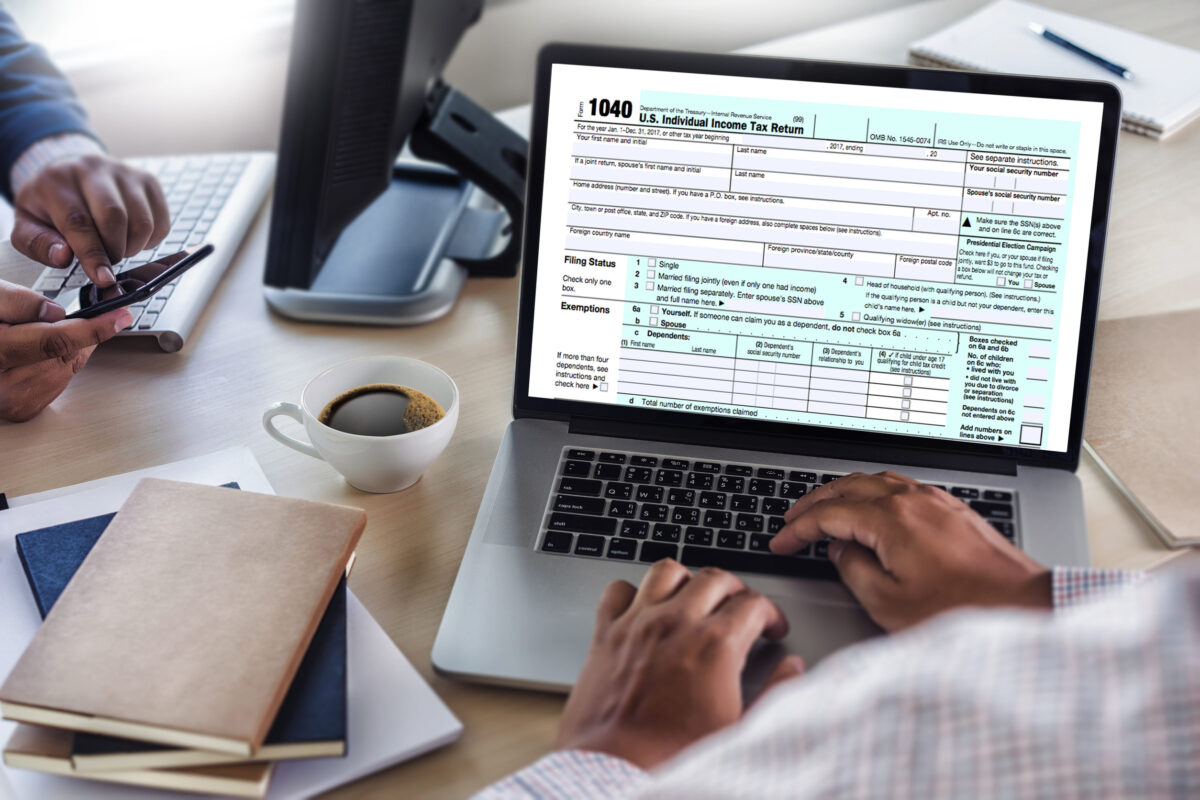
Government spending is another area that is affected by global conflict. As more funds are directed toward military and defense needs, domestic priorities like healthcare, education, and infrastructure could face cuts. Over time, this may lead to changes in taxes or fees, putting even more pressure on household budgets.
As the U.S. borrows more to fund these needs, interest rates may rise, further adding to the cost of government debt. This can make everyday services and programs more expensive, impacting citizens from all walks of life.
Conclusion
While it’s easy to assume that global conflict only affects the headlines, the reality is that it quietly seeps into your financial life in numerous ways. From rising pump prices to higher loan interest rates, global tensions are already reshaping the American financial landscape.
However, with a proactive mindset, you can mitigate the financial risks. Keep an eye on your budget, monitor prices closely, reduce unnecessary debt, and protect your retirement plan. By staying informed and planning ahead, you can safeguard your finances, even when the world seems unpredictable.