Democratic Party Faces a Major Identity Fight as Josh Gottheimer Challenges Zohran Mamdani’s Socialist Vision
A growing battle over the future of the Democratic Party is unfolding as Rep. Josh Gottheimer pushes back against New York City mayoral candidate Zohran Mamdani, accusing him of representing a socialist movement that is trying to reshape the party’s identity. The clash goes beyond one candidate or one election, revealing a deeper divide between Democrats who want a more progressive direction and those who believe the party must remain closer to its traditional approach.
The disagreement highlights some of the biggest debates facing Democrats today, including public safety, capitalism, housing affordability, foreign policy and the role of government. As progressive candidates gain influence in major cities, party leaders are increasingly confronting a difficult question: should Democrats move further left to energize younger voters, or maintain a broader coalition that appeals to moderates and independent voters?
The Fight Over What the Democratic Party Should Become
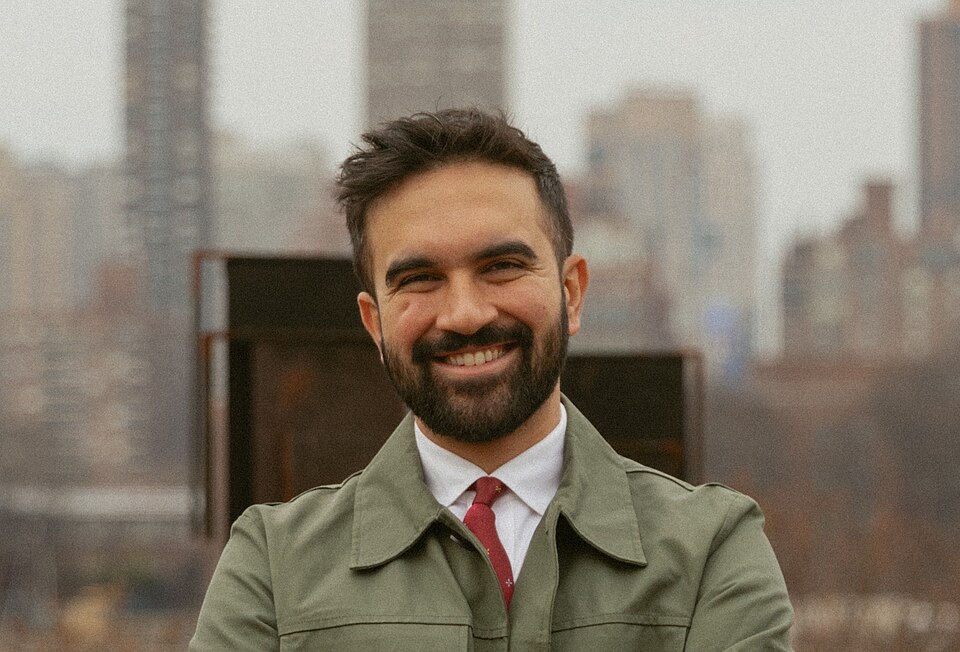
Rep. Josh Gottheimer of New Jersey said he does not view Zohran Mamdani as a Democrat, arguing that the candidate’s democratic socialist views place him outside the mainstream of the party. Gottheimer accused socialist activists of attempting to “hijack” the Democratic Party by promoting ideas he believes conflict with traditional Democratic values.
The criticism reflects a larger ideological struggle that has intensified within the party. Democrats today include moderates focused on economic growth, public safety and institutional stability, as well as progressives calling for major changes to housing, healthcare, labor policy and economic systems. The disagreement is not simply about individual politicians but about the direction Democrats want to take in the coming years.
Why Democratic Socialism Has Become a Growing Force in Major Cities
Mamdani represents a political movement that has gained more attention in urban areas where voters are struggling with rising costs and economic pressures. Democratic socialists often campaign on issues such as affordable housing, expanded public services, stronger worker protections and greater government involvement in addressing inequality. Supporters argue that traditional political approaches have failed to solve problems facing many working families.
They believe government should play a larger role in making housing, transportation and basic services more accessible. Critics, however, argue that socialist policies could create economic challenges and move Democrats away from the values that have historically attracted moderate voters. The disagreement over Mamdani reflects a national debate over whether progressive ideas are the future of the party or a political risk.
Why New York City Has Become the Center of the Democratic Party Debate
New York City has become one of the most important battlegrounds in the debate over Democratic identity. The city faces major challenges involving housing costs, affordability, public safety and quality-of-life concerns, making it a place where different political solutions compete for attention. For progressive candidates, these challenges create an opportunity to argue that the city needs bold changes.
They point to expensive housing, income inequality and frustrations among younger voters as evidence that traditional policies are not enough. Moderate Democrats counter that cities also need practical solutions focused on effective government management, safer neighborhoods and maintaining economic strength. The disagreement over Mamdani reflects competing visions for how major American cities should be governed.
The Democratic Divide Over Crime, Police and Public Safety
One of Gottheimer’s strongest criticisms involved Mamdani’s views on law enforcement and criminal justice. Gottheimer argued that Mamdani has taken positions that are too critical of police and prisons, raising concerns about whether his approach would address public safety issues. Crime and policing have become some of the most divisive issues within the Democratic Party.
Progressive activists have pushed for police reform, greater accountability and changes to the criminal justice system, arguing that communities need alternatives to traditional enforcement methods. Moderate Democrats have increasingly emphasized that voters want safe neighborhoods and effective law enforcement. They argue that reforms should not come at the expense of public security, especially in large cities where residents often rank crime as a major concern.
The Israel Debate Has Created Another Divide Inside the Party
The disagreement between Gottheimer and Mamdani also centers on foreign policy, particularly Mamdani’s position regarding an International Criminal Court arrest warrant for Israeli Prime Minister Benjamin Netanyahu. Mamdani has argued that international law should apply universally and that leaders accused of serious crimes should face accountability. Gottheimer criticized Mamdani’s focus on the issue, arguing that the candidate should prioritize local responsibilities if elected mayor.
He also accused Mamdani of applying inconsistent standards by focusing on Israel while not addressing other countries accused of serious violations. The debate reflects a broader division among Democrats over U.S. policy in the Middle East. Some members emphasize Israel’s security and America’s alliances, while others focus more heavily on international accountability and human rights concerns.
The Reality Check Behind Campaign Promises and Mayoral Power
Mamdani later acknowledged that a New York City mayor does not have the authority to independently arrest a foreign leader based on an international warrant. The admission highlights a common challenge in politics: campaign promises can sometimes collide with the legal limits of government positions.
Mayors control many local issues, including city services, budgets, infrastructure, and public safety policies. However, foreign policy decisions remain primarily controlled by the federal government. The situation illustrates how candidates must transition from broad campaign messages to the practical realities of governing. Once elected, leaders often face limits that were less visible during political campaigns.
Why the Battle for Working-Class Voters Is Reshaping Democratic Politics
The debate between moderates and progressives is also connected to the Democratic Party’s effort to win and maintain support among working-class voters. Economic concerns, inflation, and the cost of living have become major issues influencing voters across the political spectrum. Progressive Democrats argue that stronger government action is necessary to address economic inequality and rising expenses.
They believe policies focused on wages, housing, and public investment can rebuild support among struggling communities. Moderates argue that Democrats must also focus on economic growth, business confidence and practical solutions that appeal to a wider range of voters. The disagreement shows that the party is still searching for the strongest message to connect with Americans.
The Generational Divide Driving Democratic Politics Forward

The rise of candidates like Mamdani has also highlighted differences between younger and older Democratic voters. Younger voters are often more supportive of major changes to economic and political systems, while older Democrats have frequently shown more caution toward dramatic shifts. This generational divide is shaping debates over capitalism, climate policy, housing and foreign affairs.
Progressive candidates have found energy among younger activists who believe traditional politics has failed to address modern challenges. At the same time, party leaders must consider whether those messages can appeal beyond activist communities and win support from broader groups of voters.
Why This Democratic Fight Could Shape Future Elections
The conflict between Gottheimer and Mamdani represents a larger struggle over the Democratic Party’s future direction. The outcome of that debate could influence how Democrats approach elections, policy decisions and their relationship with voters. Progressives believe the party must embrace a new vision built around economic reform and social change.
Moderates argue that Democrats need a broader message focused on security, affordability and practical governance. As the party continues to debate its identity, the disagreement between Gottheimer and Mamdani shows that one of the biggest political battles in America may be happening inside the Democratic Party itself. The question is not only who wins individual elections, but what kind of Democratic Party emerges in the years ahead.