10 Refrigerator Mistakes That Put Food at Risk
The refrigerator is a staple in every kitchen, a device designed to preserve food and keep it as fresh as possible. However, many of us aren’t aware that the way we store food in the fridge can be doing more harm than good.
From improper placement to neglecting maintenance, certain refrigerator habits can compromise food safety and lead to spoilage, contamination, or even foodborne illnesses. Let’s explore 10 common refrigerator mistakes that could be putting your food at risk.
Overloading Your Refrigerator
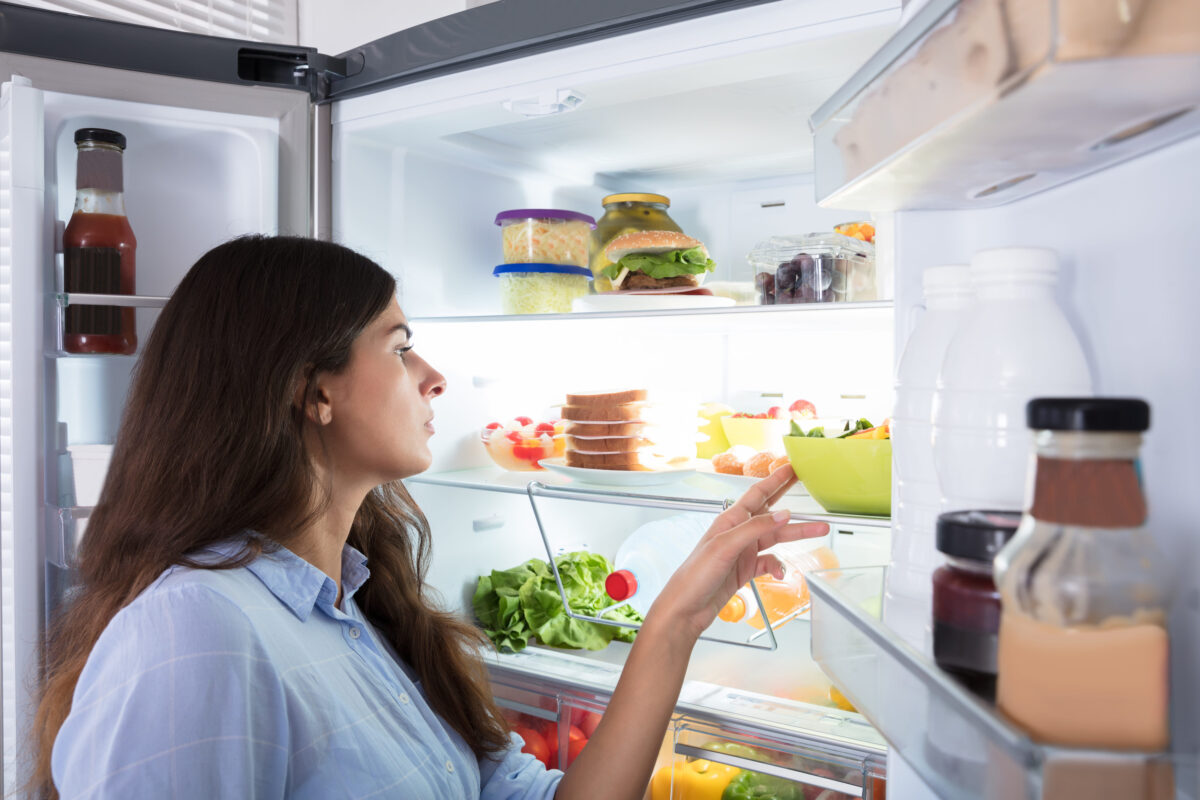
It’s tempting to stuff the fridge full of groceries after a big shopping trip, but overloading your refrigerator is one of the worst things you can do. When the fridge is packed too tightly, the cold air can’t circulate effectively, leading to uneven cooling. This makes some areas colder than others, which could cause certain foods to spoil faster. To avoid this, always leave some space between items to allow proper airflow and make sure the fridge’s vents aren’t blocked.
If you need more storage, consider investing in a fridge with better organization options or even an extra freezer for bulkier items like frozen meals or extra meats. Avoid cramming too many items into one section, as a lack of airflow can lead to poor temperature regulation.
Storing Raw Meat on the Top Shelves

It’s easy to assume that storing raw meat on the top shelves of the fridge is okay, but it can be a dangerous mistake. If raw meat is stored improperly, its juices can drip onto other foods, leading to cross-contamination. Bacteria from meat can spread to ready-to-eat foods, increasing the risk of foodborne illnesses such as Salmonella or E. coli.
The best practice is to place raw meat, poultry, and seafood on the bottom shelf, ideally in a separate tray or container to catch any drips. This ensures that no other foods, especially fresh produce or leftovers, are contaminated by the raw meat’s juices.
Not Maintaining the Correct Temperature
Many people don’t realize that the temperature of their fridge is crucial for food safety. The ideal fridge temperature is between 37°F (3°C) and 40°F (4°C). If the fridge is too warm, it can cause food to spoil more quickly. On the other hand, if it’s too cold, items like fruits and vegetables may freeze, ruining their texture and taste.
To ensure your fridge is at the right temperature, use a fridge thermometer and check it regularly. Adjust the thermostat if necessary to maintain a consistent temperature. Also, remember that opening the fridge door frequently can cause temperature fluctuations, so try to minimize how often you open it throughout the day.
Ignoring Expiration Dates
Expiration dates and “use by” dates are not merely suggestions; they are critical to ensuring the safety of your food. Keeping expired items in the fridge can lead to unpleasant odors, mold growth, and even foodborne illness. However, it’s not just about dates. Foods can often spoil or lose their freshness long before these dates if they aren’t stored properly.
To avoid keeping dangerous foods, regularly clean out your fridge and check both the expiration dates and the condition of items. Items like dairy, meat, and leftovers should be monitored closely, as they are the most prone to rapid spoilage. If in doubt, it’s better to throw out expired food than risk consuming something unsafe.
Storing Produce in the Wrong Drawers
We all know that fruits and vegetables belong in the fridge, but they don’t all belong in the same place. Many refrigerators come with two drawers: one for fruits and one for vegetables. Each of these drawers is designed to maintain different humidity levels for optimal preservation. Fruits tend to do better in a lower-humidity drawer, while vegetables thrive in a higher-humidity environment.
Not sorting your produce correctly can lead to quicker spoilage. For example, fruits like apples and bananas release ethylene gas, which can cause nearby vegetables, such as lettuce and spinach, to wilt faster. To extend the freshness of your produce, separate them by storage requirements and avoid mixing different types of fruits and vegetables in the same drawer.
Placing Hot Food Directly in the Fridge
After cooking a large meal, it’s tempting to throw your leftovers straight into the fridge to cool. However, placing hot food directly in the fridge can raise the appliance’s internal temperature, potentially affecting the safety of other items. Additionally, this can lead to condensation inside containers, which promotes bacterial growth.
To avoid this mistake, let hot food cool to room temperature before refrigerating it. However, do not leave food out for longer than two hours, as bacteria grow rapidly at room temperature. To speed up cooling, consider dividing food into smaller portions so they cool faster.
Not Covering Leftovers Properly
Leaving leftovers uncovered in the fridge can expose them to bacteria and other contaminants, increasing the risk of spoilage or cross-contamination with other foods. It’s essential to store leftovers in airtight containers to maintain their quality and safety. Not only will this protect your food, but it will also prevent odors from spreading throughout the fridge.
Use containers with tight-fitting lids to keep food fresh for as long as possible. For extra security, consider wrapping items in plastic wrap or aluminum foil before placing them in containers. This will help prevent moisture loss and preserve the flavor and texture of your leftovers.
Not Cleaning Your Fridge Regularly
Fridges are often overlooked in regular cleaning. However, the buildup of food crumbs, spills, and expired items can lead to unpleasant odors, mold growth, and cross-contamination. Bacteria can thrive in dirty environments, making it essential to keep your fridge clean to maintain a hygienic storage space.
Make it a habit to clean your fridge every few weeks, wiping down the shelves with a mild cleaning solution. Remove any expired items, spills, or food scraps. Pay special attention to areas like the door seals, where bacteria can accumulate over time. A clean fridge not only promotes food safety but also helps it run more efficiently.
Storing Eggs in the Door

Many people store eggs in the door of their refrigerator because it’s convenient, but this is a mistake. The door is the warmest part of the fridge, and the temperature fluctuates more than in other areas, especially when the fridge is opened frequently. Eggs need to be kept at a consistent, cool temperature to remain fresh and safe to eat.
To keep eggs at their best, store them on one of the middle shelves where the temperature is more stable. This helps maintain their freshness for a longer period. Additionally, ensure eggs are stored in their original carton, as this helps protect them from absorbing odors and bacteria.
Not Using a Refrigerator Thermometer
Even if you have your fridge set to a specific temperature, it’s still possible that it’s not functioning as it should. Temperature fluctuations due to faulty thermostats or frequent fridge openings can pose food safety risks. Without a thermometer, it’s difficult to know if your fridge is operating within the ideal range for food preservation.
Using a refrigerator thermometer is a small, inexpensive investment that can help you accurately monitor the internal temperature. Place it in the middle of the fridge, away from the cooling vents, for the most accurate reading. This ensures your fridge consistently maintains the right temperature to keep your food safe and fresh.
Conclusion
The refrigerator is one of the most important kitchen appliances, and how we use it directly affects the safety and longevity of our food. By avoiding these 10 common refrigerator mistakes, you can significantly reduce the risk of food spoilage, contamination, and foodborne illnesses.
Remember to keep your fridge organized, maintain the correct temperature, and always store food properly. Regular cleaning and mindful food management will not only help you preserve your food but also ensure a safer and more efficient fridge. Make these simple changes today to protect your health and reduce food waste.