8 Air Fryer Mistakes That Make Food Soggy
Air fryers have earned their place on the kitchen counter because they promise crisp fries, golden chicken, crunchy vegetables, and reheated leftovers that taste almost as good as new. The magic feels simple: add food, press a button, wait a few minutes, and enjoy something that tastes fried without a pot of oil. Yet anyone who has pulled out limp fries or rubbery wings knows the air fryer can betray you fast.
The problem is rarely the machine itself. Most soggy air fryer food comes from small habits that block airflow, trap steam, or overload the basket before the food has a chance to crisp. An air fryer works by moving hot air rapidly around the food, so anything that stops that circulation turns dinner into a soft, steamy disappointment. Here are eight common air fryer mistakes that quietly ruin texture and make food soggy.
Overcrowding the Basket
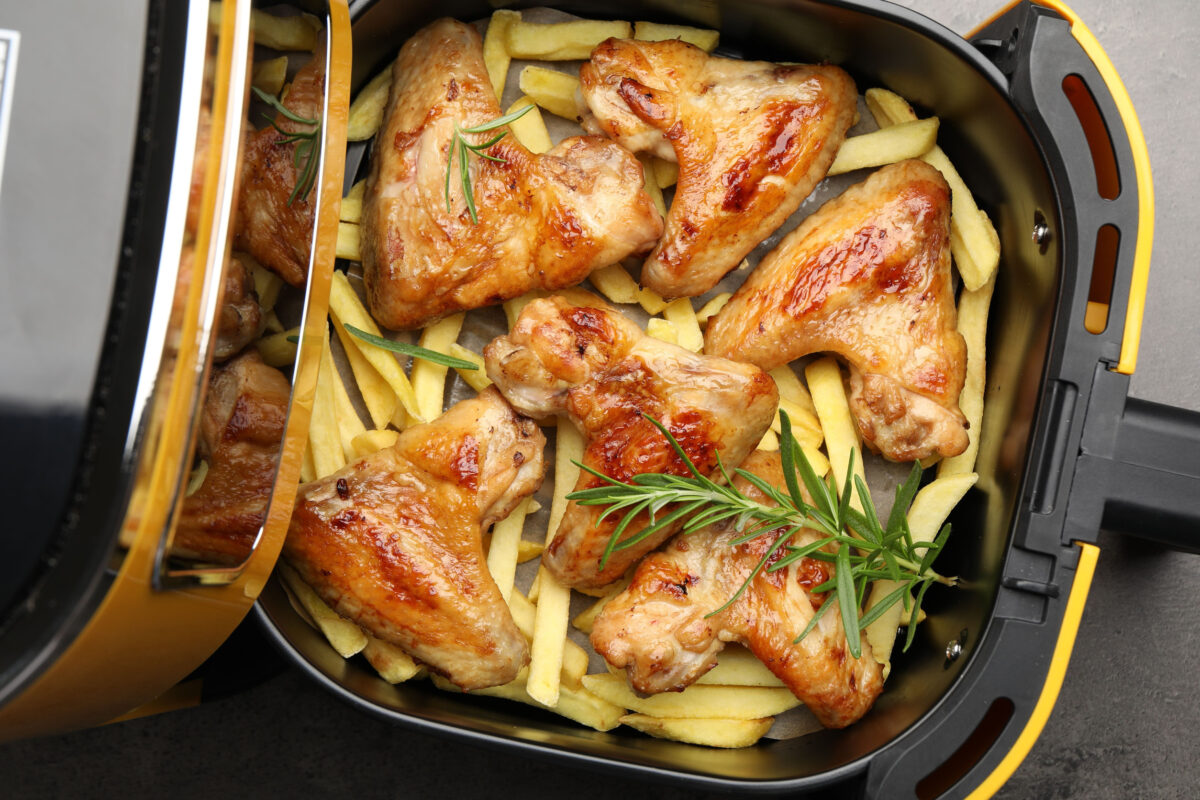
The fastest way to ruin air fryer food is to cram too much into the basket. It may seem efficient to cook a full batch of fries, wings, nuggets, or vegetables at once, but overcrowding prevents hot air from circulating around each piece. Instead of crisping, the food releases moisture and steams in its own heat.
A crowded basket also creates uneven cooking. The pieces at the top may brown slightly, while the food underneath stays pale, soft, and damp. For crisp results, food needs breathing room. Cook in batches when needed, spread items in a single layer, and avoid stacking unless the recipe specifically allows it. It may take a few extra minutes, but the payoff is food that actually crunches.
Skipping the Preheat
Many people treat the air fryer like a microwave, tossing food in immediately. That shortcut can leave food soggy because the ingredients spend the first few minutes sitting in lukewarm air rather than being hit with strong heat. During that slow warm-up, moisture starts to escape before the outside has a chance to set.
Preheating gives the food a better start. Fries begin crisping sooner, chicken skin tightens faster, and frozen snacks brown more evenly. Not every air fryer recipe requires a long preheat, but two to five minutes can make a big difference, especially for frozen foods, breaded items, and anything that needs a crunchy exterior. Think of preheating as giving your food a hot stage instead of making it wait backstage in a steam cloud.
Using Too Much Oil
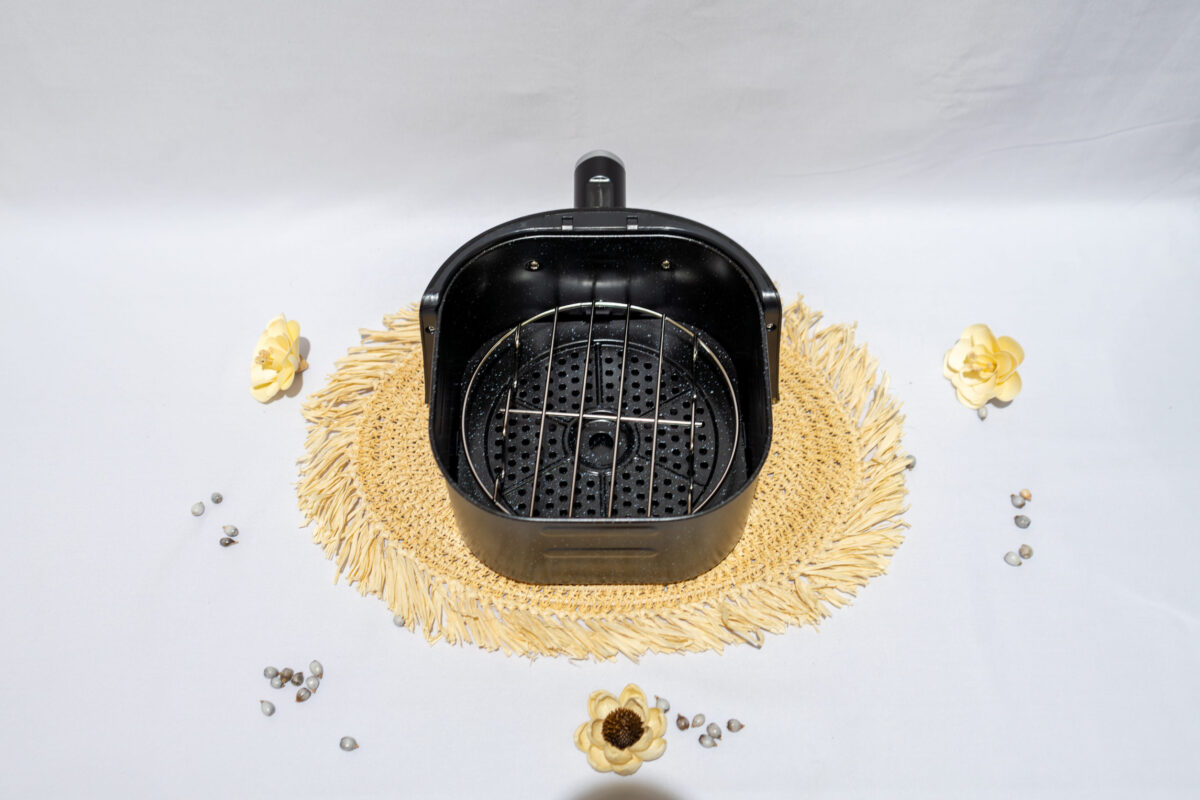
Oil can help air fryer food brown beautifully, but too much of it works against you. A heavy coating can weigh down breading, make vegetables greasy, and create a slick surface that softens rather than crisps. The food may look shiny, but it often comes out heavy and limp.
The air fryer needs only a light touch. A small spray or a teaspoonful tossed into the food is usually enough for most recipes. The goal is to encourage browning, not to soak the ingredients. This matters most with potatoes, breaded chicken, tofu, and vegetables. Too much oil also drips into the basket, causing it to smoke and leaving food with an unpleasant taste. Use oil like seasoning, not like a bath.
Forgetting to Pat Food Dry
Moisture is the enemy of crispness. If you place wet chicken wings, freshly washed vegetables, marinated tofu, or damp potatoes straight into the air fryer, the machine has to evaporate all that surface water before browning can begin. By the time the moisture clears, the food may already be overcooked on the inside and soft on the outside.
Patting food dry sounds simple, but it changes everything. Use paper towels or a clean kitchen towel to remove extra moisture before seasoning. This step is especially important for mushrooms, zucchini, fish, chicken, and frozen foods that thaw with ice crystals on the surface. Dry food browns faster, crisps better, and tastes more concentrated. The air fryer can create crunch, but it cannot perform miracles on dripping wet ingredients.
Cooking Frozen Food Without Shaking
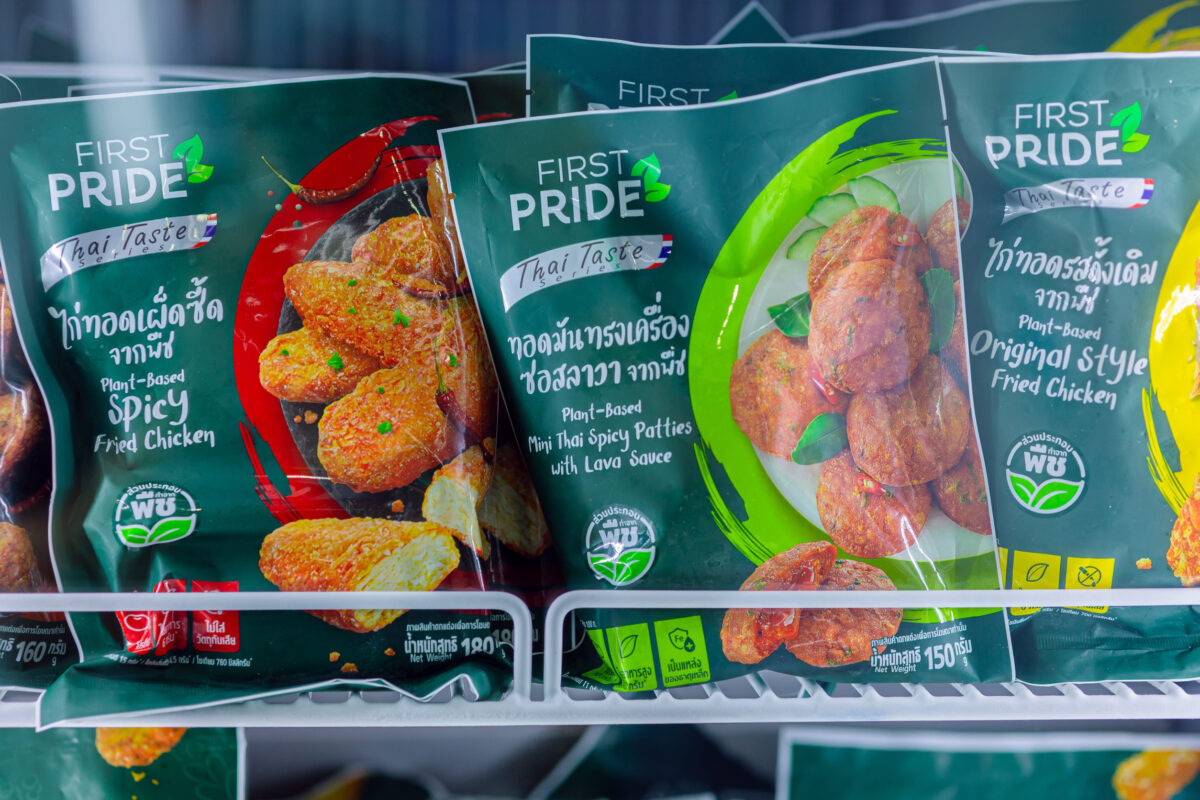
Frozen fries, tater tots, nuggets, and vegetables often clump together in the basket. If you leave them untouched, the pieces stuck together trap steam. That steam softens the surface and keeps the food from crisping evenly. The outside pieces may brown, but the hidden sides stay soggy.
Shaking the basket halfway through cooking solves this problem. It separates pieces, exposes new surfaces to the hot air, and helps the food cook evenly. For larger items like wings or breaded fillets, use tongs to flip them instead. This small movement makes the difference between food that tastes oven-baked and food that delivers the crisp air fryer texture people actually want.
Adding Sauces Too Early
Sauces are delicious, but they can destroy crisp texture when added too soon. Barbecue sauce, buffalo sauce, honey glaze, teriyaki sauce, and sweet chili sauce contain moisture and sugar. If they go on before the food crisps, they soften the surface and can turn sticky instead of glossy.
For better results, cook the food until it is mostly crisp, then add the sauce near the end. Wings, meatballs, tofu bites, and cauliflower florets all benefit from this timing. You can also toss the food in the sauce after cooking for maximum crunch. The key is simple: crisp first, sauce second. When sauce becomes the opening act, sogginess takes the headline.
Using the Wrong Temperature
Low heat can make air fryer food soft because it gives moisture too much time to linger. High heat, on the other hand, can brown the outside too quickly while leaving the inside undercooked. Both mistakes can lead to poor texture, especially with foods that need a balance of crisp edges and tender centers.
Different foods need different heat levels. Frozen fries usually do well at higher temperatures, while delicate fish or pastries may need gentler cooking. Vegetables with high water content may need enough heat to drive off moisture quickly. The best approach is to follow a reliable time-and-temperature guide, then adjust based on your air fryer’s strengths. A powerful model may need less time, while a compact one may need a little more space and a little more patience.
Leaving Food in the Basket After Cooking
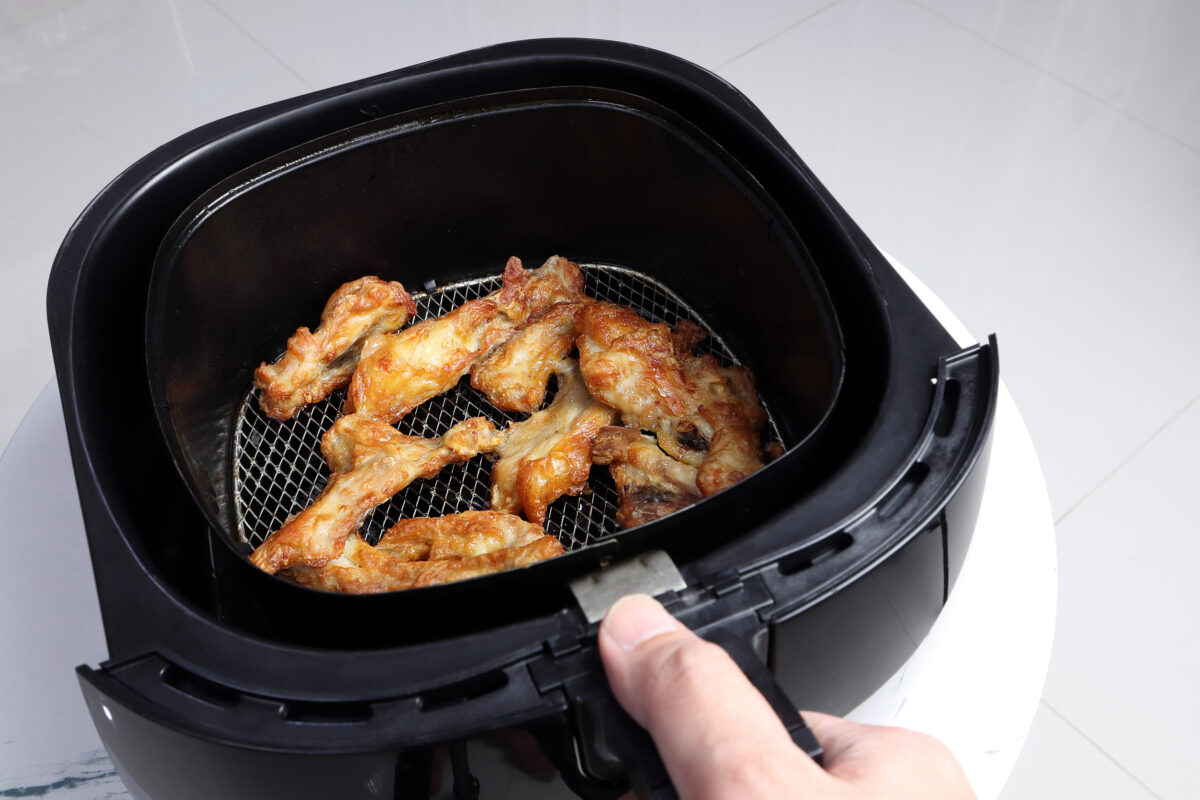
Even perfectly crisp food can turn soggy if it sits in the air fryer basket after cooking. The trapped heat continues to release steam, and that steam has nowhere useful to go. Fries soften, chicken loses its crunch, and breaded snacks start to taste limp within minutes.
Remove food as soon as it finishes cooking. Transfer it to a plate, wire rack, or serving tray so steam can escape. A wire rack is especially helpful because it keeps the bottom from getting damp. This matters when cooking multiple batches, too. If you pile hot food into a bowl, the lower pieces absorb steam from the top pieces. Crisp food needs space even after it leaves the fryer.
Conclusion
Soggy air fryer food usually comes down to one simple problem: too much moisture and not enough airflow. Overcrowding the basket, skipping the preheat, using too much oil, adding sauce too early, or leaving food trapped after cooking can all turn a promising meal into a limp one. The air fryer is powerful, but it works best when hot air can move freely, and food has a dry surface to crisp.
The good news is that these mistakes are easy to fix. Give your food room, shake or flip it during cooking, use oil lightly, dry ingredients before they go in, and serve everything quickly once it is done. With those habits, the air fryer becomes less of a guessing game and more of a reliable shortcut to golden, crunchy, satisfying food.