You Won’t Believe Why Dinosaurs Grew So Big…Check Out These 7 Reasons
Dinosaurs have long fascinated scientists, with their towering sizes leaving people in awe. What allowed them to grow so large? Was it their environment, their biology, or some combination of the two? While many theories exist, these ten surprising reasons offer a glimpse into how these prehistoric giants reached unimaginable sizes. From their biology to environmental factors, let’s uncover the mysteries that helped them thrive.
Unique Evolutionary Advantages
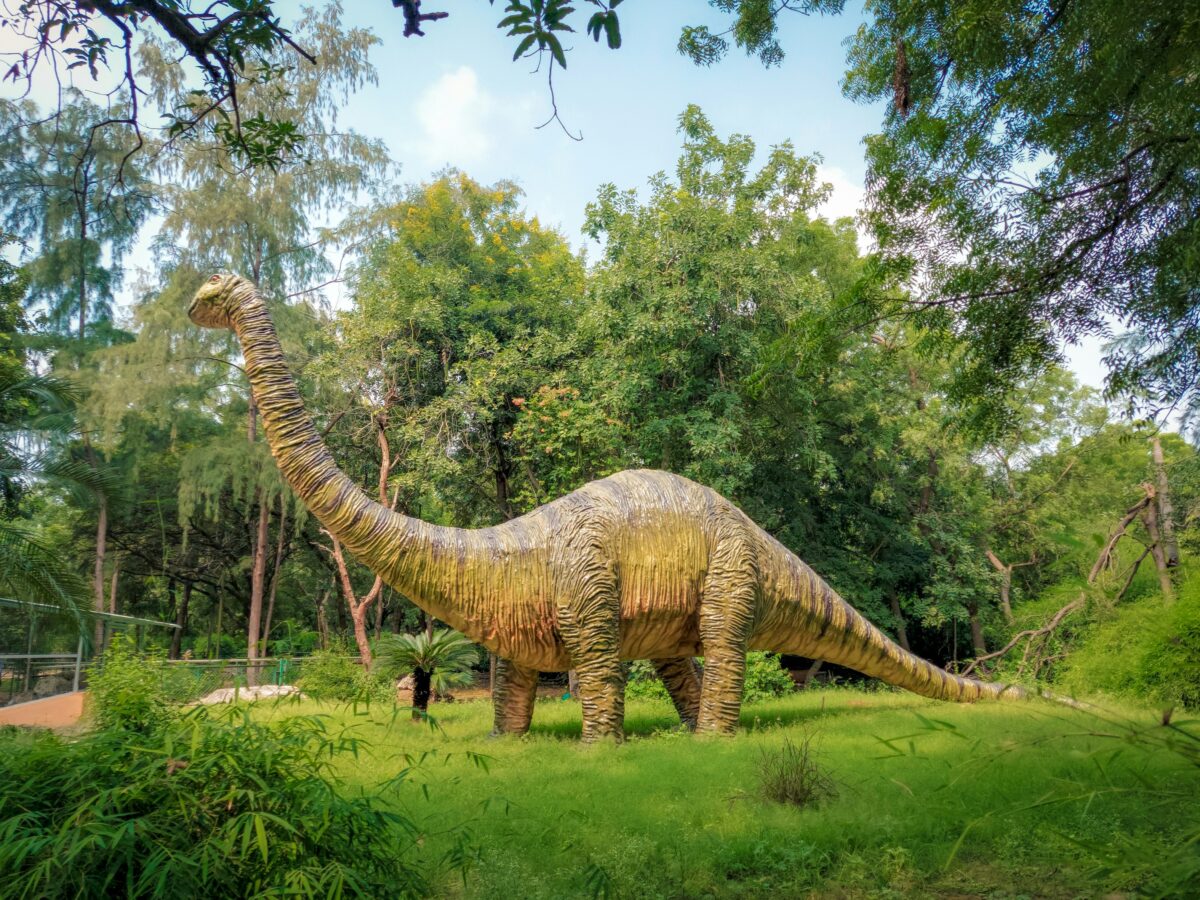
Dinosaurs evolved in ways that gave them a significant evolutionary advantage. Their skeletal structures, built for size, were not only lightweight but also strong. Unlike mammals, their bones had air pockets, which made them less dense and allowed them to grow larger without sacrificing mobility. This specific adaptation helped them grow taller, longer, and heavier, with less energy needed to maintain their large bodies.
The Role of Climate
The Earth’s climate during the Mesozoic Era was warm, which benefited dinosaurs in numerous ways. Warmer temperatures allowed them to maintain higher metabolic rates, thereby increasing their growth rate. The abundant oxygen and the absence of ice caps helped create lush environments, providing abundant food sources. This warmer climate, combined with the absence of harsh winters, played a key role in their ability to develop such massive sizes.
Oxygen Levels
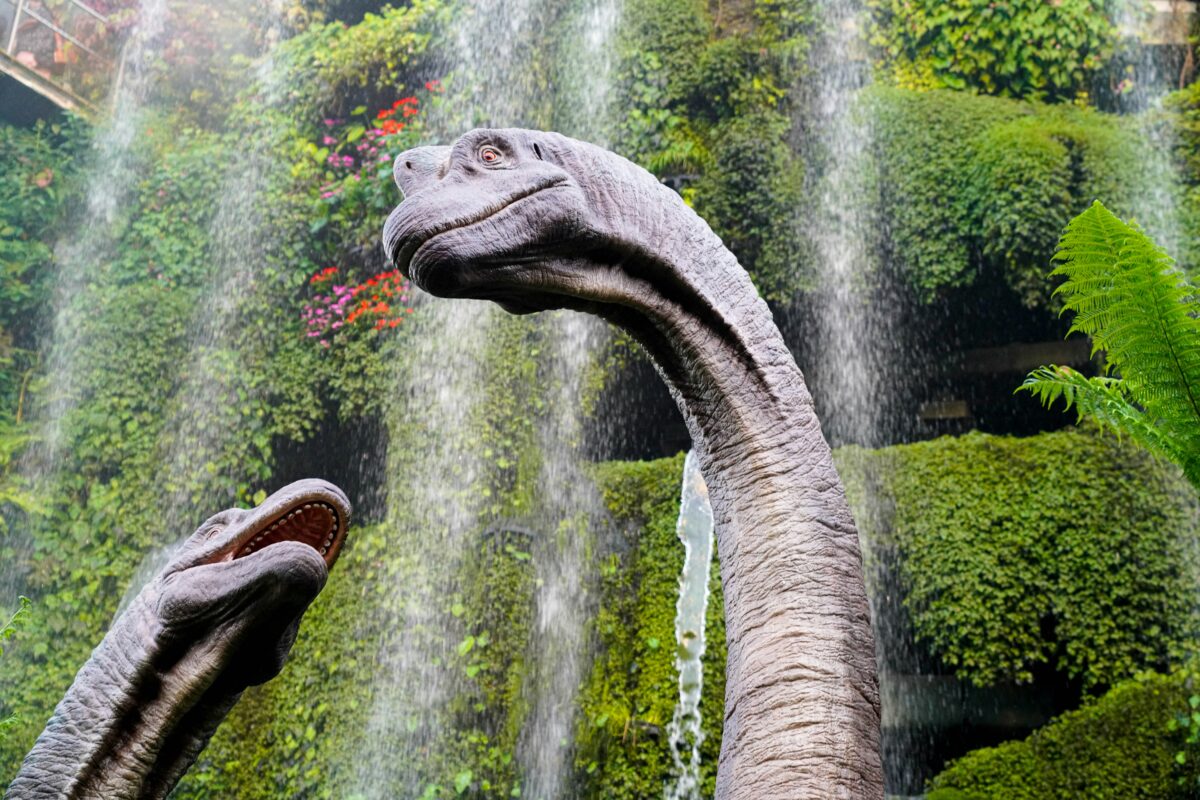
Higher oxygen levels during the Mesozoic period may have been a critical factor in the dinosaurs’ massive size. With more oxygen in the air, dinosaurs could grow larger without the limits that oxygen scarcity would otherwise impose on animals. The oxygen helped fuel their metabolic processes, supporting their overall growth and allowing even the largest species to thrive and become dominant.
Diet and Abundant Resources
The abundance of food during the Mesozoic era enabled large-scale growth. Vegetation was dense and diverse, with giant ferns and cycads providing abundant plant material for herbivores. Carnivores, in turn, had a steady supply of food sources to sustain their massive size. This steady availability of food played a key role in helping dinosaurs grow to enormous proportions without competition for resources.
Fast Growth Rates
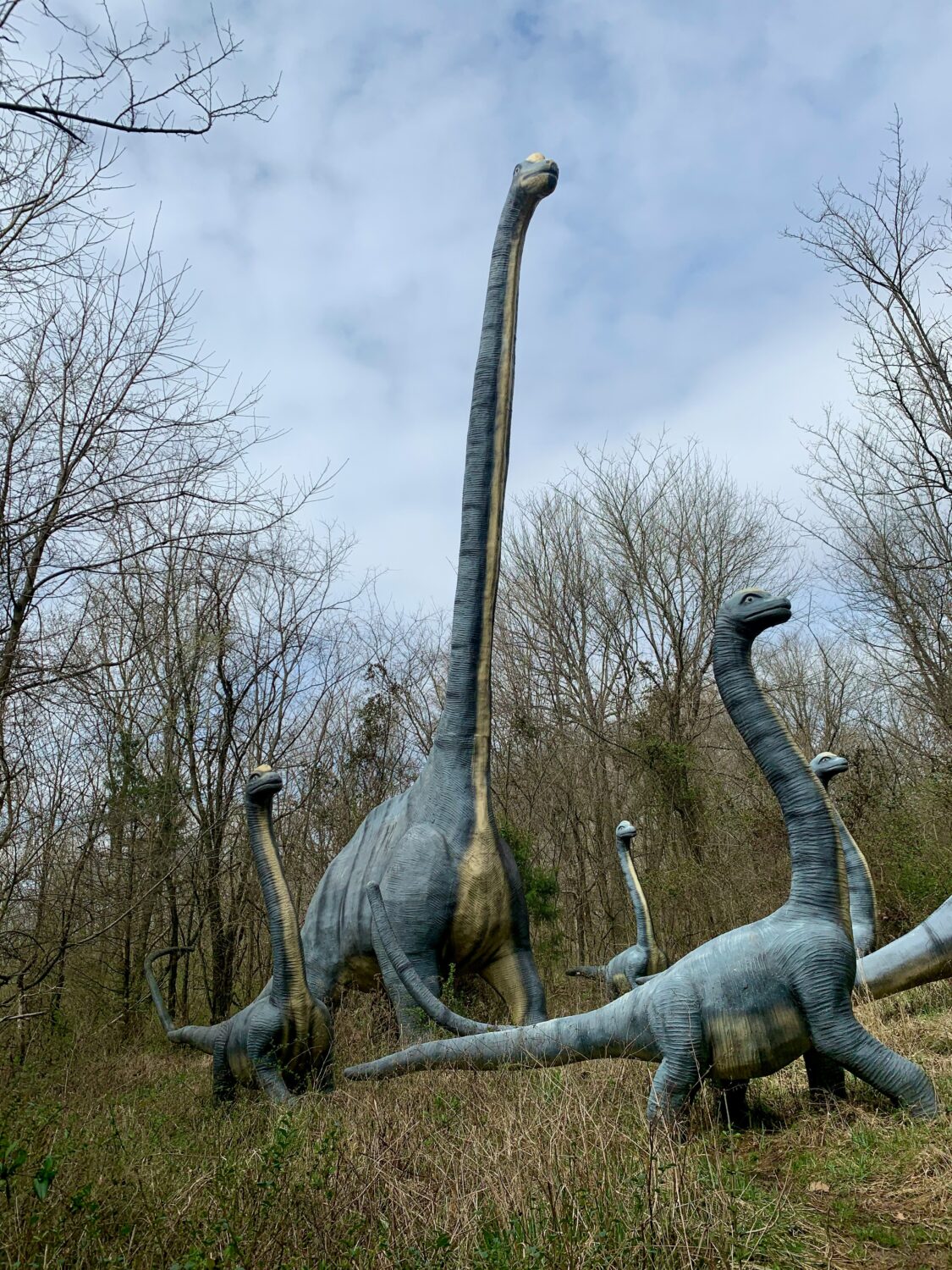
Dinosaurs didn’t grow slowly over decades; they grew fast. Some species, such as sauropods, could reach massive sizes in a very short time. They had a faster growth rate than modern reptiles, enabling them to outpace predators and competitors and secure their place in the ecosystem as dominant giants of the ancient world.
The Secrets of Their Supportive Skeletons
Dinosaurs had a distinct advantage in their bone structure. Their bones were not as solid as modern-day mammals’, but they were more efficient in their construction. The hollow bones, especially in flying species, and the unique cartilage in other species, allowed dinosaurs to grow larger without increasing the stress on their bodies. Their skeletal structure was optimized for size and strength, giving them the support they needed to grow to incredible proportions.
Lack of Large Predators
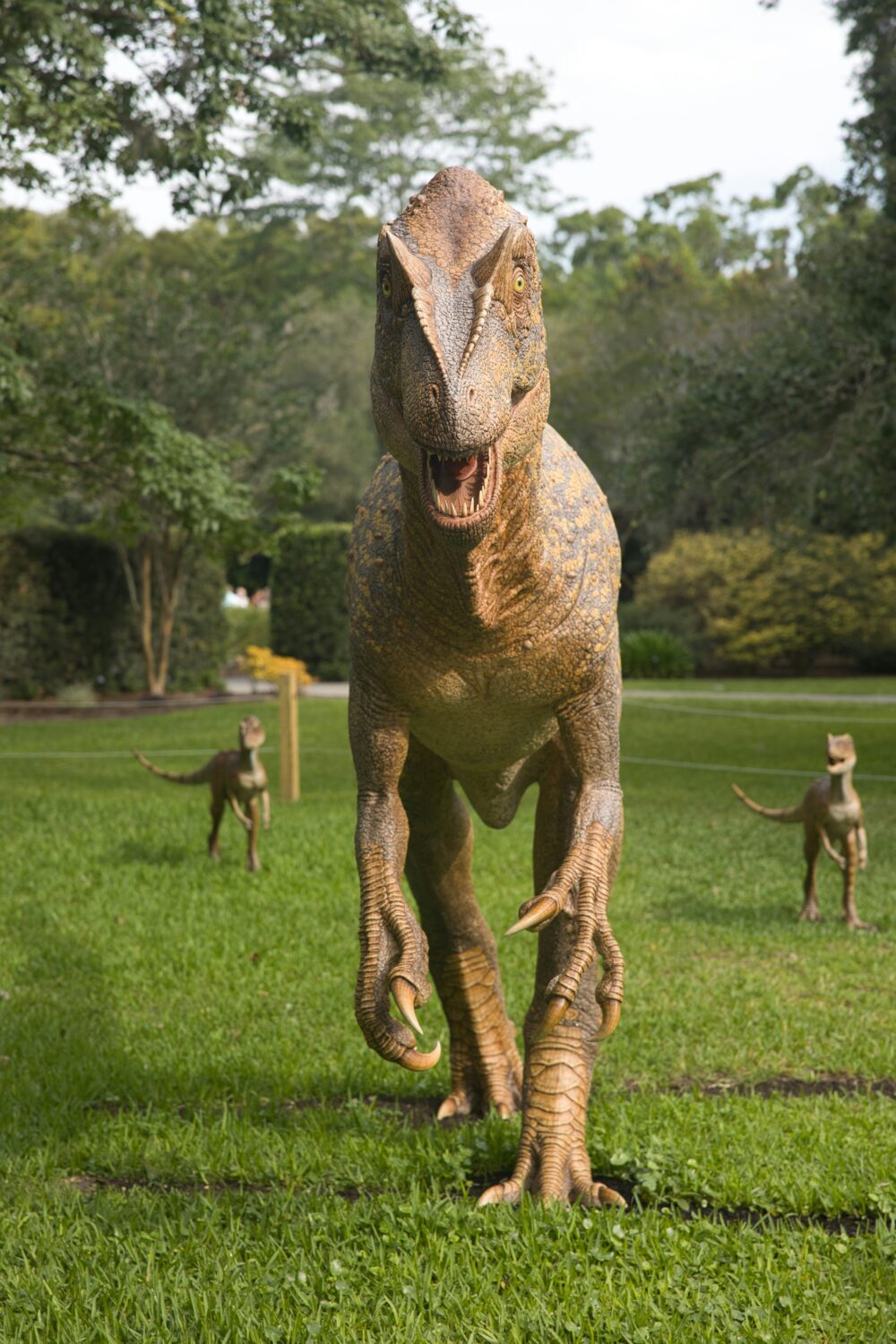
David Valentine/ Unsplash
For many species, there was simply no serious threat to their growth. Large carnivorous predators were rare, and the few that existed didn’t typically pose a threat to adult dinosaurs. With fewer predators to hunt them, herbivores could grow to enormous sizes without the stress of constant predation. This allowed for longer lifespans and more time to reach their full potential.
Reproductive Strategies
Dinosaurs were incredibly successful at reproducing, which contributed to their survival and growth. Their reproductive strategies allowed them to have large numbers of offspring, giving them the best chance to thrive in their environment. This mass reproduction ensured that there were always plenty of young dinosaurs reaching adulthood, helping the species maintain and expand its population and further supporting its growth and dominance.
How Dinosaurs Stayed Cool While Growing Big
Thermoregulation in dinosaurs played a major role in their size. Unlike reptiles, which rely heavily on external temperatures, dinosaurs could maintain a stable internal body temperature, making them more energy-efficient. Their ability to regulate body temperature enabled them to grow larger without the metabolic constraints faced by modern cold-blooded animals, allowing them to thrive in diverse climates.
How Big Was the Best Defense
As herbivores and carnivores, dinosaurs lived in a dynamic ecosystem. Being large offered a key survival advantage, especially for herbivores. Being too big for most predators to attack meant that dinosaurs didn’t need to worry about being eaten. On the flip side, carnivorous dinosaurs used their size to overpower prey, ensuring they could meet their food demands. Size, in many cases, acted as the ultimate defense mechanism, allowing them to reign supreme.
Conclusion
Though scientists have made incredible strides in understanding how dinosaurs grew so big, many mysteries still remain. From their fast growth rates to the lack of natural predators, there’s no single explanation for how these creatures evolved into the giants they were. However, the combination of biological advantages, environmental factors, and evolutionary strategies laid the foundation for the dinosaurs’ reign on Earth, offering a fascinating glimpse into the prehistoric world. Understanding these factors brings us closer to unlocking the secrets of these magnificent creatures that once ruled the planet.