7 Grocery Items That May Still Wreck Your Budget in 2026
Grocery shopping is an essential part of everyday life, but it’s also an area where many people don’t realize how much they’re overspending.
With rising food and other everyday expenses, certain grocery items continue to take a bite out of the budget, even in 2026. While some foods may seem like reasonable purchases at first glance, they can silently inflate your grocery bill.
From everyday staples to occasional indulgences, here are 7 grocery items that may still wreck your budget in 2026.
Avocados
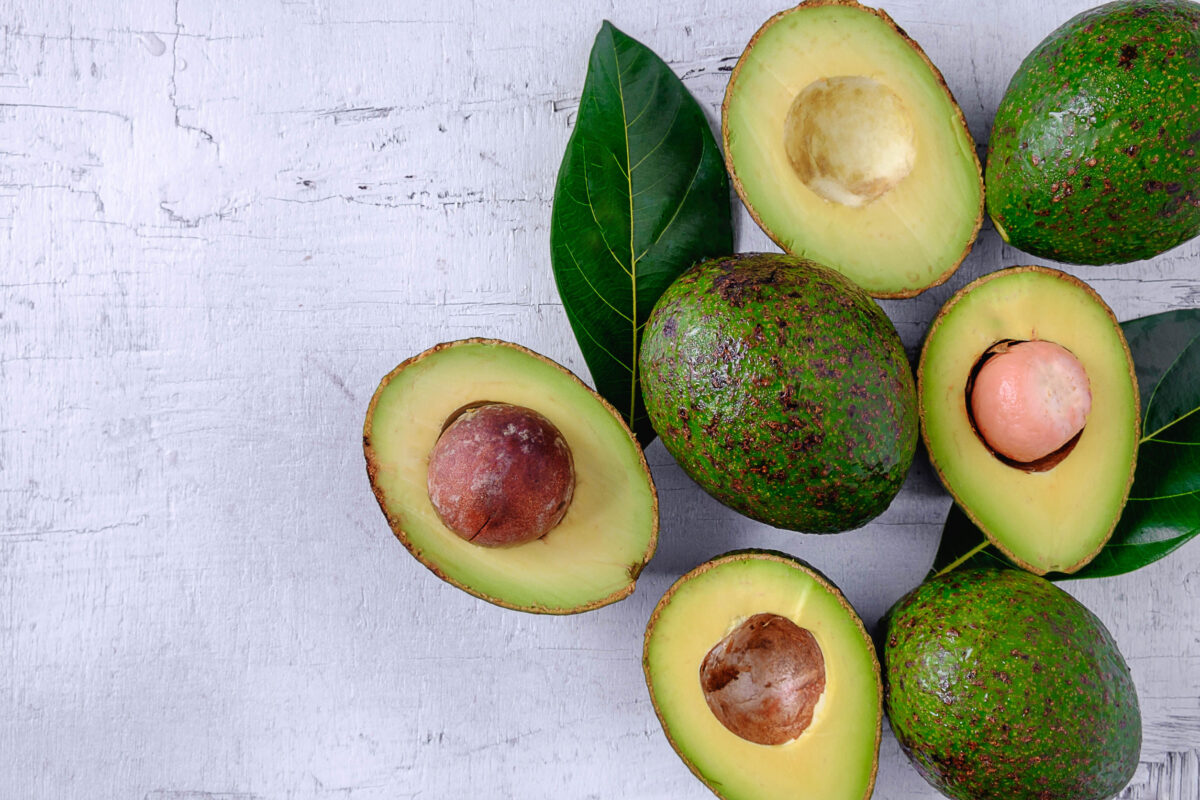
Once a beloved budget-friendly addition to sandwiches, salads, and toast, avocados have slowly morphed into a luxury item. In recent years, prices have steadily climbed due to unpredictable weather, higher demand, and labor shortages.
Despite their popularity, many shoppers are still shocked by how much a single avocado can cost in 2026. The once affordable staple now feels more like an expensive indulgence, and if you’re regularly adding avocados to meals, it can quickly add up, causing a strain on your grocery budget.
Meat
For many households, meat remains a significant part of the weekly grocery list. However, the cost of meat has risen steadily and shows no signs of decreasing anytime soon. Whether it’s beef, chicken, or pork, meat prices continue to rise due to rising production costs, supply chain issues, and labor shortages.
Even a simple meal of grilled chicken or a hamburger can result in a surprisingly high total at checkout. As more people consider plant-based options to cut grocery costs, meat still has a significant impact on their budgets.
Organic Produce
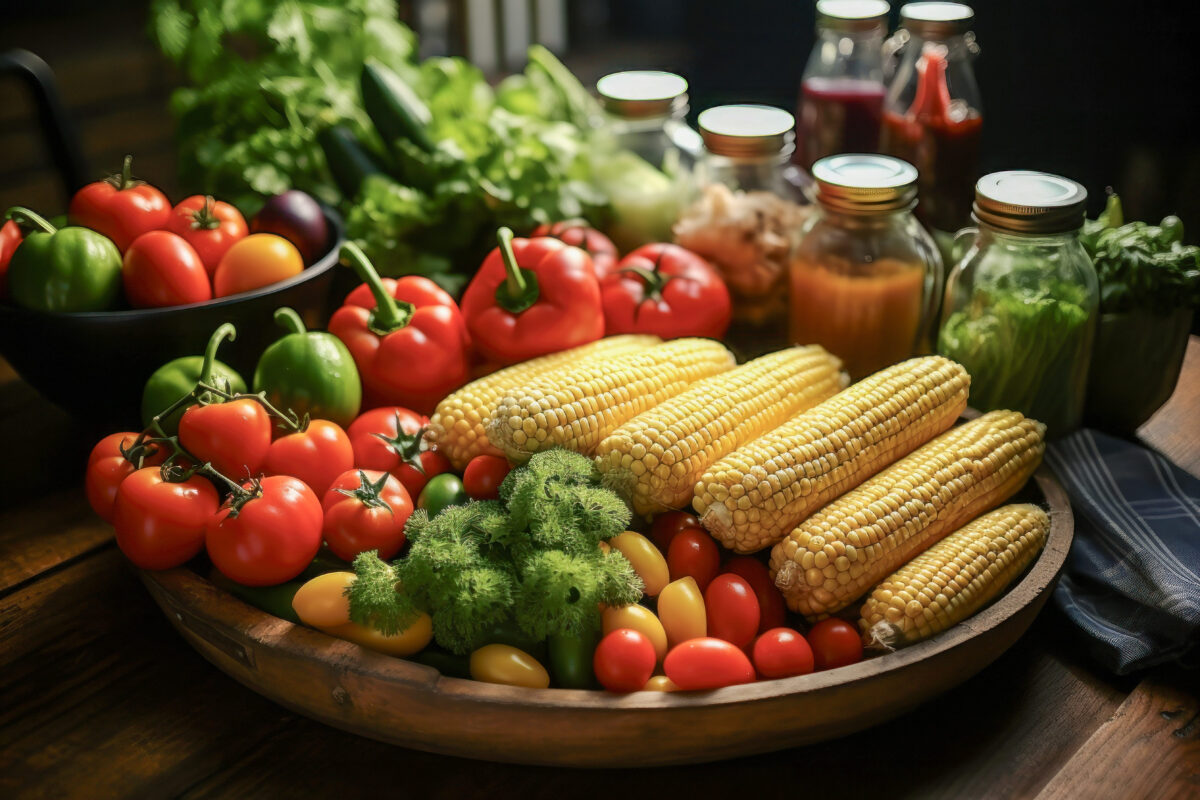
Organic produce has long been celebrated for its health benefits, but it comes at a high price. While many shoppers are willing to pay a premium for food grown without pesticides or chemicals, organic fruits and vegetables remain a major contributor to rising grocery bills.
In 2026, organic produce remains much more expensive than its conventional counterparts, and the price difference can add up over time. While choosing organic is a personal preference for some, it’s essential to recognize that these options are often far from budget-friendly.
Dairy Products
Dairy products like milk, cheese, and yogurt have seen consistent price hikes over the years, and 2026 is no exception. Rising production costs, labor shortages, and fluctuations in feed costs continue to impact the dairy industry.
While these products are staples in many households, their price increases can’t be ignored. Specialty cheeses, in particular, have become a significant budget buster, with some varieties costing more than $10 for a small block. As dairy prices rise, it becomes harder to stick to a grocery budget without compromising the quantity or quality of these items.
Breakfast Cereals
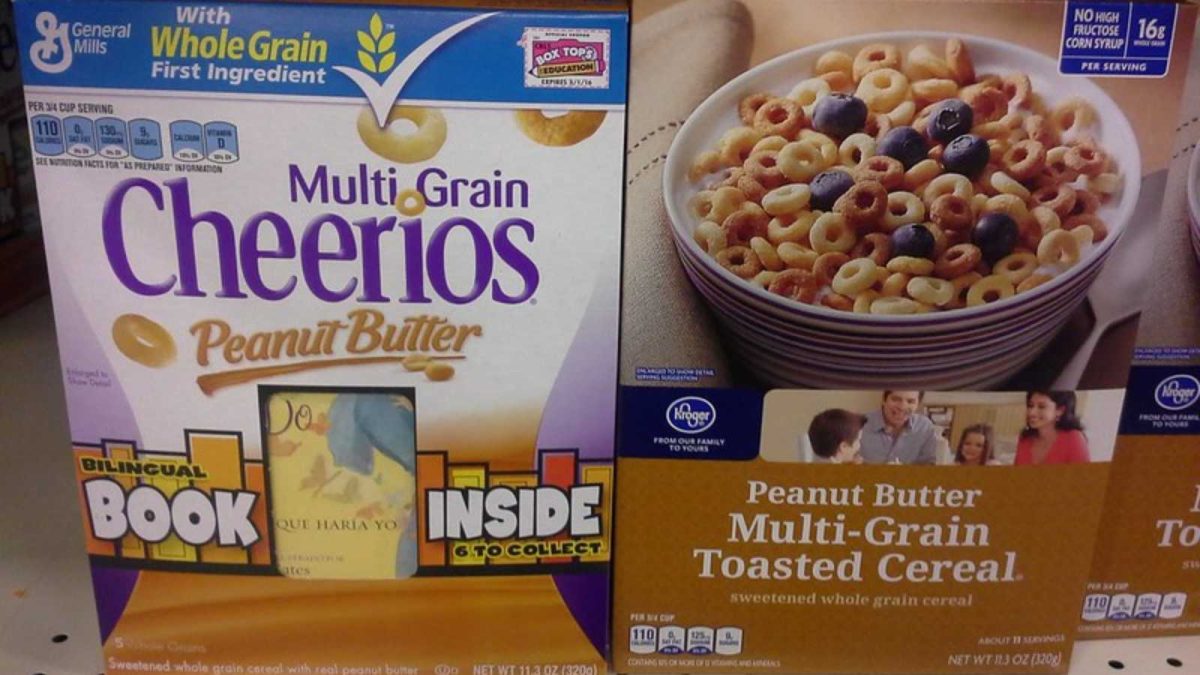
What was once a quick and affordable breakfast option has now become a costly addition to the grocery list. Breakfast cereals, especially the popular, branded ones, have seen price increases due to higher production costs and supply chain challenges.
Even the most basic box of cereal can cost more than $5 now, and the so-called “healthy” cereals can be even more expensive. When combined with the cost of milk, breakfast cereal can turn into a surprisingly pricey morning habit. While it’s a convenient meal choice, it may be time to reconsider if it’s worth the cost.
Bottled Water
Bottled water has become an increasingly expensive habit for many, and the cost per bottle can add up fast. At $1 to $3 per bottle, it’s easy to overlook how much you’re spending, especially if you grab one on the go every day. Over the course of a month, these seemingly small purchases can result in a sizable chunk of your grocery budget being spent on something that’s readily available for free.
As people look for ways to cut back, investing in a reusable water bottle and refilling it from the tap or using a filtration system is a more cost-effective and sustainable alternative.
Frozen Foods

Frozen foods like pre-packaged meals, frozen vegetables, and pizzas have long been a go-to for convenience and quick meals. However, the convenience of frozen foods comes at a higher price, driven by production, packaging, and transportation costs. While frozen meals may seem like a budget-friendly option, they are often more expensive than cooking from scratch with fresh ingredients.
Frozen pizzas, in particular, have seen significant price hikes in recent years, making them a less affordable choice for those looking to stick to a tight grocery budget. It’s worth considering whether the convenience of frozen food justifies the added cost, or whether taking the time to prepare meals from scratch could be a more cost-effective option.
Conclusion
In 2026, the grocery store remains a place where consumers face rising prices and growing budgetary challenges. While some grocery items have long been part of our everyday shopping lists, certain staples continue to surprise shoppers with their cost.
Whether it’s the unexpected price of meat, the premium on organic produce, or the hidden costs of bottled water, it’s essential to evaluate how these items impact your budget. Being mindful of the true cost of each item and considering more affordable alternatives can help prevent your grocery bill from spiraling out of control.
By understanding what’s really driving your grocery expenses, you can make more informed choices that help you save money while still enjoying the foods you love.