8 Ways Trump’s Chaotic Tough Talk Became Jimmy Kimmel’s Easiest Punchline
The strange thing about political drama is that it doesn’t always need a comedian to be funny. Sometimes the setup arrives already polished, wrapped in contradiction, and begging for a late-night host to swing at it.
That is what happened when Jimmy Kimmel used his Jimmy Kimmel Live monologue to mock Donald Trump’s negotiation style during tense discussions involving Iran.
Kimmel’s joke landed because it was bigger than one punchline. Trump had sounded hopeful about a possible deal, then paired that optimism with threats of stronger military action if Iran rejected the proposal.
That clash between diplomacy and intimidation gave Kimmel the perfect opening, turning a serious foreign policy moment into another loud chapter in the ongoing Trump and late-night comedy feud.
Trump Tried to Sell Peace With a Threat in the Background
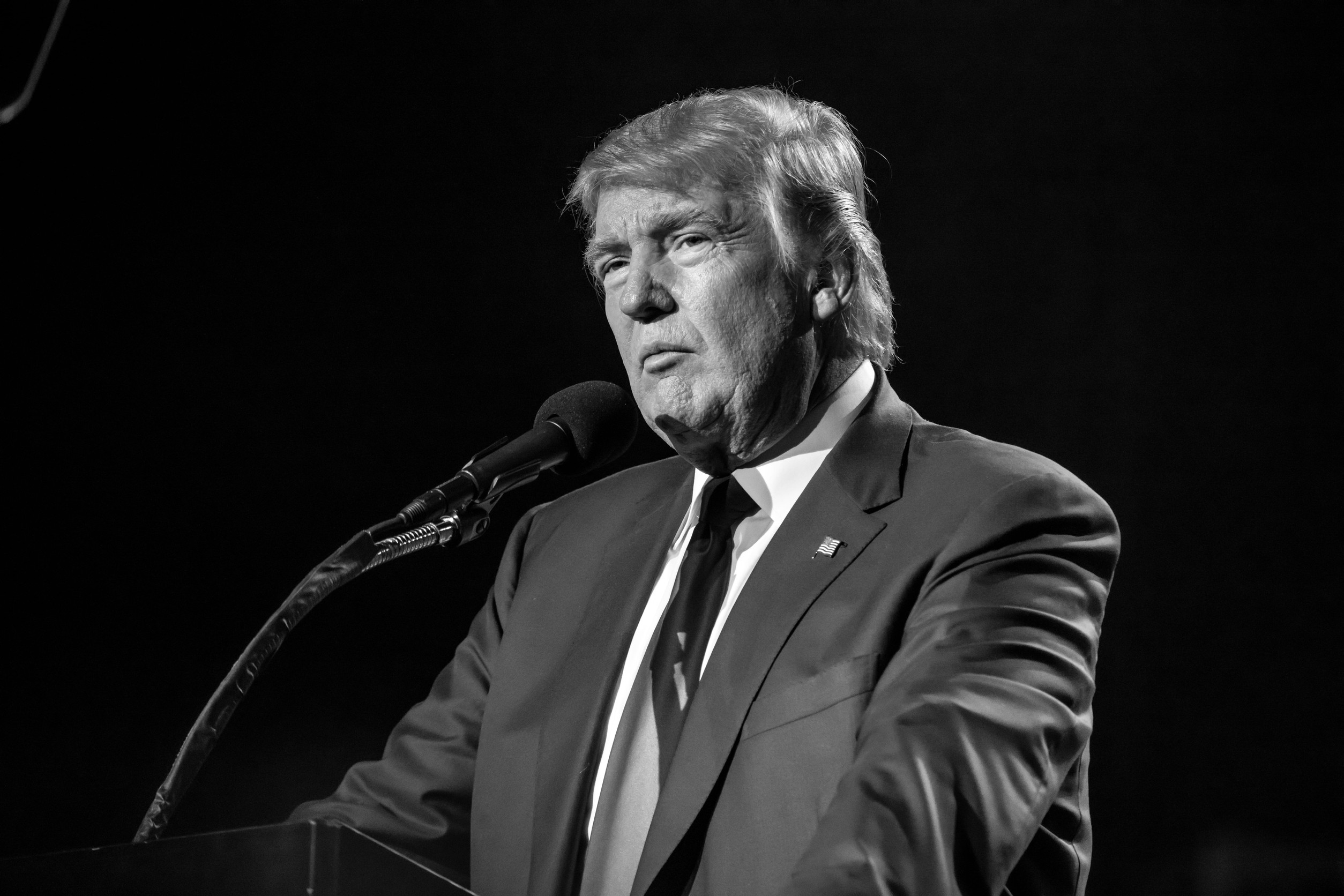
Trump’s message carried two moods at once. On one side, he suggested that talks with Iran could produce a deal. On the other hand, he warned that the United States could respond with more intense military strikes if Iran did not accept the offer.
That is a difficult balance to sell because the peaceful part gets crowded out when the warning sounds louder than the promise.
Kimmel jumped straight into that contradiction. He did not need to explain the entire diplomatic map for the joke to work.
He only had to point at the whiplash. One minute, there was talk of progress. Next, there was the familiar Trump-style threat of force. For a late-night audience, that contrast was easy to understand and even easier to laugh at.
Kimmel Turned Trump’s Negotiation Style Into a Joke
Kimmel’s sharpest move was not treating Trump’s comment as a normal policy update. He treated it as a performance.
The joke focused on the way Trump negotiates in public, especially the habit of mixing confidence, threat, impatience, and self-praise into one noisy package.
Entertainment Weekly reported that Kimmel compared Trump’s negotiation style to sex, then mocked it as clumsy, brief, and full of flailing.
That joke worked because it attacked Trump’s image as a dealmaker. Trump has long sold himself as a master negotiator, so Kimmel aimed directly at that brand.
The punchline suggested that Trump’s public approach to negotiation looks less like strategy and more like panic in a suit. In comedy, that is a powerful reversal because it turns a politician’s strongest self-image into the softest target.
The Iran Deal Comparison Made Trump Look Vulnerable
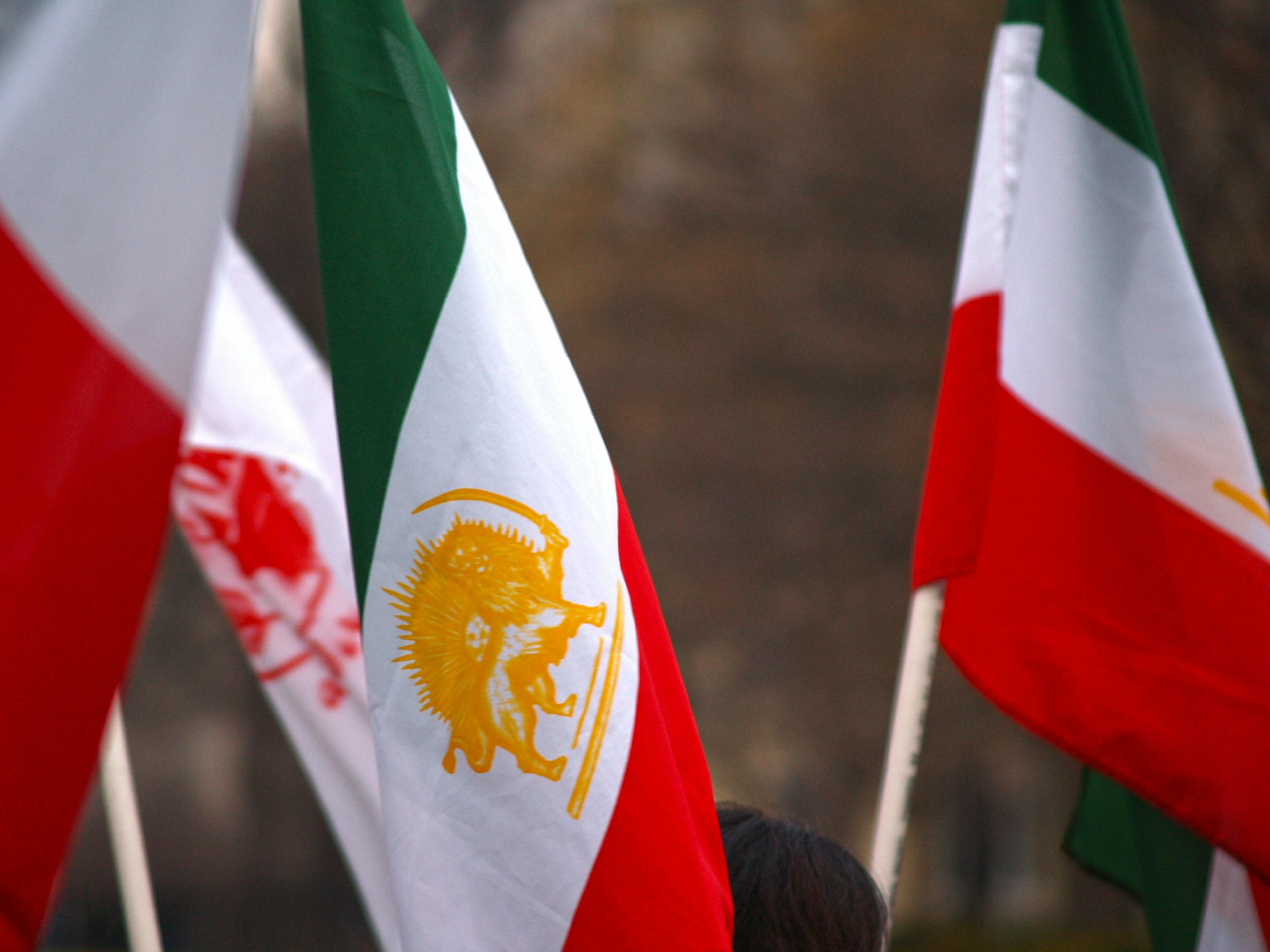
The nuclear deal comparison made the moment even sharper. The reported U.S. proposal involved a uranium enrichment moratorium of more than 10 years, which Kimmel contrasted with the longer 15-year framework linked to the Obama-era Iran nuclear deal that Trump had spent years attacking.
That gave the monologue more bite because Kimmel could frame Trump as chasing a deal that sounded weaker than one he once mocked.
That is where the joke became more than a roast. It became a political trap. If Trump had called a longer restriction bad, then selling a shorter one as a victory would become harder.
Kimmel used that tension to make Trump’s “better deal” image look shaky. The joke did not need a long policy lecture. The numbers did the embarrassing work.
The Uranium Issue Made the Comedy Feel Darker
The subject behind the joke was not small. Reuters reported that Trump said the United States would get enriched uranium from Iran as the two countries worked toward an agreement.
The same reporting noted that Trump had spoken positively about recent talks, saying the United States had “very good talks” with Iran in the previous 24 hours.
That serious backdrop made Kimmel’s comedy feel darker and sharper. This was not a joke about a campaign rally typo or a strange social media post. It involved war, nuclear material, diplomatic pressure, and the risk of military escalation.
Kimmel’s comedy landed because the stakes were high enough to make Trump’s public style feel even more reckless on television.
Trump’s Tough Talk Gave Late Night an Easy Villain Edit

Late-night comedy loves a simple contrast, and Trump gave Kimmel one. Hopeful deal talk on one side. Bigger bombing threats, on the other hand. That structure almost writes itself because the audience can hear the contradiction without needing a foreign policy degree.
A president talking peace while waving a bigger stick becomes an image people immediately recognize.
Kimmel leaned into that image, making Trump’s approach feel like political theater. The joke suggested that Trump’s idea of negotiation often looks like walking into the room, raising the temperature, and declaring victory before anyone else agrees.
That may play well with supporters who like forceful language, but it gives comedians a clear target, turning serious diplomacy into a loud public performance.
The Long Kimmel And Trump Feud Made Every Line Hit Harder
This monologue did not happen in a vacuum. Kimmel and Trump have been trading public criticism for years, and Entertainment Weekly described their feud as long-running and especially heated amid tensions involving Iran.
That history gave the joke extra electricity because Kimmel was not just commenting on the news. He was taking another swing in a personal and political fight that both sides understand very well.
That history matters because it changes the tone of the monologue. A random joke from a neutral observer can feel like commentary. A joke from Kimmel about Trump feels like a continuation of a battle. The audience knows the tension.
Trump knows the platform. Kimmel knows the reaction is part of the show. That is why the punchline felt less like a throwaway joke and more like another public round in a feud that keeps feeding itself.
The Melania Backlash Kept the Fire Burning

The Trump-Kimmel tension also carried fresh baggage from a separate controversy. Donald and Melania Trump had called for Kimmel’s firing after a joke Kimmel made about Melania, which Kimmel later defended as a roast about the couple’s age difference rather than a violent remark.
That dispute gave the Iran monologue an extra layer of resentment and media attention.
That detail matters because public feuds rarely stay in one lane. A joke about Iran became tied to old insults, firing demands, and the broader question of how far late-night hosts should go when mocking political figures.
Kimmel used that tension to keep the pressure on Trump, while Trump’s anger gave the show even more fuel. In the world of late-night television, outrage can become free promotion, and this feud proves it.
The Real Punchline Was Trump’s Need to Look Dominant
The strongest part of Kimmel’s bit was that it exposed a familiar pattern. Trump often frames negotiation as a contest of dominance, where the loudest threat becomes part of the sales pitch.
That style can sound strong to people who want blunt leadership, but it also creates obvious comic weaknesses. The more dramatic the threat, the easier it becomes for a comedian to make the whole thing look theatrical.
That is why Kimmel’s joke stuck. He did not just make fun of one sentence. He made fun of a whole posture.
The posture says every deal must look like a win, every opponent must look beaten, and every public comment must sound bigger than the last. Kimmel’s monologue turned that posture into a punchline, and Trump’s own words helped make the joke land.
Key Takeaway
Jimmy Kimmel’s Trump joke worked because it hit a familiar nerve. Trump wanted to project strength during a tense Iran negotiation story, but the mix of deal optimism and military threats gave Kimmel an easy way to frame that strength as chaos.
The bigger lesson is simple. When political messaging sounds scattered, late-night comedy need not invent much. It only has to hold up the contradiction, sharpen the edge, and let the audience hear how strange it sounds when diplomacy starts acting like a threat reel.