U.S. Missile Shield Under Pressure: Nearly 80% of Key THAAD Interceptors Depleted During Iran Conflict
The United States has spent decades building one of the most advanced military systems in the world, but the latest conflict with Iran has exposed a difficult reality: even the most powerful military can face pressure when high-end weapons are used faster than they can be replaced. The heavy use of missile defense systems has sparked new concerns about America’s supply of critical interceptors, including THAAD and Patriot missiles.
The situation has raised questions about how prepared the United States would be for a prolonged conflict or a future confrontation involving a major military power. The issue is not whether America still possesses unmatched military capabilities. It does. The deeper concern is whether the nation’s defense industry can maintain those capabilities over time, especially as modern warfare increasingly depends on expensive precision weapons that require years to manufacture.
The Missile Defense Race Is Becoming a Test of Industrial Strength
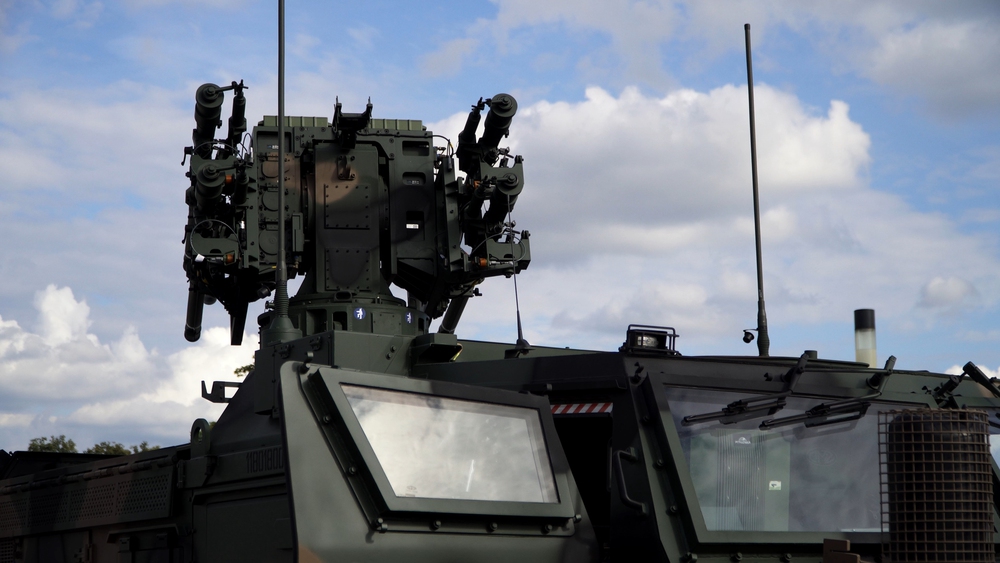
Modern warfare has entered a new era where missiles, drones, and long-range weapons can shape the outcome of conflicts before traditional ground forces even move. Countries are increasingly relying on advanced systems designed to detect and destroy incoming threats before they reach their targets. The United States has invested heavily in missile defense networks built around systems such as the Terminal High Altitude Area Defense system, commonly known as THAAD, and the Patriot missile platform. These systems provide protection against ballistic missiles, aircraft, cruise missiles, and other airborne threats.
THAAD operates as one of America’s most advanced defensive tools, intercepting ballistic missiles at extremely high altitudes during the final stages of flight. Patriot systems add another layer of protection by targeting a wide range of incoming threats closer to their intended targets. However, the effectiveness of these systems depends on one crucial factor: having enough interceptors available when they are needed. Every missile launched during combat reduces the inventory available for future threats.
The High Cost of Stopping Low-Cost Threats
One of the biggest challenges in modern missile warfare is the economic imbalance between attackers and defenders. A relatively inexpensive drone or missile can force a military to use an advanced interceptor costing millions of dollars to prevent damage. This creates a complicated calculation for defense planners. Protecting soldiers, civilians, and critical infrastructure often requires immediate action, but repeated use of expensive interceptors can quickly reduce stockpiles.
The challenge becomes even greater during prolonged conflicts. A military may successfully defend an area today while creating supply concerns for future operations. This has become one of the defining problems of modern warfare: nations must not only win battles but also maintain the industrial capacity to replace what they use.
The Ukraine War Provided an Early Warning About Missile Consumption
The concerns surrounding U.S. missile inventories come after years of lessons from the war in Ukraine. The conflict demonstrated how quickly advanced weapons systems can be consumed during a major military confrontation. Ukraine’s reliance on Western air defense systems showed the importance of maintaining steady production. Advanced missile defense platforms have helped protect cities and infrastructure, but the conflict also highlighted the challenge of replacing sophisticated weapons at wartime speed.
The lesson for military planners is clear: supplying a partner during a conflict requires more than delivering weapons. It requires maintaining factories, supply chains, and production networks capable of replacing those weapons. The Iran conflict has added another layer to the debate. If a regional conflict can place significant pressure on advanced missile inventories, defense officials must consider how those supplies would hold up during a larger confrontation.
America’s Defense Challenge Is Also Happening Inside Its Factories
While missile launches dominate headlines, another battle is taking place far from the front lines. It involves manufacturing plants, suppliers, engineers, and workers responsible for producing America’s most advanced weapons. Unlike ordinary ammunition, missile interceptors require highly specialized components, advanced electronics, precision manufacturing, and extensive testing. Increasing production is not as simple as increasing an order.
Defense companies must expand facilities, secure materials, train skilled workers, and strengthen supply chains before output can significantly increase. These steps often require years of planning and investment. This creates a difficult situation for the United States. The country has some of the most advanced weapons technology in the world, but advanced technology also means greater complexity and longer production timelines.
From World War II Production Powerhouse to Modern Precision Warfare
America’s military history provides an important comparison. During World War II, the United States became known as an industrial powerhouse capable of producing enormous quantities of ships, aircraft, vehicles, and weapons. Factories transformed rapidly, and mass production became one of America’s greatest strategic advantages. The ability to build large numbers of weapons helped shape the outcome of the war.
Today’s defense environment looks very different. Modern weapons are more accurate, more powerful, and technologically superior, but they are also more expensive and complicated to manufacture. The United States has moved from an era of quantity-focused production to one built around precision and advanced capabilities. That provides significant battlefield advantages but creates new vulnerabilities when conflicts consume weapons faster than expected.
U.S. Allies Are Watching the Missile Supply Situation Closely
The impact of America’s missile inventory concerns extends beyond U.S. borders. Many allies depend on American-made defense systems to protect military facilities, cities, and critical infrastructure. In the Middle East, missile defense has become a central security issue because of the risk of missile and drone attacks against energy facilities and strategic locations.
For U.S. partners, the availability of American interceptors is directly connected to their ability to respond during a crisis. A shortage could influence how countries approach their own defense planning. Some allies may seek to expand domestic weapons production, while others could explore additional partnerships. The situation demonstrates that military alliances depend not only on political commitments but also on reliable access to equipment.
The China Factor Raises Bigger Questions About U.S. Readiness
Although the current concerns are linked to Iran, military planners are also looking at the broader strategic picture. The possibility of a future conflict involving China has made weapons production and stockpile levels a major issue in Washington. A conflict in the Indo-Pacific would present a completely different challenge. The region’s geography, China’s missile capabilities, and the potential scale of operations could require enormous quantities of advanced weapons.
That possibility has increased pressure on the Pentagon to strengthen production capacity before a major crisis occurs. The central question facing defense leaders is not only whether the United States has the best weapons today. It is whether the country can continue producing enough weapons during a long and demanding conflict.
The Future of Military Power May Depend on Manufacturing
The debate over missile shortages represents a larger shift in how nations measure military strength. Advanced technology remains important, but the ability to produce and replace weapons has become a critical part of national security. Future conflicts may not only be decided by who has the most advanced aircraft, ships, or missiles. They may also be decided by which country can maintain production when those weapons are used.
The United States continues to possess significant military advantages, including global reach, advanced technology, and strong alliances. But maintaining those advantages requires continued investment in defense manufacturing and supply chains. The lesson from recent conflicts is becoming increasingly clear: military power is not measured only by what a nation can deploy today. It is also measured by what it can rebuild tomorrow.