8 Ways In Which Divorce Tears The Family Apart
Divorce rarely ends with two signatures and separate homes. It changes the emotional weather of an entire family, from the children who now pack bags between households to the grandparents who suddenly wonder where they belong. We often talk about divorce as a couple’s private ending, yet its effects move through bedrooms, dinner tables, school routines, holiday calendars, bank accounts, and family group chats.
Understanding how divorce affects family life matters because the impact is never one single thing. Some families experience relief after years of conflict. Some children adjust well when parents stay calm, consistent, and emotionally available. Others struggle because the divorce becomes a long season of blame, silence, money stress, divided loyalty, or unstable routines. The difference often comes down to how the adults handle the family system after the marriage ends.
Divorce Changes a Child’s Relationship With Each Parent

Divorce can quietly reshape how children see their mother and father. Some children become closer to the parent who seems more emotionally available. Some favor the parent who has fewer rules. Some blame one parent because they overheard adult conversations. Some distance themselves from the parent who moved out, even when that parent still loves them deeply.
We should not assume that children choose sides naturally. Many children take sides because the family environment trains them to do so. A parent does not have to openly say, “Choose me,” to create pressure. Sighing when the other parent calls, using the child as a messenger, complaining about child support, or asking the child to report what happens in the other home can all create emotional loyalty tests. Healthy post-divorce parenting protects the child’s right to love both parents without guilt.
Divorce Affects School, Behavior, and Daily Routine
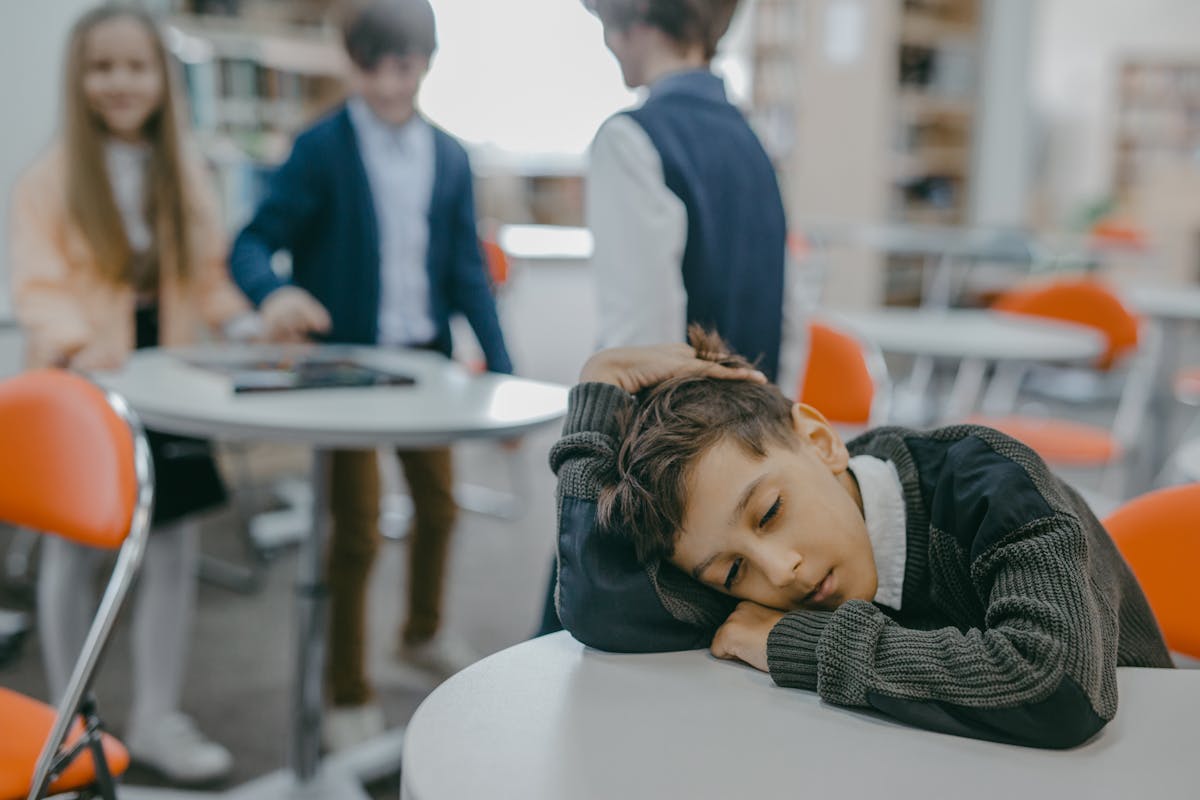
Children often show family stress through ordinary routines. A child may forget homework because the school bags keep moving between houses. Another may stop sleeping well because bedtime rules differ from one home to another. Some children become defiant because anger feels easier than sadness. Others become “perfect” because they fear adding stress to already overwhelmed parents.
Stable routines help children recover faster. Similar rules around homework, sleep, screen time, meals, discipline, and school attendance can give children a sense of control. Both homes do not need to be identical, but they should not feel like opposite planets. When parents coordinate the basics, children spend less energy adapting and more energy growing.
Divorce Changes Money Inside the Family
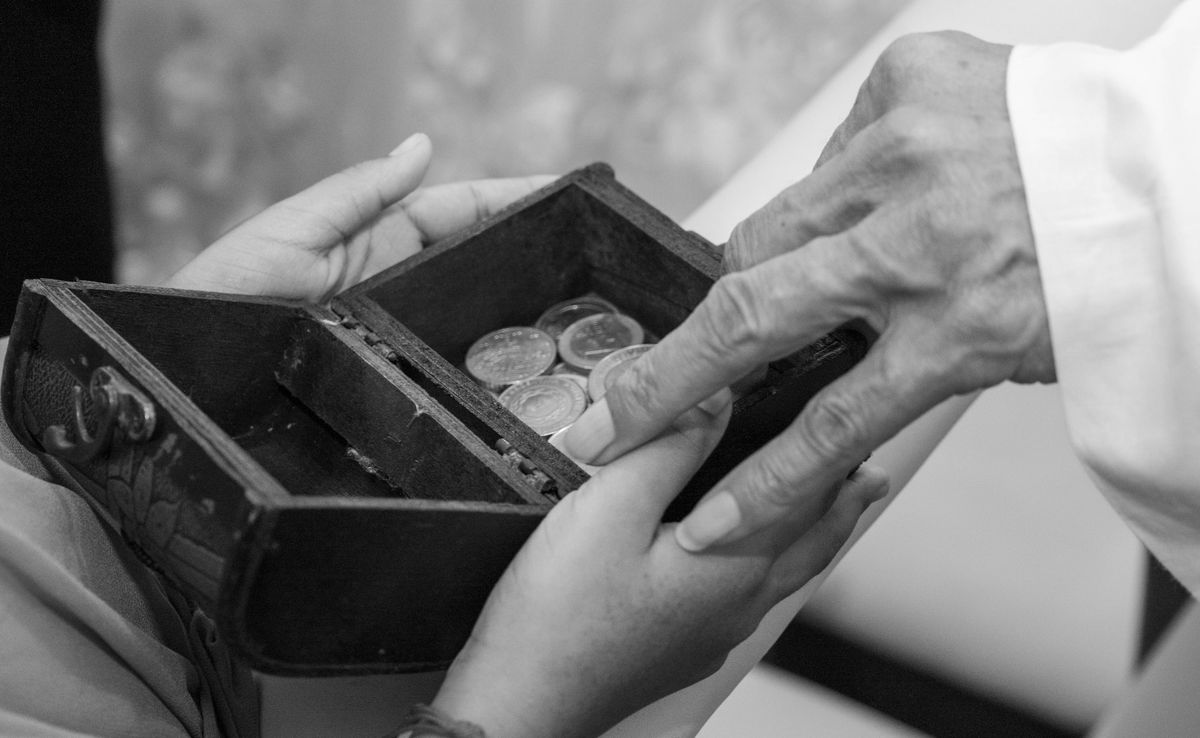
Divorce often reduces financial comfort because one household becomes two. Rent, utilities, transportation, childcare, legal fees, insurance, school expenses, and everyday bills can quickly increase pressure. Children may notice changes in housing, activities, vacations, clothing, or food, even when parents try to protect them from the full picture.
Money stress can also become emotional stress. A parent who feels financially cornered may become more irritable. Children may feel guilty for needing shoes, school supplies, sports fees, or birthday gifts. We should talk about money carefully around children. They can understand that the family budget has changed, but they should not feel responsible for adult financial strain.
Divorce Affects Holidays and Family Traditions
Holidays often reveal the emotional cost of divorce. A child who once woke up in one house on Christmas morning may now split the day between two homes. Thanksgiving, birthdays, graduations, weddings, religious celebrations, and family reunions can become complicated. Even small traditions, like Sunday dinner or summer trips, may suddenly need new rules.
Families heal better when adults create new traditions rather than forcing the old ones to remain unchanged. A child can have two birthday celebrations without feeling guilty. A teenager can spend one holiday with one parent and the next holiday with the other. Adult children can create neutral gatherings when possible. The goal is not to pretend nothing changed. The goal is to make the new version of the family feel stable, respectful, and emotionally generous.
Divorce Affects Blended Families
Many families do not stop changing after divorce. New partners may enter the picture. Children may gain stepparents, stepsiblings, or half-siblings. This can bring warmth and fresh support, but it can also create confusion. A child may wonder if loving a stepparent betrays a biological parent. A parent may expect instant closeness because the new relationship feels happy to them.
Blended families need patience. Love cannot be rushed into a child’s life like furniture into a new house. Children need time to adjust to new adults, new rules, new siblings, and new expectations. Stepparents should build trust before taking heavy authority. Biological parents should protect the child’s bond with the other parent when it is safe to do so.
Divorce Can Affect Mental Health

Divorce can trigger grief, anxiety, anger, shame, depression, loneliness, and fear in different members of the family. Parents may grieve the marriage and still feel relief. Children may miss the old family and still enjoy peace if the home becomes less tense. Adult children may feel embarrassed by how deeply the divorce affects them, especially when others expect them to “be grown” about it.
Mental health support can help families process the change before pain hardens into resentment. Therapy, support groups, school counselors, family mediation, and trusted community support can make the transition less isolating. Seeking help does not mean the family has failed. It means the family is taking the emotional impact seriously.
How to Reduce the Negative Impact of Divorce on The Family
The first step is to protect children from adult conflict. That means no bad-mouthing, no using children as messengers, no interrogation after visits, no emotional dumping, and no forcing children to pick sides. Parents should speak with calm honesty and repeat the most important message often: the divorce is not the child’s fault, and both parents remain responsible for loving and caring for them.
The second step is consistency. Children need predictable schedules, clear routines, stable rules, and reliable communication. If the schedule changes, parents should explain it early. If one parent cannot attend an event, the child should not feel abandoned. Small acts of reliability rebuild trust after a major family disruption.
The third step is emotional maturity. Divorce may end a marriage, but it does not end parenthood. Parents who remain child-centered can prevent many long-term wounds. That does not mean pretending everything is fine. It means choosing restraint, seeking support from adults rather than children, and making decisions based on the child’s stability rather than on personal revenge.
The Long-Term Effects of Divorce on Family Life
The long-term effect of divorce depends less on the legal ending and more on the family climate that follows. Some children grow into emotionally healthy adults because their parents handled the separation with care. Some families build new traditions, stronger boundaries, and more honest relationships. Divorce can end a painful marriage and still preserve a loving family structure.
Other families carry the impact for years because the divorce becomes part of their identity. Every holiday becomes a battle. Every achievement becomes a seating chart problem. Every new partner becomes a threat. Every child becomes a witness. Long-term healing begins when the adults stop treating divorce as a competition and start treating family stability as the shared mission, so the ending becomes a turning point rather than a wound that defines everyone.