10 Dark Facts About Being Single That Society Still Refuses to Admit
Being single can look glamorous from the outside. No one steals the blanket, no one questions your late-night snack choices, and no one turns a simple dinner plan into a diplomatic summit.
Yet beneath the freedom is a quieter truth we rarely discuss with enough honesty. Modern society says single adults are independent, but many systems still treat marriage as the default setting for adulthood.
That matters more now because singlehood is no longer a fringe lifestyle. In 2024, 34% of Americans age 15 and older had never been married, and the median age at first marriage had climbed to 30.2 for men and 28.6 for women.
Pew Research Center also found that 42% of U.S. adults were unpartnered in 2023, meaning they were not living with a spouse or romantic partner.
Single life is common, but many laws, prices, assumptions, and medical practices still assume that every responsible adult has a spouse waiting at home.
Being Single Is Often Treated Like a Personal Failure
The first dark fact about being single is not loneliness, money, or health. It is the way people quietly read your relationship status as a moral report card.
A married person can say they are tired, stressed, broke, or unhappy, and people usually treat those problems as normal life. A single person can say the same thing, and suddenly the room starts hunting for the missing partner who will supposedly fix everything.
This bias has a name. Singlism refers to unfair treatment of people who are single, and public awareness of it has grown as more adults delay marriage, avoid marriage, divorce, or build meaningful lives outside couplehood.
A YouGov survey found that four in ten Americans said single people face at least a little discrimination, with unmarried women especially likely to say the bias is real. That split is revealing because society neither fully denies the problem nor fully takes it seriously.
The insult is rarely loud. It hides inside jokes at weddings, family comments at holidays, workplace assumptions about who can stay late, and the tired idea that single people are incomplete adults. We should be honest about the damage.
When a culture treats romantic partnership as proof of maturity, it turns single adults into people who must constantly explain a life that may already be full, stable, and deeply chosen.
The Single Tax Quietly Hits Everyday Life

Being single can be expensive in ways married people rarely notice. A couple can split rent, utilities, groceries, streaming plans, furniture, hotel rooms, and household repairs.
A single adult often pays the full price alone, even when their income is no higher than one-half of a couple’s combined earnings. That is why the so-called single tax feels less like a metaphor and more like a monthly invoice.
The federal government has long recognized marriage as a legal status tied to benefits, rights, and privileges. A Government Accountability Office review identified 1,138 federal statutory provisions in which marital status determined or affected benefits, rights, and privileges.
That does not mean every married person automatically becomes wealthy, but it does show how deeply marriage is woven into the structure of American law.
The financial pressure gets sharper when we consider housing, travel, insurance, tax rules, and benefits. Single people may pay more per person for vacations because hotels and tour companies often charge double-occupancy rates.
They may lose access to a partner’s employer-sponsored health plan. They may have fewer tax and inheritance advantages. The cruel part is that single adults are often told they are “free,” but freedom grows thinner when every bill arrives without a second income to back it.
Housing Rules Still Leave Singles Exposed
Housing is one of the clearest places where single adults can feel the penalty. In many cities, rent is already brutal, and single renters have fewer ways to divide the damage.
A married or partnered household can afford a higher rent because two incomes often support one lease. A single person facing the same rental market has to carry the whole cost alone, then still prove stability to landlords who may unconsciously favor couples.
Federal housing protections do not treat marital status as a protected category. The Fair Housing Act prohibits housing discrimination based on race, color, national origin, religion, sex, familial status, and disability, but marital status is not listed as a federally protected class.
Some states and localities have their own protections, but the national baseline leaves a gap that matters when landlords, agents, or housing systems treat couples as safer or more desirable tenants.
That gap affects more than pride. Housing shapes safety, commute time, job access, mental health, and financial mobility. A single adult may be perfectly responsible and still be viewed as less stable than a couple.
We should not pretend that bias disappears because it arrives dressed as “preference,” “risk assessment,” or “family-friendly housing.”
Loneliness Can Become a Health Risk When Support Is Thin

Being single does not automatically mean being lonely. Many single adults have strong friendships, close siblings, active communities, faith networks, neighbors, coworkers, and chosen family.
Some married people feel painfully alone inside the same house as their spouse. The real danger is not singlehood itself. The danger is a weak social connection.
The CDC reports that about one in three U.S. adults feels lonely, and about one in four reports lacking social and emotional support.
The World Health Organization has also warned that loneliness and social isolation carry serious health consequences, estimating that loneliness accounts for about 871,000 deaths each year worldwide.
Those numbers matter because the conversation should move beyond “find a partner” and focus on building a dependable human connection.
The dark side appears when single adults lack backup during illness, grief, job loss, emergencies, or aging. A spouse is not the only valid support system, but society often assumes the spouse is the automatic first responder.
When there is no partner, single adults may have to build that support deliberately. The strongest protection is not a wedding ring. It is a reliable network that notices when you go quiet, checks in when life gets heavy, and shows up when help is needed.
Living Alone Can Raise Depression Risk, But Support Changes the Story
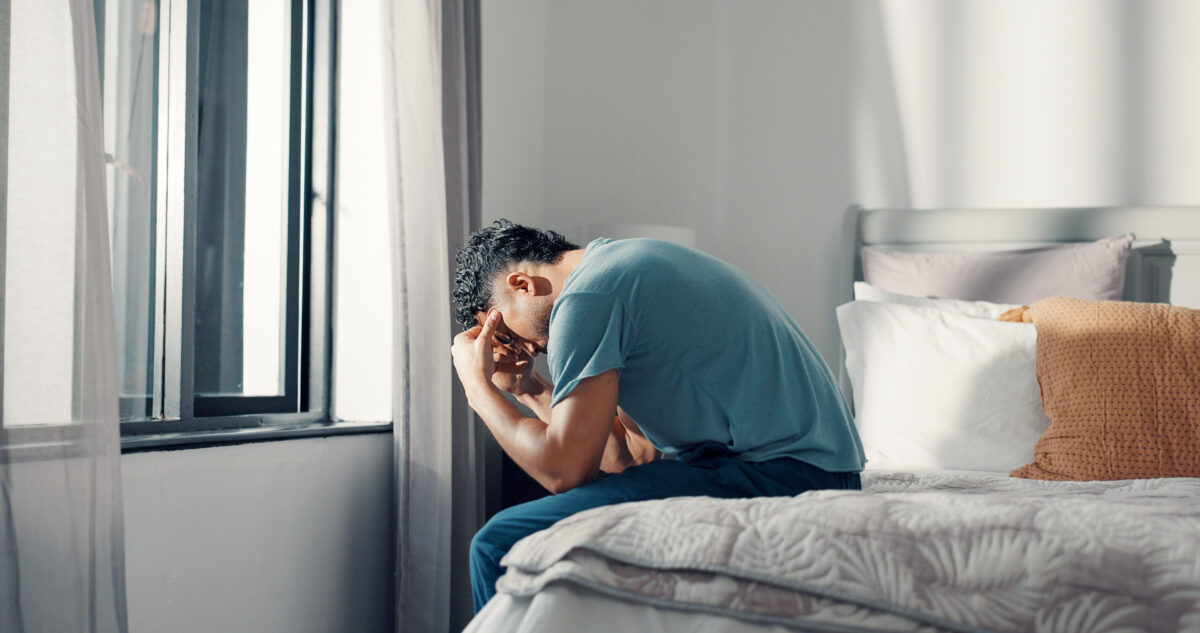
Living alone can feel peaceful, especially after a stressful relationship or crowded family life. The silence can be healing. The space can be yours. The problem begins when privacy turns into isolation, and isolation becomes the default rhythm of life.
A 2024 National Health Statistics Report from the CDC found that 16% of U.S. adults lived alone in 2021. Adults living alone reported feelings of depression at a higher rate than adults living with others, 6.4% compared with 4.1%.
The same report found a striking nuance: among people who received social and emotional support sometimes, usually, or always, there was no significant difference in reported depression by living arrangement.
That last point is the one we should underline. Living alone is not the villain. Unsupported living alone is where the danger grows teeth.
A single adult with weekly dinners, real friendships, community routines, and someone to call during a crisis may be emotionally safer than a married person trapped in a cold relationship.
The goal is not to scare people into romance. The goal is to treat connection like infrastructure, not decoration.
Medical Systems Can Mistake Marriage for Support
One of the darkest facts about being single appears in health care. Doctors often need to know whether a patient has support at home after surgery, chemotherapy, radiation, or aggressive treatment.
That question is legitimate. The danger begins when marital status becomes lazy shorthand for support.
Joan DelFattore’s widely discussed New England Journal of Medicine article, “Death by Stereotype? Cancer Treatment in Unmarried Patients,” challenged the assumption that unmarried cancer patients simply do worse because they lack a will to live or have no support.
University of Delaware’s summary of her work noted that doctors may treat marital status as a shortcut for social support, and her review found that cancer patients with a current spouse were more likely to receive surgery or radiotherapy than divorced, separated, widowed, or never-married patients.
The ethical problem is enormous. A patient without a spouse may still have adult children, siblings, friends, neighbors, church members, professional caregivers, or community support.
A married patient may have a spouse who is unavailable, ill, abusive, overwhelmed, or emotionally absent. Medical decisions should ask about actual support, not assume it from a checkbox.
Single Women Face a Unique Double Standard
Single men and single women both face pressure, but women often receive the sharper edge. A single man may be framed as independent, picky, focused, or “not ready yet.”
A single woman may be treated as desperate, difficult, lonely, selfish, career-obsessed, unlucky, or as having passed some imaginary deadline. The judgment often intensifies around motherhood, age, sexuality, and money.
This double standard appears in social life, family conversations, media narratives, and even public debates about birth rates. A woman who chooses singlehood can be accused of rejecting family values.
A woman who wants a partner but has not found one may be treated as the problem. A single mother may face stigma for parenting without a spouse, even when she is carrying responsibilities many two-parent households struggle to manage.
We should call this what it is. It is not a concern. It is surveillance disguised as concern. Women are often told to raise their standards, then mocked for having standards.
They are told to leave unhealthy relationships, then questioned when they remain single after leaving. The dark fact is not that single women are miserable. The dark fact is that society often seems annoyed when they are not.
Workplaces Often Assume Singles Have No Boundaries

Single adults frequently get treated as the flexible ones. They are expected to cover holidays because they “do not have family.” They are asked to stay late because no spouse or child is waiting for them.
They may be viewed as easier to relocate, easier to overload, and less entitled to personal time. The workplace may not say this officially, but many single employees recognize the pattern.
This assumption rests on a narrow definition of family. A single person may care for aging parents, siblings, nieces, nephews, friends, pets, community members, or themselves after burnout.
They may need rest, medical appointments, social time, religious observance, creative work, or simple privacy. A person should not need a spouse or child to justify a full life outside work.
The deeper issue is fairness. Married employees should not be punished for having families, but single employees should not be treated as backup labor. Time off should be based on policy, workload, and humanity, not relationship status.
When workplaces respect single adults as complete people, everyone benefits because boundaries no longer depend on who has the most socially approved excuse.
Single Life Can Hide Emergency Vulnerability
The hardest moments of singlehood often arrive suddenly. A fall in the bathroom. A hospital discharge form. A car accident. A job loss. A landlord problem.
A surgery date. A late-night panic when the person you want to call does not exist, no longer exists, or lives too far away. These moments expose the difference between independence and backup.
Married people can also be abandoned in emergencies, so marriage is no guarantee. Still, society often builds emergency planning around a spouse as the default contact, driver, caregiver, advocate, and legal decision-maker.
Single adults have to be more intentional. They need emergency contacts who have agreed to the role, health care proxies, power of attorney documents where appropriate, shared medical information, and trusted people who know what to do if something goes wrong.
This is not gloomy. It is adult life. We plan insurance, passwords, rent, taxes, and retirement, yet we often avoid planning human backup because it feels embarrassing.
A single adult who builds an emergency circle is not admitting weakness. They are doing what every household should do before trouble knocks.
The Darkest Lie Is That Any Relationship Is Better Than None

The most dangerous message in the conversation about being single is the idea that singlehood should be escaped at any cost.
That belief pushes people into bad relationships, rushed marriages, abusive homes, financial dependency, emotional neglect, and years of quiet regret.
A lonely single person needs connection, not panic. A vulnerable single person needs support, not a low-quality relationship sold as rescue.
We should separate the two truths. Strong relationships can protect health, finances, emotional stability, and long-term planning. Bad relationships can damage all of those things.
A spouse who offers care, respect, stability, and partnership can be a blessing. A spouse who brings chaos, contempt, violence, betrayal, addiction, or control can be worse than solitude.
The real lesson is not that everyone needs a significant other immediately. The real lesson is that everyone needs a dependable connection. Romantic love can be part of that, but it should not be the only pillar holding up a life.
We need friendships that are treated seriously, communities that notice single adults, doctors who ask better questions, workplaces that respect boundaries, and policies that stop treating unmarried people as afterthoughts.
Key takeaways
We need a better public conversation about singlehood. The lazy version says single people are sad, married people are safe, and a romantic partner fixes the hard parts of life. Reality is more complicated.
Some single adults are thriving. Some married adults are lonely. Some people desperately want love. Others have built peaceful lives outside romance. The issue is not whether singlehood is good or bad.
The issue is whether society is fair to people whose lives do not revolve around a spouse.
The strongest path forward is not shame. It is designed. Health care systems should assess the effectiveness of real support networks. Workplaces should protect personal time without ranking family types.
Housing and pricing systems should stop quietly penalizing solo adults. Families should stop treating single relatives like unfinished projects. Single adults should build practical circles of care, not because they are broken, but because everyone needs people.
Being single is not a tragedy. Being unsupported can become one. The difference between the two is where the real story begins.