10 Disturbing Reasons Modern Friendships Are Falling Apart in America
Friendship in America used to have a rhythm. Somebody dropped by after work. Neighbors talked over fences. Kids played outside until a parent yelled from the porch.
Friends met at diners, church picnics, office break rooms, bowling alleys, backyard cookouts, college dorms, and Friday night football games without needing three calendar reminders and a group chat vote.
Now, a friend can live ten minutes away and still feel like an impossible distance to see.
That is the strange sadness behind the falling apart of friendships in America. People are texting, reacting, posting, and sharing more. Yet many still feel like nobody really knows what is happening behind the smile, the meme, or the “I’m good” reply.
Recent time-use data shows Americans are socializing less than they did a decade ago. In 2024,30% of people spent time socializing and communicating on an average day, down from 38% in 2014. The time spent on those activities also dropped from 43 minutes to 35 minutes a day.
Everyone is too busy to be fully present.
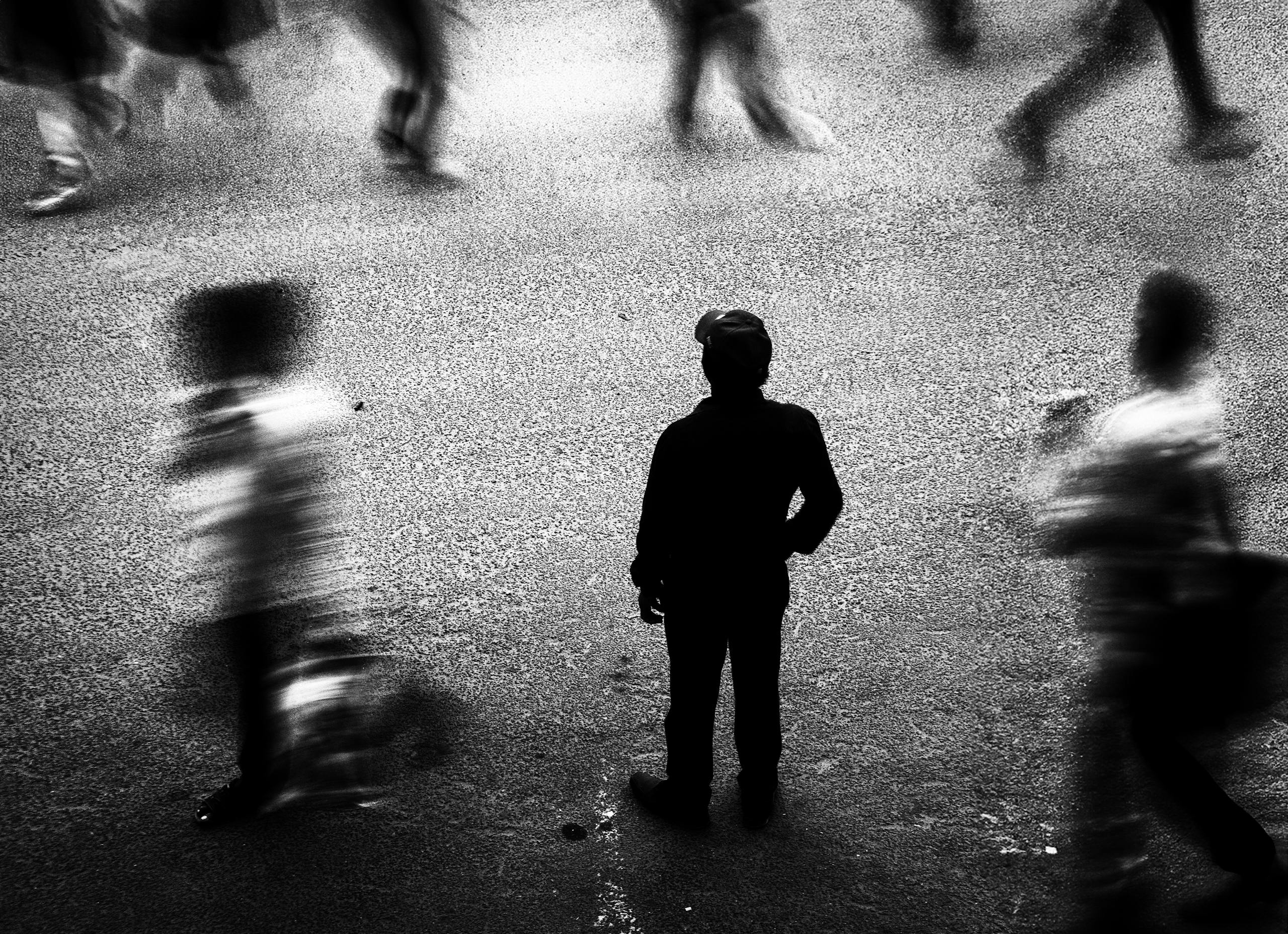
Modern friendship often dies by schedule, not betrayal.
One friend works late. Another has kids. Someone is broke. Someone moved across town. Another person is exhausted from work, school, caregiving, or simply trying to survive another expensive week. A simple dinner turns into six texts, two date changes, and one final “let’s try next month.”
Nobody means to disappear. Life keeps pushing friendship into the leftover corners.
That slow drift can hurt more than a big argument. At least an argument admits something happened. Busy distance feels cleaner, but it can be just as painful. People still care about each other. They stop showing up often enough for the friendship to feel alive.
Friendship needs repetition. It grows through coffee after work, Sunday walks, casual dinners, long phone calls, and quick check-ins that turn into real conversations. When connection only happens after everyone’s calendars are perfect, friendship starts to lose oxygen.
Group chats are replacing real-time together.
The group chat feels alive until you realize nobody has actually met in months.
Friends trade memes. Someone complains about work. Someone sends a dating app screenshot. Another person drops a “we seriously need to hang soon,” and everybody agrees. Then the conversation moves on. No date is picked. No table is booked. No one shows up with chips and a bottle of wine.
That is the trap.
Group chats can keep friendships alive, but they cannot keep them healthy forever. A laughing emoji is not the same as laughter across a kitchen table. A voice note is not the same as a long walk. A meme is not the same as noticing that someone’s voice sounds different.
Modern friendships are falling apart in America partly because digital contact keeps people feeling close enough to avoid panic, but not close enough to feel held. The relationship looks active. The actual bond may be starving.
Social media makes friendship look easier than it is
Social media gives the illusion that everyone is still connected. You see your friend’s vacation photos. They see your birthday post. Someone likes your lunch photo. Another person reacts to your story. Everyone knows the updates, but fewer people know the truth behind them.
That creates a strange kind of emotional laziness. People feel informed without being involved. They know someone changed jobs, moved apartments, got engaged, had a baby, or went through a breakup, but they may never call to ask how it really feels.
Visibility is not intimacy.
A post can make friendship look alive while the real relationship sits untouched. People may know the highlight reel better than the person. That matters because friendship is built in the unedited spaces: the messy kitchen, the tired voice, the boring errand, the late-night confession, and the ordinary moment nobody would post.
Remote work removed the casual connection.

Remote work gave Americans freedom from traffic, office small talk, bad breakroom coffee, and fluorescent lights that made everyone look slightly defeated. It also made the weekday quieter.
The old office had problems, but it created an accidental connection. A coworker asked about your weekend. Someone noticed you looked tired. Lunch plans happened without a formal invitation. New friendships grew from small routines that required little effort.
At home, those moments disappear.
A person can spend eight hours on video calls and still feel socially empty. Coworkers become names in a chat window. New employees miss the hallway conversations that once explained how the workplace really worked. The day becomes efficient, but less human.
Remote work is not the enemy. Isolation is. When work loses casual contact, friendship loses one of its easiest entry points.
Americans are losing the neighborly habit.
Many American friendships used to begin close to home.
Someone borrowed a ladder. Someone watched the dog. Someone waved from the driveway. Kids played together because they lived on the same street. A neighbor knew when you were sick, when your car would not start, or when your porch light had been off too long. That habit is fading.
Recent neighborhood data shows that only 40% of Americans now talk to neighbors regularly, meaning at least a few times a week. In 2012, nearly six in ten Americans did. Young adults have seen an even sharper drop, with regular engagement with neighbors falling from 51% in 2012 to 25% in 2026.
That loss matters because neighbors are not just background characters. They can become friends, helpers, witnesses, and a quiet safety net. When Americans stop knowing the people closest to them, daily life becomes more private. It also becomes lonelier.
Money stress is killing casual social life.
Friendship costs more than people admit. Dinner costs money. Drinks and gas cost money. Concerts, trips, birthdays, weddings, baby showers, weekend brunch, and even coffee can turn into budget decisions. When Americans feel financially squeezed, social life is often one of the first things to shrink.
Nobody wants to say, “I cannot afford to see you.” So they say they are busy. They say they are tired. They say next time. Eventually, invitations slow down because everyone assumes the others are unavailable.
Money shame can quietly destroy a friendship. A person may deeply miss their friends and still avoid plans because every outing feels like a threat to rent, groceries, debt, or savings. Good friendship should not depend on spending, but American social life often makes it feel that way.
The cheapest bonds are often the strongest, but people have to choose them on purpose: walks, home dinners, porch talks, game nights, potlucks, and honest invitations that do not require anyone to perform wealth.
Politics has made friendship feel risky.
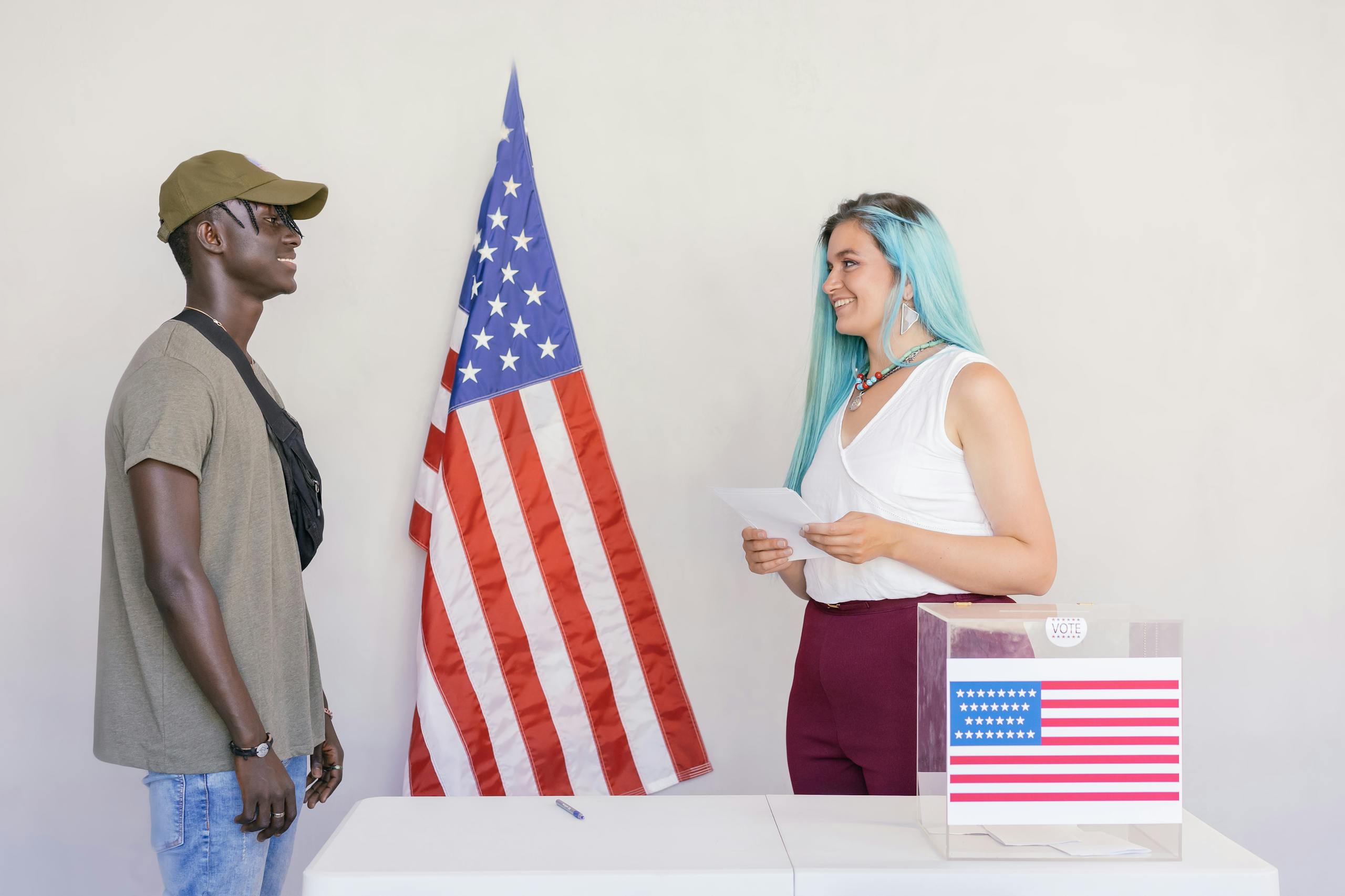
Friendship used to survive disagreement more easily. Now, politics can turn a casual conversation into a loyalty test.
Americans are arguing about elections, race, immigration, guns, abortion, gender, policing, religion, schools, speech, and what kind of country they believe they live in. These issues feel personal. For many people, disagreement no longer sounds like a different view. It sounds like a threat to their values.
That makes friendship fragile.
Some people avoid hard topics to keep the peace. Others cut ties after one argument. A few quietly keep score of every post, comment, and shared article. The result is a social world where people feel guarded even around people they once trusted.
Friendship needs honesty, but it also needs grace. Once every disagreement becomes proof of someone’s entire character, relationships have very little room to breathe.
Life stages are pulling friends into separate worlds.
Romance, marriage, parenting, divorce, and career changes can rearrange friendships fast.
One friend gets married and disappears into couple routines. Another has kids and enters a world of daycare pickups, school forms, pediatric appointments, and exhausted weekends. A single friend feels left behind.
A divorced friend feels awkward around couples. A child-free friend gets tired of every plan revolving around nap schedules.
Nobody has to be wrong for the distance to grow.
Life stages create different rhythms. The single friend wants spontaneous drinks. The parent needs two weeks’ notice and a babysitter. The married friend may mostly socialize with other couples. The friend caring for aging parents may have no emotional energy left by Friday night.
Friendships can survive these shifts, but only when people adjust rather than assume closeness will maintain itself. Without effort, separate lanes become separate lives.
People are protecting their peace, sometimes too quickly
A lot of Americans are more serious about boundaries now.
That can be healthy. People are leaving toxic friendships, refusing emotional dumping, ending one-sided relationships, and paying attention to how certain people affect their mental health. Not every friendship deserves unlimited access. Still, there is a downside.
Some people now end friendships rather than repair them. A hard conversation gets avoided. A disappointing season gets labeled toxic. A missed text becomes proof of disloyalty. A normal conflict becomes a reason to disappear.
Boundaries matter, but patience matters too.
Every friendship will include awkward moments, unequal seasons, imperfect support, delayed replies, misunderstandings, and human messiness. If people expect friendship to feel easy all the time, many relationships will not survive the ordinary ups and downs of life.
Loneliness makes people withdraw even more.

Loneliness has a cruel trick. It makes people crave connection while also avoiding it.
A lonely person may feel forgotten, then stop reaching out because they do not want to seem needy. They may miss their friends, then assume nobody wants to hear from them. They may see photos of others having fun and feel too embarrassed to ask for an invitation.
The less someone connects, the harder the connection feels. The harder the connection feels, the more they retreat.
Adults younger than 50 are more likely than older adults to say they often feel lonely, at 22% compared with 9%. Lower-income, unpartnered, and less educated adults are also among the groups most likely to report frequent loneliness.
That is the painful loop. Modern friendships do not always fall apart because people stop caring. Sometimes they fall apart because lonely people stop believing they are wanted.
Conclusion
Modern friendship in America is not dying because people have become heartless. It is falling apart because the surrounding country has changed.
Work moved home. Social life moved online. Neighbors became strangers. Money made fun harder. Politics made honesty riskier. Busy schedules made simple plans feel complicated. Loneliness made people retreat from the very connection they needed. Still, friendship can be rebuilt.
Not through perfect social lives. Not through endless group chats. Not through likes, reactions, and polished posts. Real friendship returns when people make room for ordinary presence again.
The friend who calls for no reason. The neighbor who waves every morning. The person who remembers the hard date. The group that keeps meeting even when life gets messy. The old friend who finally says, “I miss you. Let’s actually make a plan.”
That is where friendship comes back. Not online. Not someday. Not when life gets easier. Here, in the small moments, people choose not to let them disappear.