8 Dark Facts About Being Single That Modern Adults Can No Longer Ignore
The Modern Single Life Is No Longer Rare
Being single is no longer a detour in adult life. It is now a major part of modern society, especially in the United States, where millions of adults are unmarried, divorced, widowed, living alone, dating casually, raising children alone, or choosing independence over a rushed relationship.
The U.S. Census Bureau estimated that 132.3 million Americans aged 15 and older were unmarried in 2022, which means single life is not a fringe lifestyle. It is one of the largest realities shaping homes, money, health, work, and family life today.
We also see this shift inside American homes. In 2024, there were 38.5 million one-person households in the United States, making up 29 percent of all households, compared with only 19 percent in 1974.
That rise tells us something important. More people are living alone, paying alone, planning alone, aging alone, and building daily routines without a spouse in the house.
Yet the dark side of being single is often handled badly. Some people treat single adults like unfinished people. Others assume they are lonely, selfish, immature, unlucky, or secretly desperate.
We need a better conversation because the real issue is not that every single person needs to be rescued by romance.
The real issue is that many systems still reward couples, protect couples, price things for couples, and quietly leave single people to carry heavier burdens on one income, one signature, and one emergency contact.
Being Single Can Quietly Cost More Every Month

One of the darkest facts about being single is that independence often comes with a private bill. Rent, utilities, groceries, transportation, insurance, subscriptions, furniture, travel, and emergency savings all become heavier when one adult carries costs that couples often split.
The freedom of having your own space is real, but so is the financial pressure of paying for that space alone.
A 2026 Zillow Rentals analysis found that renters who live alone pay an average of $10,470 more per year than renters who share housing.
Zillow described this as a national singles tax, with New York City reaching an even harsher level, where solo renters pay $23,400 more per year than people who share housing. That is not a small inconvenience.
That is a down payment delayed, a retirement account weakened, a vacation canceled, or a credit card balance that refuses to die.
The tax system also shows how much adult life is still built around marital status. For tax year 2026, the IRS standard deduction is $16,100 for single filers and $32,200 for married couples filing jointly.
On paper, that looks like a simple doubling, but real life is not always that tidy because two adults sharing one household can often stretch income farther than one person covering everything alone.
Retirement can add another layer. Social Security spousal benefits can be worth as much as half of a worker’s primary insurance amount, depending on the spouse’s retirement age and eligibility.
A lifelong single person who never qualifies through marriage or a former marriage does not have that same backup channel.
That does not mean marriage is automatically a retirement plan, but it does mean single adults often need to plan with sharper attention because fewer automatic protections are built in.
Single People Still Face a Bias That Many People Pretend Does Not Exist
Single adults are often told society has moved on, but everyday life says otherwise. The bias can be small enough to laugh off and painful enough to remember for years.
A single person may be asked when they will finally settle down, treated as the flexible worker who can stay late, seated awkwardly at events, excluded from couple-centered plans, or pitied during holidays as if their entire life is one long waiting room.
Researchers have called this bias singlism. A widely cited paper in Current Directions in Psychological Science described single people as targets of negative stereotypes and discrimination, with unmarried adults often judged as immature, maladjusted, or self-centered, even when the real differences between married and unmarried people are much smaller than people assume.
That bias does more than hurt feelings. It shapes family conversations, workplace assumptions, housing arrangements, medical expectations, and even how people interpret success.
A married person with a quiet weekend may be seen as peaceful. A single person with the same quiet weekend may be seen as lonely.
A married person focused on work may be seen as responsible. A single person doing the same may be called obsessed, picky, or unable to balance life.
We should be honest about the contradiction. Modern culture sells independence as glamorous, but it often treats actual independent adults as suspicious.
Single people are praised in slogans and punished in social rituals. The result is a strange emotional tax where single adults must keep proving that their lives are not empty simply because a romantic partner is not standing beside them.
Loneliness Becomes Dangerous When Single Life Lacks Support
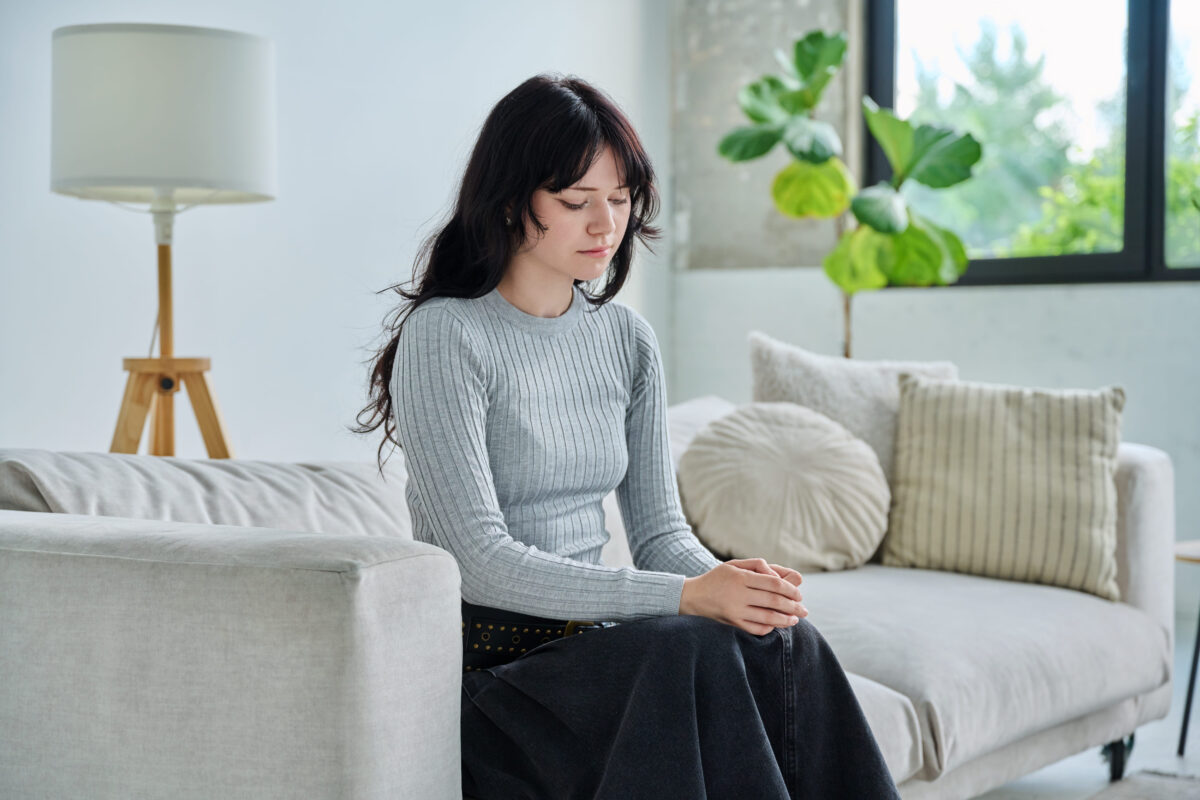
Being single and being lonely are not the same thing. Many single adults have rich friendships, close families, strong faith communities, active careers, and deeply meaningful lives.
At the same time, social isolation can become a serious risk when a single person has weak community ties, limited family support, financial stress, illness, or long stretches of emotional disconnection.
The CDC describes loneliness and social isolation as widespread problems in the United States and says about one in three adults report feeling lonely, while about one in four report not having the social and emotional support they need.
That matters because loneliness is not just a sad mood after dinner. It can shape sleep, stress, inflammation, heart health, depression risk, and the way people cope when life becomes heavy.
The risk becomes clearer when we look at people living alone. A 2024 National Center for Health Statistics report found that 6.4 percent of adults living alone reported feelings of depression, compared with 4.1 percent of adults living with others.
The same report showed that social and emotional support changed the picture, which means the danger is not living alone. The danger is living alone without a reliable connection.
This is where single life can become quietly hazardous. A person can look successful from the outside and still have nobody checking whether they got home safely, ate a proper meal, made the doctor’s appointment, or survived a hard week emotionally.
We should stop reducing single loneliness to jokes about dating apps and empty beds. For some people, the darker issue is the absence of a steady witness to their daily life.
Medical Emergencies Can Become Messy Without Legal Planning
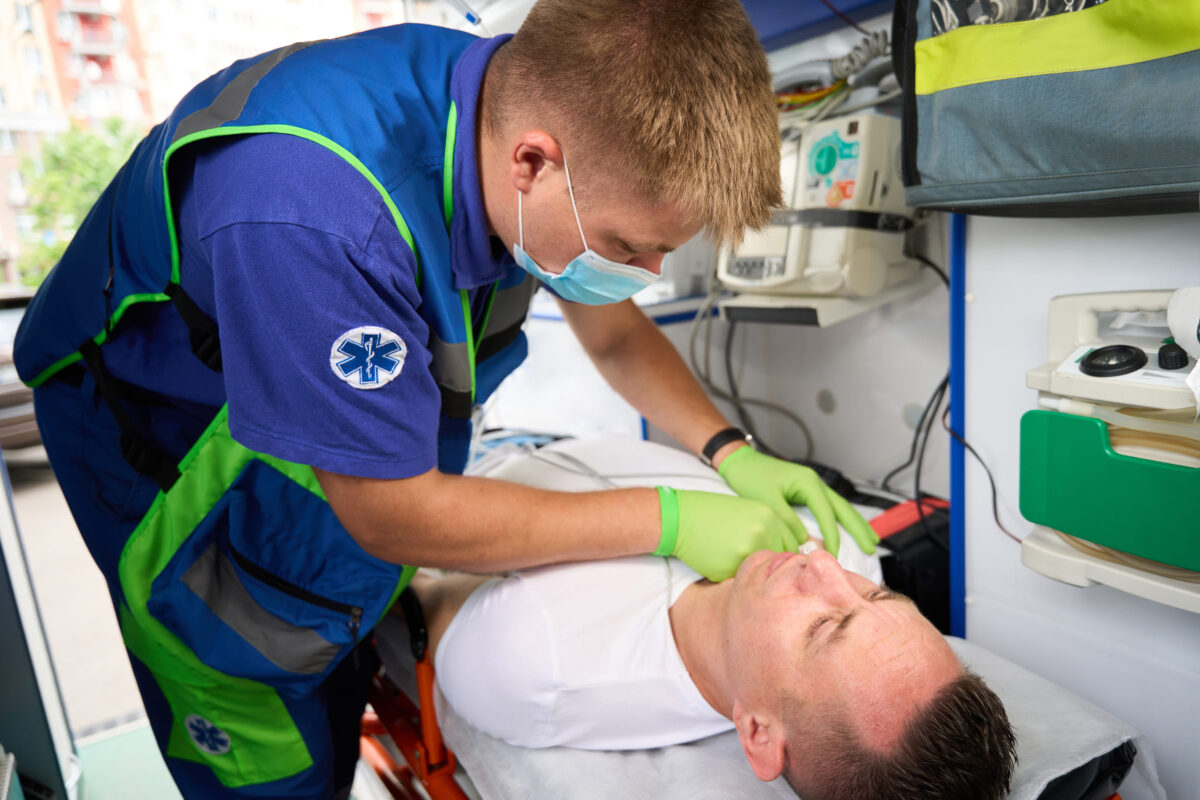
Marriage often gives people a default role in emergencies. A spouse may be the person doctors call, the person who signs forms, the person who knows medications, the person allowed into difficult conversations, and the person who can push back when care feels wrong.
Single adults can have equally devoted loved ones, but the law and hospital systems do not always recognize chosen family as smoothly as legal family.
The National Institute on Aging warns that unmarried people who have not named a partner or trusted person as a health care proxy may find that person excluded from decision making. That is a chilling detail because the person who knows your wishes best may not be the person the system turns to first.
The American Bar Association explains that an advance directive allows an adult to name an agent to make health care decisions if the adult cannot speak for themselves.
This kind of planning matters for everyone, but it is especially important for single adults, unmarried partners, estranged relatives, and people who rely on close friends rather than spouses.
The dark fact is simple. A single person may have love, loyalty, and support around them, but without paperwork, those relationships can become invisible at the worst possible moment.
A friend who knows your values may be pushed aside. A distant relative may suddenly have more authority than the person who actually understands your life. Romance is not the only solution, but legal preparation is not optional for adults who want control over medical decisions.
Unmarried Patients May Face Dangerous Assumptions in Serious Illness
One of the most disturbing dark facts about being single is that marital status can influence how seriously a patient’s support system is viewed.
In a medical crisis, doctors may assume a married patient has help and an unmarried patient does not. That assumption can become dangerous when it affects treatment recommendations.
Joan DelFattore, writing in The New England Journal of Medicine, examined the problem of cancer treatment in unmarried patients and raised concern about stereotypes that equate the absence of a spouse with the absence of support.
The argument is not that every doctor acts unfairly. The concern is that medical decisions can be shaped by hidden assumptions about who can endure aggressive treatment, who has help at home, and whose life is socially supported.
Reports on DelFattore’s work noted that unmarried cancer patients have been found less likely to receive potentially life saving surgery or radiotherapy than married patients.
That should make us uncomfortable because marital status is not the same as resilience, discipline, family support, friendship support, financial capacity, or the will to live.
We should be careful with this point because marriage can provide real caregiving support during illness. A devoted spouse can manage appointments, meals, medications, insurance calls, transportation, and emotional care. Still, the opposite assumption is dangerous.
A single patient may have siblings, adult children, close friends, neighbors, church members, coworkers, or professional caregivers ready to help.
A married patient may have a spouse who is ill, absent, overwhelmed, abusive, or emotionally unavailable. Good care should assess the real support system, not the wedding ring.
Dementia Research Around Single Life Is More Complicated Than Scary Headlines Suggest
Older articles often claimed that being single sharply increases dementia risk. That claim came from real research, but newer findings have complicated the story.
We should not turn dementia into a fear tactic against single adults, and we should not pretend social connection is irrelevant either.
A 2017 systematic review and meta analysis looked at 15 studies involving 812,047 participants and reported that lifelong single adults had a higher dementia risk than married adults, with widowed adults also showing elevated risk.
The researchers suggested that social connection, healthier routines, and spousal support might partly explain the association.
However, a 2025 study published in Alzheimer’s & Dementia challenged the older assumption.
It followed more than 24,000 adults aged 50 and older for up to 18 years and found that unmarried individuals may have a lower dementia risk than married adults, though the authors noted possible explanations such as delayed diagnosis among unmarried people.
This is exactly why we need a smarter article about single life. The dark fact is not that single people are doomed to cognitive decline.
The dark fact is that health narratives often oversimplify singlehood. Marriage quality, friendships, income, education, exercise, medical access, caregiving stress, diagnosis patterns, and community ties all matter.
We should focus less on scaring people into marriage and more on helping every adult build a life with movement, purpose, strong relationships, routine checkups, and people who will notice when something changes.
Single Parents and Unmarried Mothers Often Carry Harsher Judgment

Singlehood becomes even more heavily judged when parenting enters the picture. A single adult without children may be told they are selfish.
A single parent may be told they are irresponsible, overwhelmed, or incomplete. Women often face the sharpest version of this judgment, especially when pregnancy, motherhood, money, and respectability politics collide.
In the United States, one parent households are a major part of family life. The Census Bureau estimated that there were 9.8 million one parent households in 2023, including 7.3 million mother only households and 2.5 million father only households.
These families are not rare exceptions. They are classrooms, apartment buildings, church rows, grocery lines, and workplaces across the country.
The darker reality is that many systems still expect two adults and then punish households that have only one.
A single parent may need the income of two adults, the schedule flexibility of a stay-at-home caregiver, the emotional patience of a rested person, and the public respect accorded to a traditional family.
That is an impossible math problem. It can make every sick day, school meeting, rent increase, childcare bill, and emergency feel like a test of survival.
Globally, the judgment can be even harsher. The U.S. State Department’s 2023 human rights report on Tunisia noted legal and social concerns involving the rights of single mothers and children born out of wedlock, along with inheritance distinctions for men and women.
That example shows how marital status can become more than a private label. In some settings, it can shape a woman’s safety, her child’s rights, and her access to dignity.
Happily Single People Can Make Society Uncomfortable
One of the strangest dark facts about being single is that sadness is often more acceptable than happiness. A lonely single person fits the old script. A bitter single person fits the bill for the warning story.
A desperate single person gives others something to advise on. But a happy single person can disturb the room by challenging the belief that marriage is the only respectable proof of adulthood.
The American Psychological Association has highlighted research showing that many single people embrace single life and may experience strong personal growth, meaningful connections, and fulfilling lives.
That does not mean singlehood is better for everyone. It means the old idea that single people are automatically incomplete is too shallow to survive serious scrutiny.
This is where the conversation becomes emotionally loaded. Some people need single adults to be unhappy because it validates their own sacrifices.
Others feel threatened by single people who enjoy freedom, travel, quiet homes, financial control, deep friendships, or creative focus. A happily single adult quietly asks a question many people do not want to face.
Did we choose marriage from love, or did we choose it because society made every other path look like failure?
We should not romanticize single life either. Some single adults are thriving. Some are lonely. Some are healing. Some are searching. Some are single by choice. Some are single because dating has become exhausting, expensive, unsafe, or emotionally disappointing.
The point is not to make singlehood look perfect. The point is to stop pretending marriage is the only acceptable answer to adulthood.
How We Should Understand the Real Dark Side of Being Single
The real dark side of being single is not that every single person secretly needs a spouse. That is too lazy, too outdated, and too insulting to adults who have built rich lives outside marriage.
The real dark side is that single people often live within systems that still assume the safest adult is a married adult, the most stable household is a two-adult household, and the most legitimate support system is a spouse.
That assumption creates blind spots. It makes solo renters pay more. It makes relatives ask rude questions. It makes employers assume single workers have endless time.
It makes doctors underestimate support networks. It makes emergency planning more complicated. It makes happy single adults defend the happiness that married adults are allowed to claim without evidence.
We need to separate the two truths. A good relationship can be one of life’s greatest protections. A bad relationship can be one of life’s greatest dangers. Being single can be peaceful, empowering, creative, and healthy.
Being single can also be expensive, isolating, legally risky, and emotionally heavy when support is weak. Adult life is not saved by a relationship status. It is strengthened by real care, wise planning, healthy connections, and people who show up when life stops being easy.
Practical Ways Single Adults Can Protect Their Future
Single adults should build protection before a crisis arrives. That means creating an emergency contact list, naming a health care proxy, preparing advance directives, saving more aggressively where possible, reviewing insurance coverage, building trusted friendships, and refusing to let dating be the only source of emotional support.
We should treat chosen family as a serious life structure, not a cute phrase.
Financially, single adults benefit from planning under the assumption that no one else will automatically split the bill. That may sound harsh, but it can become empowering.
A clear budget, emergency savings, disability insurance, retirement contributions, estate planning, and shared housing decisions can reduce the pressure. Independence works best when it is supported by structure.
Socially, single adults should not wait for romance before building a full life. Friends, neighbors, siblings, coworkers, mentors, faith communities, clubs, volunteer groups, and professional networks can create the kind of safety net that people wrongly assume only marriage provides.
A single life with a strong connection is very different from one lived in quiet isolation.
FAQs About Being Single, Loneliness, and Relationship Pressure
Is being single bad for your health?
Being single is not automatically bad for your health. The bigger issue is social support. A single person with strong friendships, healthy routines, medical care, and meaningful community may be healthier than a married person in a stressful or unsupported relationship.
Why is being single so expensive?
Being single can be expensive because many major costs are easier to share in a two adult household.
Rent, utilities, furniture, groceries, transportation, travel, and emergency expenses often fall on one income when someone lives alone. Housing is usually the biggest pressure point.
Are single people lonelier than married people?
Some single people are lonely, but loneliness is not limited to single adults. Many married people also feel isolated in unhappy relationships. The strongest protection is not simply marriage, but reliable emotional support, belonging, and regular social connection.
Do single adults need legal documents more than married adults?
Everyone benefits from legal planning, but single adults often need it more urgently. Without a spouse, the person they trust most may not have automatic authority in a medical emergency.
Health care proxies, advance directives, wills, and financial powers of attorney can prevent confusion.
Can single people be happier than married people?
Yes, many single people live deeply happy and meaningful lives. Research highlighted by the American Psychological Association shows that single adults can experience growth, strong relationships, and fulfillment.
Happiness depends on the quality of someone’s life, not only their relationship status.
Should someone get married to avoid the dark side of being single?
Marriage should not be used as a panic insurance policy. A healthy partnership can provide love, support, and stability, but a poor partnership can create stress, financial damage, emotional pain, and health risks.
The better goal is to build a strong life, then choose a relationship only if it genuinely adds care, respect, and peace.
Key takeaways
Being single is not a tragedy, but it is not always the carefree life people imagine, either. The dark facts are real. Single adults can pay more, face bias, carry heavier planning burdens, struggle with isolation, and become invisible inside systems designed around spouses.
Those problems deserve serious attention, not jokes, pity, or pressure.
We should stop asking why single people have not found someone yet and start asking why society makes solo adulthood harder than it needs to be.
A person should not need a wedding ring to receive respect, fair pricing, medical dignity, legal clarity, or emotional belonging. The strongest life is not always the married life. It is life with support, purpose, protection, and people who show up.