Trump’s Reflecting Pool Controversy Takes Unexpected Turn as Missing Video Evidence and Construction Problems Complicate Vandalism Claims
A dispute that began with allegations of vandalism at one of America’s most recognizable landmarks has transformed into a deeper debate over evidence, accountability, and how quickly assumptions can shape a national controversy.
The Lincoln Memorial Reflecting Pool, a place long associated with historic moments and powerful images of American history, became the center of attention after President Donald Trump claimed the landmark had been intentionally damaged. But the controversy has taken a surprising turn after Trump acknowledged that investigators do not have video evidence showing the alleged vandalism.
The case became even more complicated after prosecutors moved to dismiss charges against former Olympic canoeist David Hearn, who had been accused of damaging the site. Investigators later examined information suggesting contractor-related problems contributed to some of the damage, creating a much more complicated picture than the original vandalism claim suggested.
What started as a question of “who caused the damage?” has now become a larger discussion about proof, public accusations, construction mistakes, and the challenges of protecting America’s most famous landmarks.
A Historic Landmark Suddenly Pulled Into a National Debate

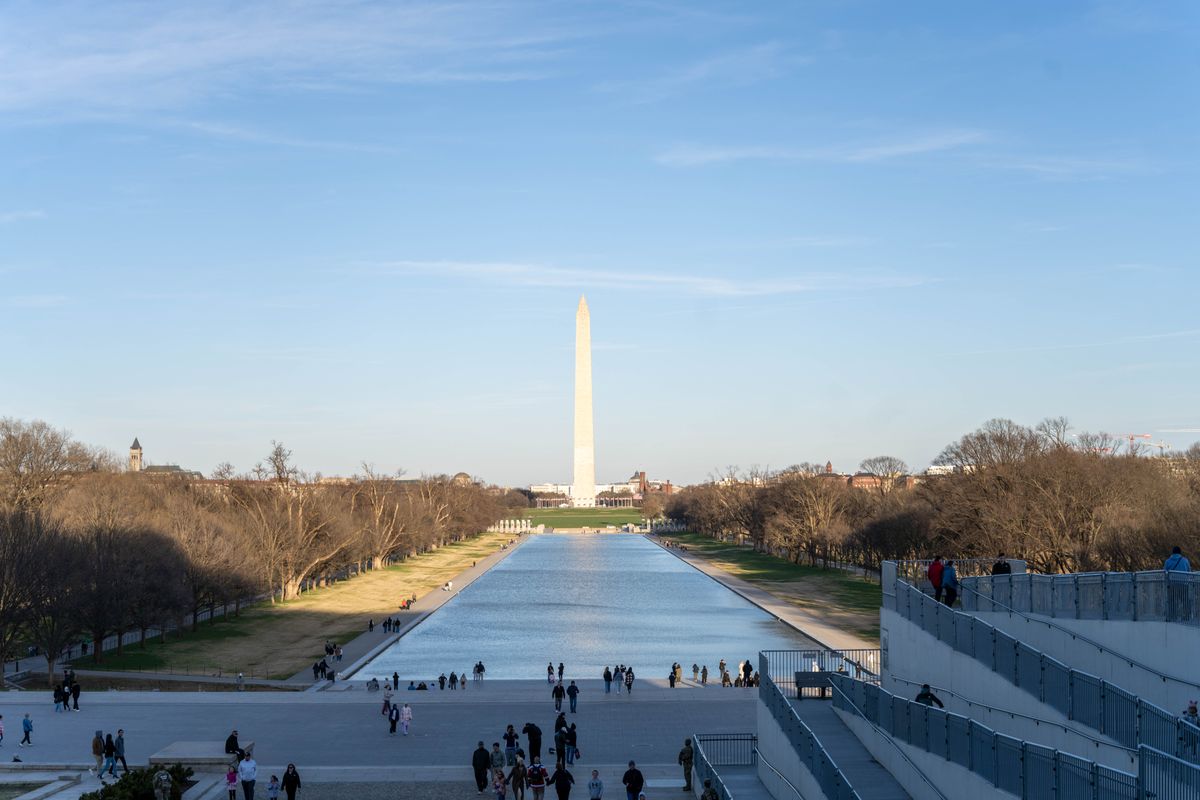
The Reflecting Pool is more than a body of water in Washington, D.C. Stretching between the Lincoln Memorial and the Washington Monument, the landmark has been part of some of the most photographed scenes in American history.
The site was the backdrop for the 1963 March on Washington, where Martin Luther King Jr. delivered his famous “I Have a Dream” speech. Generations of visitors have walked along its edges, photographed its reflection of the monuments, and viewed it as a symbol of national memory.
That history is part of why the damage attracted immediate attention. Any issue involving the Reflecting Pool carries significance beyond a typical construction problem or property dispute because the location represents a piece of the country’s public identity.
The controversy also revealed how quickly damage at a famous landmark can become a national political story. Within a short period, the discussion moved from repairs and maintenance to questions about evidence, responsibility, and public trust.
The Missing Video Evidence That Changed the Conversation
Trump has continued to argue that vandalism occurred at the Reflecting Pool. However, he acknowledged that there is no video footage proving the alleged act took place.
That detail became one of the most important parts of the controversy because criminal investigations rely on evidence that can establish what happened and who was responsible. While visible damage can raise questions, investigators must determine the actual cause before criminal responsibility can be established.
The absence of video evidence created a divide between allegations and what could be proven. Supporters of Trump have pointed to other information, including witness accounts, as reasons to continue questioning what happened at the site. Critics have argued that serious accusations require stronger evidence before individuals face legal consequences.
The situation highlights a challenge that appears in many public disputes: suspicion can emerge quickly, but proving what happened often requires a much longer and more detailed process.
The Unexpected Twist: Construction Problems Enter the Picture
The biggest shift in the story came when contractor-related issues became part of the investigation.
According to reports, officials reviewing the damage found that problems with renovation work contributed to the condition of the Reflecting Pool. Instead of a straightforward vandalism case, investigators faced a more complicated situation involving possible construction failures and questions about whether all damage had the same cause.
Renovation projects at historic locations often involve difficult balancing acts. Officials must preserve important landmarks while dealing with technical challenges, strict schedules, and public expectations.
In this case, the construction explanation changed the direction of the controversy. The focus moved away from a single accusation and toward a broader question: how much of the damage came from human actions, and how much came from mistakes during the repair process?
The shift also demonstrated why investigations can change as new information becomes available. Initial impressions may not always match the full picture that emerges after experts review the details.
How a Former Olympian Became Part of the Storm
One of the most unusual parts of the controversy was the involvement of David Hearn, a former Olympic canoeist who suddenly found himself connected to a high-profile legal dispute.
Hearn denied wrongdoing, and prosecutors later moved to dismiss the case against him after reviewing additional information. The development raised questions about how quickly individuals can become the focus of public attention when accusations involve famous locations.
For someone with a public background, the situation carried significant consequences. Allegations connected to a national landmark can create reputational damage even when legal proceedings do not move forward.
The case also became an example of how complicated public investigations can become when political attention, media coverage, and legal standards all intersect.
A Political Fight Over Facts, Responsibility, and Accountability
The Reflecting Pool dispute has become more than a disagreement about damaged property. It has become part of a larger debate over how Americans evaluate claims made by powerful public figures.
Trump has maintained that vandalism occurred, while the investigation introduced other factors, including contractor mistakes. The disagreement now centers on how different pieces of information should be weighed.
Supporters argue that the possibility of intentional damage should not be ignored simply because no video evidence exists. They believe witness accounts and other evidence deserve attention.
Critics argue that accusations involving criminal conduct must be supported by clear proof. They point to the dismissed case as a reminder that investigations must separate assumptions from facts.
The disagreement reflects a wider challenge in the digital age, where claims can spread nationally within hours while investigations often take weeks or months to complete.
The Bigger Lesson Behind the Reflecting Pool Dispute
The controversy surrounding the Reflecting Pool may eventually fade from the headlines, but the questions it raised are likely to continue.
Who is responsible when a historic landmark is damaged? How should officials communicate when facts are still developing? What level of evidence should exist before serious accusations become public?
Those questions extend far beyond one location in Washington, D.C. They apply to any situation where public attention arrives before all the facts are known.
The Reflecting Pool was built as a place of reflection, but this latest controversy has created a different kind of reflection. It has forced a national conversation about evidence, accountability, and the importance of allowing investigations to uncover the full story before conclusions are reached.