10 Foods You Should Never Put in the Fridge
Most people treat the fridge like a safety net for every grocery item, but some foods actually lose flavor, texture, and freshness when chilled.
From pantry staples to tropical fruits, these 10 everyday items are better off at room temperature. Keeping them out of the cold will make meals taste better, last longer, and reduce food waste.
Bread Goes Stale Fast

Refrigeration dries bread out, leaving soft loaves tough and chewy. For short-term use, keep bread wrapped at room temperature. For longer storage, freeze it in an airtight container.
Slices can go straight from freezer to toaster without losing texture or flavor. Avoid the fridge unless humidity is an issue; it kills flavor faster than time.
Bananas Darken and Halt Ripening
Bananas are tropical fruits that react poorly to cold. Refrigeration darkens their peel and slows ripening, leaving fruit firm and bland inside.
Let bananas ripen naturally on the counter. Once fully ripe, a short stint in the fridge can extend edibility. The peel may darken, but the fruit stays creamy and sweet.
Tomatoes Taste Flat When Chilled
Cold air breaks down tomato cells, leaving them mealy and bland. Keep tomatoes on the counter or in a paper bag to ripen naturally.
Only refrigerate fully ripe tomatoes for a day or two if necessary, and bring them back to room temperature before eating to restore flavor and aroma.
Whole Melons Lose Sweetness
Watermelon, cantaloupe, and honeydew need room temperature to develop peak flavor. Chilling them too soon dulls sweetness and aroma.
Store melons on the counter until ready to cut. Once sliced, refrigerate in an airtight container and consume within four days.
Potatoes Turn Sweet and Cook Weirdly
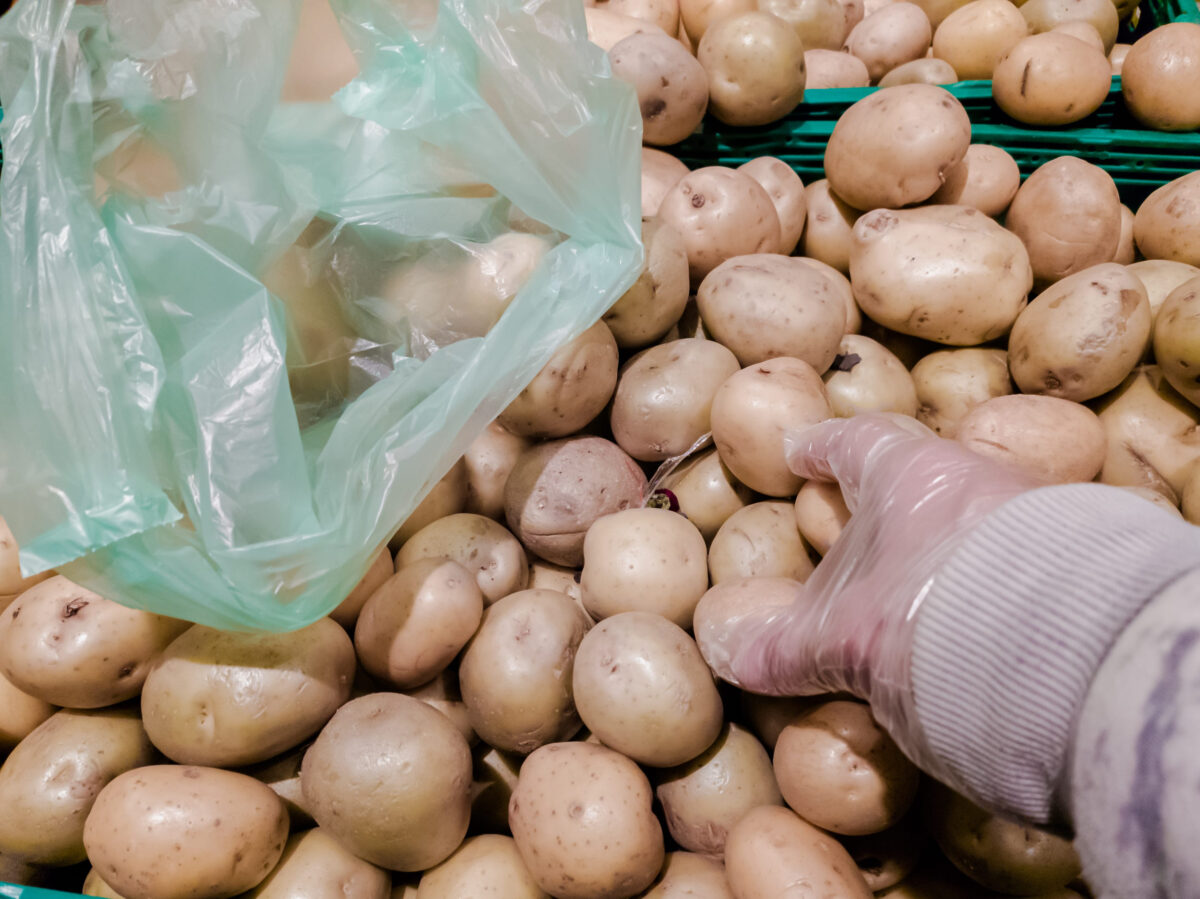
Cold temperatures convert potato starch into sugar, changing both taste and texture. Baked, roasted, or fried potatoes may brown unevenly or taste oddly sweet.
Store potatoes in a cool, dark, well-ventilated pantry, away from onions, to maintain firmness and flavor.
Coffee Absorbs Fridge Odors
Coffee beans and grounds are hygroscopic, absorbing moisture and odors from nearby foods. Refrigeration can ruin your morning cup, leaving it tasting stale or off.
Keep coffee in an airtight, opaque container on a dark pantry shelf away from heat, light, and steam.
Garlic Becomes Bitter

Cold triggers garlic to sprout, producing green shoots that taste sharp and bitter. This compromises the sweet, mellow flavor that makes garlic a kitchen essential.
Store whole bulbs in a cool, dark, dry spot. Peeled, chopped, or roasted garlic can go in the fridge, but whole heads thrive at room temperature.
Unripe Avocados Stop Ripening
Chilling unripe avocados halts ripening, leaving them firm and bland. Let avocados ripen on the counter until they yield slightly to gentle pressure.
Once ripe, refrigerate briefly to extend freshness. To speed ripening, place them in a paper bag with a ripe banana; the ethylene gas helps them soften faster.
Whole Onions Go Soft
Refrigeration adds moisture, making whole onions mushy and prone to sprouting. Store onions in a dry, dark, well-ventilated area.
Refrigerate onions only after peeling, slicing, or cooking. Proper storage ensures they maintain crunch and flavor for weeks.
Honey Crystallizes
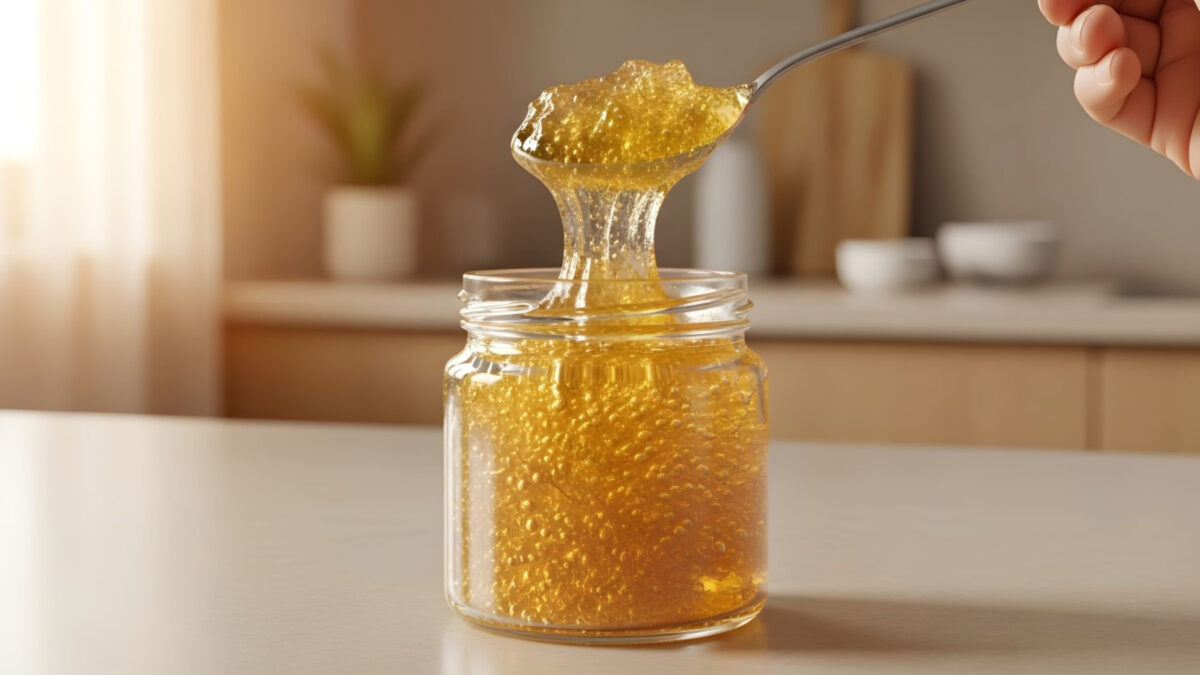
Honey is naturally shelf-stable and doesn’t benefit from cold. Refrigeration encourages crystallization, turning it thick and grainy.
Keep honey tightly sealed in a cool, dark pantry. If crystallization occurs, warm it gently in a water bath to restore smooth, pourable consistency without affecting taste.
Conclusion
Not every food belongs in the fridge. Bread, bananas, tomatoes, melons, potatoes, coffee, garlic, avocados, onions, and honey all perform better at room temperature. Proper storage preserves flavor, texture, and shelf life while reducing waste. Making small adjustments to where and how you store these items will elevate the taste of everyday meals and keep your groceries fresher for longer.