8 Health Risks You Are Ignoring in Your Diet Drinks
Diet drinks, marketed as healthier alternatives to their sugary counterparts, are often perceived as a guilt-free indulgence.
They offer the sweetness we crave without the added calories, making them popular choices for weight-watchers and health-conscious individuals. However, many consumers overlook the potential health risks tied to diet drinks, particularly the artificial ingredients and chemicals that replace sugar. In this article, we will delve into the hidden dangers of diet sodas and why they might not be as harmless as they appear.
Increased Risk of Metabolic Syndrome

Metabolic syndrome is a collection of conditions that increase the risk of heart disease, stroke, and diabetes. Studies suggest that artificial sweeteners, commonly used in diet drinks, may contribute to metabolic syndrome by altering the body’s ability to regulate glucose.
Despite having zero calories, these sweeteners can trigger insulin resistance, a key factor in the development of type 2 diabetes. The body’s metabolic processes, which usually adjust to changes in calorie intake, can become disrupted by the use of non-nutritive sweeteners, leading to insulin dysfunction and increased fat accumulation.
Disruption of Gut Health
Recent research has shown that artificial sweeteners, such as aspartame and sucralose, can have detrimental effects on gut bacteria.
The gut microbiome plays an essential role in digestion, immunity, and overall health. Consuming diet sodas regularly may reduce the diversity of gut bacteria, leading to gut dysbiosis, which has been linked to conditions like obesity, digestive issues, and even mood disorders. Studies have found that consuming artificial sweeteners can disrupt the balance of gut microbes, potentially leading to long-term health problems.
Increased Cravings for Sweet Foods

While diet drinks are low in calories, they can heighten cravings for sweet foods. This occurs because the artificial sweeteners used in diet sodas trigger the brain’s sweet receptors without providing the calories the body expects.
As a result, regular consumption of diet drinks can interfere with your body’s natural hunger signals and contribute to overeating. Over time, the body can become conditioned to crave more sugary and high-calorie foods, undermining efforts to maintain a healthy diet.
Potential Weight Gain
It may sound counterintuitive, but research indicates that drinking diet soda could contribute to weight gain rather than weight loss. One major reason is the psychological effect of consuming “calorie-free” drinks, which may lead people to indulge in more caloric food. Additionally, the artificial sweeteners in diet sodas can disrupt the body’s appetite regulation.
Studies have shown that individuals who regularly drink diet sodas are more likely to gain weight over time compared to those who consume regular beverages, even if the latter have higher calorie content.
Increased Risk of Heart Disease

Diet drinks may also contribute to cardiovascular problems. Research has linked the consumption of artificial sweeteners to a higher risk of developing heart disease.
Some studies suggest that the chemicals in diet sodas, particularly aspartame, may increase blood pressure and inflammation, both of which are risk factors for cardiovascular diseases. Though further research is necessary, these findings suggest that diet sodas could potentially harm heart health in the long run.
Link to Mood Disorders
The artificial sweeteners in diet drinks may affect mental health. Some studies suggest a correlation between the consumption of artificial sweeteners and the onset of mood disorders, such as depression and anxiety.
This may be due to how artificial sweeteners affect neurotransmitter activity in the brain. The consumption of sugar substitutes could alter brain chemistry, disrupting the balance of serotonin and dopamine, which play crucial roles in regulating mood and emotional well-being.
Impact on Kidney Function
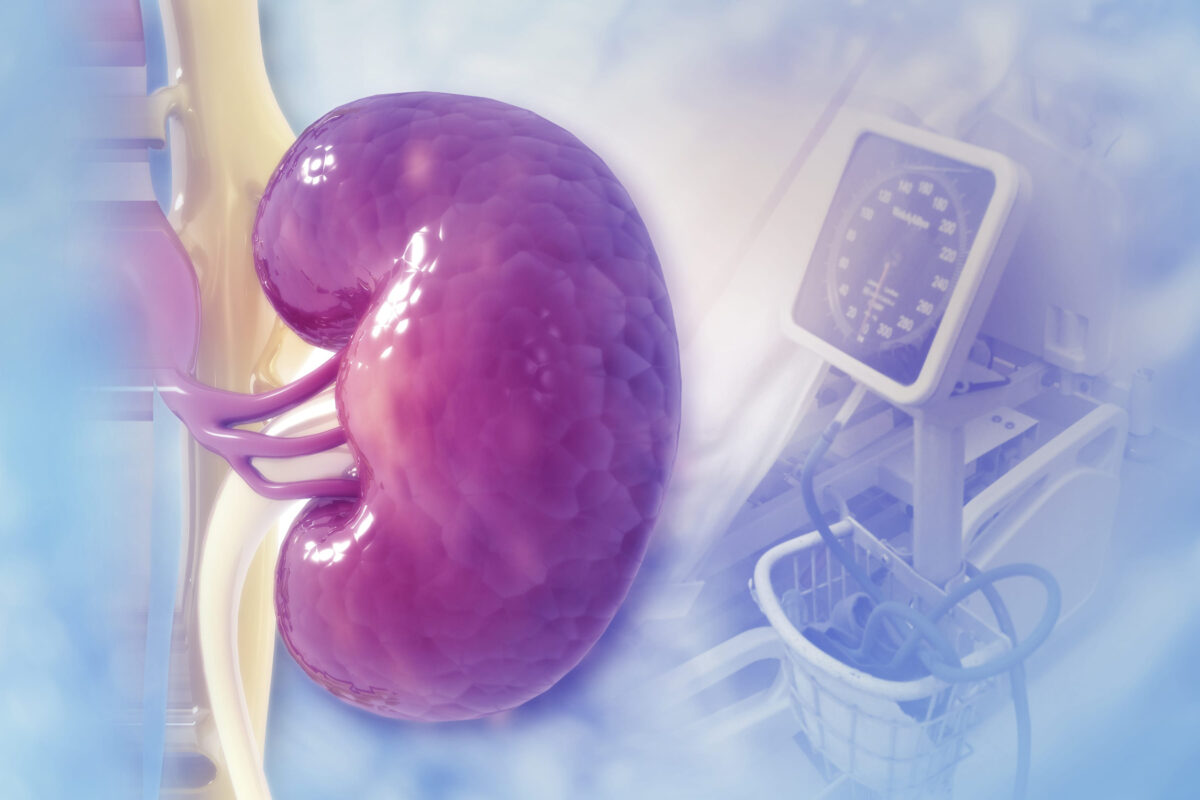
Another health risk associated with diet sodas is kidney damage. Overconsumption of diet drinks has been linked to a higher incidence of kidney decline.
A study found that individuals who drink two or more diet sodas daily are at an increased risk of developing kidney disease over time. The exact mechanism is still under investigation, but excessive intake of phosphoric acid and artificial sweeteners may impair kidney function.
Potential for Cancer

The link between artificial sweeteners and cancer remains controversial, but there are some concerns. Some research suggests that chemicals used in diet drinks, such as aspartame and saccharin, may increase the risk of cancer.
While the majority of studies in humans have not conclusively shown a cancer risk, animal studies have raised alarms, particularly regarding bladder cancer. More long-term studies are needed to fully understand the connection between artificial sweeteners and cancer, but the ongoing debate warrants caution when consuming diet sodas regularly.
Conclusion
Diet drinks may seem like an appealing choice for those looking to cut calories, but the potential health risks they pose should not be ignored. From metabolic disturbances and gut health issues to an increased risk of heart disease and cancer, the long-term consequences of consuming these beverages could outweigh any short-term benefits.
If you’re looking to maintain a healthy lifestyle, it may be worth reconsidering your habit of reaching for a diet soda. Instead, opt for water, herbal teas, or naturally flavored drinks to stay hydrated without the harmful effects of artificial sweeteners. While the allure of a low-calorie, sugary taste is tempting, it’s essential to be aware of the impact these drinks can have on your health in the long run.