10 Most Outrageously Expensive Foods
When it comes to food, some dishes go beyond mere sustenance and venture into the realm of extravagance. From rare ingredients to meticulous preparation, the most expensive foods in the world carry hefty price tags that only the most daring (and deep-pocketed) food enthusiasts are willing to pay. But are these delicacies worth their astronomical costs? Let’s explore the top 10 jaw-dropping foods that will leave your wallet thinner but your experience richer.
Almas Caviar
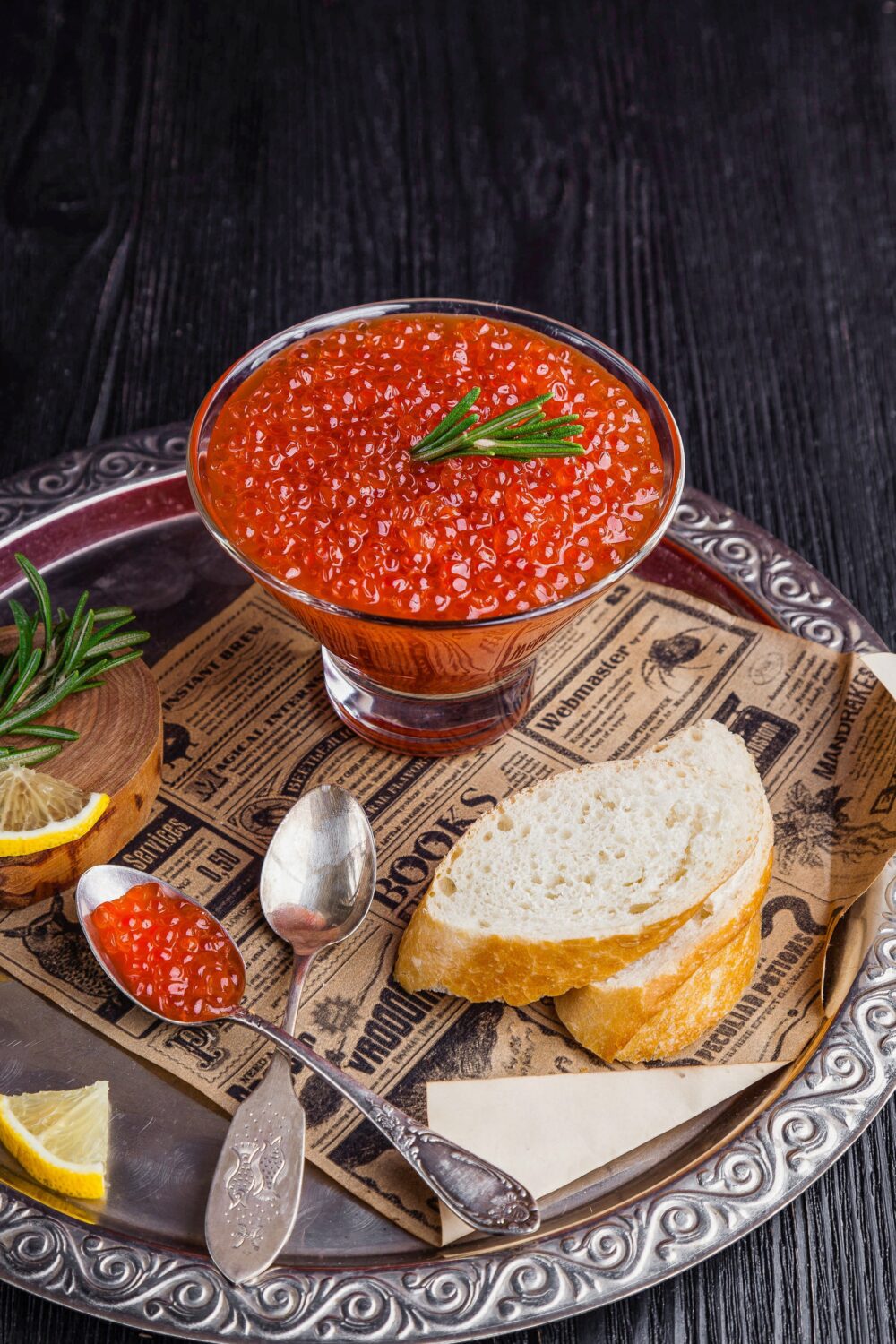
Almas caviar is not just food; it’s an emblem of extravagance. Harvested from the rare albino sturgeon, this delicacy comes from the Caspian Sea and is sold in 24-karat gold tins. At around $25,000 per kilogram, it’s the epitome of rare luxury. Known for its delicate, buttery taste, Almas caviar is often served with champagne in high-end venues. However, the price tag is so outrageous that you could purchase a small car for the same amount, making this the ultimate indulgence for those with an eye for luxury.
Fugu
Fugu, or pufferfish, holds the title of the most dangerous delicacy in the world. With its deadly poison, fugu must be expertly prepared by licensed chefs to avoid the fatal toxins hidden in its organs. Despite the risk, this dish is revered for its delicate, clean taste. A serving can cost anywhere between $200 and $1,000, depending on the quality and preparation method. The thrill of eating a potentially lethal dish adds to its allure, but it’s definitely a gastronomic experience that only the bravest dare to try.
Wagyu Beef
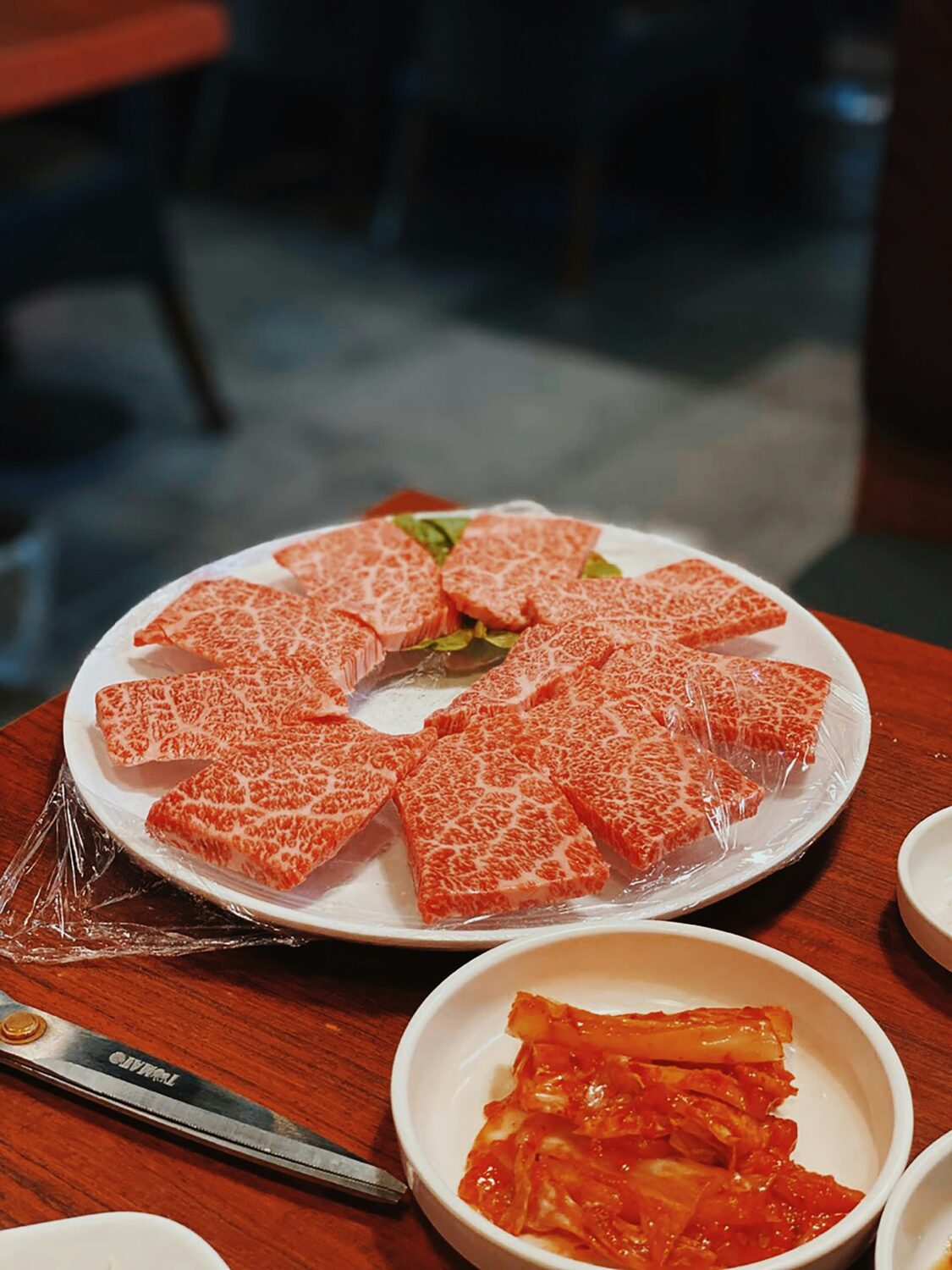
Wagyu beef is synonymous with melt-in-your-mouth tenderness and flavor. Known for its intense marbling, which gives the meat its rich taste, Wagyu beef can cost anywhere from $200 to $500 per pound. The most coveted variety, Kobe beef, comes from a specific breed of cattle raised in Japan and is considered a true luxury experience. Whether served as steak or in sushi, the texture and umami flavor of Wagyu beef are enough to make any foodie’s heart race,if they can afford it, of course.
Saffron
Saffron is harvested from the stigma of the crocus flower and is incredibly labor-intensive to collect, making it one of the priciest spices on the market. At $500 to $5,000 per pound, saffron’s price is justified by the lengthy process of harvesting and drying its delicate threads. Despite its hefty price, its distinct aroma and vibrant yellow color make it a must-have in gourmet kitchens around the world. It’s a small but potent ingredient that packs a punch in both flavor and price.
White Truffle
White truffles, found in the forests of Italy, are an elusive and highly sought-after ingredient in the culinary world. With a price tag of $3,600 per pound, these pungent, earthy mushrooms are harvested underground, making their supply rare and unpredictable. The scent of fresh white truffle is considered intoxicating, and its use in dishes like pasta or risotto elevates a meal to a level of sophistication few others can match. For truffle lovers, the price is worth the unparalleled culinary experience.
Bluefin Tuna
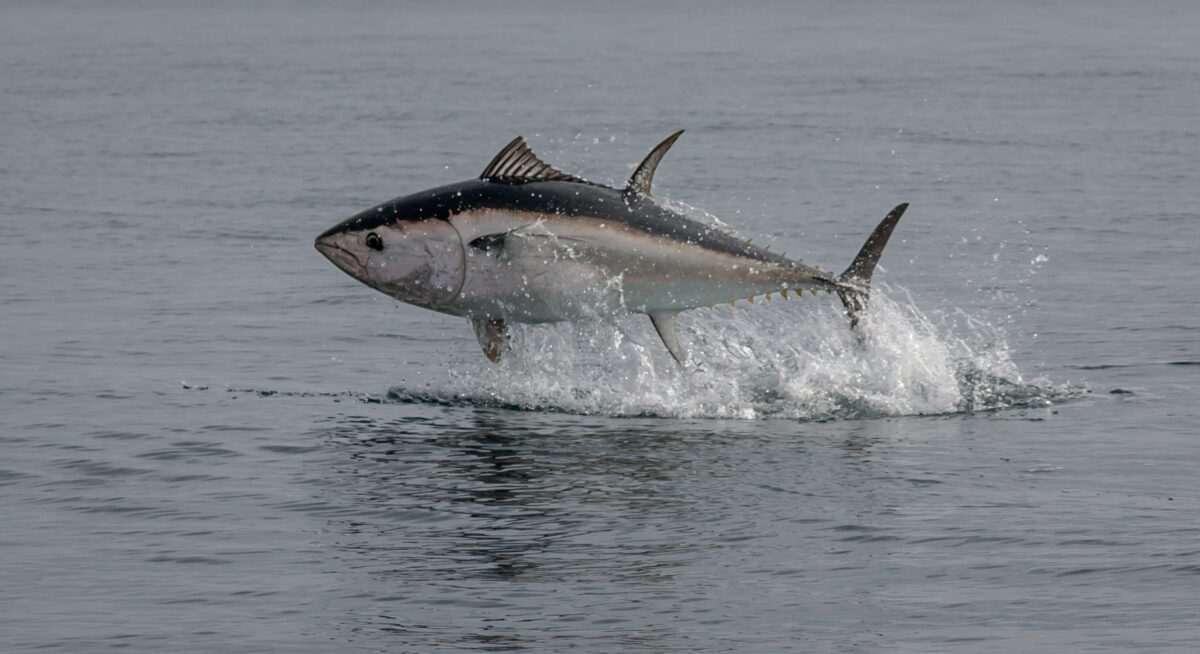
Bluefin tuna is one of the most coveted fish species in the world, particularly in Japan, where it’s prized for its rich, fatty texture, ideal for sushi and sashimi. The most expensive tuna ever sold reached an eye-watering $3 million at auction. While this extreme price was for an exceptionally large, high-quality fish, even regular bluefin tuna can set you back $200 to $300 per serving. With a taste that melts in your mouth, this is a dish only the wealthiest sushi connoisseurs indulge in.
Vanilla
Vanilla might seem like a basic flavor, but true, high-quality vanilla is anything but cheap. The production of vanilla is labor-intensive and time-consuming, with each pod requiring hand-pollination and careful harvesting. The price of vanilla skyrocketed in recent years due to a series of natural disasters in Madagascar, which produces over 70% of the world’s vanilla supply. A kilogram of premium vanilla can cost up to $600, making it a luxury for those who want the finest flavor in their desserts.
Civet Coffee
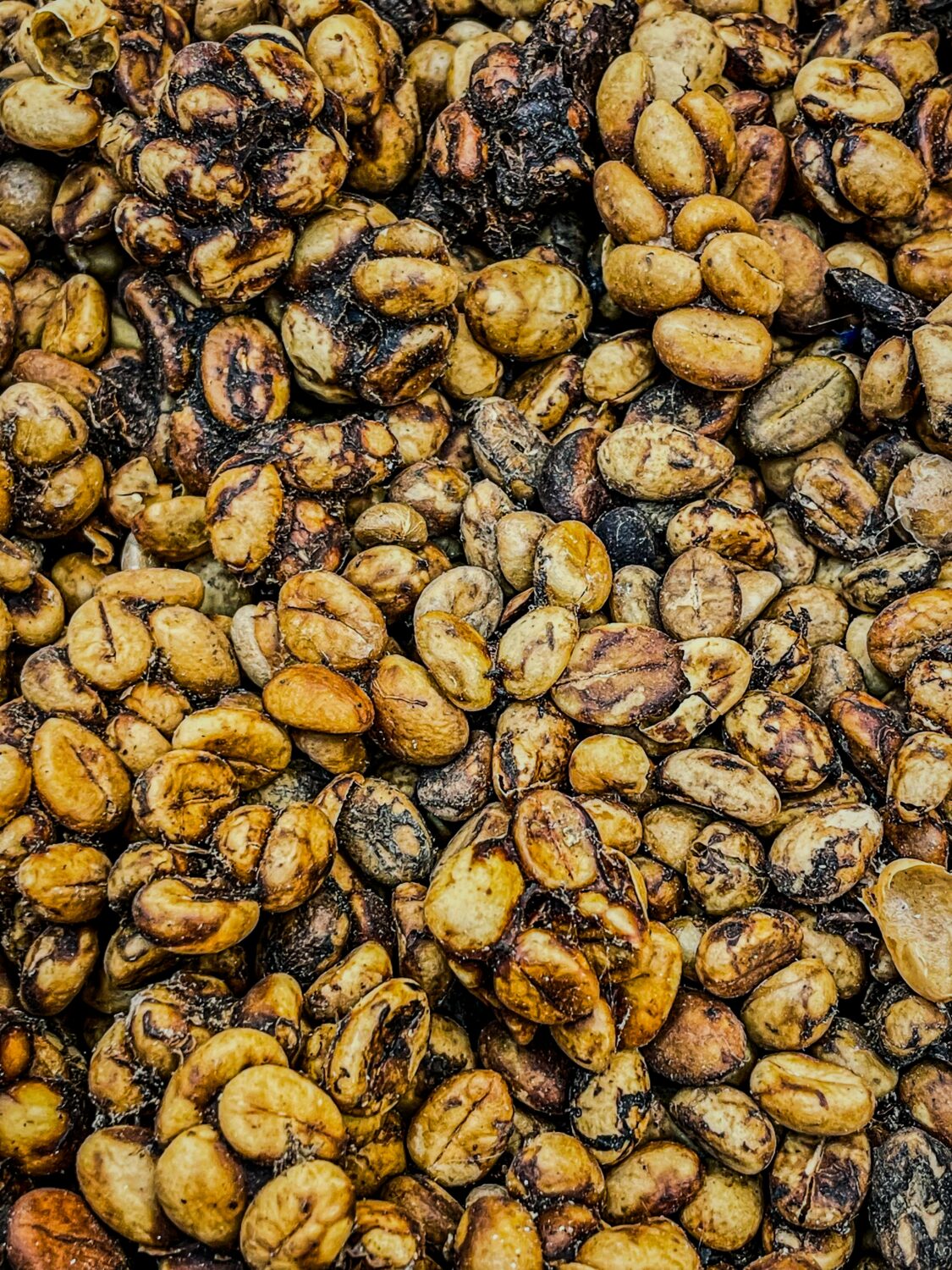
Civet coffee, also known as Kopi Luwak, is made from coffee beans that have been eaten and then excreted by civet cats. The fermentation process in the cat’s digestive system supposedly adds a unique flavor to the beans, resulting in a smooth, rich brew. This unusual method of production comes with a hefty price tag of $100 to $600 per pound. While some people swear by its distinct taste, the ethical concerns surrounding the production of civet coffee have raised significant controversy in recent years.
Yubari King Melon
The Yubari King melon, a luxurious fruit from Japan, is known for its perfect round shape and intensely sweet flavor. These melons are grown in greenhouses under carefully controlled conditions to ensure their top-quality taste and texture. They are often sold at auctions, with prices reaching $20,000 per pair. While most people will never see a melon priced like this, those who do will experience a level of sweetness and richness that far surpasses that of the average fruit.
Famous Diamond Chocolate
Famous Diamond chocolate, crafted by the Belgian chocolatier, is a rare, decadent treat with an added twist: edible diamonds. This luxurious chocolate is studded with real diamonds, making it the perfect gift for the ultra-wealthy. At $250 per bar, this confection is not just a treat for the taste buds but a statement of opulence. The chocolate itself is a smooth blend of the finest ingredients, while the diamonds add an extra touch of extravagance to this edible luxury.
Conclusion
From rare fish to luxury spices, the world’s most expensive foods aren’t just about satisfying hunger; they’re about making a statement. For those with the means, indulging in these extravagant delicacies is an experience of opulence that’s hard to beat. While not everyone can afford to dine on Almas caviar or Yubari King melons, these foods remind us of the lengths some are willing to go to for a taste of luxury. Ultimately, the question remains: are these foods truly worth the price, or are they just a symbol of excess? You decide.