Apple Overtakes Nvidia as World’s Most Valuable Company in a $5 Trillion AI Showdown

Apple overtakes the title of the world’s most valuable publicly traded company Friday, squeezing past Nvidia during a volatile session that turned Wall Street’s most prestigious crown into something resembling a very expensive game of musical chairs.
Apple’s market value reached about $4.88 trillion during earlier trading, compared with roughly $4.86 trillion for Nvidia after the chipmaker’s shares fell sharply. The moment marked Apple’s first return to the top position since April 2025, according to Reuters.
The celebration did not last long. Nvidia recovered enough ground to move back ahead later in the session. Market data recorded around 1:47 p.m. Eastern Time valued Nvidia at around $5.01 trillion and Apple at approximately $4.87 trillion. Because markets were still open, those figures remained subject to change before Friday’s closing bell.
Wall Street’s crown changed hands before lunch.
Apple’s brief takeover was still significant, even without a closing victory. Nvidia has held the top position since June 2025, driven by enormous demand for the chips and networking equipment used to build artificial intelligence systems.
Friday’s reversal came as semiconductor stocks faced renewed pressure. According to reports, the Philadelphia Semiconductor Index had fallen almost 19 percent from its record high as investors reconsidered how long the explosive AI hardware rally could continue.
The move did not mean investors had suddenly lost faith in Nvidia. It showed how close the two companies have become and how quickly the ranking can change when a stock worth nearly $5 trillion moves by only a few percentage points.
Benjamin Hall, vice president of alpha research at Segal Marco Advisors, played down the importance of the ranking itself. “I don’t see any meaningful distinction,” Hall told Reuters, noting that Nvidia would remain an important participant in the future of AI.
Apple’s comeback runs through iPhones, services and Siri.
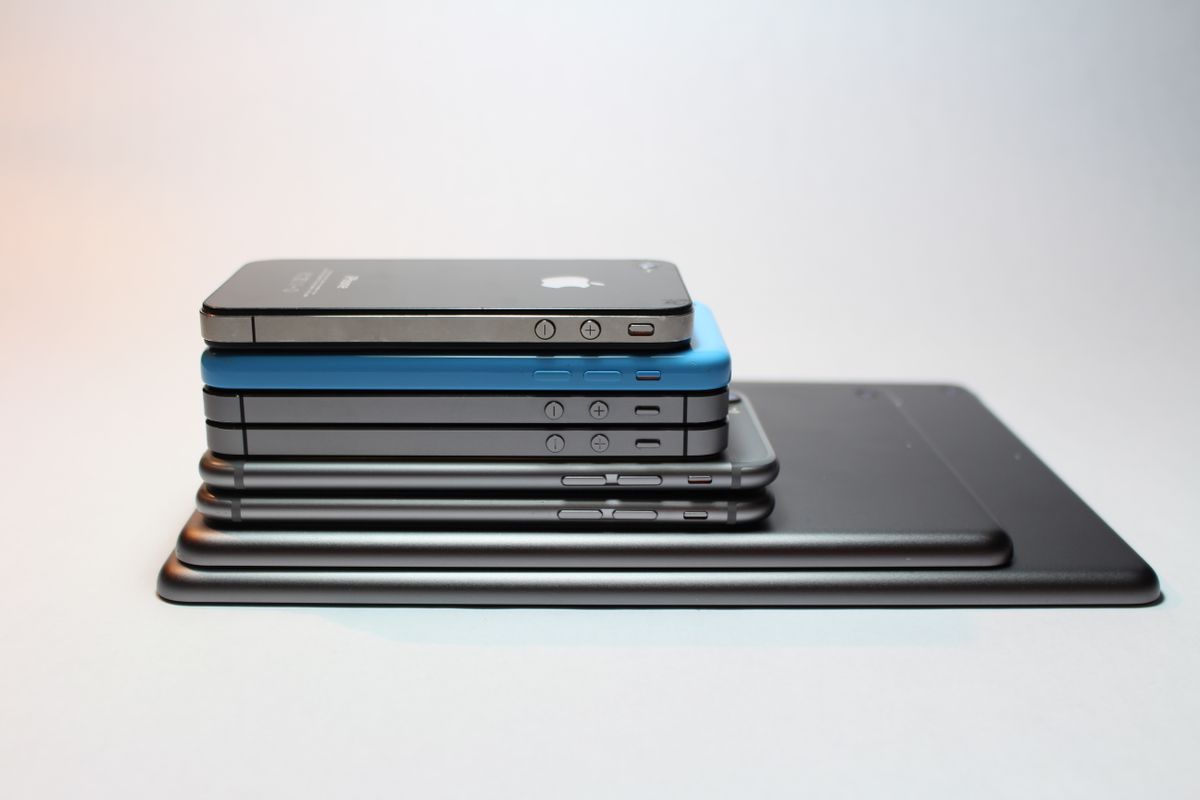
Apple’s return to the top of the conversation was not built on market excitement alone. The company reported $111.2 billion in revenue for its fiscal second quarter, a 17 percent increase from the previous year. Apple also posted a March-quarter record for iPhone revenue and another record for its services business.
“iPhone achieved a March quarter revenue record,” CEO Tim Cook said, crediting strong demand for the iPhone 17 lineup. Apple also authorized an additional $100 billion in share repurchases, another sign of the enormous cash-generating power behind its valuation.
Investors are also giving Apple another look as an AI business. At its June developers conference, the company unveiled Siri AI, a redesigned assistant that Apple says will search across messages, emails, and photos, understand information displayed on a device, and complete actions within apps. A public beta is expected later in 2026 for supported devices and languages.
Toni Meadows, head of investment at BRI Wealth Management, said Apple had previously been viewed as “a laggard in the AI race,” but added that investor sentiment had changed. Meadows argued that Apple may be able to profit from AI through services, hardware upgrades, and its tightly connected product ecosystem without matching the immense infrastructure spending associated with AI chip development.
The milestone also arrives during a historic leadership transition. Cook is scheduled to become Apple’s executive chairman on September 1, while hardware engineering chief John Ternus takes over as CEO.
Nvidia has not lost the AI engine room.
Apple may have grabbed the crown for part of Friday, but Nvidia’s underlying business remains formidable.
Nvidia reported record quarterly revenue of $81.6 billion for the period ending April 26, an 85 percent increase from a year earlier. Its data-center division generated $75.2 billion in revenue, up 92 percent, as cloud providers and technology companies continued to purchase equipment for AI systems.
“The buildout of AI factories is accelerating at extraordinary speed,” Nvidia CEO Jensen Huang said when the company released those results. Nvidia also forecast approximately $91 billion in revenue for its next quarter, although that projection did not include data-center computing revenue from China.
Those numbers explain why Nvidia’s temporary fall to second place should not be confused with a collapse. Its graphics processors, networking products, and software remain central to the data centers powering generative and agent-based AI applications.
Apple and Nvidia are also selling two different versions of the AI future. Nvidia supplies much of the machinery behind the boom. Apple is betting that AI’s next major payday will come from placing useful tools inside devices already carried by hundreds of millions of consumers.
Why the battle matters beyond Silicon Valley
The valuation race matters to more than traders watching financial terminals. Many Americans own Apple and Nvidia indirectly through broad market index funds held in retirement or brokerage accounts.
The Securities and Exchange Commission explains that companies with larger market values receive greater weight in market-cap-weighted indexes. That means large movements in Apple or Nvidia can have an outsized effect on index funds, even when an investor never personally selected either stock.
For consumers, the rivalry will be decided by results rather than rankings. Apple must show that Siri AI and its broader intelligence strategy can make devices more useful and encourage upgrades. Nvidia must prove that corporate spending on AI infrastructure remains strong enough to sustain its extraordinary growth.
Friday’s brief change at the top offered no permanent winner. It did reveal that the AI race is widening, and Wall Street is now willing to reward both the companies building the digital engine room and the ones trying to put that power into people’s hands.