10 Shocking Things Soldiers Are Banned From Doing During War
War is a chaotic and dangerous environment, where the rules of combat are meant to preserve order, uphold humanity, and protect those caught in the crossfire. But even amid a violent conflict, soldiers must adhere to strict regulations that limit their actions. These rules might seem like common sense, but some are truly shocking. Here are 10 things soldiers are prohibited from doing during war, each designed to maintain ethical and moral conduct on the battlefield.
Using Chemical and Biological Weapons
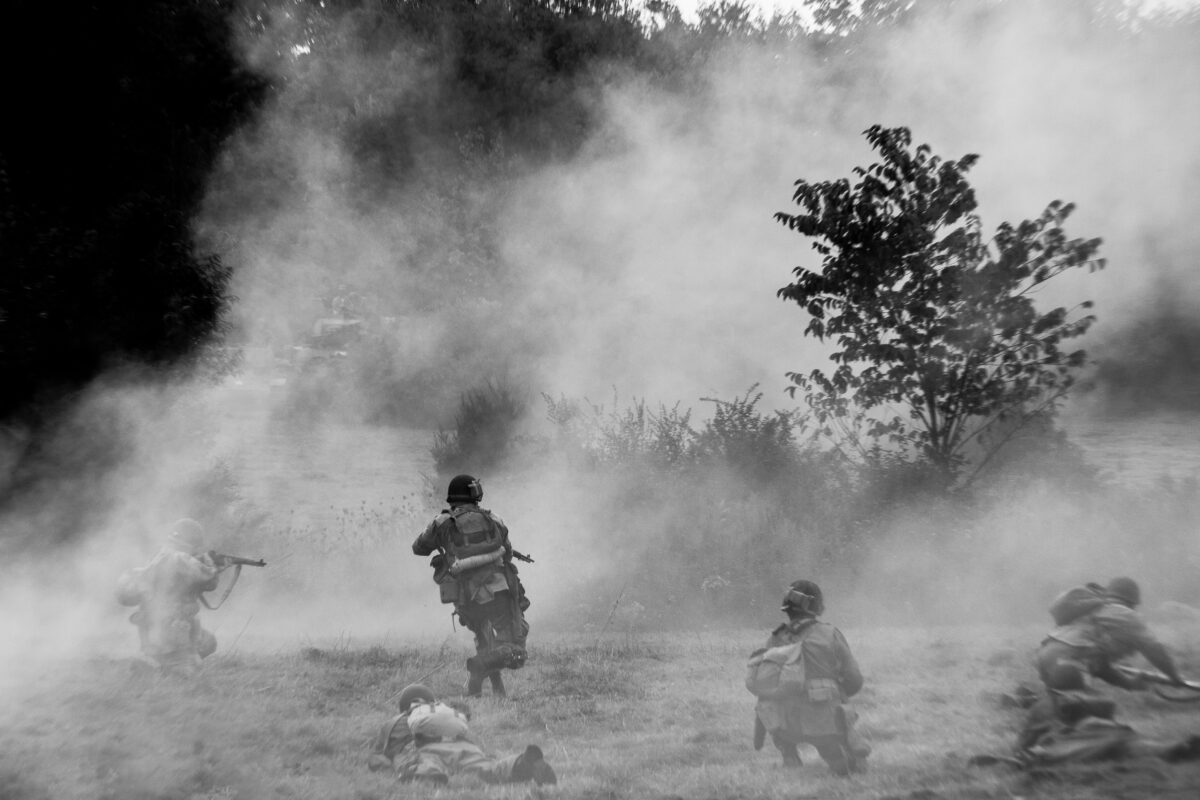
While war has evolved over time, certain weapons are deemed inhumane and are banned outright. Chemical and biological weapons, which cause indiscriminate harm and long-lasting suffering, are strictly forbidden. These weapons, like sarin gas or anthrax, violate international law, including the Geneva Conventions. The consequences of their use not only devastate civilians but also tarnish the morality of any force that resorts to them.
Killing Prisoners of War
Taking prisoners of war is a standard part of combat, but what soldiers cannot do is execute them. International humanitarian law prohibits the killing of captured soldiers who are no longer actively fighting. Even if a prisoner is deemed dangerous, they must be treated with respect and humanity and afforded the protections granted under the Geneva Conventions. Killing prisoners violates the basic principles of war and can lead to severe repercussions for those involved.
Targeting Civilians or Non-Combatants
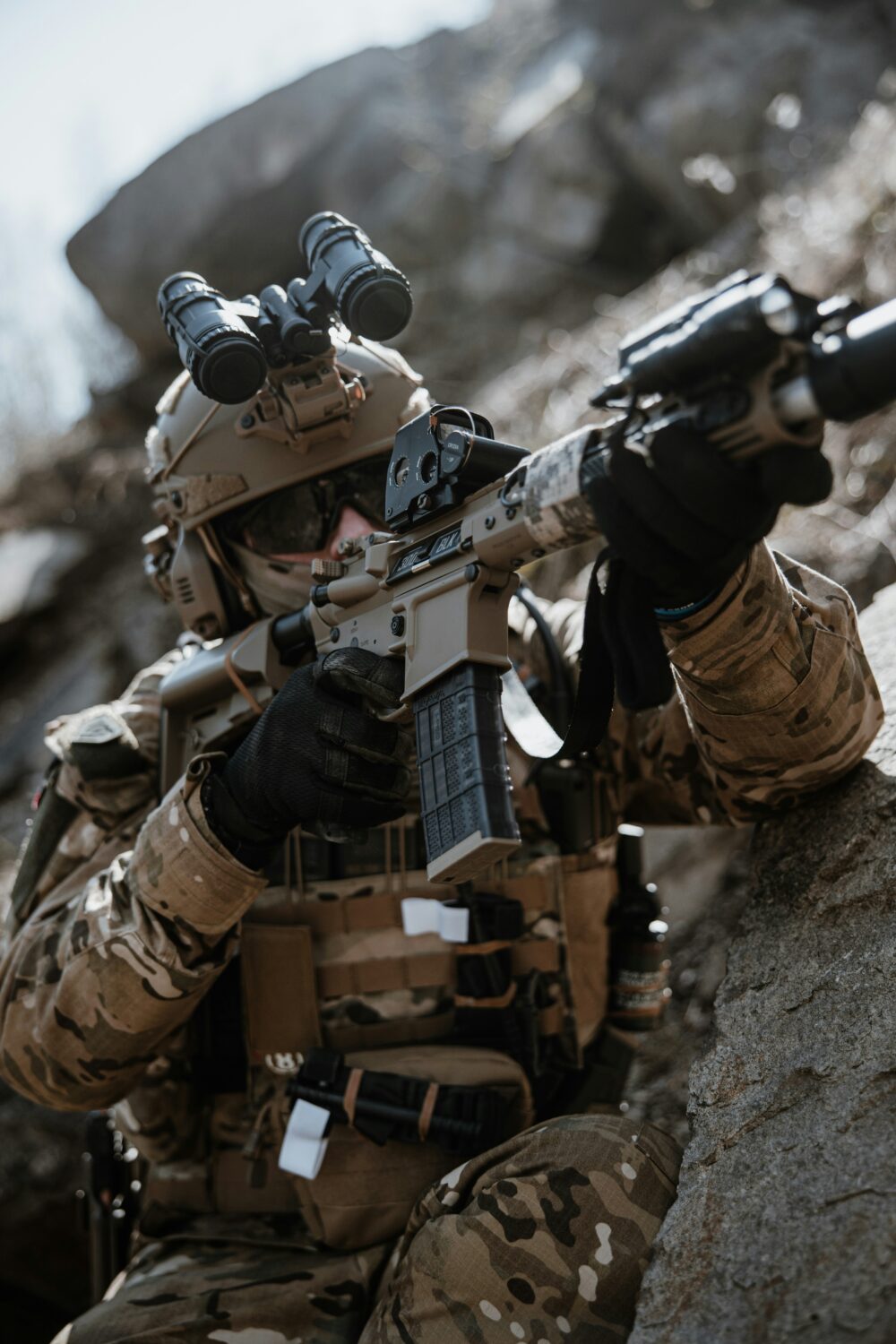
One of the fundamental rules of war is the protection of civilians. Soldiers are prohibited from deliberately targeting non-combatants, even if they are perceived as a threat. Bombing civilian areas or intentionally harming innocent people is a clear violation of both international law and the moral codes that govern armed conflict. Civilian casualties should be minimized as much as possible, with military action only aimed at legitimate military targets.
Looting or Stealing
In the chaos of battle, soldiers might be tempted to take personal items from civilians or fallen enemies. This is strictly prohibited. Looting or stealing from the battlefield is not only unethical but also undermines the professionalism of the armed forces. Soldiers are expected to uphold discipline and respect for property, no matter how dire the situation may seem.
Engaging in Acts of Torture
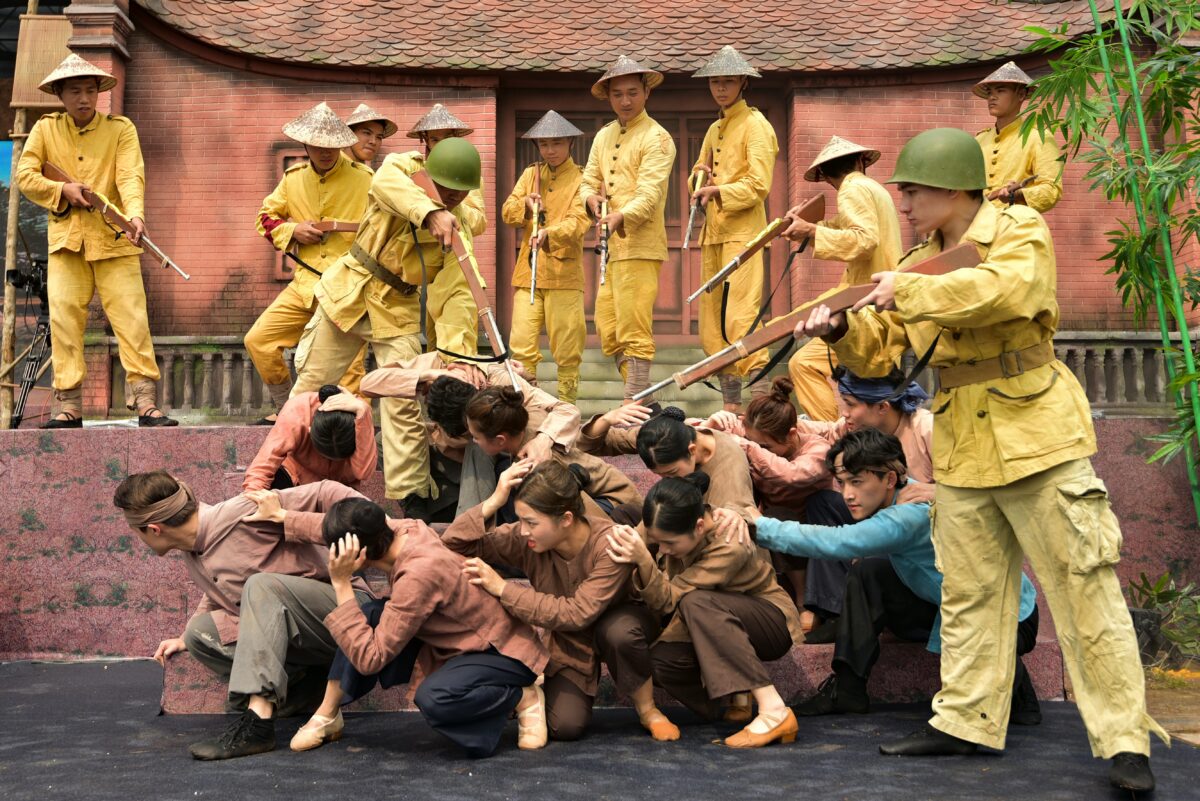
Torture is one of the most heinous crimes that can be committed during war. No soldier is allowed to use torture to extract information or punish captives. While interrogating prisoners is part of military operations, methods like waterboarding or physical abuse are banned under international law. Torture is not only morally repugnant, but it can also lead to unreliable intelligence and further escalation of violence.
Using Child Soldiers
Children are off-limits in any armed conflict. The use of child soldiers is one of the most egregious violations of international law. Soldiers are not permitted to force children into service, and any group that recruits or conscripts minors is breaking the laws of war. This practice leaves deep psychological scars on young individuals and perpetuates cycles of violence and exploitation.
Executing Orders That Violate the Law
A soldier’s duty is to follow orders, but there is an important limit to this rule. If an order directly contradicts international law or the rules of engagement, soldiers are responsible for refusing it. This is known as the duty of disobedience, and it helps ensure that soldiers are not complicit in committing war crimes, even if they were following orders.
Using Unlawful Weapons
Certain weapons, such as land mines or cluster bombs, are banned due to their long-lasting effects on the environment and civilian populations. These weapons may remain active long after the conflict ends, injuring innocent civilians and causing immense harm. Soldiers are prohibited from deploying such weapons, as their use violates the principles of distinction and proportionality in warfare.
Raping or Engaging in Sexual Violence
Sexual violence in conflict, including rape, is considered a war crime. Soldiers are strictly prohibited from engaging in these atrocities. Sexual violence not only violates the victims but also tarnishes the reputation of the armed forces and the country they represent. Military forces are bound by international conventions to protect the dignity and rights of all individuals, regardless of the circumstances of war.
Spreading Misinformation or Propaganda
In the age of digital warfare, soldiers are also forbidden from spreading misinformation or engaging in propaganda. Using media channels to deceive the public or demoralize the enemy is prohibited under international law. Soldiers must maintain their integrity and focus on their military objectives, not manipulate public perceptions or spread falsehoods to create fear or confusion.
Conclusion
The laws of war may seem like common sense, but in the heat of battle, they are crucial for preserving humanity and minimizing the consequences of conflict. Soldiers are bound by these laws not just out of legal obligation but out of a commitment to ethical conduct. Violating these rules not only leads to severe legal consequences but also undermines the very values soldiers are fighting to protect. These ten forbidden acts are a reminder of the sacrifices soldiers make, ensuring that even in the most brutal conditions, respect for life and law must always prevail.