10 Everyday Things You Thought Were Ancient but Are Surprisingly Modern
Modern life is filled with conveniences that feel timeless, yet many of them only became common in the last few centuries. Items we take for granted, from our dinner plates to highways, have histories that reveal how recently they were invented or popularized.
Understanding these origins sheds light on how technology, culture, and social change reshaped everyday living. Below, we explore ten ordinary things that are far newer than most people realize.
Novels

While literature has ancient roots, the novel as a private reading experience emerged in the 18th and early 19th centuries. Before that, most written works were non-fiction, scholarly, or intended for communal performance, such as plays or epic poetry.
The rise of literacy and affordable printed material created a market for fictional works like Robinson Crusoe and Moll Flanders, which combined narrative flair with relatable human experiences.
By the early 1800s, novels such as Jane Austen’s Pride and Prejudice gained wide readership, marking the birth of literature as a personal pastime.
This development transformed culture by enabling solitary reflection and emotional engagement.
Novels provided a private window into imagination and empathy, a luxury previously unavailable to the masses, revealing how everyday leisure activities like reading are surprisingly recent inventions.
Sofas
The sofa, a staple in homes worldwide, originated in the luxurious courts of 17th-century France, where nobles used them primarily for reclining rather than sitting. These early pieces were ornate and largely inaccessible to ordinary people.
Modern sofas, recognizable today, trace their roots to the Chesterfield, a 1700s design by Lord Chesterfield in England that provided dignified seating for the elite.
Widespread adoption occurred only in the 20th century, coinciding with the rise of radio and television, which encouraged families to gather in the living room.
By the post-World War II era, the sofa had become central to Western homes, blending comfort, affordability, and style.
The Victorian era laid the groundwork for modern living rooms, but the concept of a central family sofa remained a luxury.
Mass production and simplified designs during the 1920s and 1930s made sofas accessible to a broader audience, allowing households to shift from functional furniture to comfort-oriented layouts.
Today, sofas are a universal symbol of relaxation and domestic life, reflecting both historical innovation and cultural evolution.
Highways

Long-distance road travel in the United States became feasible only with the advent of the Interstate Highway System, enacted in 1956 under the Federal-Aid Highway Act.
The system aimed to create over 64,000 kilometers of high-capacity roads to enhance safety, efficiency, and national security. President Eisenhower’s experience with Germany’s autobahns inspired the American vision for interconnected highways capable of rapid evacuation in emergencies.
Building the system required demolishing buildings, cutting through towns, and overcoming protests, illustrating the scale of societal transformation involved.
Completion of the network took decades, with formal declaration only in 1992, demonstrating that seemingly ordinary infrastructure is a product of extensive planning and political will.
Today, highways underpin commerce, commuting, and domestic travel, but for most of history, people navigated fragmented, unsafe local roads, underscoring how modern mobility is a relatively recent luxury.
Dinner Plates
Ceramic dinner plates were rare for ordinary people until the 19th century. In medieval Europe, meals were often served in wooden bowls or trenchers made from hardened bread, which could be eaten afterward or given as alms.
Wealthy households used pewter or imported Chinese porcelain, reflecting status more than practicality.
Industrialization in the Victorian era, particularly in places like Stoke-On-Trent, England, made ceramic crockery affordable, allowing nearly every household in Britain and the United States to dine from plates by the early 20th century.
The evolution of dinnerware reflects broader social changes: rising literacy, trade expansion, and industrial mass production all contributed to transforming eating habits. What we consider a simple plate is the endpoint of centuries of technological, economic, and cultural shifts.
Picnics

The concept of the picnic originated as an indoor, aristocratic affair introduced to Britain by French émigrés in the late 1700s. Guests shared food and entertainment in private homes, often involving alcohol and performances.
Early 19th-century Victorians in the middle classes relocated picnics outdoors, inspired by Romantic ideals of nature, gradually transforming them into casual, public gatherings. By the 1900s, outdoor picnics with sandwiches and wicker baskets replaced lavish indoor feasts.
Today, picnics are associated with family, relaxation, and outdoor enjoyment, illustrating how cultural reinterpretation turned an elite indoor event into a widespread social pastime within just a few generations.
Supermarkets

Before the 20th century, shopping meant visiting multiple specialty stores, bakeries, butchers, and greengrocers, each with its own supply chains and customs.
The first supermarket emerged in the United States in 1930 and in Britain in 1948, revolutionizing self-service, selection, and efficiency. Resistance was initially cultural; shoppers were unaccustomed to selecting items themselves.
By the 1960s, modern supermarkets dominated, integrating multiple product categories under one roof, streamlining shopping, and shaping consumer culture.
This transition underscores how ordinary weekly routines, like grocery shopping, have only recently become convenient, organized, and standardized.
Ovens
Although rudimentary ovens existed for thousands of years, widespread domestic use did not occur until the 19th and 20th centuries. Medieval families often relied on communal bakeries because of the size and complexity of the ovens.
Cast-iron stoves of the 1700s and early 1800s introduced more manageable options, but mass adoption followed industrial innovation.
By the 1920s, electric and gas ovens had become common in Western homes, allowing personal cooking convenience previously unimaginable.
Ovens illustrate how household technology shifted from public utility to private ownership, dramatically altering daily life and culinary practices.
Backyards

The backyard, now central to outdoor recreation, gardening, and entertainment, evolved from a utilitarian work space. Early homes lacked indoor plumbing, so yards served as places for washing, food preparation, and storage.
As plumbing and sanitation improved, backyards became spaces for leisure, barbecues, and social gatherings. The transformation highlights the gradual repurposing of domestic space over the 19th and 20th centuries, turning functional land into recreational property.
Personal Computers and Digital Access
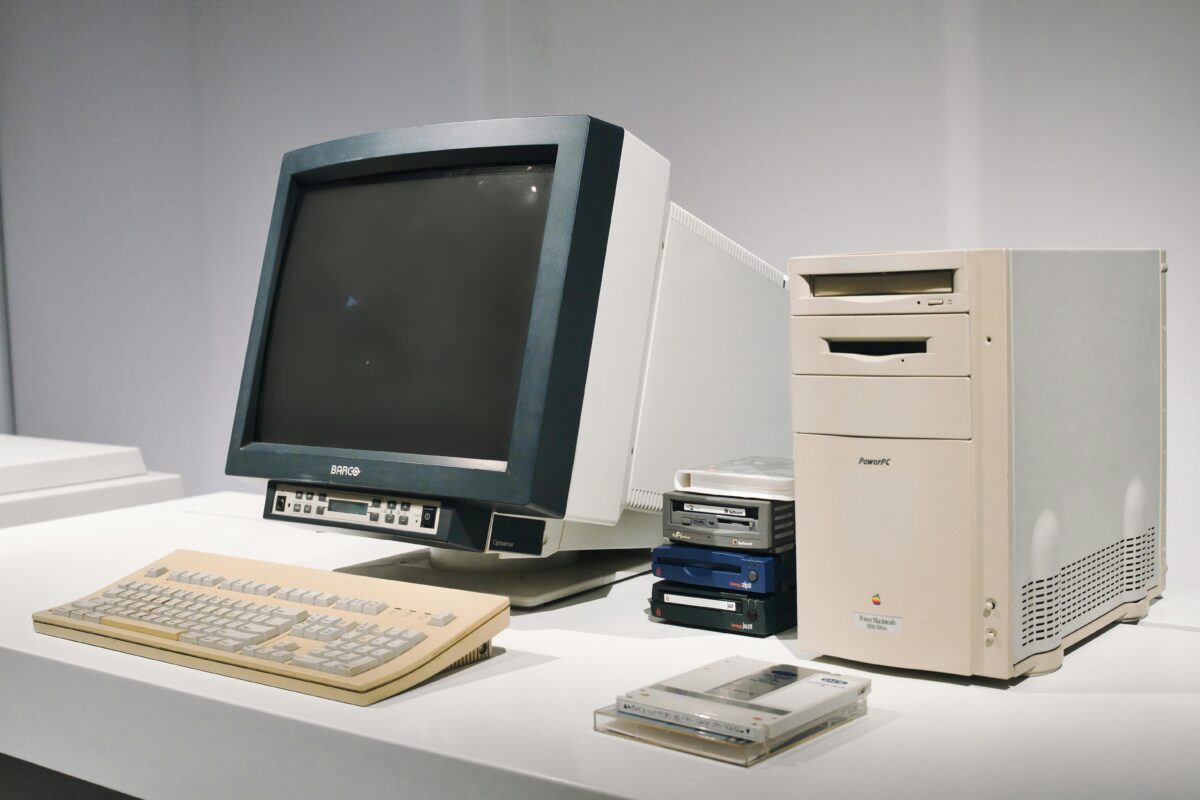
Even more recently, personal computers became widely available in the late 1970s and early 1980s, bringing computing from industrial and academic settings into homes.
With the advent of internet connectivity in the 1990s, digital access transformed work, education, and leisure.
Many routines we now consider essential, such as email, online banking, and streaming, only existed within the last few decades, underscoring how rapidly daily life adapts to innovation.
Televisions
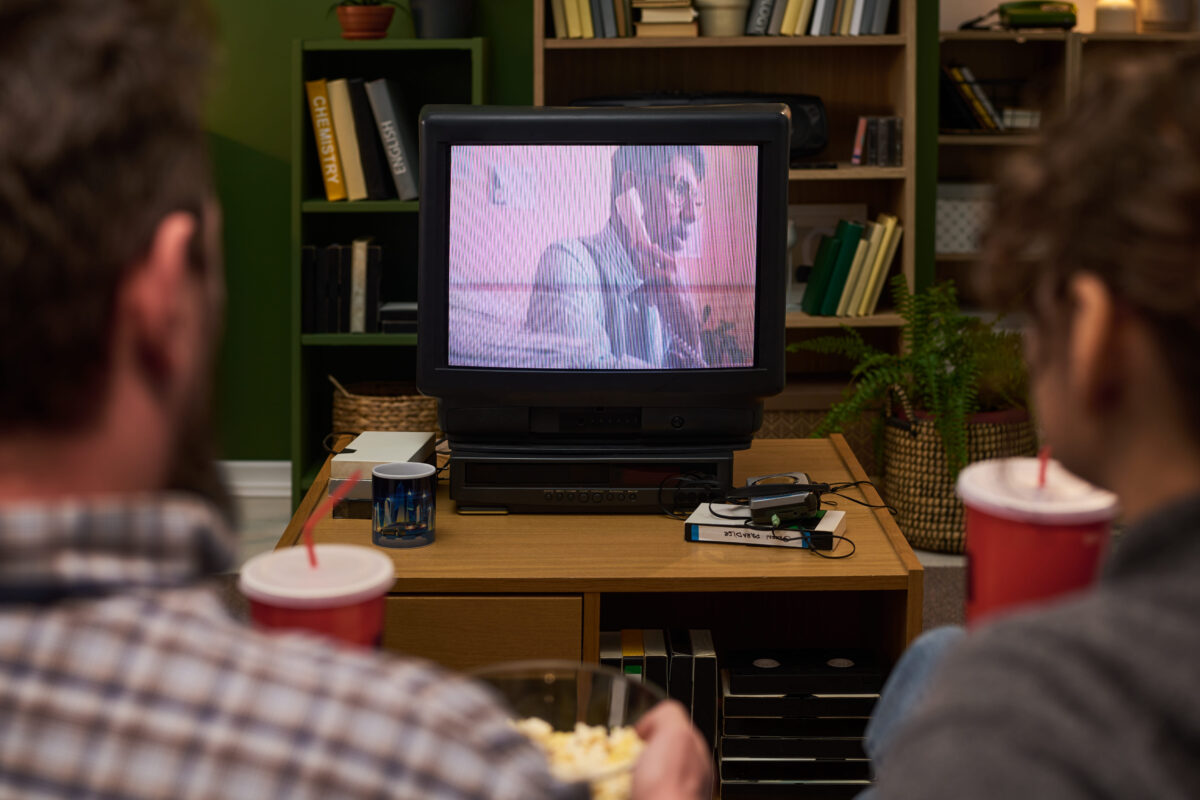
Television, introduced commercially in the late 1930s, only became commonplace in the 1950s and 1960s. Its rise changed furniture layout, social routines, and entertainment consumption.
Families gathered around screens, creating shared experiences in ways novels, radio, and theater had not. This shift illustrates how mass media reshaped domestic life, turning the living room into a hub of cultural and technological interaction.
Key Takeaways
Many elements of modern life are surprisingly young. Sofas, highways, dinnerware, literature, picnics, supermarkets, ovens, backyards, televisions, and personal computers only became accessible and widespread over the past few centuries.
Recognizing these challenges challenges our assumptions about permanence and tradition, highlighting how social, technological, and industrial progress continues to reshape daily life.
The conveniences we take for granted are the result of deliberate innovation and cultural shifts, reminding us that the “ordinary” can have extraordinary origins.
What other familiar items might we assume are ancient, but in reality, are products of recent history?