8 Countries Where You Can Live in Luxury for Cheap in 2026
Luxury used to mean a penthouse, a private driver, and a dinner bill that looked like a car payment. Now, for many Americans, luxury means something sharper and more practical.
It means a sunny apartment with space to breathe, good healthcare within reach, fresh food that doesn’t wreck the budget, and enough money left at the end of the month to actually enjoy life.
That shift matters because the cost of staying comfortable in the U.S. keeps climbing. The Bureau of Labor Statistics reported that food, energy, shelter, and other everyday costs continued rising in April 2026, with food at home up 0.7% for the month and rent also moving higher.
The average retired worker’s Social Security benefit for January 2026 was estimated at $2,071, which makes overseas living more attractive for people who want comfort without financial panic.
The countries below are not just “cheap places.” They are places where the luxury-to-cost ratio can feel almost unfair when planned well. We are looking at rent, dining, climate, healthcare access, transportation, visa practicality, cultural depth, and daily comfort.
Numbeo’s cost database is crowdsourced, so prices should be treated as useful estimates rather than fixed promises, but it remains one of the broadest tools for comparing living costs across thousands of cities.
Vietnam

Vietnam gives you big-city energy and Beach Comfort for less. It ranks near the top of any serious list of countries where you can live in luxury cheaply because the value gap is still huge. Ho Chi Minh City offers restaurants, rooftop bars, serviced apartments, modern gyms, and buzzing cafés at prices that feel lighter than in major U.S. cities.
Numbeo lists a three-course mid-range meal for two in Ho Chi Minh City at about ₫500,000, with inexpensive meals commonly around ₫50,000. That means everyday dining can feel like a treat instead of a budget leak.
The real luxury play in Vietnam is Da Nang. It gives you beach access, a calmer pace, good cafés, modern apartments, and weekend trips to Hội An.
Ho Chi Minh City suits people who want business energy, nightlife, and endless food choices, but Da Nang is often the better long-stay choice for comfort. Vietnam also offers an official e-visa valid for up to 90 days with single or multiple entries, which makes test stays easier before a bigger move.
Malaysia
Malaysia makes modern living feel surprisingly affordable. It is one of the best countries for people who want developed infrastructure without developed-world prices. Kuala Lumpur has sleek high-rise apartments, efficient transit, international schools, major hospitals, luxury malls, and one of Asia’s best food scenes.
Numbeo lists a meal for two at a mid-range Kuala Lumpur restaurant at around RM120, and inexpensive meals at around RM20. That balance helps explain why many expats feel they can live well without constantly making sacrifices.
Kuala Lumpur is the strongest choice for city lovers, but Penang deserves attention for retirees and food-focused expats. It has seaside neighborhoods, a slower rhythm, strong medical tourism credentials, and a famous street-food culture.
Malaysia’s MM2H program has changed over the years and now includes fixed deposit rules, so long-term movers should check the official requirements before making plans.
The official MM2H guidance confirms fixed deposit requirements and allows partial withdrawal after approval for approved purposes such as housing, education, medical, and tourism activities.
Thailand

Thailand still offers wellness, Beaches, and a high quality of life. It remains a classic, affordable luxury destination because it offers a variety of lifestyles within one country. Bangkok offers restaurants, hospitals, sky bars, shopping, and fast urban energy.
Chiang Mai offers mountain air, cafés, temples, yoga studios, and lower rent. Phuket, Hua Hin, and Koh Samui offer the beach lifestyle people imagine when they talk about escaping high living costs.
Bangkok is pricier than it used to be, but it still beats many Western cities for daily comfort. Numbeo lists a mid-range meal for two in Bangkok at about ฿1,200, while Thailand’s countrywide estimate is around ฿900.
That makes it possible to dine out often, use affordable transport, and build a lifestyle around services that would cost far more in the U.S. or Western Europe.
Visa planning matters more in Thailand than casual visitors realize. Thailand has recently moved toward stricter tourist visa controls, with Reuters reporting in May 2026 that the country planned to reduce visa-free stays for tourists from 93 countries from 60 days to 30 days.
Long-stay expats should carefully review current rules and consider appropriate visa options rather than relying on repeated tourist entries.
Mexico

Mexico gives Americans comfort without going far. It is not the cheapest country on this list, but it may be the most practical for many Americans. It offers short flights back to the U.S., familiar time zones, strong private healthcare in major cities, rich culture, and a wide range of lifestyles.
Mexico City gives you world-class food, museums, parks, and neighborhoods with serious style. Mérida offers a sense of safety and colonial charm. Playa del Carmen and Puerto Vallarta deliver beach living with large expat communities.
The countrywide food value remains strong. Numbeo lists a mid-range meal for two in Mexico at around Mex$800, with inexpensive meals around Mex$200. Mexico City is more expensive, especially in areas like Roma, Condesa, Polanco, and Reforma, but the lifestyle still compares well against Los Angeles, New York, Miami, and Austin.
The catch is residency. Mexico has raised financial solvency expectations at many consulates, and requirements can vary depending on where you apply.
Mexperience’s 2026 guide notes that temporary residency often requires a regular monthly income of around US$4,400, though some consulates ask for different documentation periods. That makes Mexico excellent for people with higher retirement income, remote work income, or savings, but less simple for low-budget applicants.
Panama
Panama blends modern services with retiree-friendly perks, making it one of the strongest choices for people who want a familiar financial setup, as it uses the U.S. dollar.
Panama City feels polished, vertical, and international, with luxury condos, modern hospitals, waterfront neighborhoods, and a strong banking culture. Boquete offers mountain air, coffee farms, cooler weather, and a large expat scene. Coronado gives retirees a beach base within reach of the capital.
Daily costs can still be very reasonable outside the most polished districts. Numbeo lists a mid-range meal for two in Panama City at around $50 and inexpensive restaurant meals at around $10.
That is not Southeast Asia cheap, but it is a strong value for a country with modern infrastructure, direct flights, and a dollar-based economy.
Panama also stands out for its Pensionado visa. The Embassy of Panama states that a retiree’s residence requires proof of income or pension of $1,000 per month, plus $250 for each dependent. For Americans living on Social Security or a pension, that threshold can make Panama feel unusually accessible compared with many residency programs.
Portugal

Portugal offers European luxury without the expense of Paris or Zurich prices. It has become more expensive, especially in Lisbon, but it still offers one of the best lifestyle deals in Western Europe when chosen carefully.
The smart move is to look beyond Lisbon’s most expensive neighborhoods. Porto, Braga, Coimbra, Setúbal, Évora, and parts of the Algarve can offer a more balanced mix of rent, food, walkability, healthcare, and culture.
Lisbon is still cheaper than many major European capitals for dining. Numbeo’s May 2026 Lisbon data lists a meal for two at a mid-range restaurant at about €55, with inexpensive meals around €14.
Those prices are higher than in Southeast Asia or Latin America, but Portugal offers European infrastructure, Atlantic coastlines, historic towns, good public transport, and access to the Schengen Area once properly resident.
The D7 visa remains one of Portugal’s best-known routes for people with passive income. Current 2026 guides set the minimum passive income requirement at around €920 per month for the main applicant, though applicants should confirm the rules with the relevant consulate and Portuguese authorities, as documentation standards can be stricter than the headline figure suggests.
Albania
Albania is the Mediterranean bargain that many people miss. It gives you a rare mix of Mediterranean coastline, mountain scenery, low food costs, and easy entry for Americans. It is not as polished as Portugal or Spain, but that is part of the value.
Tirana feels energetic and young, Saranda offers views of the Ionian Sea, Vlorë is growing fast, and the Albanian Riviera can feel like a lower-cost cousin of Greece or Croatia.
Tirana’s living costs remain attractive for Europe. Numbeo lists a one-bedroom apartment in Tirana’s city center at around 67,899 lek, and one outside the center at around 42,121 lek. A meal for two at a mid-range restaurant costs around 4,777 lek, according to data, keeping dining within reach for many expats.
Albania is especially appealing to U.S. citizens because of its generous entry rules. The U.S. Embassy in Albania states that U.S. citizens do not need a visa to enter and are generally allowed to stay for up to one year without a residence permit.
That makes Albania one of the easiest European countries for Americans who want a long-term stay before committing.
Ecuador

Ecuador makes Fixed-Income living feel more spacious, which is a strong option for retirees because it uses the U.S. dollar, offers varied climates, and keeps daily expenses manageable.
Cuenca is the classic expat base, with colonial architecture, a walkable center, cooler weather, and a slower rhythm. Quito offers bigger-city services and history. Manta and other coastal areas offer warmer weather and beach access for people who prefer ocean living.
Food costs are one of Ecuador’s biggest strengths. Numbeo lists a meal for two at a mid-range restaurant in Ecuador at about $35, with inexpensive meals around $3.50. In Cuenca, the mid-range meal for two is estimated to be even lower at around $30.
That means a fixed retirement income can stretch across dining, taxis, markets, and household help in ways that feel impossible in many U.S. cities.
Ecuador’s visa rules should be checked before moving because income thresholds can change. A 2026 Ecuador visa guide lists the pensioner income requirement at $1,446 per month, tied to three Ecuadorian minimum wages. That number is still reachable for many retirees, but it is higher than older figures that still circulate online.
What “Cheap Luxury” Really Costs in 2026
The phrase “live in luxury for cheap” can mislead people when it sounds like a fantasy. A better way to define it is this.
In the right country, a single person may build a comfortable lifestyle from about $1,200 to $2,500 per month, depending on the city, rent, healthcare, travel, and dining habits. Couples often need more, but shared housing can lower the per-person cost.
The cheapest lifestyle is rarely the best one. The real goal is not to spend the least. It is to buy the most comfort per dollar. A $500 apartment with weak internet, poor location, and bad noise control is not a luxury. A $900 apartment with security, walkability, natural light, reliable air conditioning, and nearby healthcare may be a bargain.
Housing is the biggest swing factor. In every country above, the difference between a tourist district and a local neighborhood can be massive. The best value often sits just outside the famous area, close enough for convenience but far enough to avoid inflated rents. Food, transport, and services are easier to control, but rent locks in your monthly lifestyle.
Smart Rules Before Moving Abroad
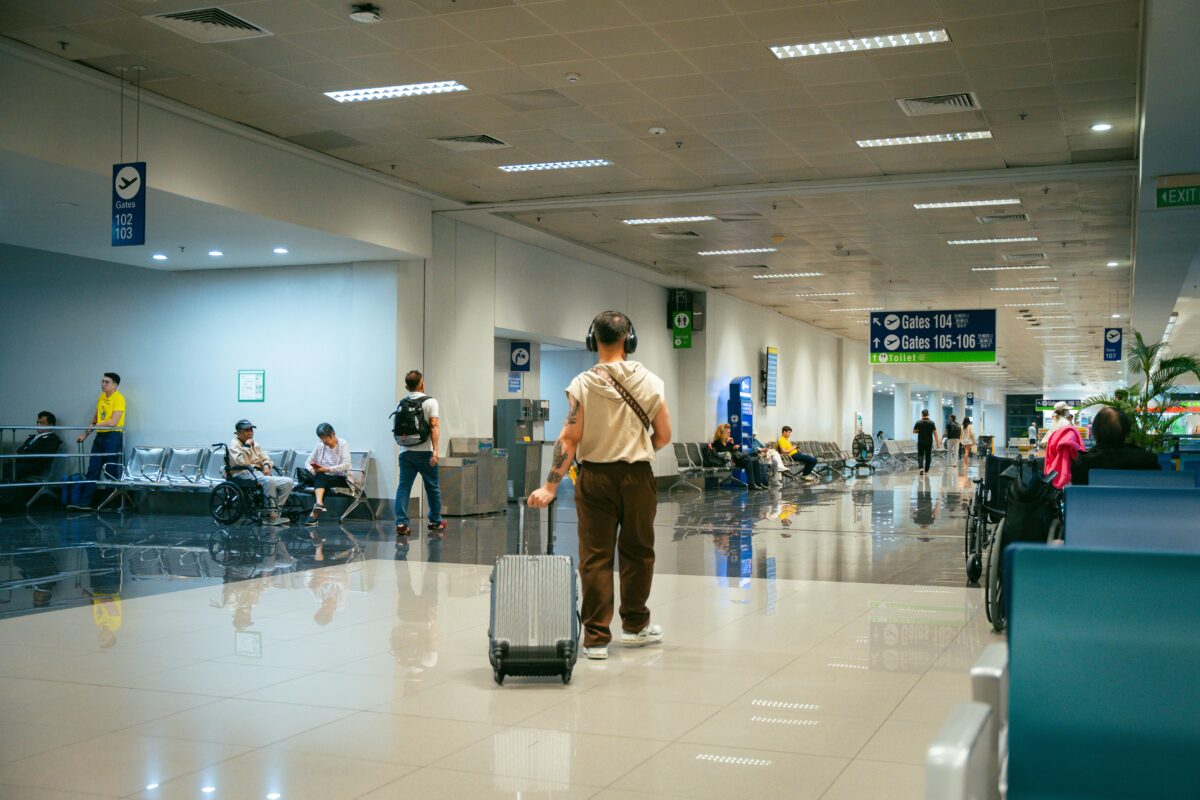
First, do a test stay before signing a long lease. Thirty days tell you what a vacation feels like. Ninety days tell you what daily life feels like. You learn how loud the neighborhood gets at night, how reliable the internet is, how much groceries really cost, and how easy it is to handle banking, healthcare, transport, and laundry.
Second, price healthcare before you move. Some countries offer excellent private care at lower prices than the U.S., but access depends on city, insurance, age, and medical history. Malaysia, Mexico, Portugal, Panama, Thailand, and Colombia are often strong healthcare choices, but the best hospital may not be in the cheapest town.
Third, treat visa rules as part of the budget. Cheap rent means little if you cannot legally stay. Some countries make long stays easy, such as Albania, for U.S. citizens up to one year without a visa. Others require proof of income, fixed deposits, insurance, or repeated renewals. The best country is not just affordable. It is affordable and legally workable.
Final Takeaway
The best countries where you can live in luxury for cheap are not identical. Vietnam gives you food, beach cities, and energy. Malaysia gives you comfort and healthcare. Thailand gives you wellness and service culture.
Mexico gives Americans proximity and familiarity. Panama gives retirees a dollar-based system and a practical visa. Portugal gives you Europe with a softer price tag. Albania gives you Mediterranean value. Colombia, Ecuador, Georgia, Indonesia, and Laos each offer their own version of comfort for less.
The winning move is to stop chasing the cheapest country and start chasing the best lifestyle match. Cheap luxury is not about pretending every day is a vacation. It is about designing a life where rent, food, healthcare, and pleasure stop fighting each other. For many Americans in 2026, that life may be easier to build abroad than at home.