10 Forbidden Foods You Cannot Legally Find in America
America has almost every food imaginable, from deep-dish pizza to Korean barbecue tacos, but some dishes still hit a hard legal wall. The strange part is that many of these foods are normal, beloved, or even luxurious in other countries.
Some are banned because they can poison people. Others are restricted because of wildlife protection, food safety laws, or old regulations that never really left the kitchen. Here are 10 forbidden foods you cannot legally find in America in their traditional form.
Traditional Haggis With Sheep Lung
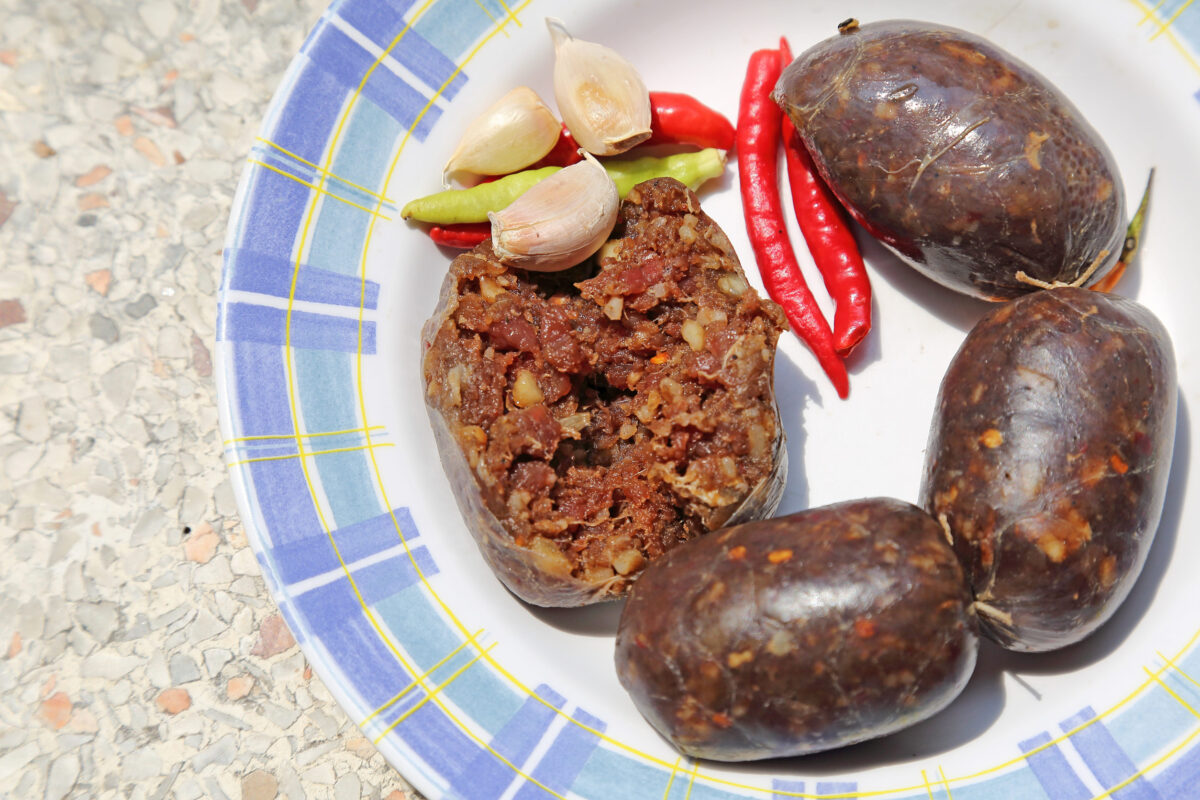
Traditional Scottish haggis is one of the most famous banned foods linked to America. The dish is usually made with sheep organs, oats, onions, spices, and suet, then cooked in a casing. The problem is one specific ingredient: sheep lung. U.S. federal rules state that livestock lungs “shall not be saved for use as human food,” meaning authentic haggis made the old Scottish way cannot be legally sold in the U.S.
That does not mean Americans cannot eat haggis-style food. Some companies make altered versions without lungs, but purists would argue that it is not the real thing. For Scottish families celebrating Burns Night, this ban feels like showing up at a wedding without the bride.
Kinder Surprise Eggs
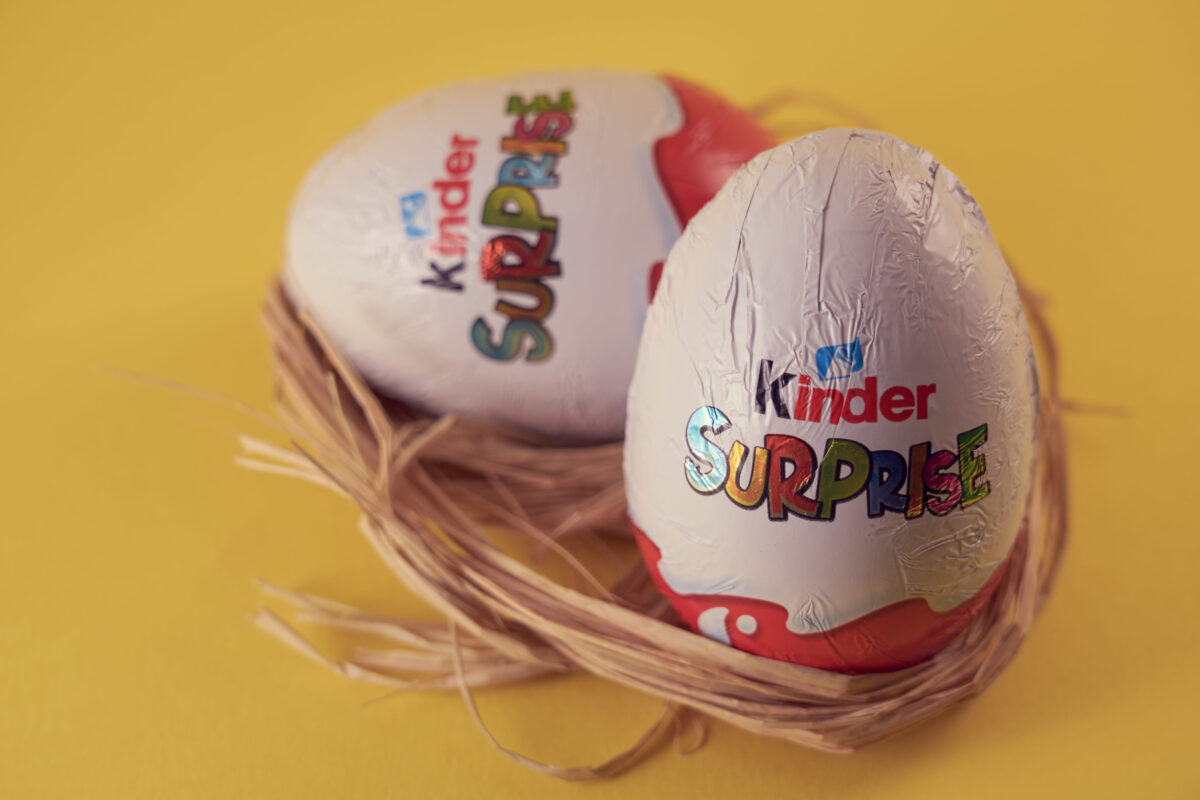
Kinder Surprise eggs look innocent enough. They are chocolate eggs with a small toy hidden inside. Children across Europe have loved them for years, but U.S. officials consider the toy a choking hazard because it is sealed inside an edible chocolate shell.
Customs officials have warned travelers that Kinder Surprise eggs are banned from importation because the toy inside violates rules against non-food objects embedded in candy. Kinder Joy, a different version with the toy separated from the candy, is legal in the U.S. The original Kinder Surprise, however, remains the forbidden egg that many travelers learn about the hard way.
Fresh or Unripe Ackee
Ackee is Jamaica’s national fruit and a key part of the classic dish ackee and saltfish. When properly ripened and prepared, it is delicious and safe. When unripe, it can contain dangerous levels of hypoglycin A, a natural toxin that can cause severe vomiting, dangerous blood sugar drops, coma, and even death.
The U.S. allows some canned or frozen ackee from approved processors, but fresh or improperly processed ackee is heavily restricted. FDA import rules target ackee products with unsafe levels of hypoglycin A, meaning the raw island-market version is not something Americans can casually pick up at a grocery store.
Casu Marzu
Casu marzu is a Sardinian cheese famous for one deeply unsettling detail: it contains live insect larvae. To fans, it is a bold traditional delicacy with intense flavor. To regulators, it is a food safety nightmare wearing a cheese rind.
Commercial sale of casu marzu is illegal in Italy and in many other countries, including the United States, due to health concerns about the live maggots inside the cheese. It is the kind of food that sounds like a dare, a heritage dish, and a horror movie prop all at once.
Wild Beluga Caviar
Beluga caviar once symbolized the peak of luxury dining. It came from the beluga sturgeon, a massive ancient fish prized for its delicate roe. That luxury came at a brutal cost, as overfishing pushed the species to the brink of extinction.
The U.S. Fish and Wildlife Service suspended trade in beluga sturgeon caviar and meat from the Caspian Sea basin in 2005. A U.S. Fish and Wildlife fact sheet also states that under a moratorium, beluga caviar cannot be imported into or exported from the United States in any quantity. Some farmed alternatives exist under narrow legal conditions, but wild imported beluga caviar is not the old-money indulgence Americans can legally order.
Shark Fin Soup
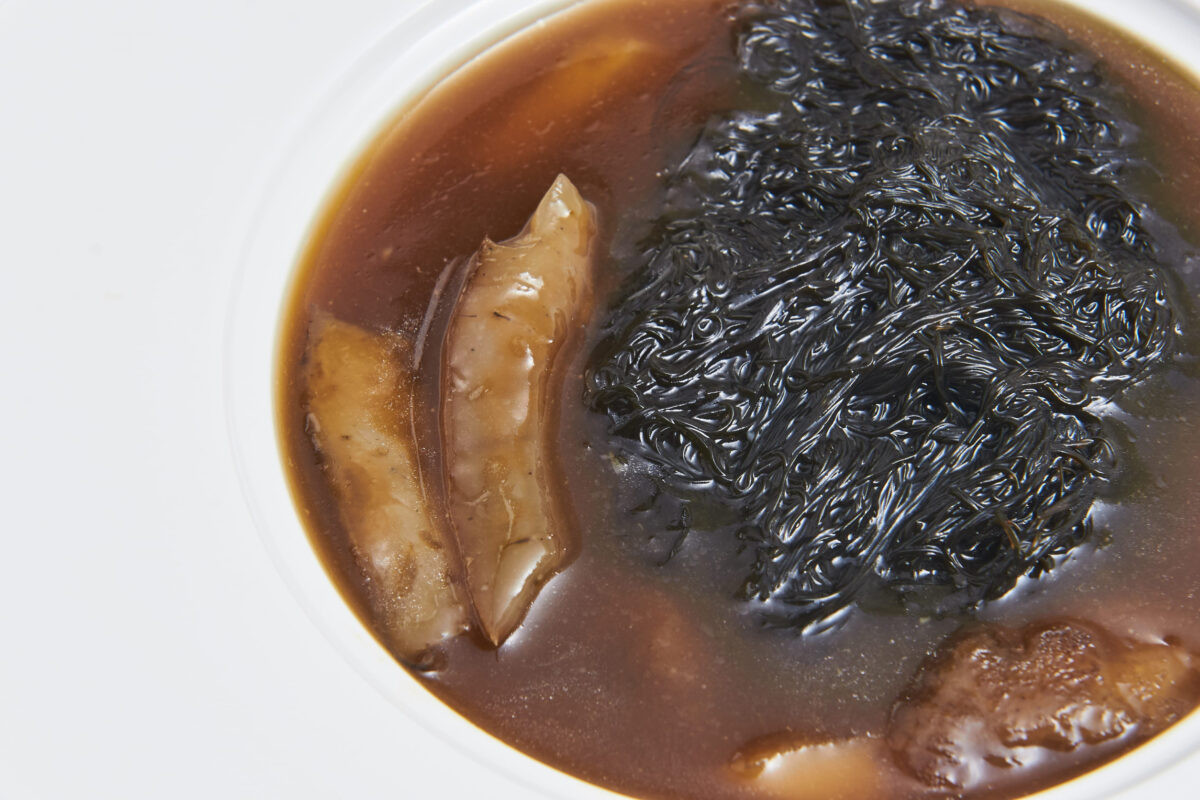
Shark fin soup has long been served as a luxury dish in parts of Asia, especially at banquets and weddings. In the U.S., detached shark fins are now largely off the menu. Federal law prohibits possession, transport, sale, purchase, or offering for sale of shark fins or products containing shark fins, with limited exceptions.
The reason is conservation. Shark finning has been criticized because it often targets the fin while wasting the rest of the animal. In America, that bowl of status soup has become a legal and environmental red flag.
Sea Turtle Meat and Eggs
Sea turtle meat and eggs are eaten in some coastal communities around the world, but in the U.S., they are protected. NOAA explains that many countries, including the United States, prohibit killing sea turtles and collecting their eggs.
The rule exists because sea turtles have long been targets of exploitation for meat, eggs, fat, and shells. A dish that might look traditional in one place becomes a serious wildlife crime in another. In America, sea turtle eggs are not exotic appetizers. They are protected wildlife.
Bushmeat
Bushmeat refers to meat from wild animals such as monkeys, apes, bats, rodents, and other wild species. It may be culturally familiar in some regions, but bringing it into the U.S. is illegal. The CDC says bushmeat found at U.S. ports of entry will be destroyed and may lead to fines.
The concern is disease. Bushmeat can carry dangerous germs, including viruses linked to serious outbreaks. In America, it is not treated as a rare culinary import. It is treated as a public health threat.
Raw Milk Cheese Aged Less Than 60 Days
Americans can buy some raw-milk cheeses, but not the fresh, soft, young varieties beloved in parts of Europe. Federal standards require cheese made with unpasteurized milk to be cured at not less than 35°F for at least 60 days.
That rule blocks many traditional fresh raw-milk cheeses from legal sale. The result is a quiet heartbreak for cheese lovers who dream of soft, funky, farm-made European cheese in its youngest form. In the U.S., if it is raw, it usually has to wait.
Sassafras Tea With Safrole
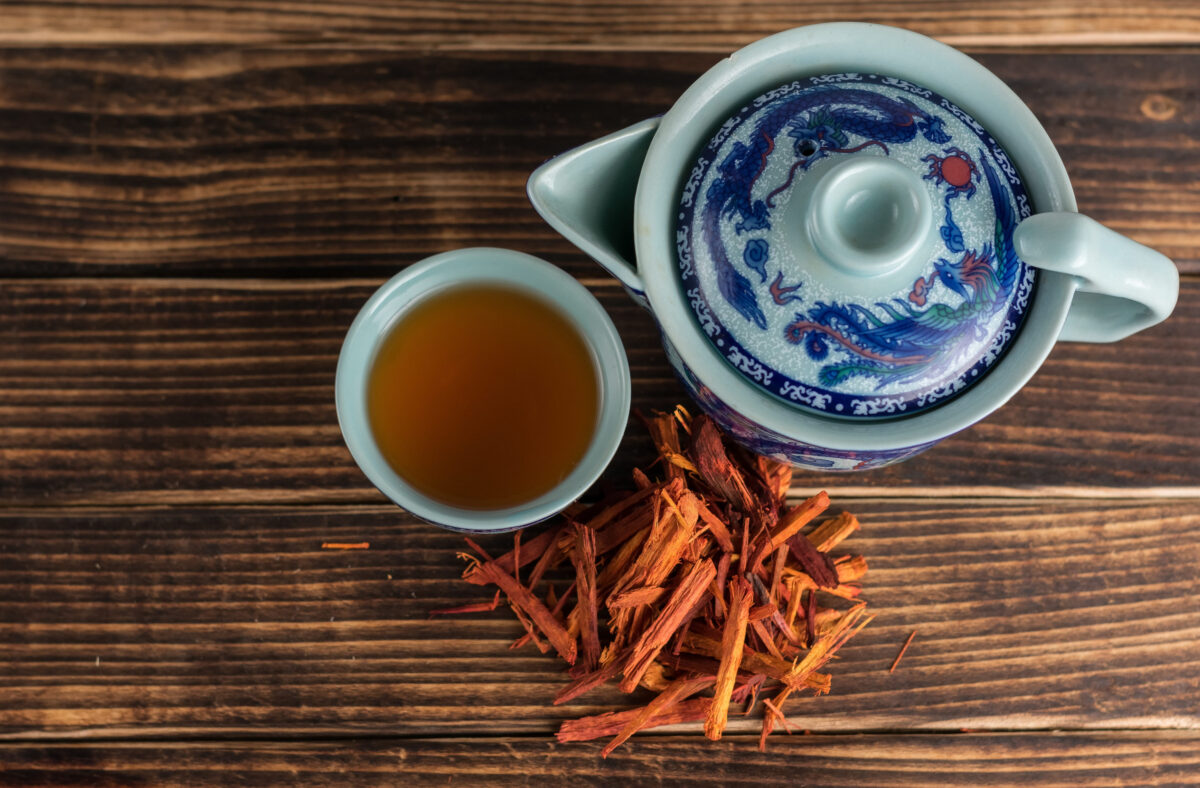
Old-fashioned sassafras tea and traditional root beer once leaned on the bold, earthy flavor of sassafras. The trouble is safrole, a natural compound found in sassafras. U.S. food regulations treat foods containing added safrole, oil of sassafras, or sassafras bark used mainly to add safrole flavor as adulterated.
Modern root beer uses safrole-free flavoring, so the nostalgic taste survives in a safer form. The traditional version, however, is another banned food relic trapped between memory and regulation.
Conclusion
America’s forbidden foods list is not just about strange tastes or government overreach. It is a messy map of public health fears, endangered species protection, choking hazards, import rules, and old food safety battles. Some bans make obvious sense, especially with toxins, protected wildlife, and disease risks. Others feel oddly specific, like haggis without sheep lung or chocolate eggs with hidden toys.
What makes these foods fascinating is that many are common elsewhere. They carry culture, nostalgia, status, or tradition, yet they become illegal once they cross into the American food system. That is what makes the list so compelling: it reminds us that food is never just food. Sometimes, it is law, danger, memory, and controversy served on the same plate.