9 Alarming Reasons Americans Should Fear the Ebola Outbreak After WHO Declares Global Health Emergency
What started as isolated cases in central Africa has now jolted the world’s attention: the **World Health Organization (WHO) declared the Ebola outbreak in the Democratic Republic of the Congo (DRC) and Uganda a global public health emergency of international concern , a designation reserved for threats that could cross borders and overwhelm systems.
This is not theoretical fearmongering: the virus involved, the Bundibugyo strain, has sparked alarm due to its deadly profile, the lack of treatment options, and the sheer unpredictability of its spread. While the U.S. currently has no widespread cases, ignoring the warning signs is perilous. Here are nine compelling reasons that should unsettle every American.
Ebola Has a High Fatality Rate with No Known Cure
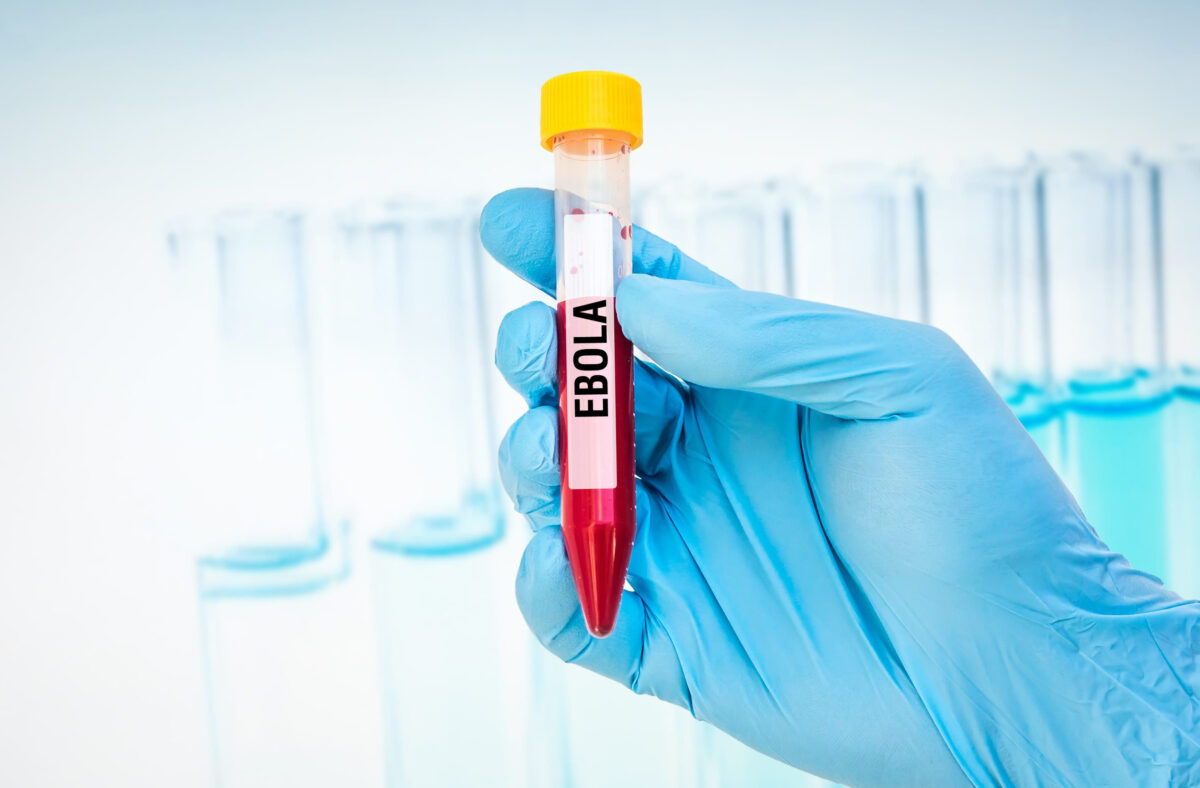
Ebola virus disease is not like the flu or a run‑of‑the‑mill virus that makes people miserable for a few days. It’s a hemorrhagic fever with a historically high fatality rate , often killing about half of those infected and sometimes much more. Past outbreaks have seen mortality rates ranging from 25% to 90%, depending on the strain and context.
The current outbreak involves the Bundibugyo virus, a rarer strain with no approved vaccines or specific treatments. That means even state‑of‑the‑art U.S. hospitals cannot yet deploy a proven defense if it were to occur on a larger scale.
The Virus Doesn’t Give Notice Before Becoming Deadly

Ebola’s incubation period can last up to 21 days, and symptoms at first mimic benign illnesses such as fever, headache, fatigue, and muscle pain.
That’s precisely what makes it so dangerous: people can travel or interact with others in communities while infected and undiagnosed. By the time they’re ill enough to seek help, they’re already highly infectious.
U.S. Is Not Immune in an Interconnected World
Globalization isn’t just about trade and travel; it’s about pathogens hitchhiking across continents in suitcases, on planes, and across borders. International travel could bring an infected person to U.S. soil before authorities know it, especially during the stealthy, early symptomatic stage.
That’s exactly why the U.S. Centers for Disease Control and Prevention (CDC) and Department of Homeland Security ramped up travel screenings and entry monitoring after the emergency declaration.
The Absence of Vaccines for This Strain Is Terrifying
Most Americans may be vaguely familiar with the Ebola vaccine developed for the more common Zaire strain. But that doesn’t protect against the Bundibugyo variant , the one now spreading.
This isn’t an academic concern. The lack of targeted vaccines means the fundamental tools that helped curb past outbreaks are missing. If Ebola finds its way into densely populated areas, including cities with international travel hubs, the consequences could ripple rapidly unless containment is swift.
Ebola is Brutally Contagious Through Bodily Fluids
The Ebola virus doesn’t float through the air like measles or tiny droplets like the coronavirus. But it spreads through direct contact with blood, vomit, sweat, saliva, and other bodily fluids, particularly during late stages of illness when infectiousness skyrockets.
That’s terrifying because many early symptoms mimic other illnesses, and people may care for sick loved ones or refuse protective measures without realizing they’re exposing themselves and others to a killer virus.
American Healthcare Workers Could Become Frontline Targets
During Ebola epidemics, healthcare workers historically suffer disproportionate risk, especially before containment protocols are fully established. Reports from Congo’s outbreak reveal infection among medical staff and deaths among healthcare workers, underscoring the vulnerability of even trained professionals.
If even the best‑equipped facilities can be overwhelmed, imagine the stress placed on overwhelmed rural or underfunded clinics if the virus reaches U.S. communities outside major medical centers.
Global Health Systems Are Stretched Thin

Ebola is emerging at a time when global disease surveillance , including in wealthy nations, faces funding constraints and fragmentation. Cuts in surveillance capacity don’t result in immediate catastrophes, but they reduce our ability to detect and respond to incipient outbreaks before they cross borders.
If we fail to detect and contain Ebola early in Africa, the lag will translate into delayed responses everywhere , including in the U.S., where waiting until a crisis fuels panic rather than prevention.
Porous Borders and Urban Spread Threaten Rapid Escalation
Uganda’s capital, Kampala, has already reported Ebola cases linked to travel from Congo. And WHO officials are openly worried about the spread in urban corridors where disease transmission accelerates.
In a world criss‑crossed by flights and commerce, viruses exploit connectivity the way financial markets exploit liquidity , quickly and without regard for political boundaries.
Americans may consider themselves geographically insulated, but global health threats do not respect distance.
The Worst Effects Are Not Just Medical , They Are Social and Economic

Ebola doesn’t just sicken people. It destabilizes communities. In regions affected, businesses shutter, agriculture stalls, schools close, and fear outstrips facts. The psychological toll often lingers, ammunition for misinformation and panic in social networks, news cycles, and politics.
Remember COVID‑19? The disruption was not solely medical; it reshaped work, travel, and community life. Ebola has the potential to do the same if left to spread unchecked beyond its current theater.
Even without widespread U.S. cases, the economic shockwaves of an uncontrolled epidemic in Africa or Asia ripple into world markets, supply chains, commodity prices, and investor confidence.
Conclusion
The WHO’s declaration of the Ebola outbreak as a global health emergency is a stark alarm bell , not a distant abstraction reserved for far‑away continents, but a signal that the world must take proactive, urgent action now.
Ebola is not easily transmitted like the common cold, but its sheer lethality, silent early phase, lack of vaccines for the current strain, and global interconnectedness make it a threat that Americans cannot afford to ignore. Public health preparedness is not an afterthought; it’s an essential part of national security infrastructure.
Fear is not the goal; awareness and action are. Understanding the risks doesn’t mean surrendering to panic. It means bolstering surveillance, investing in research, equipping healthcare systems, and supporting global cooperation. That’s how we transform fear into resilience.
Ignoring this crisis today could mean facing a far tougher battle tomorrow. And when it comes to diseases as ruthless as Ebola, caution is not paranoia , it’s wisdom.