7 Old Age Symptoms People Dismiss Until They Become a Crisis
Aging changes the body, but it should not erase someone’s strength, appetite, balance, memory, hearing, or joy. The danger begins when families shrug off serious warning signs with one easy sentence: “They’re just getting old.” That sentence can delay care, hide treatable illness, and quietly steal independence from someone who still has many good years ahead.
The smarter approach is not fear. It is attention. When an older adult starts losing weight, falls more often, forgets daily routines, withdraws from people, or feels exhausted all the time, the body may be waving a red flag. Here are seven signs of old age that deserve a doctor’s attention, not a polite excuse.
Unexplained Weight Loss

A little fluctuation on the scale happens to everyone, but sudden weight loss in an older adult should never be brushed aside. Losing 10 pounds or more, or more than 5% of body weight, within six to twelve months without trying can indicate an underlying medical issue that needs evaluation.
This symptom can look harmless at first. A parent says they are “just not hungry,” or a grandparent starts leaving half the plate untouched. The deeper question is why. Trouble chewing or swallowing, loneliness, nausea, medication side effects, or loss of smell can all reduce appetite. When weight drops without a clear reason, the best move is to book a medical checkup to find the cause.
Fatigue That Takes Over Daily Life

Everyone gets tired, but persistent fatigue is different. It is the kind of exhaustion that makes bathing feel like a chore, turns a short walk into a major effort, or keeps someone glued to a chair after a full night’s sleep. Fatigue can come with low motivation, muscle weakness, poor concentration, anxiety, depression, or a deeper medical condition.
The red flag is loss of function. If an older adult suddenly cannot manage normal errands, cook meals, attend events, visit friends, or keep up with basic routines, fatigue deserves attention. It may reflect anemia, heart disease, sleep problems, infection, medication issues, or chronic fatigue conditions. Rest is helpful after a busy day, but fatigue that keeps returning like an unpaid bill needs a proper medical conversation.
Sudden Vision or Hearing Changes
Slow changes in vision and hearing are common with age, but sudden changes need quick attention. Hearing loss may show up as asking people to repeat themselves, turning the TV volume too high, avoiding noisy rooms, or withdrawing from conversations. Sudden changes in one ear require immediate evaluation.
Vision changes that occur suddenly also deserve urgency. Blurred vision, loss of peripheral vision, double vision, new flashes, eye pain, or trouble judging distance can increase the risk of falls and may signal serious eye or neurological problems.
Hearing and vision are not small comforts. They help older adults drive, cook, read labels, follow conversations, avoid hazards, and stay socially connected. When either sense changes fast, waiting it out can cost too much.
Frequent Falls and Balance Problems
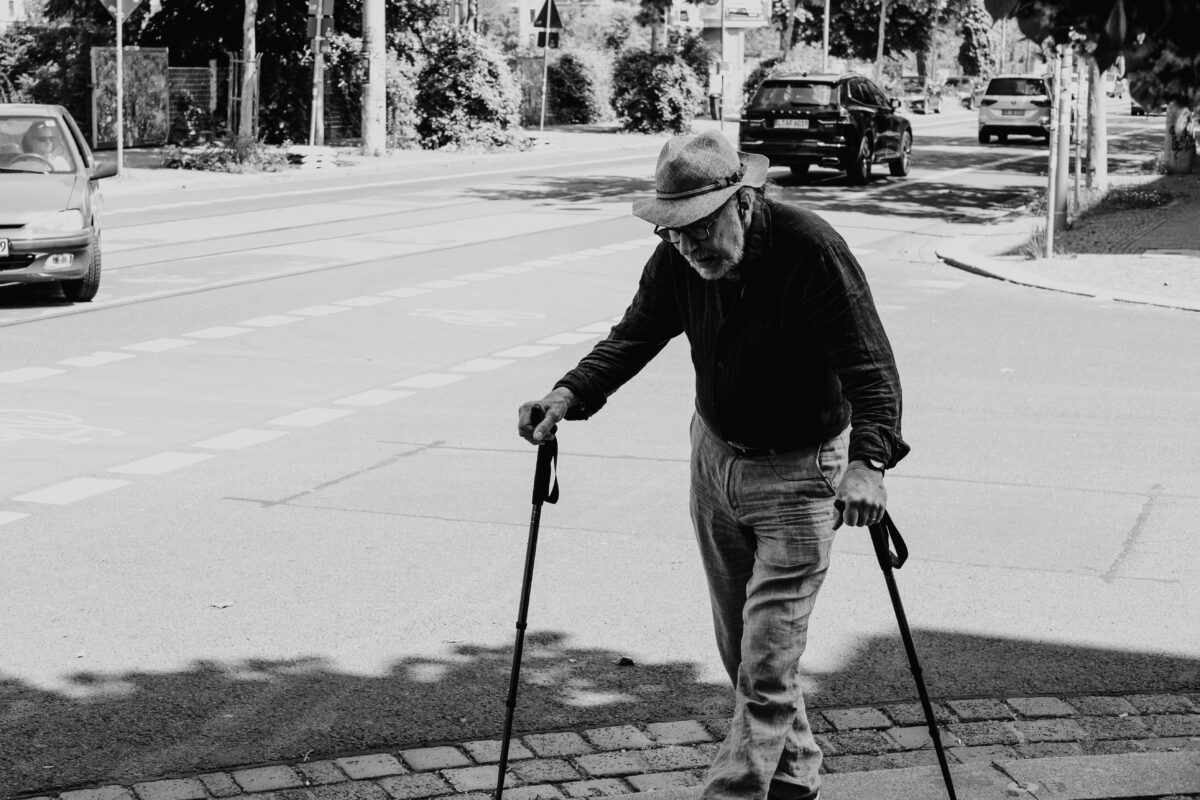
Falls are not “just part of getting old.” They are one of the loudest warning signs in senior health. More than one in four adults over 65 falls each year, and a single fall doubles the risk of falling again. Falls can lead to fractures, head injuries, hospital stays, fear of movement, and loss of independence.
A fall may be caused by poor vision, weak leg muscles, medication side effects, dizziness, nerve problems, foot pain, unsafe shoes, cluttered floors, or low blood pressure after standing. The mistake many families make is waiting for the “big fall” before acting.
If someone starts holding walls, avoiding stairs, shuffling, tripping, or feeling unsteady, it is time for a fall-risk review. A doctor can check medications, vision, blood pressure, balance, strength, and home safety before a minor stumble becomes a life-changing injury.
Memory Problems That Disrupt Normal Life
Forgetting a name and remembering it later can be normal. Forgetting to turn off the stove, getting lost in a familiar neighborhood, repeating the same question every few minutes, missing bills, mixing up words, or losing track of time are different. Memory problems that interfere with everyday decisions and daily functioning need attention.
Memory changes are especially important because some causes are treatable. Medicines, head injury, stress, anxiety, depression, alcohol use, low vitamin levels, thyroid problems, brain disease, and sleep disorders can all cause memory loss or dementia-like symptoms. That is why families should avoid jumping straight to fear or denial. The right step is evaluation. A diagnosis can uncover a reversible problem, start treatment earlier, and help families plan with more clarity.
Chronic Pain That Steals Sleep and Movement
Pain should not be accepted as the price of getting older. Achy joints after activity are one thing. Pain that disrupts sleep, limits walking, causes mood changes, or leads someone to avoid daily tasks requires care.
Many older adults stay quiet because they do not want to “complain.” That silence can create a cruel cycle. Pain reduces movement, reduced movement weakens muscles, weakness raises fall risk, and poor sleep worsens mood and energy.
The goal is not to hand someone stronger pills and move on. A safer plan may include physical therapy, medication review, gentle exercise, assistive devices, heat or cold therapy, joint treatment, or specialist care. Pain is information. It should be investigated, not ignored.
Social Withdrawal and Signs of Depression

When an older adult stops calling friends, skips family events, loses interest in hobbies, stays home most days, or seems unusually hopeless, something may be wrong. Depression in older adults can look different from depression in younger people. Signs can include memory difficulties, personality changes, physical aches, fatigue, loss of appetite, sleep problems, loss of interest, and a desire to stay home rather than socialize.
Loneliness also affects the body, not just the mood. Social isolation can increase the risk of heart disease, stroke, type 2 diabetes, depression, anxiety, dementia, self-harm, and earlier death. A quiet older adult may not be “peaceful.”
They may be grieving, depressed, afraid of falling, embarrassed by hearing loss, or too tired to keep up. The answer is patient attention, medical screening, safe social support, and regular human contact.
Conclusion
Old age does not have to mean silent suffering. The body may slow down, but sudden weight loss, severe fatigue, repeated falls, fast sensory changes, disruptive memory problems, chronic pain, and deep withdrawal are not symptoms to wave away. They are signals.
The most loving response is practical. Notice the change, write it down, ask when it started, and help the person see a healthcare professional. Early attention can protect independence, reduce complications, and give families more options before a small warning becomes a major crisis. This article is for general information only and should not replace medical advice, diagnosis, or treatment from a qualified professional.