10 TV Relationships That Destroyed Once-Great Shows
TV romances can elevate a series, creating tension, humor, or emotional depth that keeps viewers hooked. But sometimes a relationship does the exact opposite, turning once-great shows into tedious, frustrating experiences. Forced pairings, repetitive drama, and poorly timed payoffs can sap a storyline’s energy, leaving audiences to question why they invested in the characters in the first place.
These 10 relationships exemplify the couples whose love lives overwhelmed plots, undercut character growth, or drained the tension that made their shows compelling.
George and Izzie in Grey’s Anatomy

George and Izzie were beloved as best friends whose messy, warm dynamic added depth to Grey’s Anatomy. Their friendship worked because it provided comfort, tension, and a believable bond amid the hospital chaos. Turning them romantic, however, stripped away that natural chemistry.
Izzie’s impulsiveness became exaggerated, George’s loyalty felt awkward, and the romance overshadowed other compelling storylines. Fans found themselves frustrated as storylines that should have driven character growth took a backseat to a relationship that never felt earned, turning two characters with enormous potential into a source of fatigue.
Aria and Ezra in Pretty Little Liars
The relationship between Aria and Ezra started as a thrilling forbidden romance, but it carried a significant ethical imbalance that the show struggled to address convincingly. Aria’s independence and agency often took a backseat to the moral gymnastics required to justify the romance. Over time, the affair overshadowed the central mystery, which had initially hooked viewers. Rather than heightening suspense, their romance frequently distracts from the plot’s momentum, leaving the audience uncomfortable.
This relationship exemplifies how poorly handled age-gap dynamics can shift attention away from a show’s strengths, turning intrigue into narrative frustration.
Jaime and Cersei in Game of Thrones
Jaime and Cersei’s relationship began as shocking and tension-filled, adding a layer of danger and intrigue. However, as the series progressed, their bond became repetitive, pulling Jaime back into patterns that undermined his character development.
Viewers invested in Jaime’s potential redemption were frustrated by this cycle, as his growth seemed stalled by an unbreakable romantic tether. While initially compelling, the relationship began to dominate screen time, reducing tension elsewhere and making their romance feel more like a narrative crutch than a dramatic asset.
Don and Megan in Mad Men
Don Draper’s marriage to Megan illustrated familiar patterns of control, admiration-seeking, and self-sabotage. While emotionally realistic, the storyline quickly became repetitive. Megan’s growth and Don’s flaws collided in ways that felt more like déjà vu than new character exploration.
Viewers were left watching predictable patterns rather than witnessing forward motion in the story. While the relationship highlighted Don’s flaws and human complexity, it often slowed narrative momentum, proving that even well-written romances can exhaust a show when they lack fresh conflict or evolution.
Olivia and Fitz in Scandal
Olivia Pope and President Fitzgerald Grant’s affair began with danger, intrigue, and high stakes. Over time, however, it monopolized screen time and shifted focus away from Olivia’s brilliance as a fixer navigating Washington’s scandals. The romance became cyclical, with repetitive tension and melodrama overshadowing political intrigue and character depth.
While the initial attraction drove the show’s emotional core, its prolonged dominance ultimately drained the narrative, leaving viewers exhausted by constant romantic repetition instead of engaged by the clever storytelling that initially defined Scandal.
Rachel and Joey in Friends
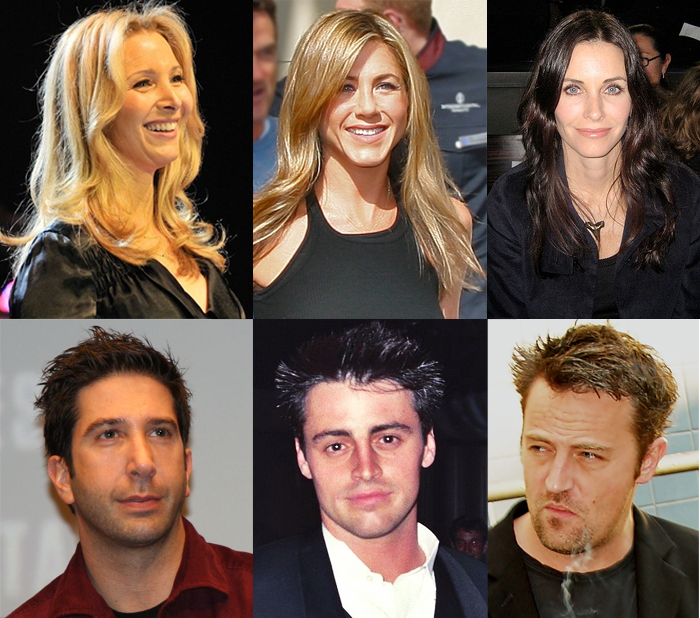
After the long-running Ross and Rachel saga, Friends attempted to inject drama by pairing Rachel with Joey. The chemistry felt forced from the start, and the dynamic diverted attention from the core ensemble. Joey, previously the lovable, goofy friend, became a romantic lead in a role that undercut his charm. Rachel’s character felt stuck in a narrative loop, struggling to sustain momentum.
Viewers quickly recognized that the relationship was more of a plot placeholder than a meaningful evolution, and it became a source of irritation, interrupting the natural comedic flow of the show’s established dynamic.
Nick and Jess in New Girl
Nick and Jess were full of chemistry, creating delightful tension in New Girl’s ensemble dynamic. However, once they became a couple, balancing romance with the broader loft storyline became difficult. Their relationship sometimes overshadowed quirky supporting characters like Schmidt, Winston, and Cece, making the apartment feel dominated by one couple’s drama.
The comedic energy and narrative variety that had drawn viewers in were occasionally diminished, underscoring how even a charming pairing can inadvertently suffocate a show’s broader ensemble when the romance becomes too central.
Dexter and Rita in Dexter
Dexter and Rita’s contrast, Dexter’s secret violence versus Rita’s domestic stability, initially created fascinating tension. Over time, though, the romance became heavy and restrictive. Rita often felt like a narrative obstacle rather than a compelling character, and the relationship slowed the pacing of Dexter’s darker, more thrilling storylines. Scenes meant to humanize Dexter occasionally undermined the suspense and moral complexity that defined the show.
While their relationship had potential for emotional depth, the execution drained the core narrative of energy, making episodes feel less sharp and more laborious.
Pam and Jim in The Office
Pam and Jim’s flirtation provided The Office with emotional grounding amid workplace absurdity. Once they became a couple, however, the tension that had driven the early episodes dissipated. Domestic challenges occasionally felt like filler rather than compelling storylines, and their relationship sometimes flattened the ensemble’s dynamic.
Even ideal TV romances can exhaust viewers if the writers cannot sustain fresh tension, proving that resolving a will-they-won’t-they arc can inadvertently drain a show’s energy and comedic momentum.
Ted and Robin in How I Met Your Mother

Ted and Robin’s romance was central to the show’s emotional arc, yet the series finale paired them together, undermining years of narrative tension. The repetitive cycle of misalignment, breakups, and reconciliations diminished the weight of prior storytelling. Viewers were left questioning the purpose of years of carefully built suspense and character growth.
The relationship illustrates how a long-running will-they-won’t-they dynamic can backfire when a payoff contradicts audience expectations, turning what should have been a satisfying conclusion into a source of disappointment.
Conclusion
Great TV romances enhance character arcs, plotlines, and tension. Poorly handled romances, however, drain energy, force awkward chemistry, and overshadow compelling narratives. These 10 couples demonstrate that love on TV, when mismanaged, can turn a beloved series into a tedious watch, proving that timing, payoff, and character consistency are just as crucial as chemistry.