You’re Probably Living in the Wrong Place In The USA If You’re This Kind of Person
Choosing where to live isn’t just about the cost of living or job opportunities. Your personality dictates how happy or miserable a place can make you. Some states energize certain traits, while others quietly suffocate them. Moving without considering your inner vibe can lead to frustration, regret, and a sense that life is dragging you down. This guide breaks down 10 personality clashes with U.S. states you need to avoid before committing to a zip code.
New York for Introverts
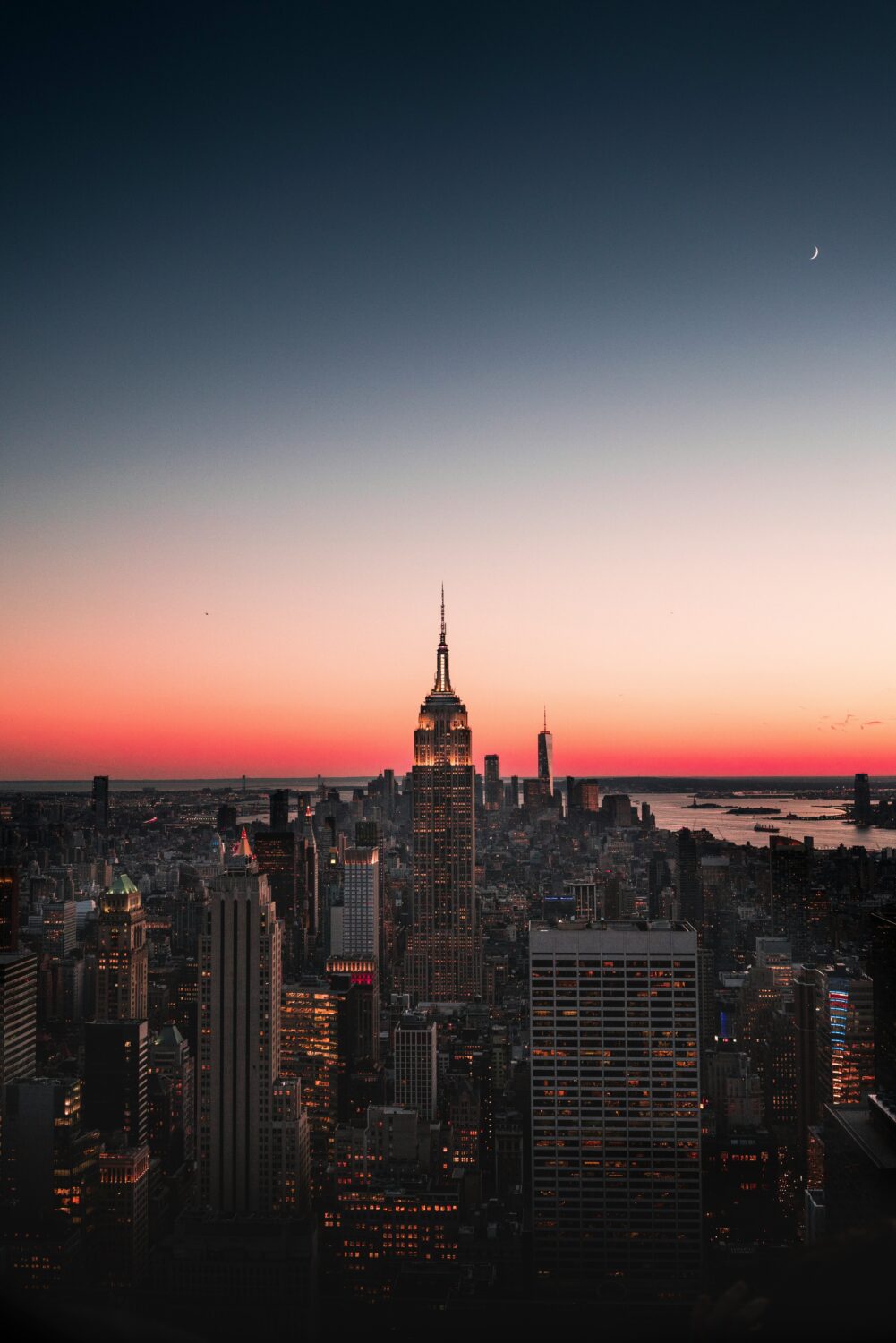
New York City’s endless noise, crowded streets, and relentless energy can overwhelm introverted personalities. Quiet coffee shops still feel bustling, and every subway ride demands attention and stamina. Socializing is unavoidable, even for simple errands. For reflective, peace-seeking individuals, NYC drains more than it inspires, making daily life a struggle rather than an adventure, and turning small pleasures into stress-inducing challenges.
California for Budget-Conscious Planners
The allure of sunny beaches and tech hubs is overshadowed by California’s astronomical living costs. Rent, taxes, and everyday expenses quickly eat up careful budgets. Long commutes and urban congestion intensify stress for those who prefer financial stability and predictability. For planners who crave order, the lifestyle here forces constant trade-offs between wants and financial reality, making long-term life satisfaction harder to achieve.
Florida for Cold-Weather Lovers
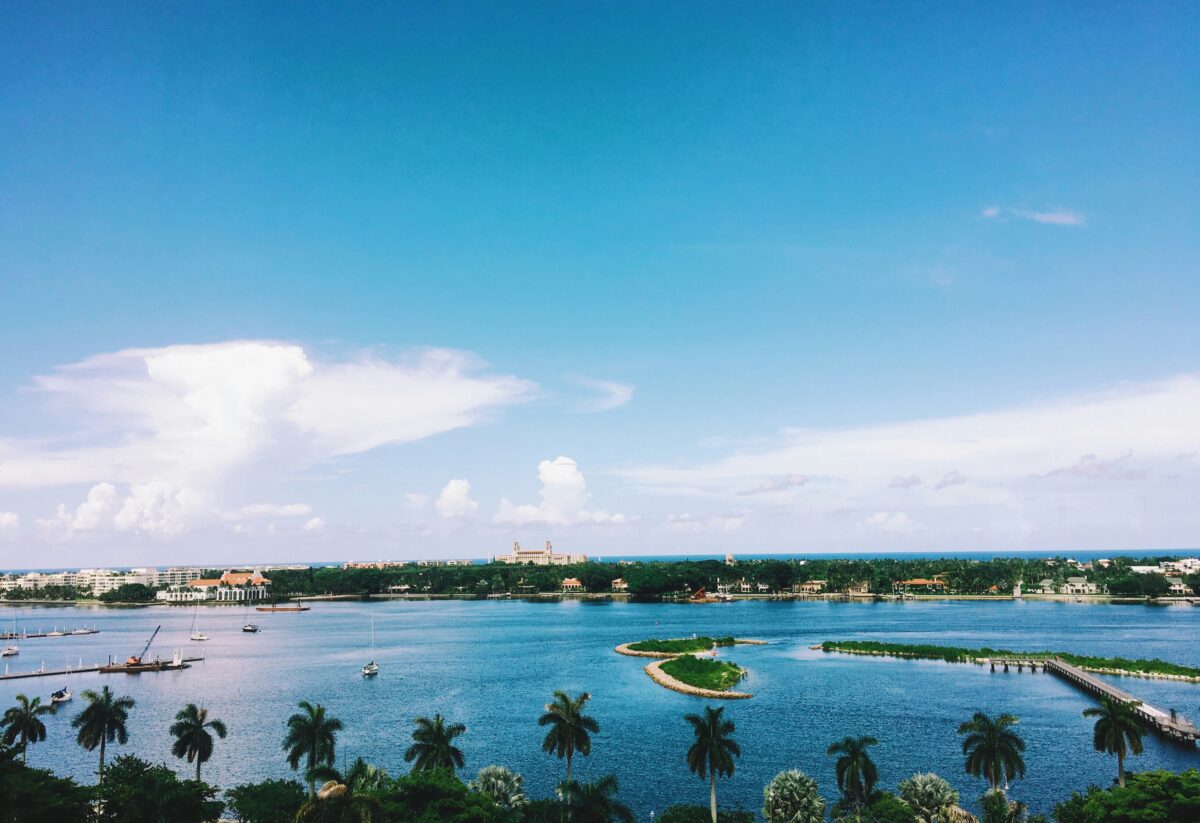
Florida’s tropical climate is appealing, but endless heat and humidity can exhaust anyone who thrives on seasonal variation. A lack of crisp winters and snow eliminates the cozy seasonal rhythms that some personalities rely on for joy. For those who enjoy layering up and savoring the cooler months, Florida’s relentless summer and subtropical storms can feel oppressive, creating an environment that stifles comfort and personal preferences rather than complementing them.
Texas for Solitude Seekers
Texas offers wide-open landscapes, yet booming cities and rapid population growth make solitude a rare commodity. Even remote areas are influenced by cultural expectations and noisy nightlife. Introverts seeking calm retreats may find the state’s expansiveness contradictory, as social and environmental noise clashes with their need for reflection. The combination of vastness and overstimulation can leave peace-loving residents feeling subtly trapped and overextended.
Nevada for Family-Oriented Individuals
Las Vegas and its surrounding areas are vibrant, but the constant party culture and transient population clash with family stability. Entertainment, nightlife, and high turnover communities create unpredictability in daily life. Education and neighborhood cohesion may feel secondary to the city’s energetic adult culture. Families seeking routine and predictability can feel unsupported, struggling to build the sense of home and community they value most.
Illinois for Small-Town Optimists
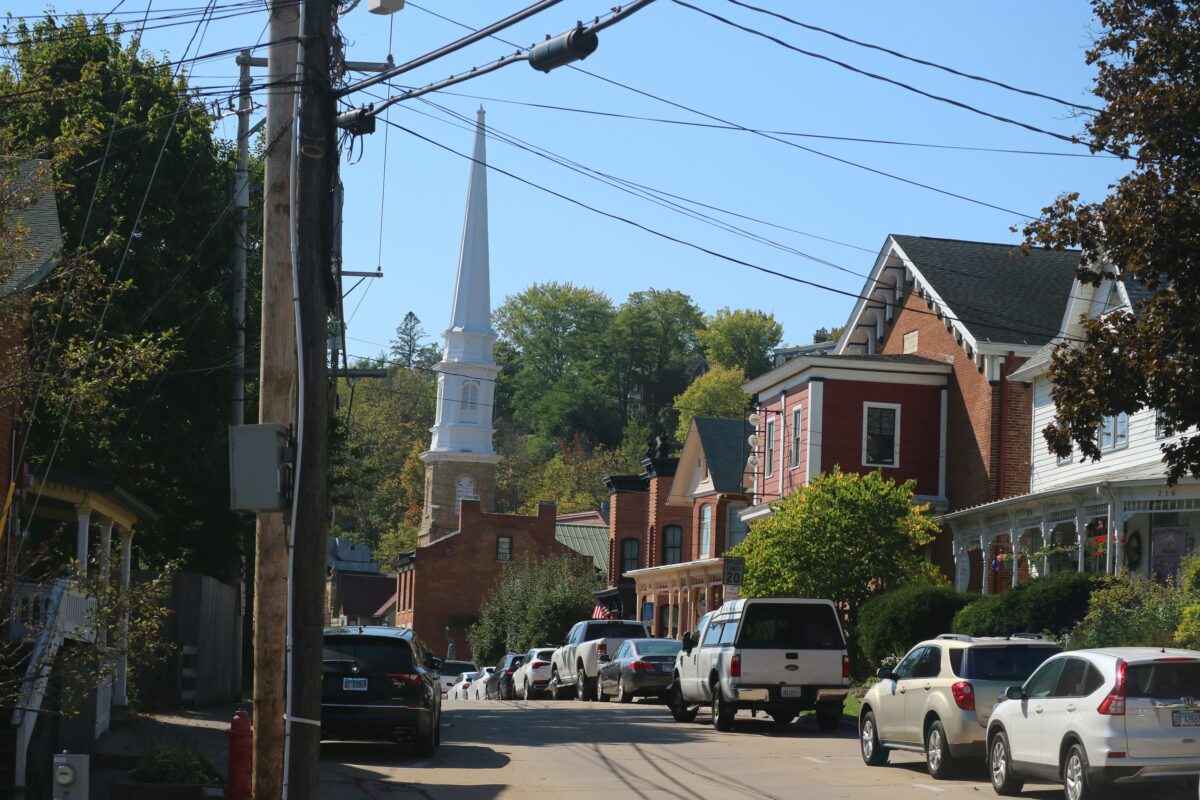
Chicago’s energy and scale can overwhelm those who thrive in intimate, neighborly communities. Urban density, traffic, and economic inequality dilute small-town optimism. Connections with neighbors are harder to foster, and daily life often requires navigating impersonal systems. People seeking warmth and personal engagement may feel frustrated and alienated, as the city environment prioritizes efficiency over closeness, undermining a sense of communal belonging.
Alaska for Social Butterflies
Alaska’s breathtaking wilderness is isolating for extroverts craving interaction. Low population density, long winters, and a scarcity of social events can create a sense of disconnection. Even community gatherings feel small or infrequent, leaving social personalities longing for dynamic engagement. Those who thrive on vibrant social scenes may find Alaska’s serene beauty less invigorating and more lonely, as connecting with others requires intentional effort rather than natural encounters.
Washington for Sun-Loving Personalities
Seattle and much of Washington are dominated by gray skies and rain, which can depress sun-loving individuals. Lack of consistent sunlight may reduce energy and affect mood for those who thrive on warmth. While the state offers innovation and cultural richness, the overcast climate often clashes with those who need solar stimulation. The mismatch between environmental light and inner vitality can create subtle stress and diminished enthusiasm.
Massachusetts for Risk-Takers
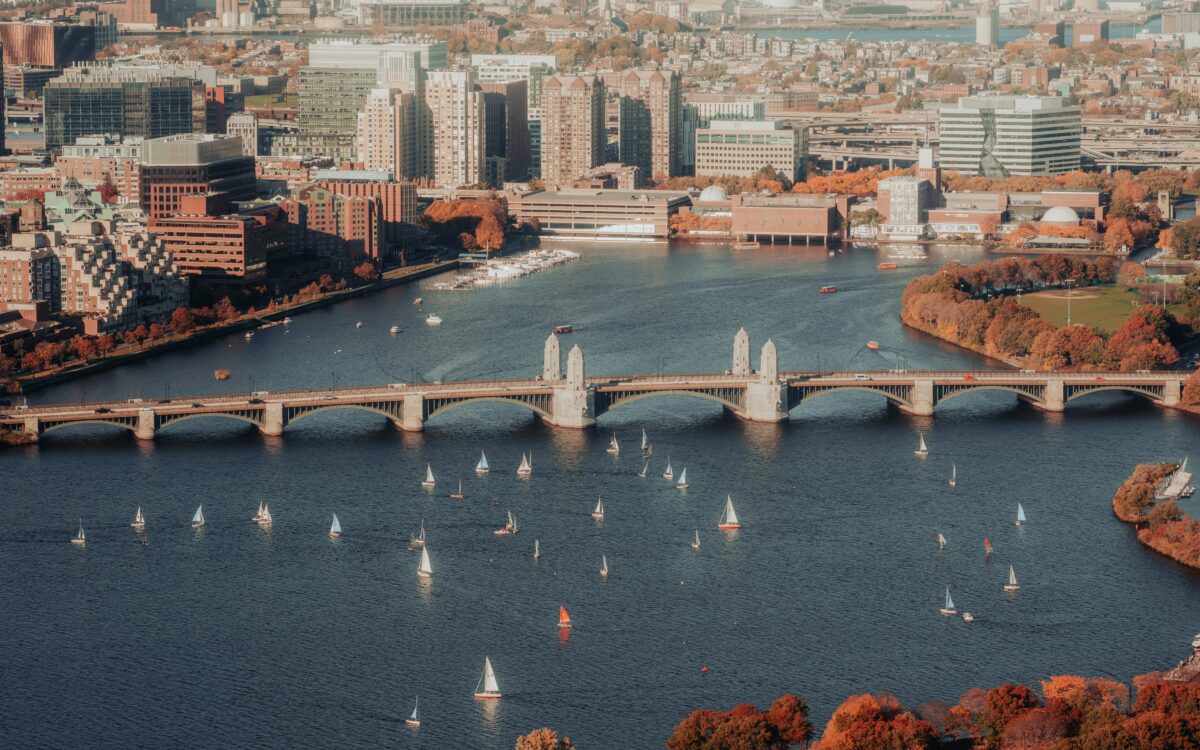
Boston and the surrounding areas favor conservative financial and professional approaches, which can frustrate risk-taking personalities. Regulatory constraints, high taxes, and a formal work culture slow bold ventures. Entrepreneurs or daring innovators may feel stifled by cautious systems and structured expectations. The state rewards planning and careful progression, making it a challenging environment for those seeking freedom to experiment, act spontaneously, and take bold leaps.
Hawaii for Grounded Realists
Hawaii offers paradise visuals but challenges grounded, pragmatic individuals with high costs and logistical hurdles. Limited job opportunities and inflated living expenses clash with the personalities that value practicality. Day-to-day routines require constant adjustments and compromises, which can feel exhausting. For those who thrive on predictability and realistic planning, Hawaii can turn dreamlike scenery into a stressful backdrop, where beauty comes at the price of comfort and control.
Conclusion
Your personality shapes how a place feels, not just how it looks on a map. Living in a state that clashes with your inner traits can quietly drain your energy and satisfaction. Choosing wisely ensures harmony between environment and self, turning daily life into a source of growth and enjoyment. Take time to match your inner world with the right location, or risk settling in a state that feels more like a daily battle than a home.