8 Most Painful Medical Conditions Doctors Say You’ll Never Forget
Pain is the body’s alarm bell, but some conditions do not ring that bell gently. They smash it against the wall, set it on fire, and make the person experiencing it remember the exact room, hour, smell, and fear associated with the episode. Doctors see pain every day, yet certain conditions still stand out because patients describe them with the same haunted language: stabbing, burning, crushing, electric, unbearable.
This is not a contest anyone wants to win. Pain varies from person to person, and the same illness can feel different depending on severity, timing, age, treatment, and overall health. Still, medical sources consistently describe the following conditions as capable of producing severe, unforgettable pain. This article is for general information, not personal diagnosis, and sudden or extreme pain should always be taken seriously.
Trigeminal Neuralgia

Trigeminal neuralgia has a terrifying nickname for a reason. It affects the trigeminal nerve, which carries sensation from the face to the brain, and the pain can arrive like a bolt of electricity across one side of the face. Cleveland Clinic describes it as sudden, intense facial pain that may feel electric shock-like or stabbing, often triggered by simple actions such as eating, brushing teeth, touching the face, or even speaking.
What makes it so cruel is the mismatch between the trigger and the punishment. A breeze, a toothbrush, a smile, or a sip of coffee can set off pain that feels wildly out of proportion to the moment. Many painful conditions come with warning signs, but trigeminal neuralgia can turn ordinary life into a game of avoiding tiny movements. That is why people who live with it often become anxious before the pain even begins.
Kidney Stones
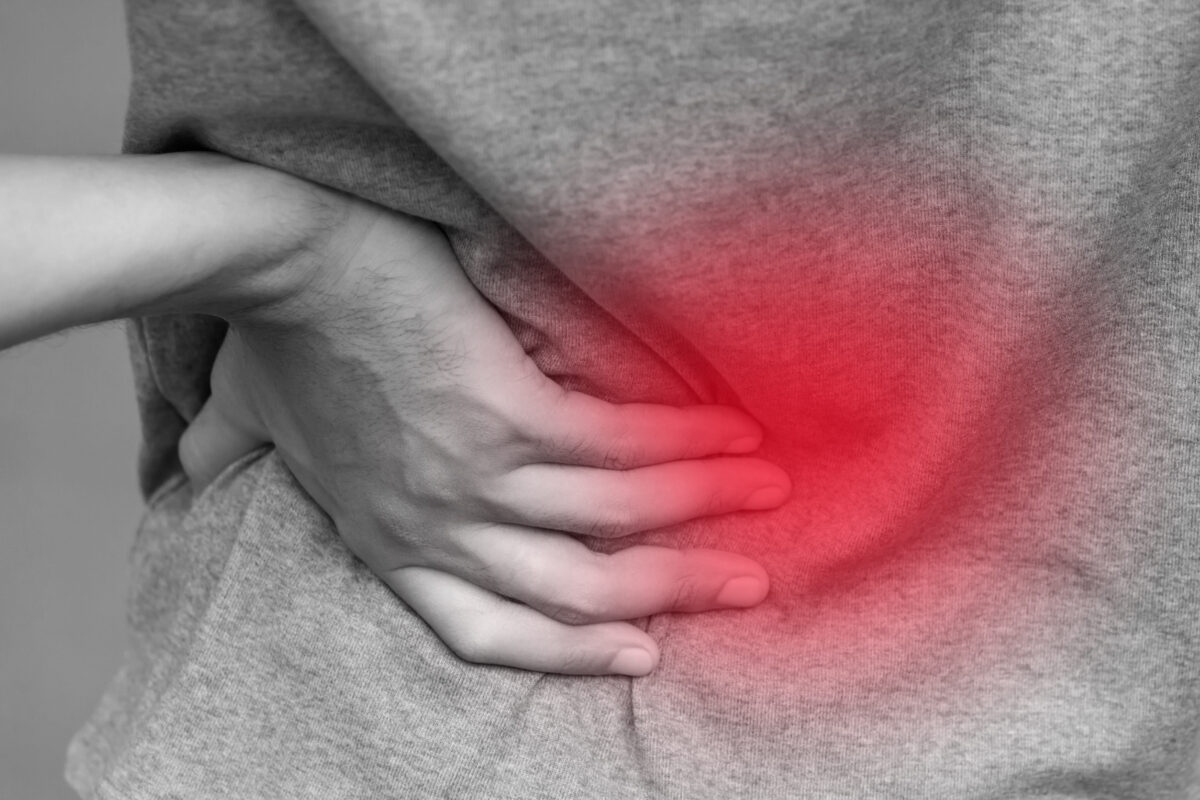
Kidney stone pain has a reputation that crosses emergency rooms, family stories, and late-night panic searches. Small stones can pass quietly, but when a stone blocks part of the urinary tract, the body reacts with waves of severe pain. The NHS lists symptoms that include pain in the side of the abdomen or groin, severe pain that comes and goes, sweating, nausea, vomiting, and blood in the urine.
The unforgettable part is the movement. Kidney stone pain often does not stay politely in one place. It can grip the flank, travel toward the groin, ease for a moment, then return with a vengeance. People often cannot get comfortable because the pain is internal, restless, and rhythmic. It feels less like a simple ache and more like the body trying to force a sharp object through a space that never agreed to host it.
Cluster Headaches
Calling cluster headaches “headaches” almost feels unfair, because the word headache sounds too ordinary for what many patients describe. These attacks usually strike on one side of the head, often around or behind one eye. Cleveland Clinic says cluster headaches cause severe one-sided head pain, often lasting at least 30 minutes and sometimes happening multiple times a day.
The pain is famous for its timing and intensity. It can arrive at the same hour every day, drag someone out of sleep, and make them pace, rock, cry, or press their head in desperation. Mayo Clinic describes the pain as extreme, sharp, or stabbing, often around one eye, with possible tearing, sweating, redness, or a stuffy nose on the painful side. For many sufferers, the fear is not just the pain itself. It is knowing another attack may be waiting on the clock.
Complex Regional Pain Syndrome
Complex regional pain syndrome, often called CRPS, is one of those conditions that sounds almost impossible until you meet someone living with it. It can develop after an injury, fracture, or surgery, yet the pain can become far more severe and persistent than the original event. Cleveland Clinic describes CRPS pain as constant or intermittent, often burning, stinging, or tearing, and usually deep inside the affected limb.
CRPS is especially frightening because touch itself can become an enemy. A sock, sleeve, bedsheet, or light brush against the skin may feel unbearable. The affected limb may also change in color, temperature, texture, or swelling, which makes the pain feel even more alien. It is not just “my arm hurts” or “my leg hurts.” It can feel like the nervous system has turned the volume knob all the way up and snapped it off.
Acute Pancreatitis

The pancreas is small, hidden, and easy to ignore until it becomes inflamed. Acute pancreatitis can cause severe upper abdominal pain that may radiate to the back or shoulders, sometimes worsening after eating. Mayo Clinic lists symptoms that can include upper belly pain, tenderness, fever, fast heartbeat, nausea, vomiting, and shortness of breath.
This pain often feels deep and punishing, as though it sits behind the stomach where nothing can reach it. People may curl forward, avoid food, or feel trapped between nausea and a burning abdominal pressure. Severe cases can require hospital care, because pancreatitis is not just painful. It can become medically serious. That mix of agony and danger gives the condition its unforgettable edge.
Shingles and Postherpetic Neuralgia
Shingles is not just a rash. It is nerve pain wearing a rash as a warning sign. Mayo Clinic describes shingles symptoms as pain, burning, tingling, sensitivity to touch, and a red blistering rash that often affects one side of the body. The pain can appear before the rash, making the early stage confusing and frightening.
For some people, the story does not end when the blisters heal. Postherpetic neuralgia can cause pain that lasts three months or longer after shingles, and Mayo Clinic describes that pain as burning, sharp, jabbing, deep, or aching. Some people cannot tolerate even light clothing touching the affected skin. That is the brutal twist: the skin may look better, but the nerves keep screaming.
Endometriosis
Endometriosis is painful in a way that many people misunderstand because it is often dismissed as “bad cramps.” That phrase does not come close. Mayo Clinic says the most common symptom is pelvic pain during or outside the menstrual period that goes beyond normal cramping, with possible lower back or abdominal pain, pain during intercourse, and pain with bowel movements or urination.
The pain can be cyclical, chronic, sharp, heavy, or exhausting. It can steal workdays, school days, relationships, intimacy, sleep, and confidence in one’s own body. What makes endometriosis especially cruel is the delay many people face before diagnosis. When pain is repeatedly minimized, the suffering becomes physical and emotional. The body hurts, then the disbelief hurts too.
Sickle Cell Pain Crisis

A sickle cell pain crisis can begin suddenly and hit with frightening force. In sickle cell disease, red blood cells can become hard, sticky, and sickle-shaped, blocking blood flow through small vessels. The CDC says pain is the most common complication of sickle cell disease and a leading reason people with the condition go to the emergency department or hospital.
Mayo Clinic describes these episodes as periodic bouts of extreme pain caused when sickle-shaped cells block blood flow to areas such as the chest, abdomen, and joints. The pain can last hours to days, and severe crises may require hospital care. This is not ordinary soreness. It can feel like deep bone pain, crushing pressure, or pain moving through the body with no mercy. For patients who experience repeated crises, the fear of the next episode can become part of daily life.
Conclusion
The most painful medical conditions are not memorable because they sound dramatic on paper. They are memorable because they invade ordinary life and rewrite the meaning of simple things: eating, sleeping, walking, touching fabric, brushing teeth, going to work, or trusting your own body. Trigeminal neuralgia can make a smile feel dangerous. Kidney stones can turn the urinary tract into a battlefield. Cluster headaches can make time itself feel threatening. CRPS, pancreatitis, shingles, endometriosis, and sickle cell crises all show how pain can become more than a symptom. It can become an experience that people carry long after the episode passes.
The hopeful truth is that unforgettable pain should never be brushed aside as weakness, drama, or exaggeration. Severe pain is a signal that deserves attention, investigation, and care. Some of these conditions are emergencies. Others need long-term management, specialist support, and serious listening. The body may remember pain, but good medical care can help people reclaim their lives from it.