10 Rude American Habits Brits Notice Before You Do
Americans can land in Britain with the best intentions and still leave a trail of awkward pauses behind them. The problem is rarely loud disrespect. It is usually confidence, speed, directness, and casual friendliness landing in a country where politeness often wears a softer coat.
British manners can feel like a secret rulebook printed in invisible ink. Nobody may shout at you for breaking the rules, but they will notice. Here are the American habits that can quietly make Brits wince, even when no harm was meant.
Walking past a queue that does not look like a queue

Americans often expect lines to look obvious. In Britain, a queue can look like scattered people standing around with no visible order, yet everyone silently knows who arrived first. Step ahead by accident, and the room may not explode, but the judgment will travel fast through raised eyebrows and tight smiles.
The British queue is less about standing in a straight line and more about respecting invisible order. A person may be several feet away from the counter and still be next. The safest move is simple. Pause, scan the room, and ask who is waiting before you move forward.
Ordering without saying please
In the U.S., a cheerful tone can soften almost any request. Saying, “Can I get a coffee?” may sound normal, friendly, and efficient. In Britain, the missing “please” can make the same sentence sound like a command.
Brits often listen closely to the words, not just the smile behind them. A simple “please” can change the entire mood of an interaction. It tells the server, cashier, or stranger that you are asking, not demanding. That tiny word carries more weight than many Americans realize.
Sounding too blunt in cafés and shops
American service culture rewards clarity. People say what they want, move quickly, and expect the transaction to keep pace. In Britain, that same directness can sound pushy, especially in smaller cafés, corner shops, or local restaurants where the tone matters as much as the order.
A softer request usually travels better. Instead of sounding like you are announcing your decision, phrase it like a polite ask. The difference may seem tiny, but British ears pick it up quickly. Directness is not always read as confidence there. Sometimes, it reads as impatience.
Complaining too openly when something is wrong

Americans are used to speaking up when a meal is cold, an order is wrong, or a service mistake needs to be corrected. That approach can be reasonable and fair. In Britain, though, a loud or very direct complaint can make everyone at the table stiffen.
Many Brits prefer to approach complaints with layers of apology, hesitation, and gentle wording. They may say there is “a small issue” when the order is completely wrong. To American eyes, that can look painfully indirect. To British eyes, it protects everyone from embarrassment.
Treating casual invitations like firm plans
Americans often take invitations at face value. If someone says, “You should come over sometime,” many Americans may follow up and try to make it happen. In Britain, that same phrase can be a polite filler, not a real appointment waiting to be scheduled.
This is where the cultural wires cross. Brits often use vague invitations to show warmth without putting pressure on others. Americans often see warmth as an opportunity to make concrete plans. Neither side is wrong, but moving too quickly can make Brits feel cornered before they have properly committed.
Arriving too early at someone’s home
In America, showing up early can be seen as respectful. It says you care, you planned ahead, and you are not wasting anyone’s time. In Britain, arriving early at someone’s house can feel like walking backstage before the curtain rises.
Hosts may still be changing clothes, wiping counters, hiding clutter, or panicking over the oven. A few minutes late is often less stressful than arriving early. The polite move is to give the host breathing room. Early arrival may look organized, but it can feel intrusive.
Leaving a bus without thanking the driver
Jun Huang/ Unsplash
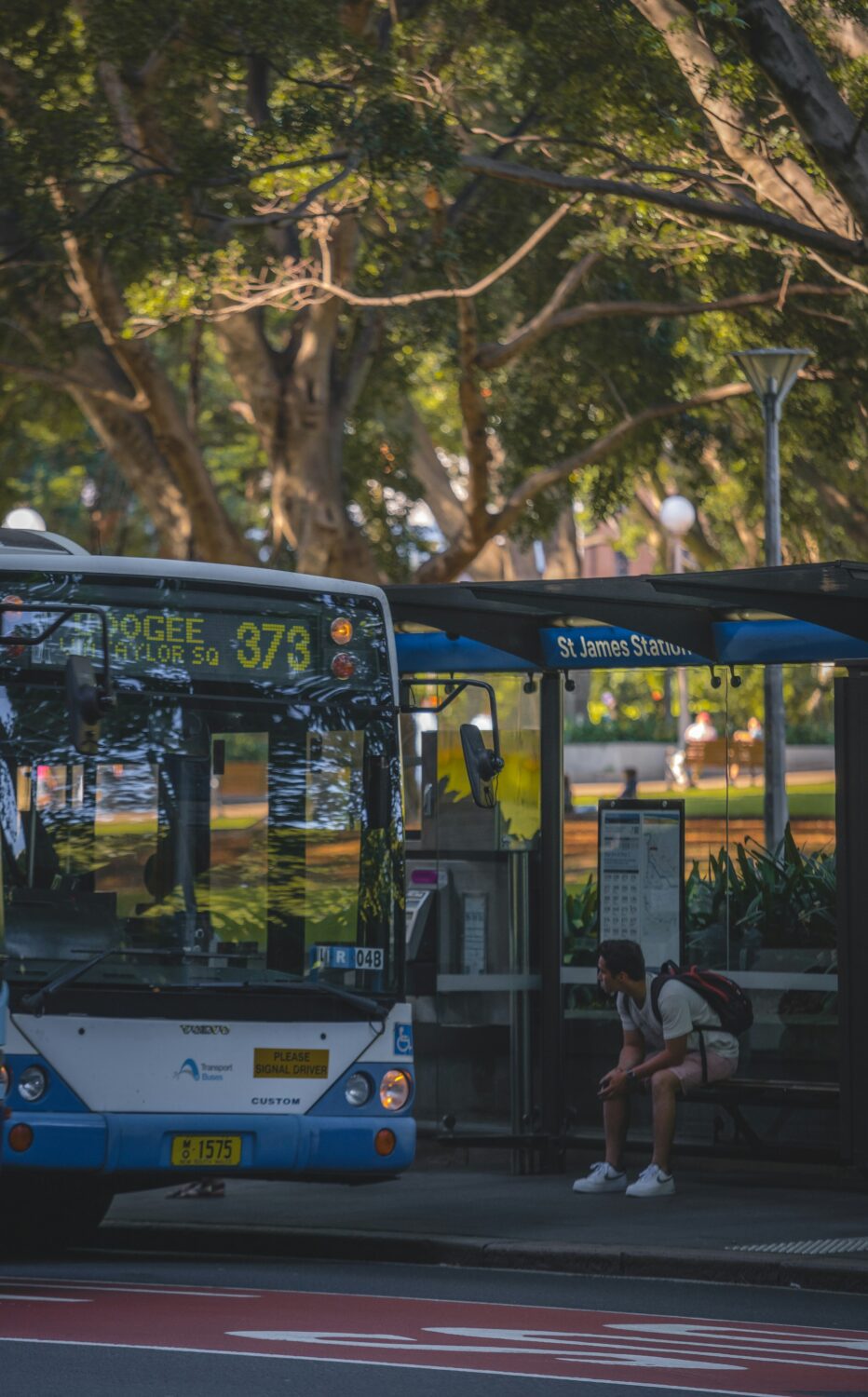
Many Americans simply step off public transport and continue their day. It is not meant as disrespect. In many parts of Britain, though, thanking the bus driver is a small social ritual that signals basic courtesy.
A quick “thanks” or “cheers” can carry surprising power. It costs almost nothing, but skipping it can make a visitor seem cold or unaware. The driver may not demand it, and nobody may correct you. Still, people notice small manners more than travelers expect.
Taking the last piece of food too quickly
Shared food can become a comedy of restraint in Britain. The last biscuit, slice, chip, or piece of cake often sits there like a social test. Americans may see it, take it, and assume everyone has moved on.
Brits often expect a round of offering first. Someone may want the final piece, but they are supposed to pretend they do not want it too much. The polite dance can look ridiculous from the outside, yet it matters. Grabbing the last bite too fast can make you seem greedy, even when everyone else was silently hoping someone would end the suspense.
Making too many changes to a menu item
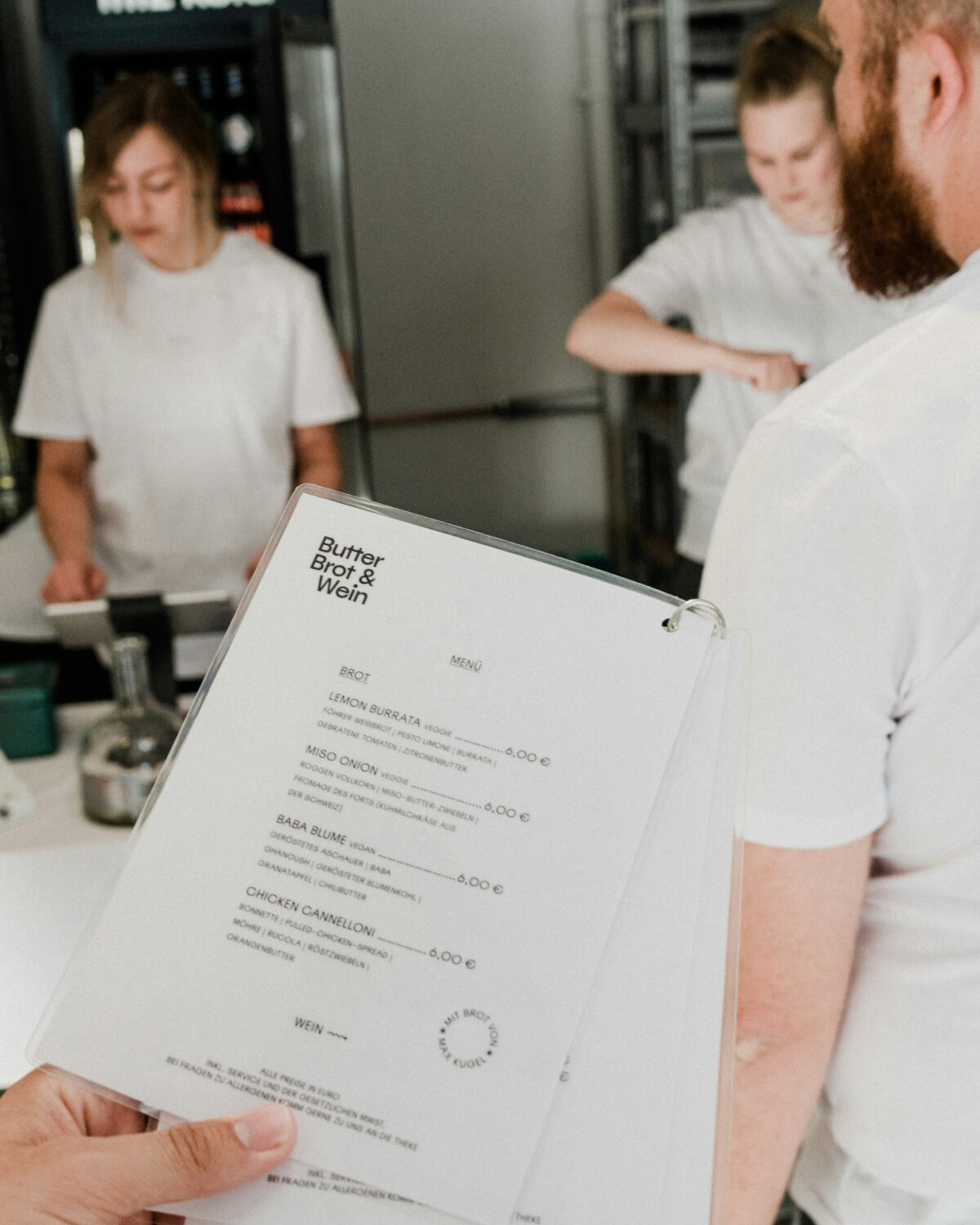
American restaurants often encourage customization. Extra sauce, no onions, different bread, dressing on the side, swap this, hold that. In Britain, too many menu tweaks can make a customer seem difficult, even when the request is perfectly possible.
The issue is not always the kitchen’s ability to do it. It is the social meaning behind the request. A dish is often treated as something already designed, not a rough draft waiting for edits. One change may be fine. Five changes can make the table feel tense.
Not apologizing for tiny bumps and awkward moments
Americans do apologize, but not always for every tiny brush, pause, reach, or shuffle in a crowded space. Brits often say sorry even when they are not at fault. Someone blocks their path, and they apologize. Someone bumps into them, and they apologize again.
That habit can make American silence feel sharper than intended. In a cramped shop, train carriage, or pub, a small “sorry” smooths the moment before it becomes awkward. Brits may know you did nothing terrible. Still, the lack of an apology can make the interaction feel colder.
Conclusion
Most of these habits are not truly rude in the American sense. They are everyday behaviors shaped by speed, openness, customer service culture, and a more direct way of speaking. The trouble starts when those habits enter a British setting, where politeness often hides in softer words, tiny pauses, and rituals nobody explains out loud.
That is what makes the whole thing interesting. Americans are not usually trying to offend anyone, and Brits are not always as relaxed as they pretend to be. The smartest traveler learns the rhythm before charging ahead. In Britain, courtesy is often quiet, indirect, and slightly awkward, which is exactly why missing it can make you stand out fast.