7 Ugly Truths Food Delivery Apps They Don’t Put on the Receipt
Food delivery apps made dinner feel like a magic trick. A few taps, a little scrolling, and suddenly burgers, noodles, pizza, tacos, sushi, smoothies, or comfort food from across town can appear at the door without anyone touching a pan. It feels modern, effortless, and almost too convenient to question.
But that convenience has a shadow. Behind every delivered meal is a system built on fees, algorithms, restaurant pressure, worker strain, packaging waste, and habits that quietly change how people spend and eat. Food delivery is no longer just a service. It has become a powerful part of modern life, and the real cost often stretches far beyond the receipt.
The Final Price Can Feel Like a Trap
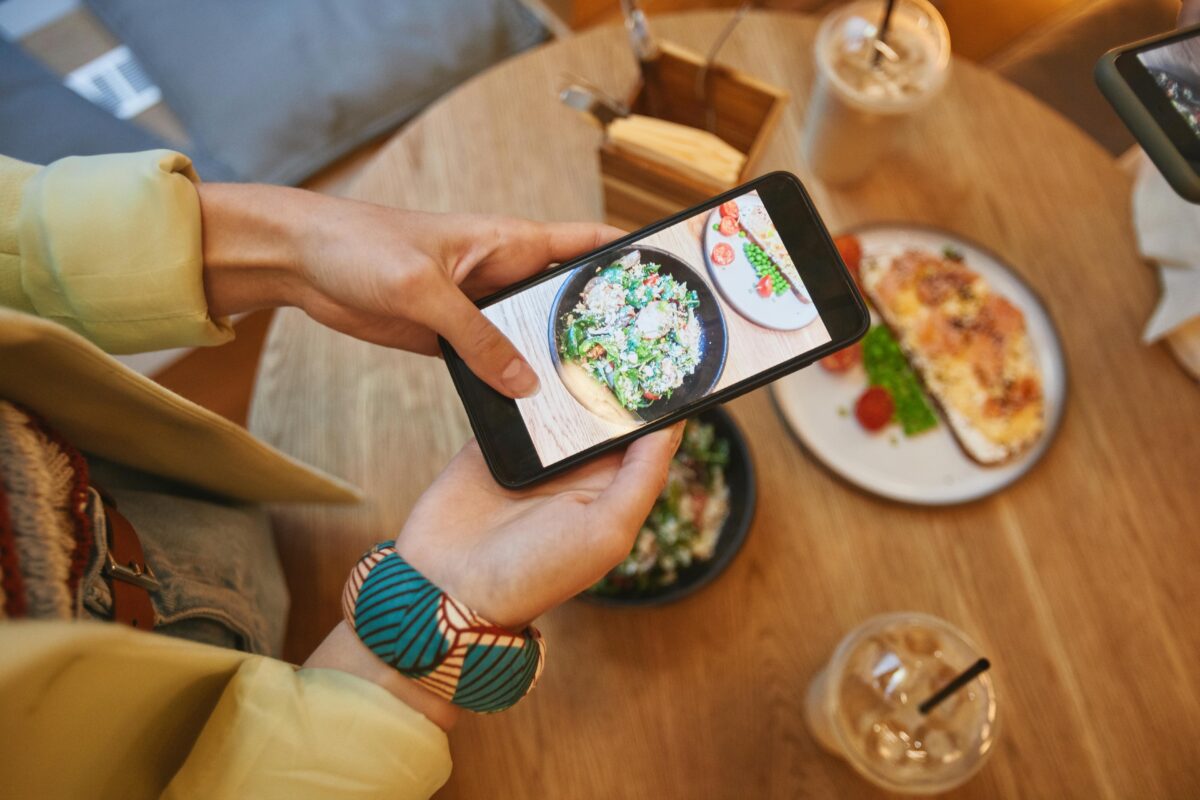
Food delivery rarely looks expensive at first. The food photos look good. The menu prices seem normal. The craving feels harmless. Then the checkout page appears.
Suddenly, the price grows. There may be a delivery fee, service fee, tax, tip, and small order charge. Some restaurants also raise app prices to cover platform costs. A simple meal can become much more expensive than expected.
This is how delivery quietly erodes budgets. One order may feel fine. It becomes a weekly habit, and then the easy answer when cooking feels tiring. The danger is not a single meal, but the emerging pattern.
Restaurants Get Orders but Lose Control
Delivery apps can help restaurants reach more customers. A small restaurant can appear on the same screen as big chains. That sounds like a good deal. More views can mean more orders.
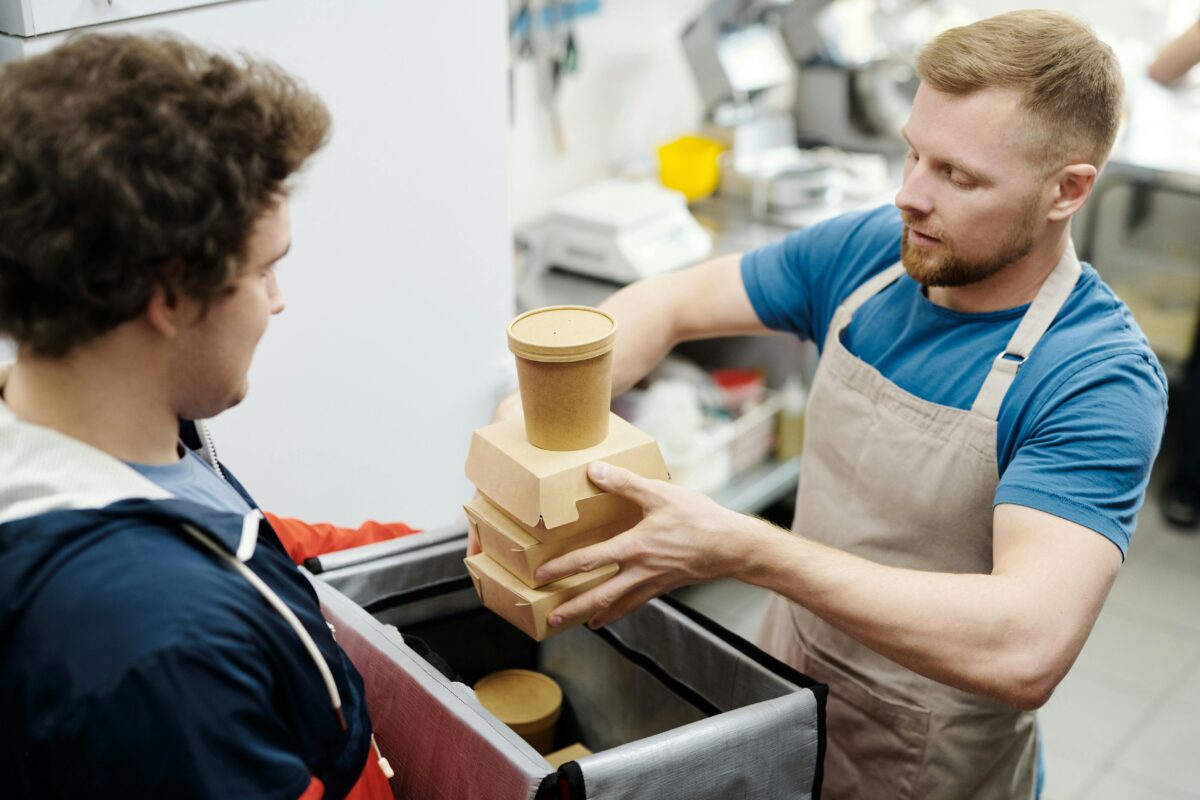
But the price can be heavy. Restaurants may pay commissions. They may also handle discounts, packaging costs, refunds, and complaints. If food arrives cold or late, customers may blame the restaurant first. That can happen even when the delay was not the restaurant’s fault.
This creates a tough problem. The restaurant cooks the food, pays workers, and buys ingredients to protect its name. Yet, the app often controls the customer relationship. Once reliant on app orders, leaving can feel risky.
Delivery Workers Carry the Hidden Stress
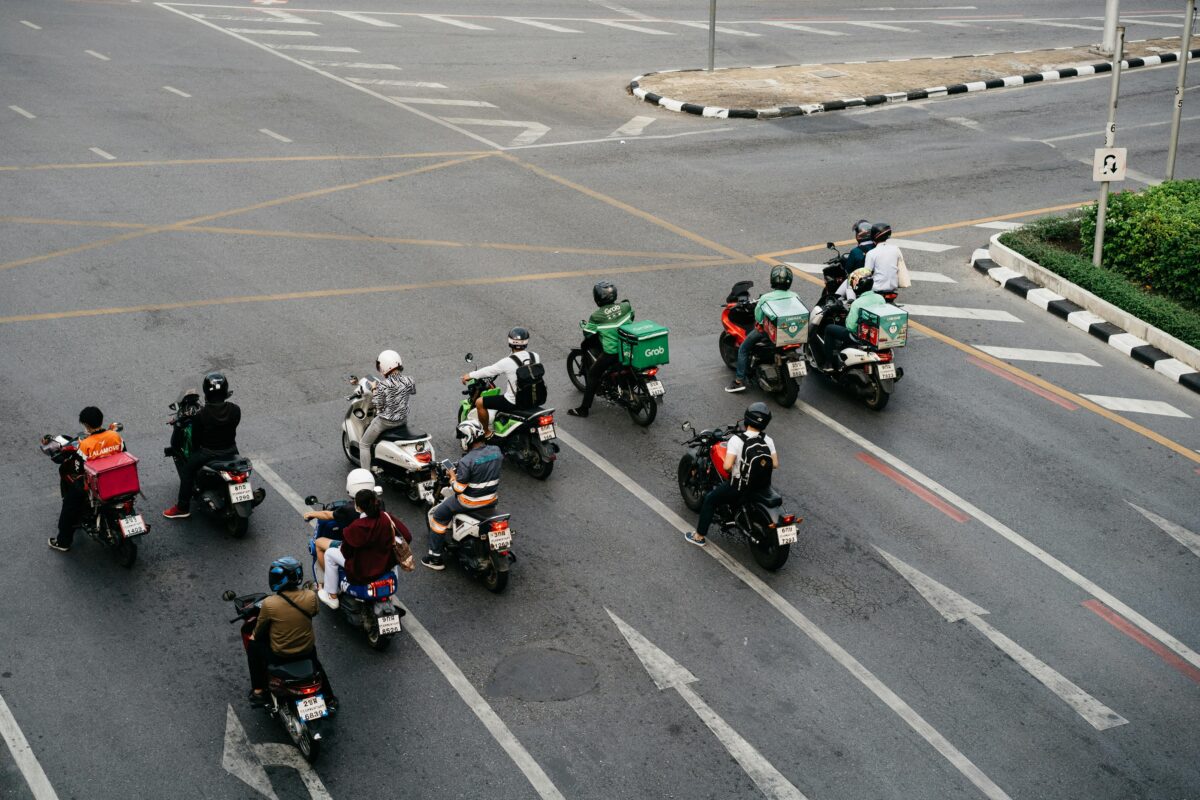
Customers see a moving dot on a screen. Restaurants see someone pick up a bag. But delivery workers carry the hard part between both sides.
They deal with traffic, rain, heat, stairs, parking, long waits, and unclear addresses. They also worry about tips, ratings, fuel, and vehicle repairs. The job may look flexible. But flexible work can still feel stressful.
The meal feels easy because someone else does the work. A rider may cross busy roads, wait in crowded restaurants, and rush through bad weather. Every quick app order adds pressure for the delivery worker.
Algorithms Quietly Decide Who Wins
Food delivery apps are not plain menus. They are controlled digital markets. Algorithms decide what customers see first. They can shape which restaurants get attention. They can also affect which riders get orders.
This matters because visibility is power. A restaurant at the top of the app can get more orders. A better restaurant lower down may be ignored. Ads, ratings, speed, discounts, and app rules can all affect placement.
Workers also feel this invisible control. They may not know why orders slow down. They may not know why some trips pay better than others. The app becomes a hidden boss. It gives instructions without always giving answers.
Food Quality Often Falls Apart on the Road
Some foods travel well. Many do not. Fries turn soft. Burgers get soggy. Fried chicken loses its crunch. Pasta dries out. Salads wilt. Coffee cools. Ice cream starts melting right away.
That is the problem with delivery. A meal can leave the kitchen in perfect shape. Then traffic, time, packaging, and weather can ruin it. The app lets you buy restaurant food to take home. But the road can punish the meal before it reaches the door.
Restaurants now need to think like shipping companies, spending more on boxes, seals, bags, and containers. That adds cost and waste. The customer orders dinner, but the restaurant sends a fragile product across town.
Packaging Waste Adds Up Fast
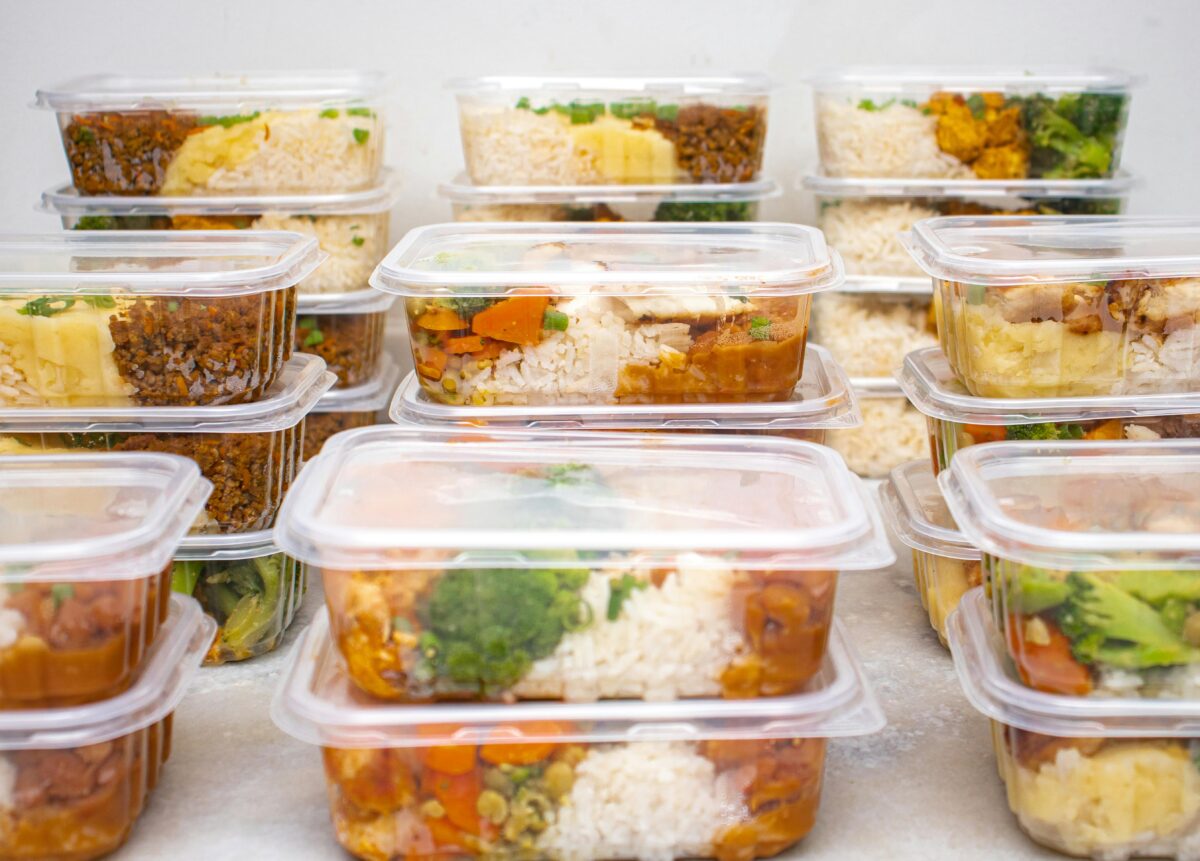
One delivery order can bring a lot of trash. There may be boxes, bags, lids, napkins, plastic forks, sauce cups, seals, and wrappers. It may not seem like much at first. But regular orders create a big pile over time.
This is one of the ugliest parts of food delivery. Eating at home often means washing a plate. Delivery often means throwing away several items after one meal. Greasy containers and mixed materials can also be hard to recycle.
Restaurants face a difficult choice. Strong packaging protects food. But it costs more. Cheap packaging saves money. But it can lead to spills, leaks, and cold meals. Either way, convenience often leaves waste behind.
Delivery Can Become an Expensive Reflex
Food delivery apps are built to remove friction. They save your card. They remember your past orders. They send deals. They show bright food photos. They make ordering feel almost too easy.
That ease can turn dangerous. A delivery order after a long day feels normal, then becomes a Friday treat, then lunch at work, then the answer to boredom, stress, or an empty fridge.
The issue is not ordering sometimes. The issue is letting delivery replace planning, cooking, and budgeting. What starts as convenience can become dependence. That is when the app has the most power.
Conclusion
Food delivery apps are useful. They help busy people eat. They help tired families get dinner. They help students, workers, and parents save time. But they also bring hidden costs.
The problem is not only the price. It is the pressure on restaurants. It is the stress on riders. It is the control of algorithms. It is the weaker food quality. It is the waste. It is the habit that grows quietly.
Use delivery apps thoughtfully. Understand all costs before ordering. Whenever possible, consider picking up your food or supporting restaurants directly. Always tip fairly, and try not to let delivery become your automatic routine.
Delivery can simplify tough days and bring comfort when needed. But once you understand the system’s hidden impacts, you can make smarter choices about when and how to use it.