7 Dinners You Can Make From One $50 Grocery Run
Walking into a grocery store with $50 does not feel nearly as generous as it used to. The trick is not simply finding cheap food. It is buying ingredients that can show up in several different dinners without making you feel as though you are eating the same plate every night.
For this challenge, the goal is simple: build seven practical dinners from one grocery run while keeping the shopping list below $50.
Using Walmart online prices checked in October 2026, a basket of basic store-brand staples can come in well below that target. Prices vary by location, availability, promotions, and whether you shop online or in-store, so consider this a template rather than a guaranteed nationwide total.
This plan works best for one or two people, depending on portion sizes and leftovers. Feeding a family of four for seven complete dinners would require larger quantities.
Start With the Grocery List

The basket is deliberately heavy on ingredients that can stretch across multiple meals.
A 5-pound bag of fresh chicken drumsticks was listed at $5.94, while a 5-pound bag of Great Value long-grain rice was $3.52.
Add a 16-ounce box of Great Value spaghetti for $1, two 15-ounce cans of black beans at $0.92 each, and two cans of diced tomatoes at $0.96 each.
The rest of the basket includes 20 small flour tortillas for about $2.12, a dozen eggs for $1.67, a 32-ounce bag of frozen mixed vegetables for $2.58, and an 8-ounce bag of shredded cheddar for $1.97.
Round things out with a 5-pound bag of russet potatoes for $3.24, a 3-pound bag of yellow onions for roughly $2.40, and a 24-ounce jar of tomato-basil-garlic pasta sauce for $1.97.
That puts the example basket at approximately $30.17.
That extra breathing room matters. Grocery prices are local, meat is often sold by weight, and you may need basics such as oil, salt, pepper, garlic powder, Italian seasoning, or chili powder if they are not already in your kitchen.
Now comes the fun part: turning the same groceries into seven different dinners.
Sheet-Pan Chicken, Potatoes and Onions
Start the week with the meal that requires almost no creativity.
Cut several potatoes and an onion into chunks, toss them with a little oil and your preferred seasonings, then arrange them around chicken drumsticks on a sheet pan. Roast everything until the chicken is fully cooked and the potatoes are tender.
The USDA says poultry should reach a minimum internal temperature of 165°F as measured with a food thermometer.
Make a few extra drumsticks. That is not accidental. Tomorrow’s dinner just became much easier.
Chicken and Vegetable Rice Bowls
Cook a batch of rice, warm some frozen mixed vegetables, and remove the meat from leftover chicken drumsticks.
Layer rice, vegetables, and chicken in bowls, then sprinkle a little shredded cheddar over the top if you like.
This is where a big bag of rice earns its place in the cart. You can cook extra now and refrigerate it promptly for another meal later in the week.
The USDA recommends refrigerating cooked leftovers within two hours and using them within three to four days.
Black Bean and Tomato Rice Skillet
Tonight, the chicken gets a break.
Cook chopped onion until softened, then add one can of black beans and one can of diced tomatoes. Stir in the cooked rice and season with whatever you have, such as chili powder, cumin, garlic powder, salt, or pepper.
Finish with a small handful of cheddar.
It is inexpensive, requires one skillet, and transforms three of the cheapest ingredients in the grocery basket into an actual dinner rather than a collection of side dishes.
Related: the-cozy-soup-formula-youll-want-on-repeat-when-dinner-feels-impossible-2/
Simple Spaghetti With Tomato Sauce
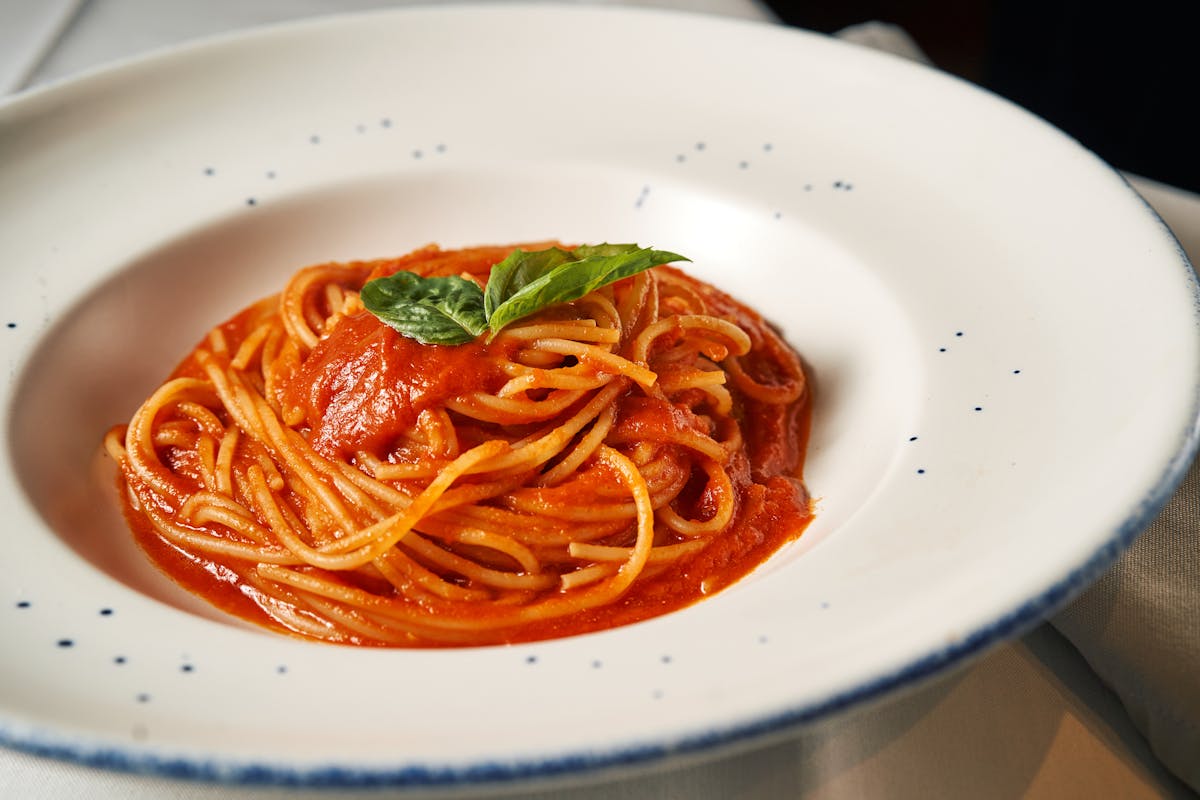
Midweek is a good time to stop trying so hard.
Cook the spaghetti according to the package directions. Meanwhile, sauté some chopped onion and add the jarred pasta sauce.
You can also stir in a scoop of frozen vegetables if you want to stretch the sauce or use up an open bag.
Serve it as-is, or add a little shredded cheese over each bowl.
Nothing groundbreaking is happening here, and that is exactly the point. A budget meal plan needs a few dinners that are inexpensive, familiar, and practically automatic.
Chicken and Black Bean Quesadillas
Those tortillas are about to do some heavy lifting.
Shred any remaining cooked chicken and combine it with part of the second can of black beans, chopped onion, and shredded cheddar. Spread the mixture over tortillas, fold them, and cook in a dry or lightly oiled skillet until the tortillas are browned and the cheese has melted.
Add a spoonful of diced tomatoes inside or on top.
This dinner also illustrates one of the easiest ways to make a small grocery budget feel less repetitive: change the format. Chicken with rice feels completely different from chicken folded into a crisp tortilla.
Vegetable and Egg Fried Rice
Remember that extra rice?
Use it here.
Cook some onion and frozen mixed vegetables in a skillet. Push everything to one side, scramble two or three eggs in the space, then mix in the cooked rice.
Season with what you have on hand. Soy sauce is useful if you already have it in the pantry, but the meal doesn’t depend on it.
Most importantly, this dinner gives you another meal without needing another package of meat.
Loaded Black Bean Baked Potatoes
Finish the week by using what is left rather than opening something new.
Bake russet potatoes until tender. Warm the remaining black beans with diced tomatoes and onions, then spoon the mixture over the potatoes.
Add the remaining shredded cheddar. If you still have eggs, vegetables, or cooked chicken in the refrigerator, those can become toppings too.
It is a clean-out-the-fridge dinner disguised as a loaded baked potato.
The Real Budget Trick Is Reusing Ingredients
A $50 grocery challenge works only when you buy ingredients as part of a plan.
Rice appears in bowls, a skillet dinner, and fried rice. Chicken becomes a sheet-pan meal, rice bowl, and quesadilla filling. Potatoes work as both a side and the centerpiece of another dinner. Beans move from rice to tortillas to baked potatoes.
And because this sample basket totaled roughly $30, nearly $20 of the original $50 budget remains to cover regional price differences or buy extras such as fruit, salad ingredients, bread, additional vegetables, sauces, or seasonings.
That is the bigger lesson. Stretching a grocery budget does not have to mean seven nights of identical food. Sometimes it simply means making sure nearly everything you put in the cart has more than one job.
Other articles you may like:
– easy-diy-subway-tile-kitchen-backsplash-ideas-for-beginners/
– 6-tiny-restaurant-touches-that-are-quietly-winning-over-diners-and-making-every-visit-feel-personal-2/
– the-grocery-store-switch-that-could-help-americans-cut-food-costs-without-giving-up-dinner-at-home-in-2026/