Why the Delaware Boardwalk Is Famous for Its Sweet, Salty Saltwater Taffy
A beach souvenir does not have to sit on a shelf collecting dust. In Rehoboth Beach, Delaware, it can come wrapped in paper, tucked into a candy box, and destined to disappear one chewy piece at a time. Saltwater taffy has become part of the town’s seaside identity through longstanding candy shops, family recipes, and a boardwalk connection that extends well beyond the candy itself. Dolle’s Candyland is one of the businesses at the center of that story.
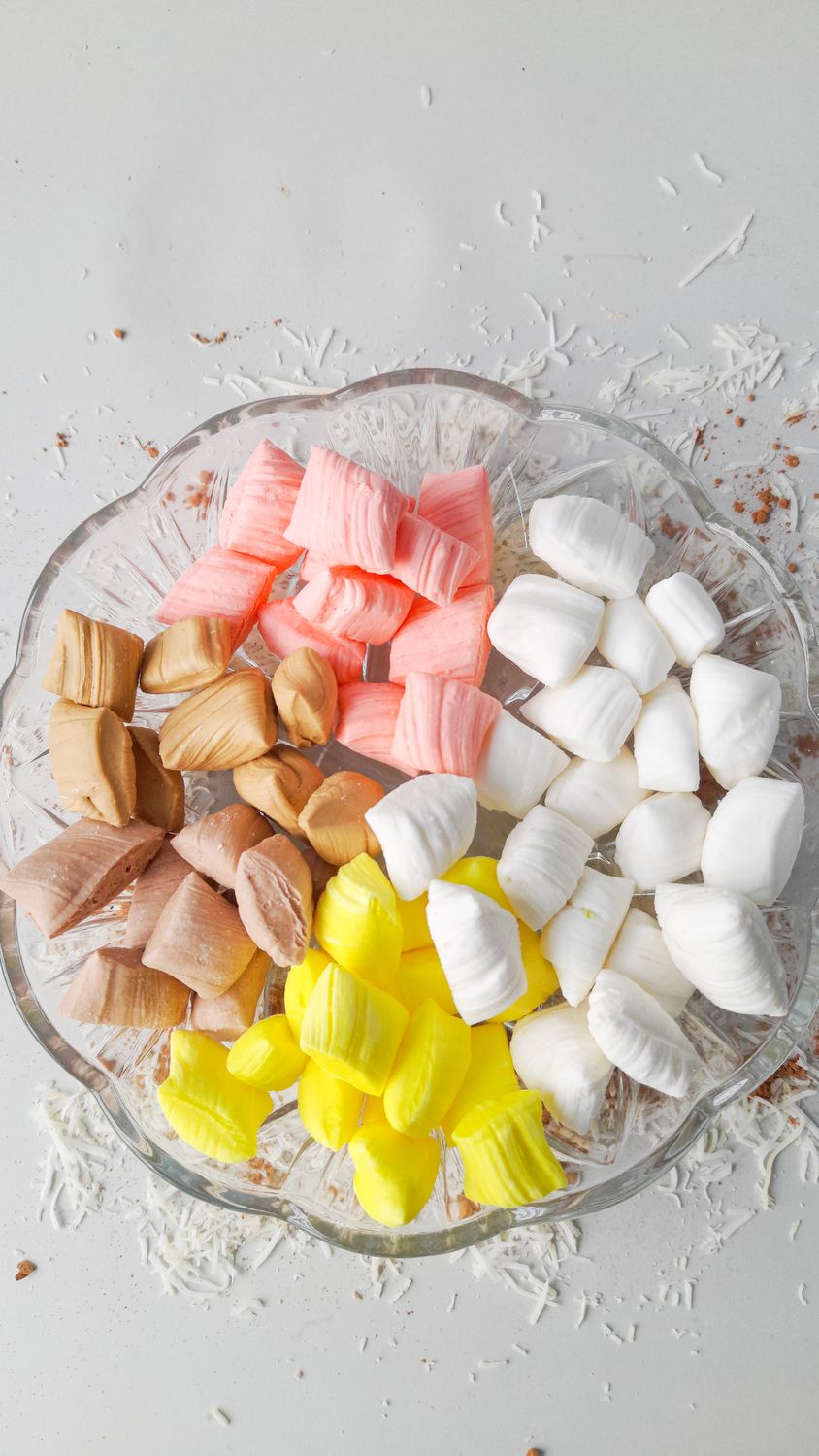
But a surprise hides behind the name: saltwater taffy isn’t made with ocean water. According to Encyclopedia Britannica, it usually contains sugar, corn syrup, butter, salt, water, and flavorings. It is fundamentally a sweet, soft, chewy candy, not a mouthful of seawater disguised in a colorful wrapper. The beach connection comes from its history and the seaside businesses that made it a vacation staple.
Delaware also cannot claim to have invented it. Saltwater taffy originated in Atlantic City, New Jersey, before coastal destinations elsewhere adopted it. What Rehoboth contributes is its own enduring candy-making tradition, including a business established a century ago and equipment that survived a devastating storm. The result is a boardwalk treat with a richer story than its name suggests.
The “Saltwater” Story Starts Across the Delaware Bay
The best-known explanation for the candy’s name involves an Atlantic City shop flooded by seawater in 1883. According to the story recounted by Britannica, the shopkeeper joked that the soaked merchandise was “salt water taffy,” and the name stuck. It is an irresistible origin story for a seaside sweet. But Britannica presents it as something the candy is “said” to have experienced, rather than an independently established account of exactly how the name began.
That distinction matters because the storm story has circulated in multiple forms. The Old Mill, a food retailer that has examined the candy’s history, notes versions involving a large wave, a storm tide, a young customer and neighboring shopkeepers. Its account cautions that the tales serve as much to sell candy to tourists as to document history. The safest conclusion is also the simplest: the name has a colorful legend attached to it, not a requirement to add seawater.
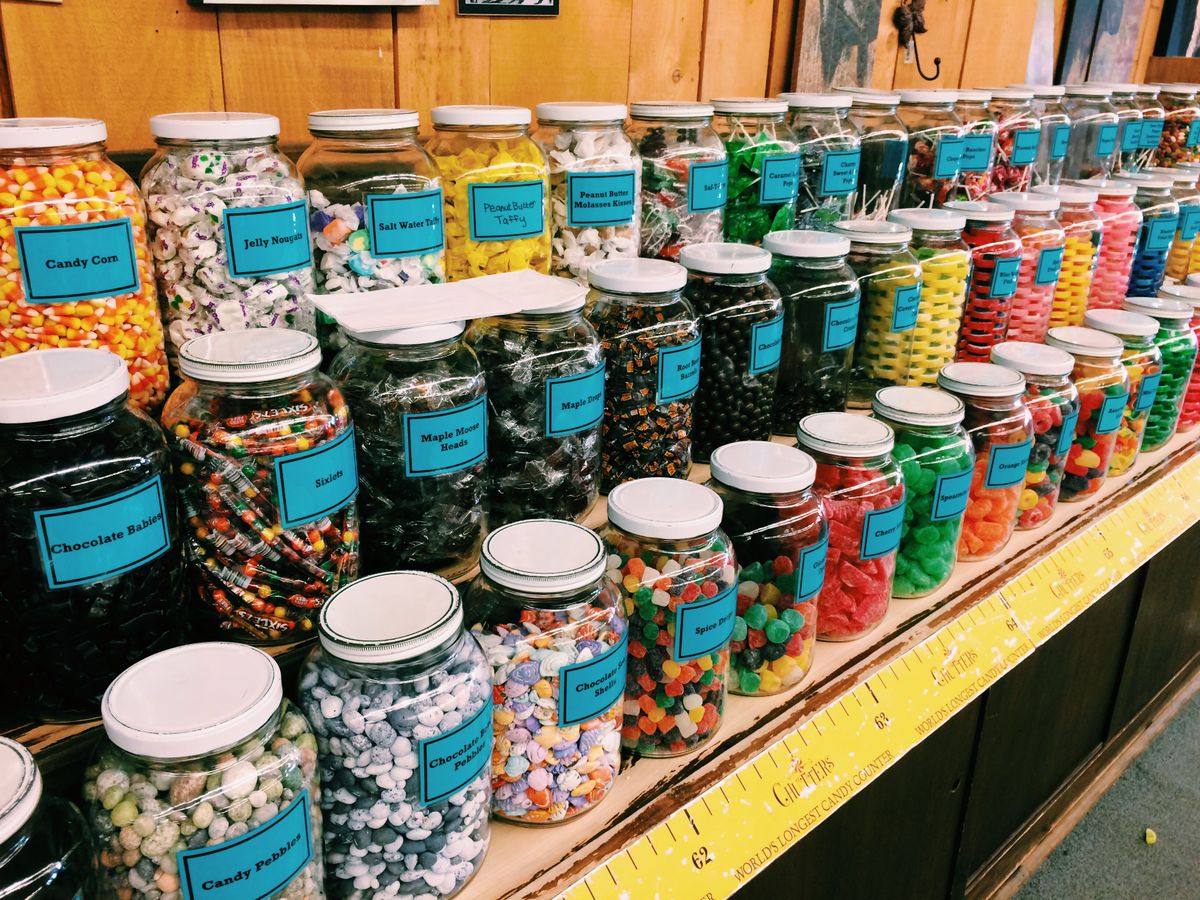
The flavor can vary by maker, too. Although recipes often list salt and water separately, the defining experience is sweetness and chewiness rather than an aggressively salty taste. Britannica lists flavoring and coloring among the usual ingredients, which helps explain the variety found in candy-counter assortments. In a 2019 report, CBS Philadelphia said Dolle’s offered nearly 50 flavors, a historical snapshot of the selection, not a guarantee of today’s inventory.
Delaware’s connection therefore rests less on claiming the first batch than on making taffy part of its own beach experience. The state’s tourism office identifies Candy Kitchen, another longstanding confectionery business, as a familiar Delaware beach stop for saltwater taffy and fudge. Its presence alongside Dolle’s shows how candy became woven into the area’s retail landscape, rather than remaining a specialty tied exclusively to its New Jersey birthplace.
Rehoboth’s Taffy Tradition Has a Century of History
Dolle’s published history dates its establishment in Rehoboth Beach to 1926. The following year, co-founders Thomas Pachides and Rudolph Dolle purchased the old YMCA building at Rehoboth Avenue and the boardwalk for $30,000. That distinction separates the business’s founding from its move to the famous corner location. In 2026, the company’s own timeline traces its roots back a full century.
The family connection continued through Thomas “Tom” Ibach, Pachides’s grandson, who took over in 1984 after his grandfather’s death. Speaking to CBS Philadelphia in 2019, Ibach identified the shop’s central attractions plainly: “The main items here are caramel corn and salt water taffy.” The company says it has handed down its taffy and other confectionery recipes through generations, giving the familiar candy a direct connection to the business’s founders.
The machinery has its own remarkable survival story. During the Great Storm of 1962, the shop was destroyed and a 3,500-pound taffy machine fell through the floor into the sand, according to the company’s history. Workers recovered it with a crane and restored it. The account says the machine returned to service, linking the production story to the same storm that devastated much of Rehoboth’s boardwalk.
As demand increased, production scaled up. Dolle’s describes moving from 18-pound batches in copper kettles to kettles holding 70-pound batches. A mechanical pulling machine replaced a wall hook used to stretch the candy, while cutting and wrapping equipment replaced scissors and hand wrapping. According to the company, one machine could produce nearly 600 pieces a minute. Behind the old-fashioned appearance was an operation adapting to a growing beach-town business.
Related: America’s Favorite Halloween Candy Changed in 12 States This Year — See What Your State Picked
A Candy Shop Became Part of the Boardwalk’s Identity
Dolle’s connection to Rehoboth was visible even to people who never opened a taffy wrapper.Its large orange rooftop sign, erected after the 1962 storm, became a recognizable boardwalk landmark. When the business announced plans to leave its longtime corner premises in 2020, the discussion extended beyond rent and retail space. Residents and officials were also confronting the possible loss of something embedded in the town’s public image.
“That sign is iconic,” then-Mayor Stan Mills told WHYY in its December2020 report, noting how frequently it appeared in photographs of Rehoboth Beach. Ibach described the planned move in more personal terms: “It’s an emotional thing, obviously, because I grew up here.” The business’s current website lists its address as 9 Rehoboth Avenue; its history page still recounts the earlier boardwalk-corner chapter. Those are different parts of the same story, not interchangeable location information.
That combination of family continuity, visible landmarks, and distinctive candy helps explain why saltwater taffy means more in Rehoboth than sugar in a wrapper. The recipe does not require seawater, and the invention belongs to another coastal city. Delaware’s contribution is tradition: businesses have made and sold the candy across generations, with enough history behind the counter to turn a small, chewy souvenir into a recognizable piece of the beach.