8 Creepy Ways Clothing Helps Cults Control People
Clothing looks harmless because most of us treat it as part of ordinary life, something we choose in the morning before stepping into the world. We wear certain clothes for work, church, school, weddings, interviews, funerals, celebrations, and quiet days when comfort matters more than appearance. Yet clothing can also become a powerful social tool, especially inside groups that care deeply about obedience, separation, and identity. A shirt can be just a shirt, but under the wrong kind of leadership, it can turn into a sign of loyalty, submission, purity, fear, or total belonging.
That is what makes cult clothing so fascinating and disturbing. It sits at the strange meeting point between fashion, psychology, religion, performance, and control. A robe, veil, badge, color, hairstyle, suit, plain dress, or matching outfit can quietly tell members who they are allowed to be. It can also tell outsiders who is inside the group and who is not. The more intense the control becomes, the less clothing feels like personal expression and the more it becomes a uniform for someone else’s version of reality.
Uniforms Erase Identity

Uniforms can create unity, order, and discipline, which is why schools, armies, churches, hospitals, and workplaces use them in different ways. In healthy environments, uniforms usually serve a practical purpose, helping people recognize roles or reducing confusion. In cult-like groups, however, uniforms can become something far more personal and controlling. They can slowly strip away the visible signs of individuality until every member looks like a small piece of one larger machine.
That visual sameness matters because identity is not only something people feel inside. It is also something they perform through color, style, texture, grooming, and small personal choices. When a group removes those choices, it can make members feel less like independent people and more like extensions of the leader’s will. Over time, a person may stop asking what they like and start asking what the group allows. That is how clothing becomes one of the first quiet steps toward obedience.
Clothing Marks Insiders
Every group has signs of belonging, and clothing is one of the easiest signs to see. A special robe, scarf, color, pendant, badge, head covering, or pattern can tell members they are part of something rare, chosen, or protected. That feeling can be emotionally powerful, especially for people who have felt lonely, ignored, rejected, or uncertain in ordinary life. The clothing becomes proof that they belong somewhere, and that proof can feel deeply comforting at first.
The darker side appears when clothing turns belonging into pressure. Once the group’s outfit becomes a visible passport, anyone who dresses differently may be treated as weak, rebellious, impure, confused, or spiritually behind. Members may keep wearing the approved look even when doubt begins to grow because removing it feels like betraying the family they have built around the group. The outfit becomes more than fabric. It becomes a border between safety and rejection.
Dress Codes Control Bodies

Dress codes can sound reasonable when leaders present them as modesty, discipline, humility, tradition, or respect. Many communities have clothing standards that are not automatically harmful. The problem begins when rules about clothing become rules about the body itself. Suddenly, members are not just choosing what to wear. They are being told how much of themselves can be seen, how attractive they are allowed to appear, how comfortable they are allowed to feel, and how much personal preference is acceptable.
This kind of control often becomes strongest when clothing is tied to morality. A short sleeve, bright color, fitted outfit, hairstyle, or piece of jewelry may be treated as evidence of pride, temptation, vanity, rebellion, or spiritual failure. That gives leaders a powerful way to police members without calling it punishment. They can shame people through fabric. They can turn a body into a battlefield. The person learns that even getting dressed is no longer private.
Symbols Create Loyalty
Symbols carry emotional weight because they turn big ideas into small, repeatable images. A logo, charm, patch, necklace, color, slogan, or stitched emblem can make a belief system visible in an instant. Members do not simply say they belong to the group. They wear the group on their bodies. That makes loyalty public, constant, and difficult to ignore.
This matters because visible symbols can make leaving harder. When a member has worn the same sign for months or years, other people begin to associate that person with the group. The symbol becomes part of their public identity. Taking it off can feel like losing a name, a family, a purpose, or a history. A small emblem may look harmless from the outside, but inside a high-control group, it can become a soft chain that ties belief to appearance.
Plain Clothing Hides Control

Not all cult clothing looks dramatic or theatrical. Some groups use plain clothing to signal humility, purity, simplicity, or separation from modern life. At first glance, this can even look admirable. Simple clothing may seem peaceful compared with a world obsessed with brands, trends, beauty standards, and public performance. That is why plain dress can be so persuasive. It can appear innocent while still serving a controlling purpose.
The issue is not simplicity itself. Many people choose simple clothing freely and meaningfully. The danger begins when simplicity is forced, monitored, and used to judge character. If members are made to feel guilty for liking color, beauty, style, or self-expression, plain clothing becomes another method of control. It teaches people that their natural preferences are suspicious. It can make personality feel like a sin and obedience feel like the only safe way to exist.
Matching Outfits Build Pressure
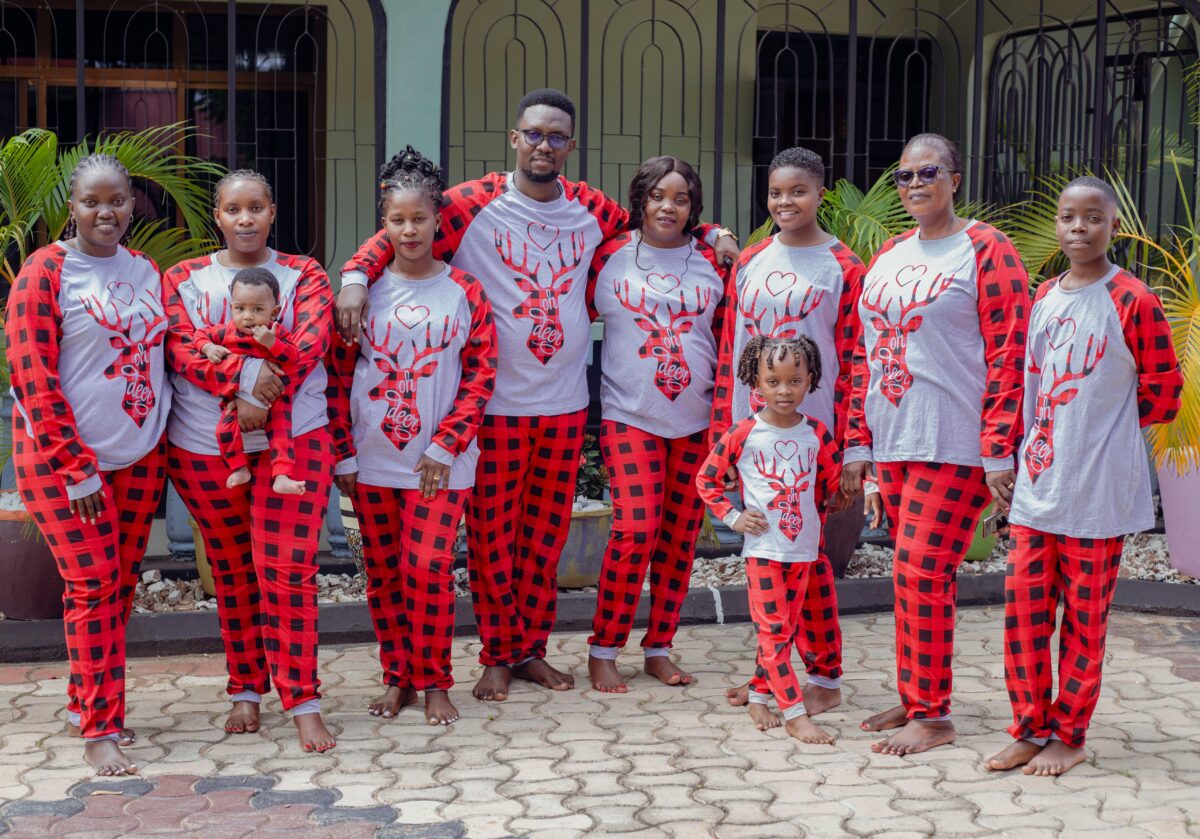
Matching outfits create a strong visual message because they make a group look united, disciplined, and certain. This is why matching clothing appears so often in films, documentaries, ceremonies, rallies, and group rituals. It gives the impression that everyone believes the same thing, wants the same future, and follows the same authority. The image can be powerful to outsiders, but it can be even more powerful to the people wearing it.
For members, matching clothing creates emotional pressure. If everyone around you looks the same, standing out becomes frightening. A small difference can feel enormous. A different color, missing accessory, changed hairstyle, or personal detail can seem like an act of defiance. This makes conformity easier to enforce because the group does not always need direct punishment. The mirror, the crowd, and the fear of being noticed do much of the work.
Clothing Separates Members From Society
Many high-control groups use clothing to draw a clear line between members and outsiders. The approved style may be described as pure, sacred, enlightened, traditional, disciplined, or protected from corruption. Outsiders, by contrast, may be described as worldly, lost, dangerous, immoral, or spiritually blind. Clothing then becomes a walking border. Every time members leave the group’s space, their appearance reminds them that they are different from everyone else.
This separation can deepen dependence on the group. When members look unusual in public, they may feel stared at, judged, mocked, or misunderstood. That discomfort can push them back toward the only place where their appearance feels normal. The group then becomes both the source of the difference and the shelter from the discomfort that difference creates. It is a clever trap. The clothes isolate the member, and the isolation makes the clothes feel necessary.
Costumes Shape Public Fear
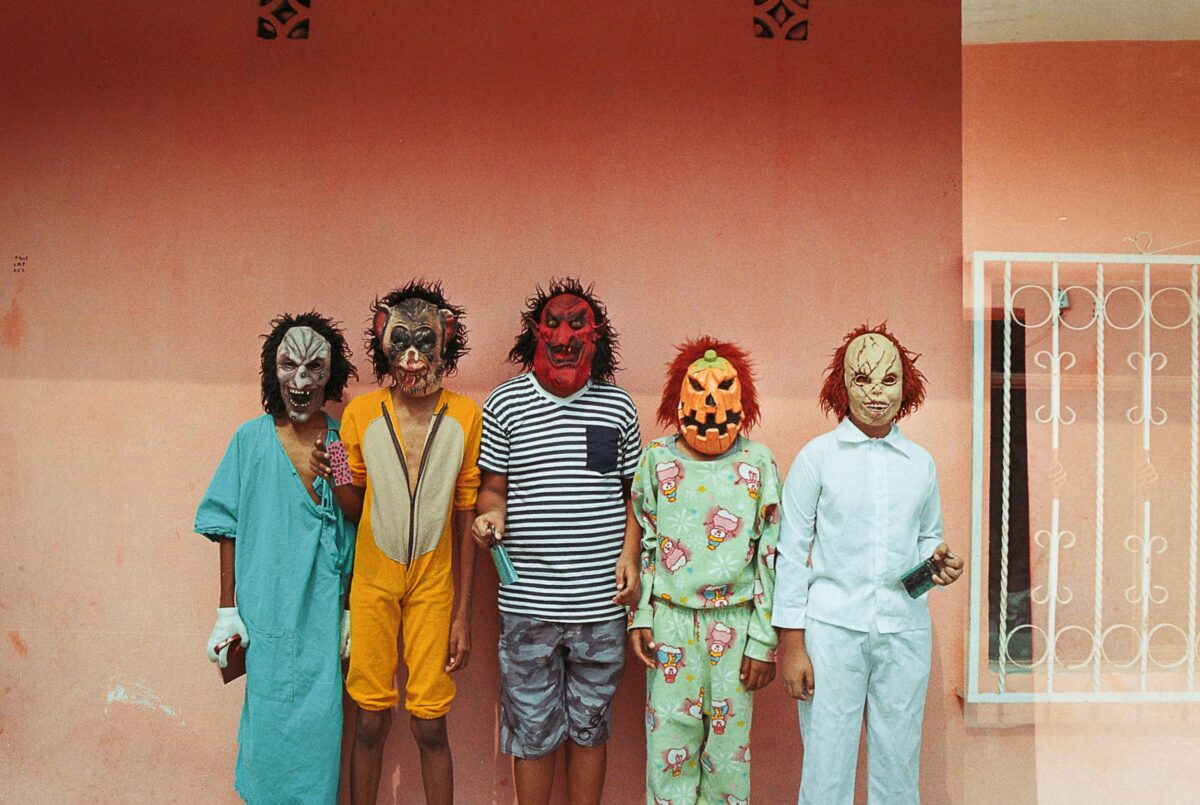
Popular culture understands the power of cult clothing because it uses costumes to create instant unease. A white robe, identical dress, strange mask, flower crown, matching suit, shaved head, or old-fashioned garment can tell viewers that something is wrong before a character says anything. The outfit becomes a warning sign. It turns control into an image people can recognize quickly.
This is why cult clothing remains such a strong feature in films, television, documentaries, and true-crime storytelling. Audiences may not know the group’s beliefs yet, but they understand visual sameness, forced modesty, strange symbols, and dramatic separation. Clothing helps storytellers show hierarchy, obedience, fear, and devotion without long explanations. It reminds us that what people wear can reveal the invisible rules controlling them.
Conclusion
Clothing does not create a cult by itself. Uniforms, religious garments, traditional clothing, modest fashion, matching outfits, and symbolic dress can all exist in healthy, voluntary communities. The difference is choice. When people can question, adapt, leave, personalize, and participate freely, clothing remains part of culture or identity. When they cannot, clothing becomes something colder.
The danger begins when appearance becomes a test of loyalty. It begins when a sleeve, color, haircut, badge, robe, or accessory decides whether someone is obedient enough, pure enough, humble enough, or worthy enough to belong. In those moments, clothing stops being style and becomes surveillance. It covers the body while quietly reaching for the mind.