8 Painful Truths About Rebound Relationships People Learn Too Late
Breakups do not just end relationships. They disturb routines, silence familiar notifications, empty out future plans, and leave people facing a version of life they did not choose. The person who once knew your schedule, your moods, your jokes, and your soft spots suddenly becomes part of the past, yet the body and mind do not always accept that change quickly. That emotional gap can feel brutal, especially when someone has grown used to being loved, touched, needed, reassured, or simply expected by another person.
That is why rebound relationships can feel so tempting. A new person arrives with fresh attention, different energy, new conversations, and the comforting thrill of being wanted again. For a while, it can feel like healing because the pain becomes quieter. The phone lights up again. The evenings feel less empty. The heart gets distracted by something that looks suspiciously like hope.
The truth is not that every rebound relationship is doomed. Some people genuinely meet someone good after heartbreak and build something honest. The danger is not always the new person. The danger is the speed, the emotional confusion, and the hunger to feel whole before the wound has even closed. When someone runs into a new connection before understanding the old pain, they may not be choosing love. They may be choosing relief.
Loneliness Feels Like Love

After a breakup, loneliness can become painfully loud. It shows up during dinner, in the quiet after work, on weekends, and in the small moments that used to belong to someone else. Even ordinary silence can feel personal. A person may miss the comfort of having someone to text, someone to call, someone to plan with, or someone who simply makes life feel less exposed.
That emptiness can make new attention feel more powerful than it really is. A compliment may feel like a rescue. A good morning text may feel like a commitment. A casual date may feel like destiny because the heart is desperate for warmth. In a rebound, loneliness can masquerade as chemistry, and the person may mistake relief for a genuine emotional connection. The danger is that once the loneliness fades, they may realize the relationship was built on need rather than genuine compatibility.
The New Person Becomes a Distraction
A rebound can work like emotional anesthesia. Instead of sitting with grief, anger, disappointment, rejection, or confusion, someone pours all that restless energy into a new romance. The excitement creates noise, and that noise helps drown out the old pain. New conversations, dates, kisses, plans, and private jokes can make the breakup feel less present for a while.
But distractions eventually stop working. The first rush fades, routines settle, and the unresolved pain starts finding cracks in the new relationship. A person may become moody, distant, overly needy, or easily triggered without fully understanding why. The new partner then starts carrying emotional weight that was never theirs to carry. They are not just dating a person. They are standing too close to an unfinished heartbreak.
Red Flags Look Smaller

Heartbreak can make people vulnerable in ways they do not always notice. When someone is desperate to feel wanted again, they may ignore warning signs that would normally bother them. Inconsistency, jealousy, emotional unavailability, controlling behavior, secrecy, or disrespect may get explained away because the fear of being alone feels stronger than the need for standards.
This is one of the most dangerous parts of rebound dating. The mind wants proof that life is moving forward, so it edits the truth. It turns pressure into passion, bad behavior into personality, and uncertainty into mystery. A person may tell themselves they are being open-minded, but they may actually be bargaining with their own discomfort. By the time they see the red flags clearly, they may already be attached enough to make leaving painful.
The Ex Stays in the Room

A rebound relationship may involve two people on the surface, but emotionally, the ex often remains nearby. Comparisons happen quietly. The new person’s laugh, affection style, habits, communication, flaws, and strengths may all be measured against the former partner. Sometimes the new person is praised for being different. Other times, they are silently judged for not being familiar enough.
This is unfair to everyone involved. The new partner may feel like they are competing with a ghost they never met. The heartbroken person may feel frustrated because the new connection does not erase the old one as quickly as they hoped. Even happy moments can become complicated when they remind someone of what they lost. A rebound becomes messy when someone wants a fresh start but keeps dragging emotional furniture from the old relationship into the new room.
Speed Feels Exciting but Dangerous
Rebounds often move fast because heartbreak creates urgency. Someone may want constant texting, quick commitment, early intimacy, big promises, and intense emotional closeness almost immediately. The speed can feel thrilling because it seems to prove that the past no longer has power. It gives the person a sense of progress, as if moving quickly means they are healing quickly.
But speed can hide weak foundations. Real trust needs time. Real compatibility needs ordinary days, honest conversations, patience, conflict, boredom, boundaries, and emotional steadiness. A relationship built too quickly may feel passionate at first, but fragile underneath. When the excitement fades, both people may discover they skipped the slow work that makes love strong. Fast attachment can feel romantic, but sometimes it is just panic wearing perfume.
Validation Becomes Addictive

Breakups can bruise the ego badly. A person may wonder if they were lovable, attractive, interesting, good enough, or easy to replace. Those questions can sting, especially if the breakup involved rejection, betrayal, abandonment, or emotional neglect. A rebound can feel like instant repair because someone new is choosing them, flirting with them, touching them, and making them feel desirable again.
That validation can become addictive. Instead of asking, “Do I truly like this person?” they start asking, “Do they make me feel wanted?” Those are not the same thing. One question builds a connection. The other turns a relationship into proof that the breakup did not destroy them. When validation becomes the main fuel, the new partner becomes less of a person and more of a mirror. That is a heavy and unfair role for anyone to play.
Healing Gets Delayed
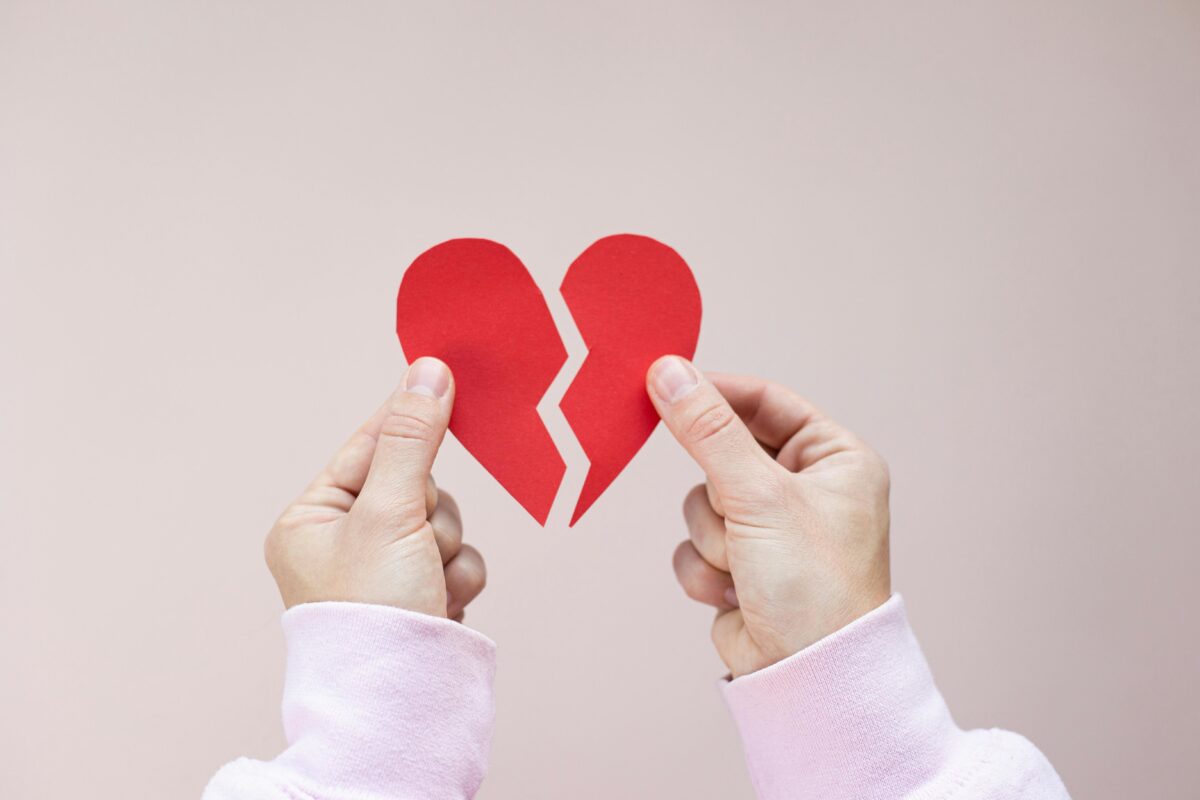
A rebound can create the illusion of recovery. Friends may see the new relationship and assume the person has moved on. Social media may make everything look happy, confident, and clean. The person may even convince themselves that they are fine because they are no longer alone. But healing is not the same as being distracted, desired, or busy.
Grief does not disappear because someone new walks into the picture. It waits. It may return during arguments, quiet nights, anniversaries, familiar songs, old places, or moments when the new relationship feels uncertain. If the person never processed what happened, they may carry the same fears into the next connection. They may become guarded, clingy, suspicious, avoidant, or emotionally confused. Healing requires honesty, not replacement.
Someone Usually Gets Hurt

The harshest truth about rebounds is that they often hurt people who did not cause the original pain. The new partner may enter with genuine feelings, hoping to build something real, only to discover they were being used as a bridge out of sadness. That realization can feel humiliating and deeply unfair. No one wants to feel like emotional medicine for someone who was still attached to another person.
The person rebounding can also get hurt. They may realize they moved too fast, confused comfort for love, ignored warning signs, or created another painful ending before recovering from the first one. Instead of escaping heartbreak, they multiply it. Now there is the old loss and the new disappointment. That double ache can be even harder because it comes with regret.
Conclusion
Rebound relationships are not automatically foolish, but they require honesty. A person needs to know whether they are choosing someone new because they genuinely want them or because silence has become too painful. That difference matters more than people like to admit. One path leads to connection. The other leads to emotional avoidance with a romantic label.
The safest way forward is slow, clear, and self-aware. Enjoy new attention, but do not turn it into a hiding place. Meet people, but do not use them as medicine. Let the heart breathe before asking it to promise anything. Love can return after loss, and it often does. But a wounded heart should not be forced to sprint while it is still learning how to stand again.