10 Childhood Realities Many Adults Later Realize Were Never Normal
Some childhood memories do not seem strange until adulthood casts a better light. A person may hear someone describe a peaceful home, a gentle parent, or a normal apology, and suddenly their own past feels heavier than they expected. Many people grow up treating fear, silence, shame, and emotional pressure as ordinary parts of family life because children often believe home is the rulebook. These disturbing childhood realities can take years to name, but once adults recognize them, the truth becomes impossible to ignore.
Every Argument Sounded Like A Threat
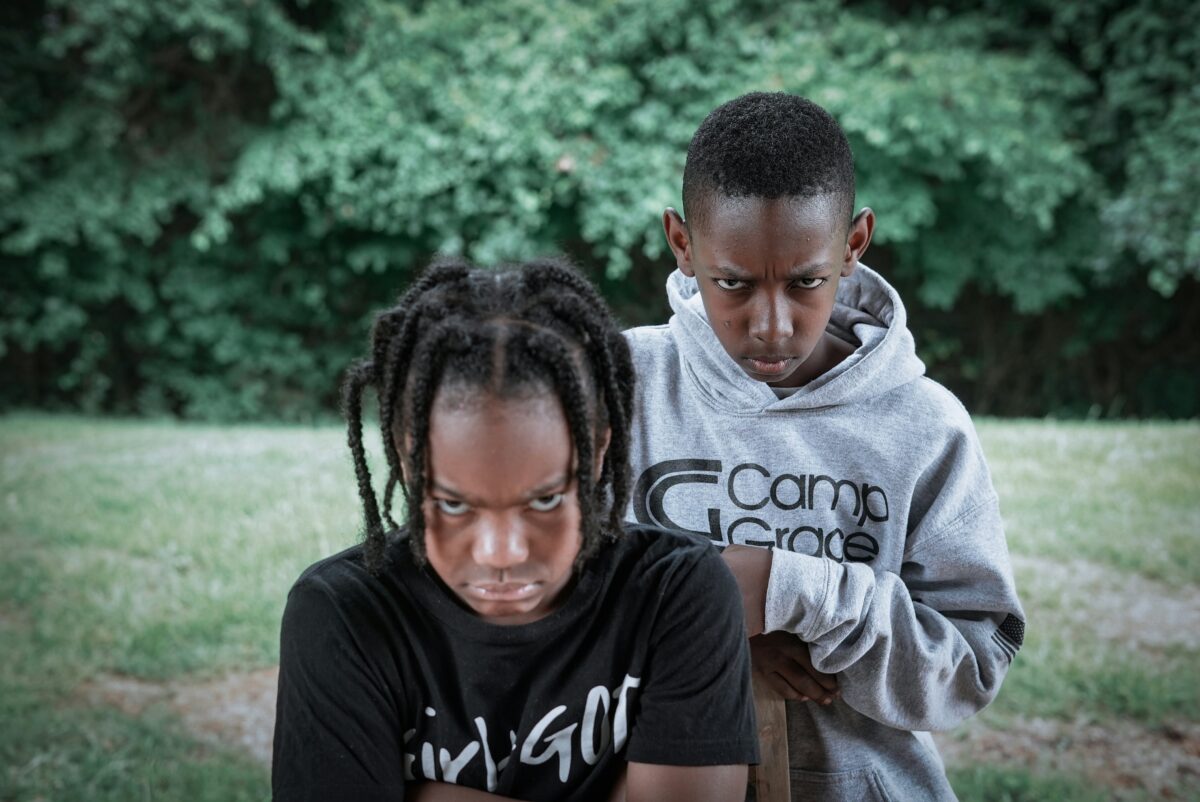
Some children grew up thinking every disagreement had to turn into shouting, slammed doors, tears, or tense silence. They did not learn conflict as a conversation. They learned it as a danger. Years later, calm homes can feel almost unreal because other families can disagree without fear. That realization hurts because peace was never supposed to feel rare.
Tiny Mistakes Felt Like Serious Crimes
A spilled drink, a forgotten notebook, or a broken cup should be normal childhood trouble. In some homes, those tiny mistakes became emotional disasters, so children learned to hide, lie, or apologize before anyone even reacted. That is not discipline. That is fear dressed up as parenting. Healthy homes teach repair, not panic.
They Became The Family’s Tiny Problem Solver
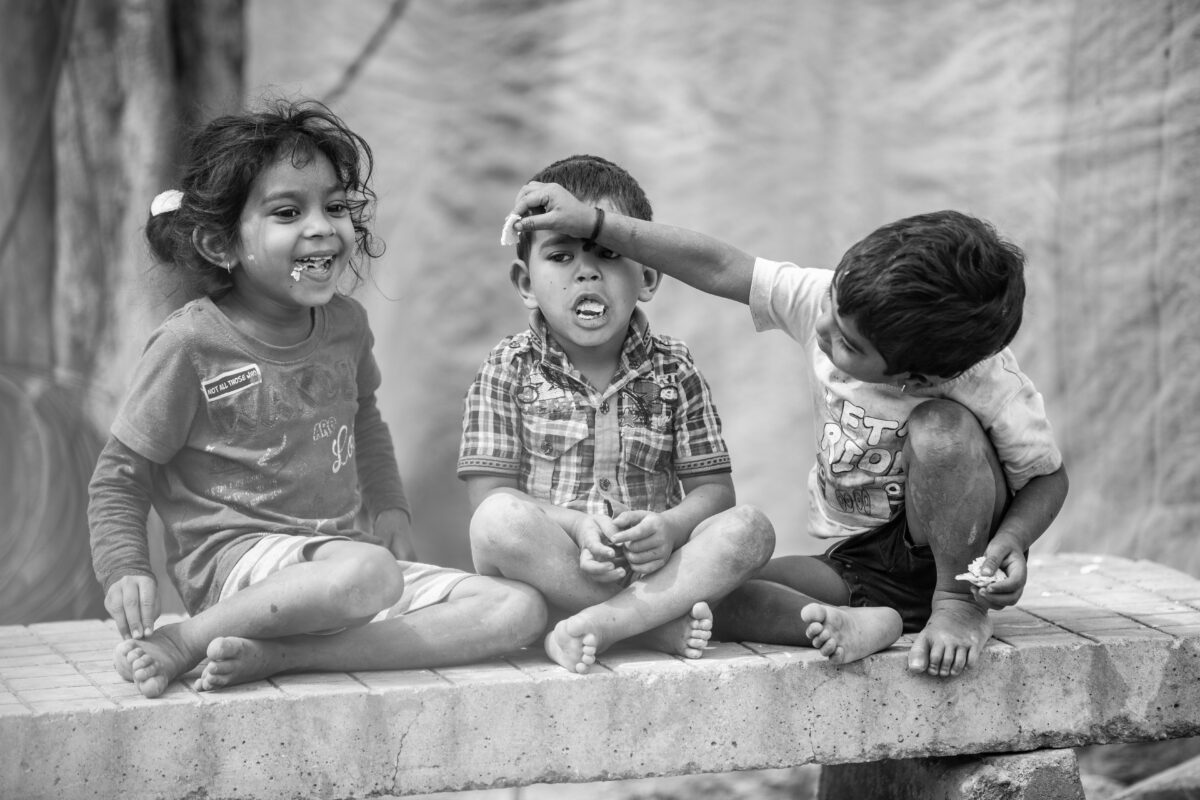
Some children handled grown-up problems long before they understood them. They calmed adults, helped with bills, translated serious conversations, or became the sensible voice in unstable rooms. People may have praised them for being mature, but that praise often masked the pressure no child should bear. Growing up too fast steals softness, play, and a sense of protection.
Reading Moods Became A Survival Skill
Some kids could judge the whole evening by a footstep, a sigh, or the way keys landed on a table. They learned which silence meant anger and which expression meant they should disappear. That kind of alertness can follow them into adulthood, making calm relationships feel suspicious. Children are not supposed to manage the emotional weather of a home.
Friends Were Kept Far From The House
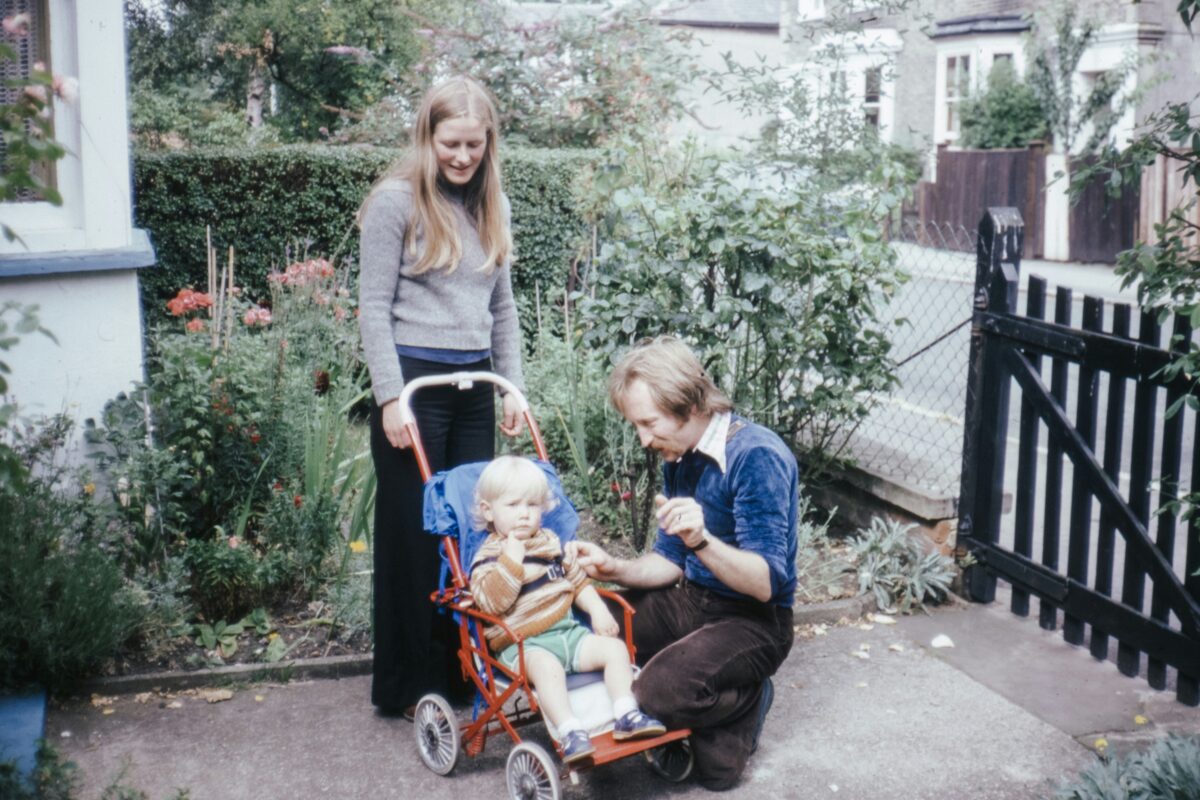
Many adults remember making excuses so friends would never come over. The house was too messy, someone was sleeping, or the timing was always wrong. Underneath those excuses was shame and fear about what guests might witness. Childhood should include friends, snacks, laughter, and comfort, not a constant need to hide from the outside world.
Silence Became A Weapon
Some homes did not explode with yelling. They froze. A parent stopped speaking, refused eye contact, and waited for the child to earn warmth again. For a young mind, that silence can feel terrifying because there is no clear way back. Healthy adults guide, explain, and reconnect. They do not vanish emotionally to punish children.
Older Kids Became Second Parents
Being helpful is normal. Raising siblings is not. Many children cooked meals, packed bags, checked homework, and managed bedtime because adults expected them to step in. That kind of responsibility can quietly erase childhood. A child can love their siblings deeply and still deserve time to be young, playful, messy, and free.
Feelings Were Mocked Instead Of Held
Some children learned that crying made them dramatic, fear made them weak, and excitement made them annoying. So they became experts at looking fine. That lesson can make adulthood confusing because comfort feels unfamiliar and vulnerability feels unsafe. Children need room to feel without shame. A home that mocks pain teaches kids to hide their hearts.
Pain Was Treated Like An Inconvenience
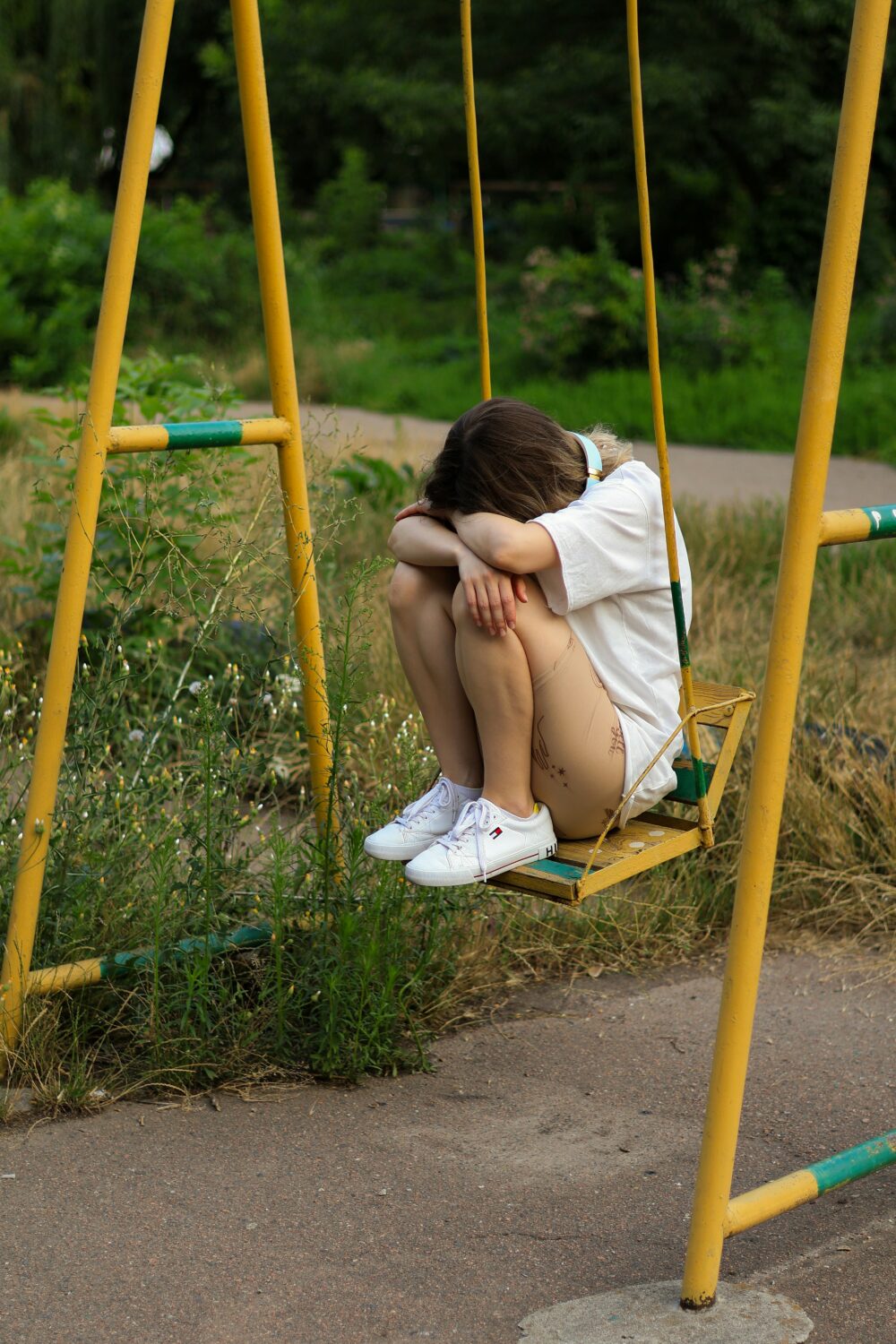
Some kids lived with toothaches, headaches, bad eyesight, stomach pain, or constant discomfort because asking for help felt risky. Their complaints were brushed off or treated like a bother. Over time, they learned to endure instead of expect care. A child should never feel guilty for needing medicine, rest, attention, or simple concern from an adult.
Privacy was treated like betrayal
Some children never had a diary, a drawer, a backpack, a phone, or a bedroom that felt truly private. Random inspections taught them that privacy meant guilt and boundaries meant rebellion. Even as adults, they may overexplain harmless choices or hide things without knowing why. Good parenting includes guidance, but it also respects a child’s growing inner world.
Conclusion
The hardest part about recognizing a strange childhood is accepting that familiar does not always mean healthy. Many adults carry habits they once needed to stay safe, quiet, useful, or unnoticed. Naming those patterns does not erase the past, but it helps people stop blaming themselves for survival skills they never asked to learn. A difficult childhood may explain certain wounds, but it need not control the whole story. Once someone realizes they deserve gentleness, privacy, care, and peace, healing has already begun.