10 Shocking Crimes Where the Accused Walked Free
The justice system is built on one powerful idea: a person is innocent until proven guilty beyond a reasonable doubt.
That rule protects innocent people from being punished for crimes they did not commit. It is one of the strongest protections in a free society. But sometimes, that same rule creates outcomes that leave families shattered, communities furious, and the public asking how someone at the center of a horrifying crime could walk out of court without a murder conviction.
Some cases are lost because the evidence is weak. Some fall apart because police mishandle the crime scene. Some turn on self-defense laws. Others are shaped by celebrity, race, money, media pressure, expert witnesses, or one powerful defense theory that plants just enough doubt in a jury’s mind.
The cases below are not all the same. Some defendants were acquitted. Some were convicted of lesser crimes. Some later faced consequences in other trials. Some were never legally found guilty of the worst accusations against them.
But each case left behind the same uneasy feeling: a person was dead, the public wanted accountability, and the courtroom delivered an answer many people could not accept.
Robert Durst and the Dismembered Neighbor
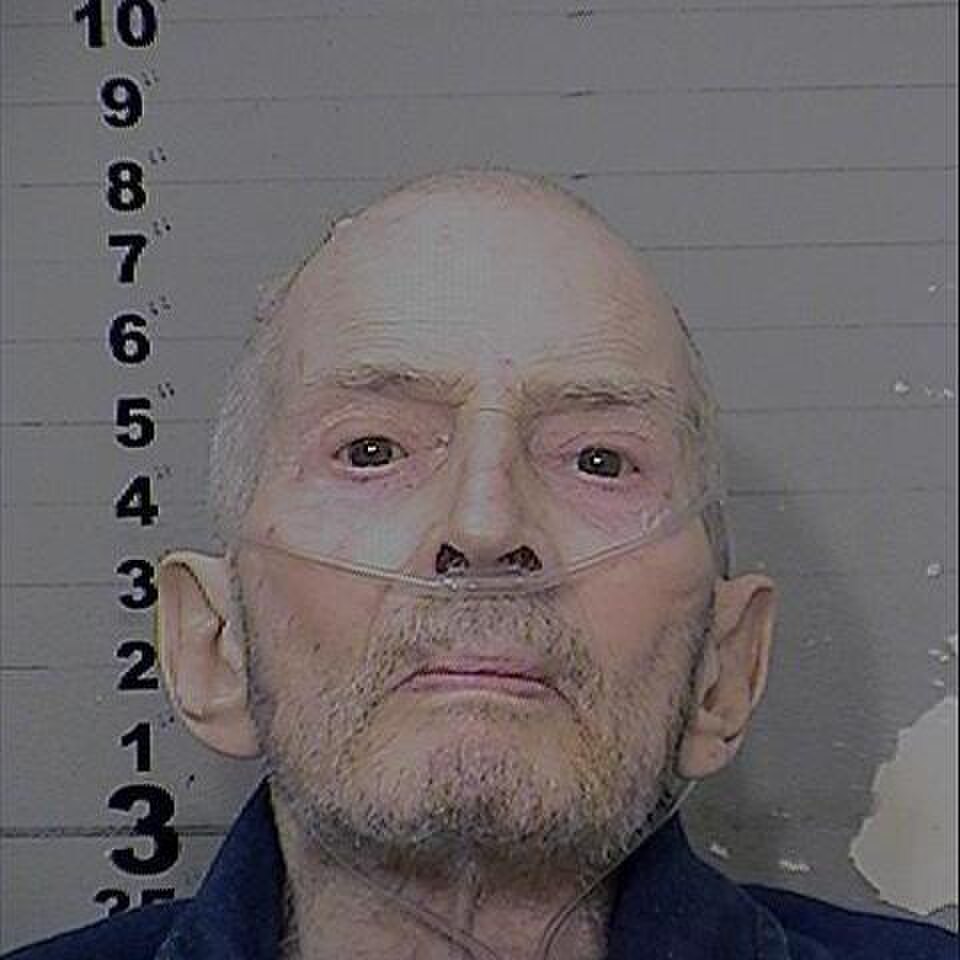
Robert Durst’s case sounded almost impossible to explain.
In 2001, the wealthy real estate heir was charged with the death of his neighbor, Morris Black, in Galveston, Texas. Durst admitted that he dismembered Black’s body and dumped the remains into Galveston Bay. For many people, that detail alone seemed to end the argument.
But trials are not decided by shock alone.
Durst’s defense argued that Black died during a struggle and that the shooting was self-defense. The dismemberment, they claimed, was not proof of murder but the desperate act of a frightened man who believed no one would accept his story.
It was a grim and unsettling defense, but it worked. The jury acquitted Durst of murder. He was convicted only on lesser charges connected to bail jumping and evidence tampering.
The verdict stunned many people because it showed how a defendant could admit to horrifying behavior after a death and still avoid a murder conviction if the jury believed the prosecution had not disproven self-defense.
Amanda Knox, Raffaele Sollecito, and the Murder in Perugia
The murder of Meredith Kercher in Italy became an international obsession.
Amanda Knox, an American exchange student, and her boyfriend, Raffaele Sollecito, were accused of the killing. The case quickly turned into a media storm, with Knox painted in tabloids as strange, cold, and suspicious.
But the courtroom story eventually became less about personality and more about evidence.
The prosecution’s case leaned on DNA claims, timeline arguments, and behavior that investigators framed as suspicious. The defense attacked the foundation of the case, arguing that evidence had been contaminated, mishandled, and stretched beyond what it could prove.
Knox and Sollecito were initially convicted, then acquitted on appeal, and Italy’s highest court ultimately cleared them of the murder.
The case became a warning about how quickly a person can be turned into a villain when the evidence is uncertain, but the story is irresistible. It also showed the danger of building a murder case on shaky forensic work and public emotion.
George Zimmerman and the Death of Trayvon Martin
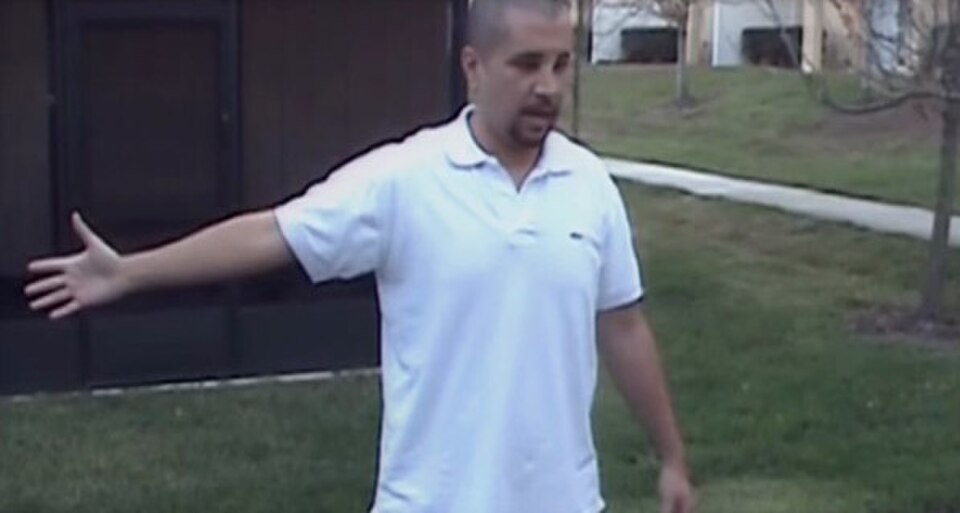
The death of Trayvon Martin changed America.
In 2012, Martin, an unarmed 17-year-old Black teenager, was shot and killed by George Zimmerman, a neighborhood watch volunteer in Sanford, Florida. Zimmerman said he acted in self-defense after a physical fight.
For millions of people, the case was about far more than one confrontation. It became a national flashpoint over race, suspicion, guns, profiling, and who gets seen as dangerous in America.
The prosecution had to overcome Zimmerman’s self-defense claim. That proved difficult because there was no clear third-party eyewitness who could fully explain the final moments before the gunshot. The defense argued that Zimmerman believed he was in danger of serious harm.
The jury acquitted Zimmerman of second-degree murder and manslaughter.
The verdict sparked grief, anger, and protests across the country. For many people, Trayvon Martin’s death became a symbol of a justice system that did not protect young Black men equally. The legal case ended in acquittal, but the social wound never really closed.
The Menendez Brothers and the First Trial That Divided America
When Lyle and Erik Menendez killed their parents, Jose and Kitty Menendez, in 1989, the early public story seemed simple.
Two wealthy sons had killed their parents for money.
The brothers spent lavishly after the killings, and prosecutors argued that greed was the motive. But in court, the defense told a very different story. The brothers said they had endured years of physical, emotional, and sexual abuse and believed their parents would kill them.
Their testimony changed how many people saw the case. What first looked like a cold-blooded inheritance plot became, for some jurors, a story about terror inside a wealthy home.
The first trial ended with hung juries. The brothers were not set free for good, but the result shocked the public because the defense had nearly overcome what many assumed was an open-and-shut case.
A later trial ended in convictions, but the first trial remains one of the most famous examples of how a powerful abuse narrative can reshape public opinion and divide a jury.
Dan White and the “Twinkie Defense”
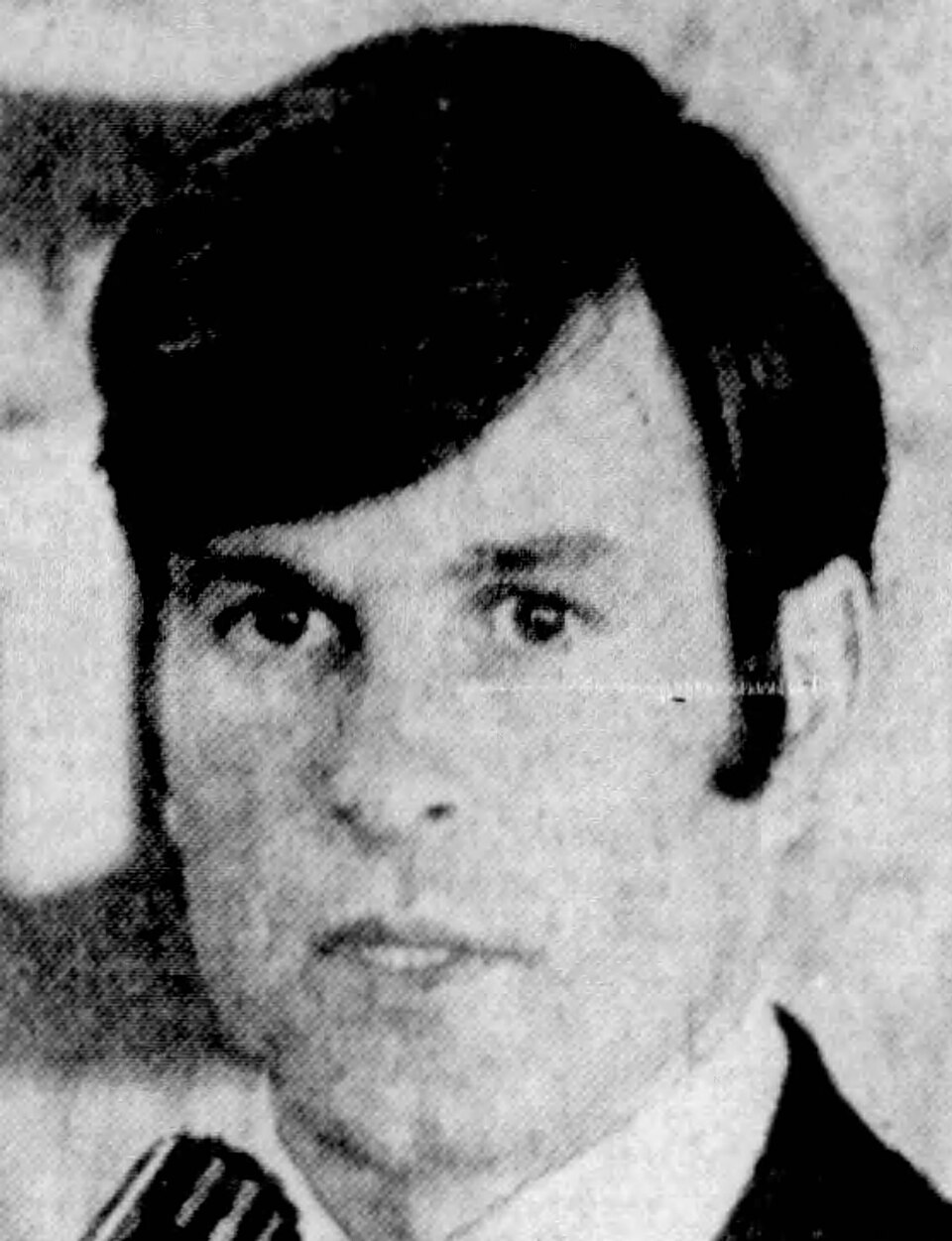
In 1978, Dan White killed San Francisco Mayor George Moscone and Supervisor Harvey Milk, one of the first openly gay elected officials in the United States.
The killings were not in serious dispute. White entered City Hall, shot both men, and confessed.
The question became what level of guilt the jury would assign.
White’s defense argued that he was suffering from diminished capacity due to depression. The public later remembered the argument as the “Twinkie defense” because junk food was discussed as a sign of his declining mental state. The point was not simply that sweets made him kill. The defense argued that his mental state reduced his ability to premeditate murder.
The jury convicted him of voluntary manslaughter instead of first-degree murder.
The sentence was only a little over five years in prison, and the outrage was immediate. The LGBTQ+ community and many others saw the verdict as a devastating insult to the lives of Moscone and Milk.
The case remains infamous because it showed how psychiatric defenses, when successful, can turn an apparent assassination into a much lighter conviction.
Casey Anthony and the Death of Caylee Anthony
Few modern verdicts shocked the American public like Casey Anthony’s acquittal.
Her two-year-old daughter, Caylee, disappeared in 2008. Casey did not report her missing for 31 days and gave police false and bizarre explanations. When Caylee’s remains were found near the family home, Casey was charged with murder.
To many watching from home, her behavior looked impossible to explain innocently.
But juries do not convict on outrage alone. Prosecutors had a major problem: they could not prove exactly how Caylee died. Their case was built on circumstantial evidence, lies, behavior, and theory. The defense argued that Caylee drowned accidentally and that the family covered it up.
The jury acquitted Casey Anthony of murder, aggravated child abuse, and aggravated manslaughter. She was convicted only of lying to law enforcement.
The verdict left many people furious because they believed a child had been denied justice. But legally, the jury appeared to find that suspicion was not enough. Without a clear cause of death and a proven method, reasonable doubt remained.
O.J. Simpson and the Trial That Split the Nation
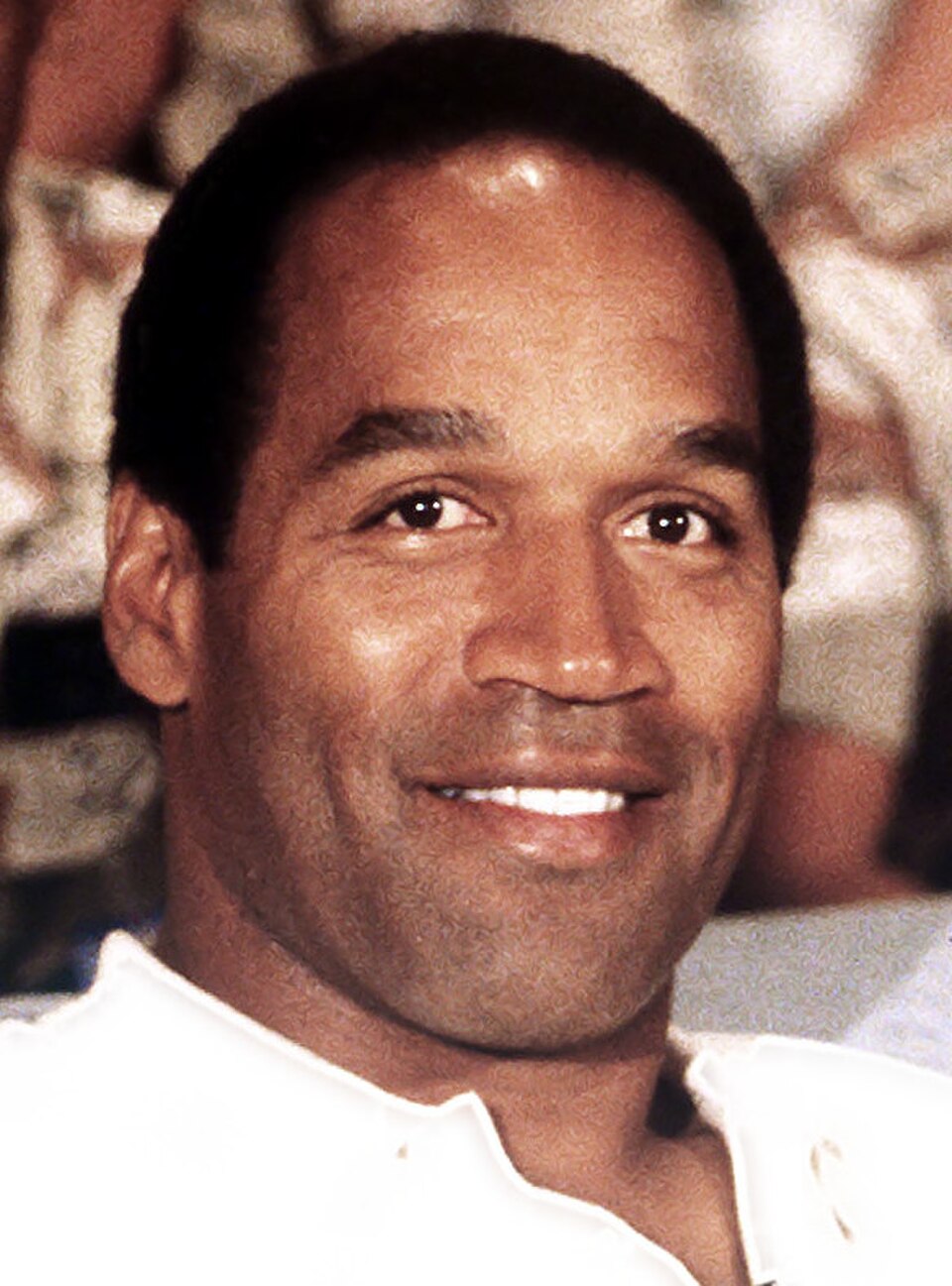
The O.J. Simpson trial became known as the “Trial of the Century” for a reason.
In 1994, Simpson was charged with killing his ex-wife, Nicole Brown Simpson, and her friend Ron Goldman. The prosecution presented DNA evidence, blood evidence, and the now-famous glove.
But the defense did something brilliant and controversial. It shifted attention from the crime scene to the police.
Simpson’s attorneys argued that evidence had been mishandled and suggested that racism and corruption infected the investigation. When Simpson tried on a glove in court, and it appeared not to fit, the moment became one of the most famous images in American legal history.
The jury acquitted Simpson after a short deliberation.
The verdict divided the country. Some saw it as a rare case where Black jurors refused to trust a police system with a history of racism. Others saw it as a celebrity using money, fame, and legal firepower to escape accountability.
The case remains one of the clearest examples of how a trial can become larger than the crime itself.
Lizzie Borden and the Ax Murders
Lizzie Borden’s story has haunted America since 1892.
Her father and stepmother were brutally killed with an ax in Fall River, Massachusetts. Lizzie was in the home around the time of the murders, gave statements that raised questions, and was accused of burning a dress that may have been connected to the crime.
Yet the prosecution faced a strange barrier: the image of Lizzie herself.
She was a respectable middle-class woman in a society that struggled to imagine a woman like her committing such savage violence. Her defense leaned into that image, presenting her as gentle, proper, and incapable of the crime.
The jury acquitted her.
Legally, Lizzie Borden walked free. Socially, she never escaped the suspicion. She lived the rest of her life under the shadow of the case, remembered by many not as an innocent woman but as the center of one of America’s most famous unsolved murders.
Jonathan Wamback and the Pain of an Unfinished Justice Story
The case involving Jonathan Wamback was different from the murder trials that dominate this kind of list, but it carried its own kind of public anger.
Wamback, a Canadian teenager, was brutally beaten in 1999 and left with life-altering injuries. The attack became a national story in Canada, partly because of the severity of the violence and partly because many people believed the legal consequences did not match the harm done.
Cases like this are emotionally difficult because the victim survives, but life is never the same. Families still grieve the person their loved one used to be. The courtroom may hand down a technical legal outcome, but the pain continues far beyond sentencing.
For the public, these cases raise the same uncomfortable question: what does justice look like when the damage is permanent, but the punishment feels temporary?
Why These Cases Still Disturb People
These stories linger because they expose the gap between legal justice and emotional justice.
Legal justice asks a narrow question: did the prosecution prove the charge beyond a reasonable doubt?
Emotional justice asks something much heavier: Did the outcome honor the life that was lost or destroyed?
Those two forms of justice do not always meet.
A jury can follow the law and still deliver a verdict the public sees as morally unbearable. A defense can create reasonable doubt without proving innocence. A defendant can avoid a murder conviction without clearing the cloud of suspicion. A family can hear the words “not guilty” and feel as if the world has collapsed twice.
That is why these cases remain so powerful.
They remind us that courtrooms are not places where every wound is healed. They are places where evidence, procedure, strategy, law, and human judgment collide.
Sometimes the result brings closure. Sometimes it leaves a scar that lasts for generations.