10 Everyday Foods That Could Be Clogging Your Arteries
Some foods may appear harmless but can contribute to plaque buildup in the arteries over time. This gradual accumulation of cholesterol, fat, calcium, and other substances can restrict blood flow and increase the risk of heart attack, stroke, chest pain, and circulation issues.
Heart disease remains the leading cause of death in the United States, with the CDC reporting that a heart attack occurs approximately every 40 seconds. Maintaining arterial health requires ongoing attention. While food is not the only factor, it is among the most significant daily choices we can control.
These artery-clogging foods are worth limiting before they become a bigger problem.
Processed meats

Bacon, sausage, hot dogs, pepperoni, ham, and deli meats often contain high levels of saturated fat, sodium, preservatives, and calories. This combination can increase cholesterol, elevate blood pressure, and strain artery walls. The American Heart Association recommends foods lower in sodium and saturated fat, criteria that processed meats frequently do not meet.
These foods are often part of daily meals, making it easy to consume excessive sodium throughout the day. Healthier alternatives include grilled chicken, tuna, salmon, beans, lentils, hummus, eggs in moderation, or lower-sodium turkey. Flavor can be maintained without relying on processed meats as the primary protein source.
Fried foods
French fries, fried chicken, onion rings, fried fish sandwiches, doughnuts, and fried appetizers often contain refined carbohydrates, sodium, excess calories, and unhealthy fats. Consuming these foods regularly, rather than occasionally, increases health risks and can lead to overeating without providing lasting nourishment.
These foods are often served with burgers, sugary drinks, and creamy sauces, and are often served in large portions, compounding their negative impact. Healthier options include roasting potatoes, grilling chicken, baking fish, or using an air fryer with minimal oil. These methods provide a similar texture with less risk to arterial health.
Packaged pastries
Packaged muffins, snack cakes, cookies, pies, frosted pastries, and doughnuts often contain added sugar, refined flour, saturated fat, and little fiber. This combination can raise blood sugar, add empty calories, and lead to increased hunger shortly after consumption.
The FDA has restricted partially hydrogenated oils, previously a major source of artificial trans fat. However, many packaged desserts still contain palm oil, butter, shortening, or high levels of sugar. Healthier alternatives include fruit with yogurt, oatmeal with cinnamon, nuts with dark chocolate, or homemade whole-grain muffins. Dessert can remain enjoyable without compromising heart health.
Fatty red meat
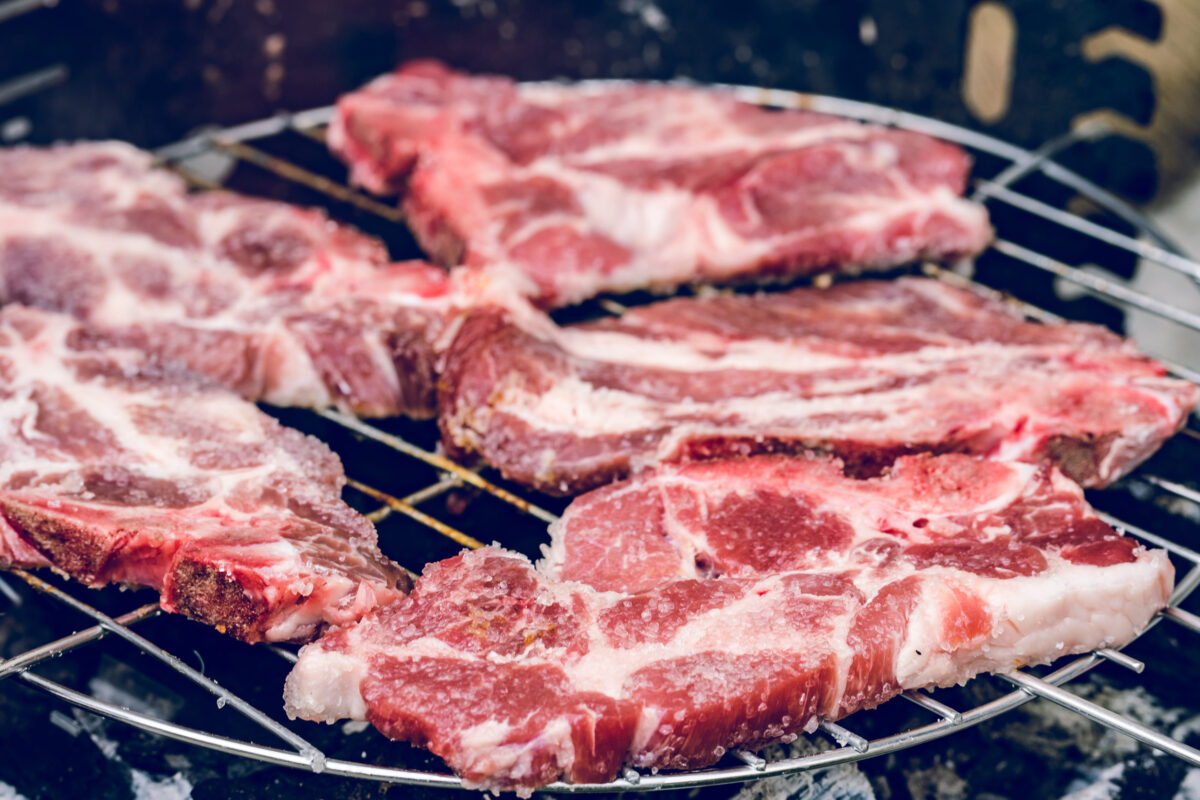
Steaks, ribs, burgers, lamb chops, pork belly, and high-fat ground beef are high in saturated fat, which can raise LDL, or “bad,” cholesterol. The American Heart Association recommends limiting saturated fat to less than 6% of daily calories, which means only small portions of fatty meats.
Side dishes such as fries, white buns, cheese, creamy dressings, and soda can further increase health risks when paired with red meat. Healthier meals include leaner cuts, smaller portions, or protein alternatives like fish, beans, lentils, tofu, chicken, or turkey. Salmon, sardines, trout, and mackerel are particularly beneficial due to their heart-healthy fats. The aim is to support heart health while maintaining enjoyable meals.
Full-fat dairy
Cheese, butter, cream, whole milk, ice cream, and creamy sauces can make food taste rich, but they can also load meals with saturated fat. This becomes a problem when small servings stack up all day. Butter on toast, cheese in eggs, cream in coffee, ranch at lunch, and ice cream after dinner can add up to a heavy burden on the arteries.
Healthier alternatives include low-fat dairy, plain Greek yogurt, fortified soy milk, smaller portions of strong cheese, or using olive oil instead of butter in cooking. Herbs, garlic, vinegar, lemon, mustard, and spices can enhance flavor without relying on cream. Creamy foods can remain part of the diet, but should not dominate meal choices.
Sugary drinks
Soda, sweet tea, energy drinks, flavored coffee drinks, fruit punches, and sports drinks can deliver a major sugar hit without making you feel full. Liquid sugar is especially sneaky because it slides into the day without registering as a meal. Over time, high intake of added sugars can contribute to weight gain, insulin resistance, elevated triglycerides, and inflammation. Those changes can all strain heart health.
Frequent consumption of sweetened beverages can alter taste preferences, making water less appealing. Healthier options include sparkling water, unsweetened iced tea, black coffee, mint water, cucumber water, or lemon water. Whole fruit is preferable to juice, as it provides fiber and moderates sugar absorption.
White bread and refined carbs
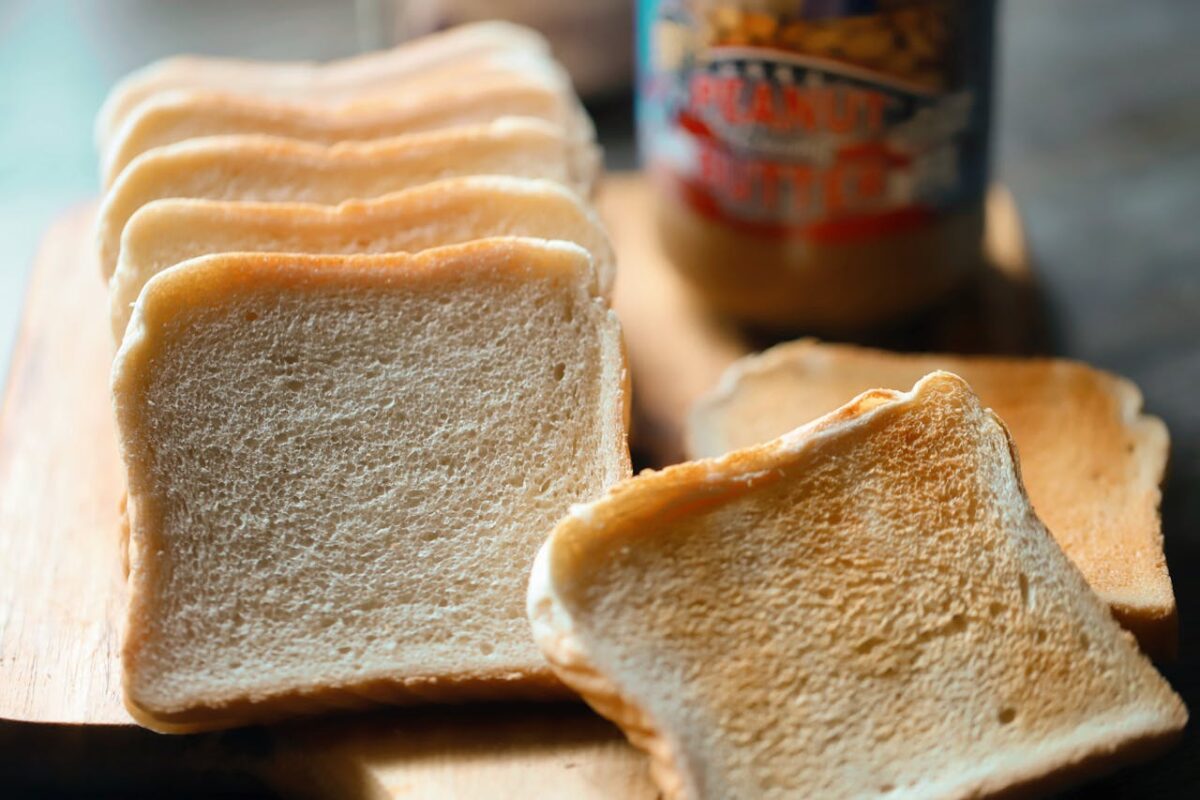
White bread, white rice, regular pasta, crackers, pancakes, waffles, sugary cereals, and many snack foods lack fiber, leading to rapid digestion and blood sugar spikes. This can lead to increased hunger, cravings, and fluctuations in energy levels.
Refined carbohydrates are especially problematic when combined with fat, salt, and sugar. Healthier options include whole-grain bread, oats, barley, brown rice, quinoa, beans, lentils, and vegetables. Fiber supports cholesterol management and satiety, making whole-food carbohydrates a better choice for heart health.
Frozen pizzas and packaged meals
Frozen pizza, instant noodles, boxed dinners, frozen entrees, packaged snack meals, and fast-food-style frozen items are convenient but often contain high levels of sodium, refined carbohydrates, saturated fat, and added sugars. The American Heart Association reports that over 70% of dietary sodium comes from packaged, prepared, and restaurant foods, making convenience foods a significant concern for heart health.
These meals may be convenient occasionally, but should not form the basis of your diet. Healthier quick meal options include frozen vegetables, canned beans, tuna packets, eggs, oats, plain yogurt, skinless rotisserie chicken, and prewashed greens. Convenience can be achieved without excessive sodium, supporting both efficiency and heart health.
Salty snacks
Chips, pretzels, cheese crackers, salted popcorn, snack mixes, and flavored crackers are easy to overconsume and typically contain high sodium and refined carbohydrates with little fiber or protein. These snacks often increase thirst and hunger rather than providing lasting satisfaction.
High sodium intake can raise blood pressure, increasing the force against arterial walls. Over time, that pressure can damage blood vessels and strain the heart. Better snack choices include unsalted nuts, fruit, yogurt, hummus with vegetables, roasted chickpeas, boiled eggs, or lightly seasoned popcorn. You still get something crunchy. You just avoid turning snack time into a blood-pressure problem.
Coconut oil and butter-heavy foods
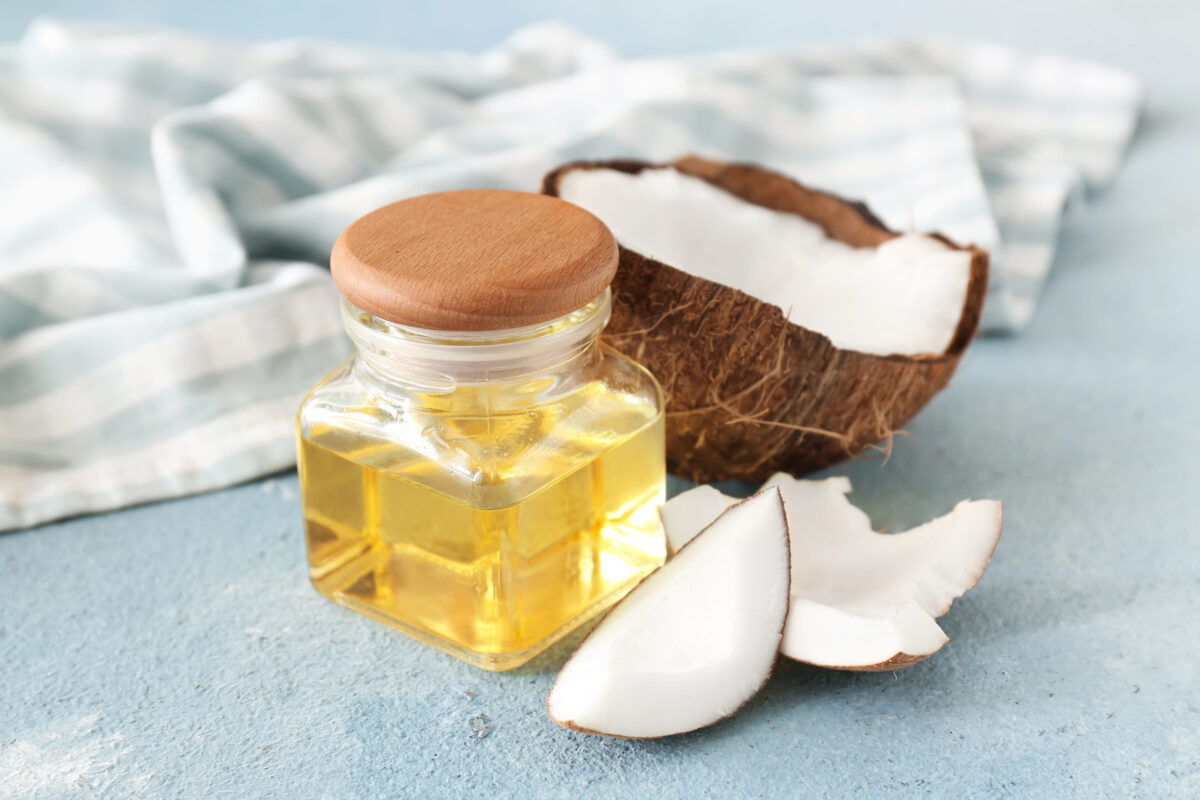
Coconut oil and butter are often perceived as healthy or traditional, but both are high in saturated fat. The American Heart Association identifies butter, cheese, red meat, and tropical oils as major sources of saturated fat, which is important for those aiming to lower LDL cholesterol or protect arterial health.
A healthier approach is to replace saturated fats with options such as olive oil, canola oil, avocado oil, nuts, seeds, and nut butters. Portion control is important, as all fats are calorie-dense. Incorporating moderate amounts of healthy fats supports heart health more effectively than eliminating fat entirely.