10 Animal Bites and Stings So Painful They Can Overwhelm the Human Body
Some animals do not need size, speed, or teeth like knives to make a human instantly regret getting too close. A tiny ant can send pain racing through the nervous system. A hidden fish can turn one barefoot step into an emergency. A jellyfish smaller than a fingernail can trigger body-wide agony that feels wildly out of proportion to the first sting.
The most painful animal bites and stings are not just about sharpness. The real horror comes from venom, nerve disruption, tissue injury, swelling, muscle spasms, and the body’s panic response. Pain serves as a warning system, often accompanied by breathing difficulties, changes in blood pressure, or cardiac danger.
Bullet ant sting

The bullet ant has one of the most infamous insect stings on Earth, and its reputation is not built on exaggeration. In the forests of Central and South America, this large rainforest ant delivers what is widely considered one of the most painful stings known to humans—a pain often rated at the very top of insect sting pain scales. Victims describe it as deep, hot, electric, and relentless. The name comes from the feeling many compare to being shot, but the worst part is not only the first hit. The pain can come in waves, turning the next several hours into a punishing cycle of burning, throbbing, and nerve-heavy misery.
The bullet ant’s venom contains poneratoxin, a compound that interferes with nerve and muscle signaling. That is why the sting can feel bigger than the insect itself. It does not simply hurt the skin. It seems to hijack the body’s pain wiring, making the affected limb feel as if it’s consumed by heat and pressure. For people who encounter bullet ants in rainforest areas, the safest choice is simple. Do not touch branches, trunks, or leaf litter casually, because these ants are not a souvenir and their sting is not a story anyone needs to earn.
Stonefish sting
A stonefish sting is one of the most frightening marine injuries because it often begins with an ordinary step. The fish is a master of camouflage, blending into rocks, coral rubble, mud, or sand so well that a swimmer may never see it. When pressure lands on its dorsal spines, venom can enter the foot almost instantly. The pain is immediate, violent, and spreading, often described as a crushing or burning force that climbs from the puncture site into the limb.
The danger does not stop at pain. A serious stonefish sting can cause swelling, tissue damage, nausea, shock, and heart-related complications. This makes it more than a bad beach injury; it’s a medical emergency, especially where stonefish live in shallow water. The stonefish proves that a hidden, motionless creature can be more dangerous than something dramatic on the surface.
Arizona bark scorpion sting
The Arizona bark scorpion is small enough to hide in shoes, bedding, walls, and dark corners, but its sting can feel enormous. The pain often begins as an intense burning or electric sensation at the sting site, followed by numbness, tingling, warmth, and strange nerve symptoms. Adults often recover with supportive care, but children can experience more serious effects because the venom affects the nervous system more dramatically in smaller bodies.
Severe reactions may include muscle twitching, unusual eye or neck movements, drooling, restlessness, sweating, nausea, vomiting, fast heartbeat, and breathing trouble. That is why a scorpion sting in a child should never be brushed off as a simple insect bite. The bark scorpion reminds us that danger in the desert often comes quietly. It does not roar, chase, or warn. It hides, waits, and turns one accidental touch into a night nobody forgets.
Giant centipede bite
A giant centipede bite is ugly in a very specific way because the creature does not bite with ordinary jaws. It uses modified front legs called forcipules to pierce the skin and inject venom. On the unified pain scale, its bite ranks high, as victims often describe two burning punctures at once, followed by swelling, redness, throbbing pain, and sometimes body-wide symptoms such as fever, nausea, anxiety, or weakness. Large tropical centipedes look prehistoric for a reason, and their bite matches the visual threat.
Centipede venom contains a complex mixture of toxins. Most bites are not fatal, but some can become medically serious, including infection, tissue injury, allergic reaction, nerve effects, or heart-related stress in rare cases. In tropical regions, shaking out shoes, checking bedding, and avoiding dark places are habits that can prevent a very painful mistake.
Brazilian wandering spider bite
The Brazilian wandering spider has a reputation that sounds almost unfair. It is fast, defensive, and sometimes found in banana shipments or in cluttered storage areas, bringing it closer to humans than anyone would like. Its bite can cause immediate severe pain, swelling, sweating, nausea, high blood pressure, muscle spasms, and other nerve-driven symptoms. Some cases also involve priapism, a painful, prolonged erection linked to venom effects on blood flow and nerve signaling.
The bite is medically important because the venom acts on the nervous system. Danger extends beyond the puncture site, with symptoms potentially spreading and intensifying. The spider is not a cartoon villain, but it deserves caution. If symptoms move beyond local pain, seek medical care quickly.
Lionfish sting
The lionfish looks like an underwater decoration until someone gets too close to its venomous spines. Its fan-like fins and dramatic stripes make it beautiful, but the spines can deliver immediate, throbbing pain that radiates from the wound. Divers, fishers, aquarium owners, and beachgoers can be stung when handling or brushing against the fish. The pain can feel hot, pulsing, and deep, with swelling and tenderness building around the puncture site.
Lionfish stings are usually not fatal, but they can cause nausea, dizziness, sweating, breathing difficulty, weakness, and, in rare cases, more serious reactions. The venom is heat-sensitive, which is why hot water immersion is often discussed in first aid guidance, but medical assessment still matters when symptoms are severe, wounds are deep, or spines remain in the skin. The lionfish is a perfect example of nature’s warning label. Beauty is not an invitation to touch.
Gila monster bite
The Gila monster does not strike like a snake and disappear. It bites, clamps, and may chew, pushing venom into the wound through grooved teeth. That behavior makes the experience especially disturbing because the pain comes with the feeling of being held. Victims may experience intense burning pain, swelling, vomiting, dizziness, weakness, a fast heart rate, and low blood pressure. The bite is rarely life-threatening, but it is still serious and deeply painful.
This lizard is native to the southwestern United States and northern Mexico, and it usually avoids people. Most bites happen when humans try to handle, harass, or capture it. That makes prevention very easy. Leave it alone. We often imagine dangerous animals as aggressive hunters, but the Gila monster is more of a defensive warning sign with scales. The bite is nature’s way of saying the boundary was crossed.
Box jellyfish sting
The box jellyfish is one of the few animals on this list where pain and death can arrive terrifyingly close together. Some species, especially the Australian box jellyfish, have venom that can cause intense pain, red welts, abnormal heart rhythms, and cardiac arrest. The sting can cover a large surface area if tentacles wrap around the body, increasing venom load and risk. In severe cases, victims may not have much time before the situation becomes life-threatening.
The pain is often immediate and overwhelming, but the heart risk is what makes this animal especially feared. Box jellyfish live in warm Indo-Pacific waters, with some dangerous species found around northern Australia and nearby regions. Beach warnings, stinger suits, vinegar stations, and local advice are not tourist decorations. They exist because this is one of the ocean’s most serious threats to marine life. The smartest swimmer listens before entering the water.
Black mamba bite
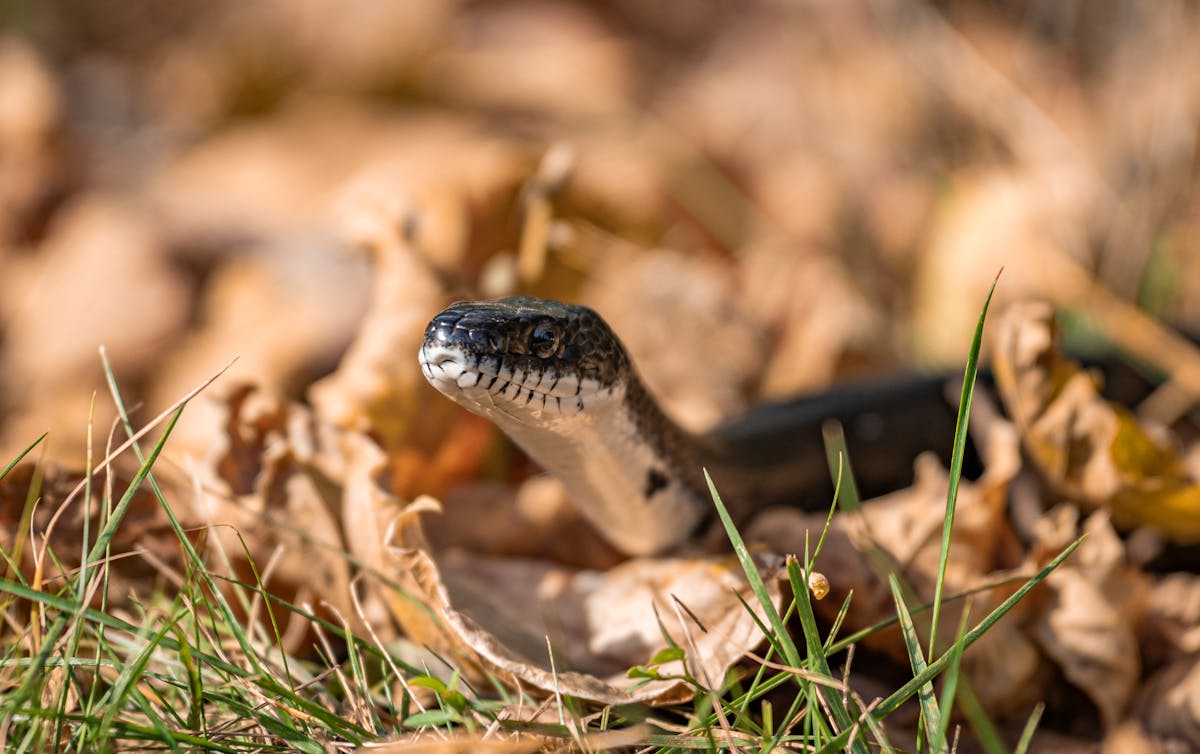
The black mamba’s reputation is built on speed, size, venom potency, and the way its bite can become a medical emergency very quickly. Its venom is strongly neurotoxic, meaning it can interfere with nerve signals and breathing muscles. Early symptoms may include tingling, dizziness, sweating, nausea, drooping eyelids, blurred vision, slurred speech, trouble swallowing, and difficulty breathing. Pain may not always be the loudest symptom, but the fear and body-wide danger can be extreme.
A black mamba bite requires urgent antivenom and emergency care. This snake is native to parts of sub-Saharan Africa, and most encounters occur when people surprise it, corner it, or attempt to kill it. The black mamba does not need horror-movie exaggeration. The real facts are serious enough. Its bite is dangerous because the clock matters, and delay can turn a survivable envenomation into respiratory collapse.
Warrior wasp sting

The warrior wasp earns its place because it represents the kind of insect pain that feels theatrical in the worst way. It has been ranked among the most painful insect stings, and people who describe it often reach for images of fire, pressure, and punishment. Unlike brief, sharp stings that fade quickly, warrior wasp pain can feel deep and sustained, with a burning force that keeps demanding attention.
This wasp is found in parts of Central and South America and is best avoided at a distance. Swatting at wasps, disturbing nests, or lingering near active colonies can turn curiosity into chaos. The pain is not useful as a personal experiment. It is a defensive system designed to make large animals retreat. We should take the hint before the wasp has to deliver it.
Conclusion
The most painful animal bites and stings remind us that nature does not measure danger by size. A bullet ant can humble a grown adult. A stonefish can turn a shallow step into an emergency. A jellyfish sting can start mild and end with hospital monitoring. A cone snail can hide life-threatening venom inside a shell that people want to admire.