The Hydrating Foods Most People Forget Until Dehydration Hits
We often treat hydration as something that only happens when we drink a glass of water, but the body reads hydration in a much bigger way. Every juicy fruit, crisp vegetable, smoothie, broth bowl, and dairy-based drink adds fluid to our daily intake. Since the adult body depends heavily on water for temperature regulation, digestion, circulation, joint comfort, and waste removal, we should think of hydration as a full-day eating and drinking pattern rather than a last-minute fix when thirst hits. (Hydrating for Health, 2023)
The smartest hydration plan still starts with water, but it does not end there. High-water foods help us stay hydrated because they deliver fluids along with fiber, vitamins, minerals, and natural electrolytes. That combination makes foods such as cucumber, watermelon, strawberries, lettuce, celery, oranges, yogurt, milk, and broth especially useful during hot weather, after exercise, or on days when plain water feels boring.
Watermelon, Strawberries, and Citrus Fruits Lead the Pack
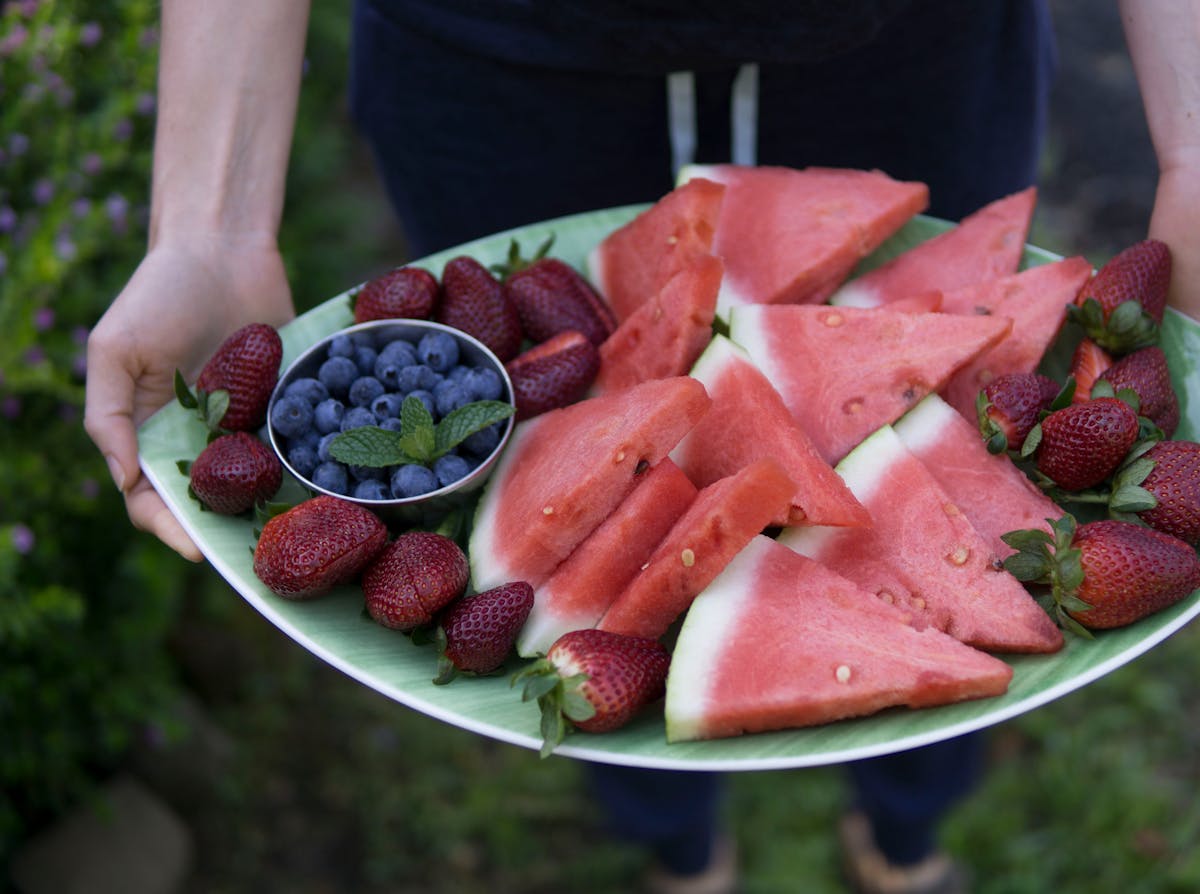
Watermelon earns its reputation for delivering a large amount of fluid in a food that feels refreshing, easy to eat, and naturally satisfying. We can eat it chilled, blend it into smoothies, add it to fruit bowls, or pair it with mint for a sharper summer flavor. Its high water content makes it useful after time outdoors, though we should still drink water alongside it.
Strawberries and citrus fruits deserve the same attention because they help hydration feel bright instead of bland. Strawberries work in yogurt bowls, oats, salads, and smoothies, while oranges and grapefruit bring fluid plus vitamin C. These fruits also encourage consistent intake because they are easy to snack on and can be easily added to meals.
Hydrating Vegetables With the Highest Water Content
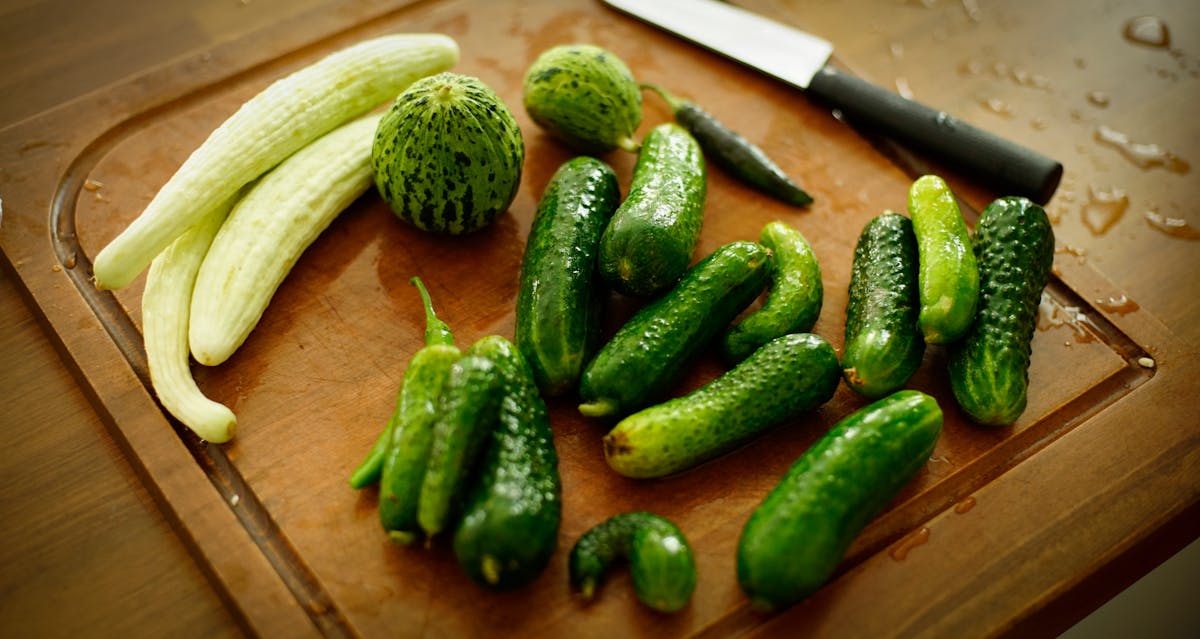
Vegetables often beat fruits when we look strictly at water percentage. Cucumber is one of the most hydrating foods we can eat because it contains about 97 percent water. (RD, 2024) It adds crunch to salads, sandwiches, wraps, infused water, and snack plates without weighing them down.
Iceberg lettuce, celery, tomatoes, romaine lettuce, zucchini, bell peppers, spinach, kale, broccoli, and carrots all help us increase fluid intake through meals. The real advantage comes from texture and volume. A salad with cucumber, tomatoes, romaine, bell peppers, and spinach does not just fill the plate; it fills the senses. It quietly adds water, fiber, potassium, vitamin K, vitamin C, beta carotene, and other nutrients that support a more balanced day.
Dairy and Dairy Alternatives Can Support Hydration Too

We usually think of milk as a source of protein and calcium, but it also contains a high amount of water. Skim milk is about 91 percent water, and other milk types still provide meaningful fluid along with protein, calcium, potassium, and vitamin D when fortified. This makes milk useful after exercise or as part of a breakfast that needs both hydration and staying power.
Dairy alternatives can also help, especially almond, soy, and oat milk. Many fortified versions contain added calcium, vitamin D, and B vitamins, though the nutritional content varies by brand. We should choose unsweetened options when we want hydration without extra added sugar.
Smoothies Can Hydrate Better When We Build Them Correctly
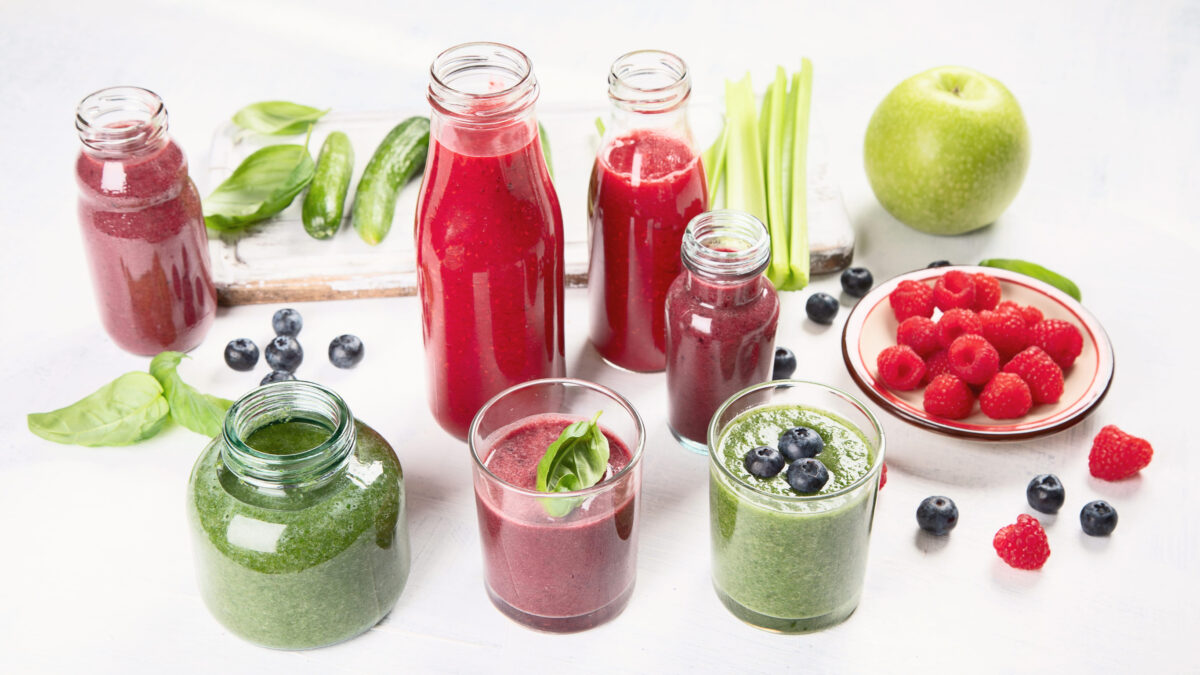
Smoothies can be one of the easiest ways to combine fluid, fruit, vegetables, protein, and minerals. A hydrating smoothie might include strawberries, watermelon, orange, spinach, yogurt, milk, coconut water, or a dairy alternative. The key is balance. We get better results when we use whole fruits rather than just juice because whole fruits provide fiber, which makes the drink feel more satisfying.
We should avoid turning every smoothie into a sugar-heavy dessert. A strong hydration smoothie usually needs one or two fruits, one fluid base, one protein source, and one optional vegetable. For example, we can blend strawberries, plain yogurt, milk, spinach, and ice for a creamy drink that gives fluid, protein, calcium, vitamin C, and potassium.
Soups and Broths Are Underrated Hydrating Meals
Soup may not be the first thing we picture when we think about hydration, but it can be one of the most practical options. Broth-based soups deliver water, sodium, potassium, vegetables, herbs, and sometimes protein in a warm, satisfying form. This makes them especially useful when appetite feels low, the weather is cold, or we want a meal that helps fluid intake without relying on sweet drinks.
Vegetable soup, chicken soup, lentil soup, minestrone, bone broth, tomato soup, and light stews can all support hydration. We should pay attention to sodium levels, especially if we need to limit salt, but a moderate amount of sodium can help the body retain fluid after sweating. A bowl of soup with vegetables and lean protein can do more than comfort us. It can help restore fluids and minerals simultaneously.
Best Hydrating Foods After Exercise or Heat Exposure
After sweating, we need more than plain fluid. We also lose electrolytes, especially sodium, and may need potassium, magnesium, and carbohydrates depending on the length and intensity of the activity. For light activity, water plus a hydrating meal may be enough. For longer sweat sessions, we may benefit from milk, smoothies, broth, yogurt, oranges, bananas, watermelon, tomatoes, or electrolyte drinks.
We should hydrate before, during, and after major heat exposure. That includes outdoor workouts, long walks in hot weather, sports practice, yard work, sauna use, or any activity that leaves clothing damp with sweat. A smart post-sweat plate could include a turkey and tomato sandwich with cucumber slices, a bowl of broth-based soup, or a smoothie made with milk, berries, and yogurt.
Signs We May Need More Fluids
The body usually sends signals before dehydration becomes serious. We may feel thirsty, tired, dizzy, foggy, constipated, or unusually warm. Dry mouth, dry skin, headache, dark yellow urine, low urine output, bad breath, muscle cramps, and low blood pressure can also appear when fluid intake falls too low.
Urine color gives a useful daily clue, though it is not perfect. Pale yellow often suggests better hydration, while dark yellow can mean we need more fluid. Some vitamins, medicines, and foods can change urine color, so we should look at the whole picture. If dehydration symptoms become severe, or if confusion, fainting, a rapid heartbeat, inability to keep fluids down, or very little urination occur, medical help is needed.
Foods and Drinks That Can Work Against Hydration
Some choices can make hydration harder when we rely on them too heavily. Alcohol can increase fluid loss and disturb electrolyte balance, so we should rehydrate before bed and the next day after drinking. Very sugary drinks can add calories quickly and may not satisfy thirst as well as water or balanced foods.
Caffeinated drinks can still count toward fluid intake for many people, but excess caffeine can increase urination in some cases. We do not need to fear coffee or tea, but we should avoid using large, sweet coffee drinks or energy drinks as our main hydration strategy. Water, unsweetened beverages, water-rich foods, milk, soups, and balanced smoothies make a steadier foundation.
Best Hydrating Meal Ideas
A hydrating breakfast can include plain yogurt, strawberries, peaches, and a small handful of nuts. We can also make a smoothie with milk, spinach, orange, and frozen berries. These options give fluid, fiber, protein, and micronutrients without requiring a large meal.
For lunch, we can make a cucumber-tomato salad with romaine, grilled chicken, chickpeas, and citrus dressing. Dinner can include vegetable soup, zucchini, leafy greens, or broth-based chili. Snacks can stay simple with watermelon slices, celery and hummus, cottage cheese with pineapple, or oranges with a handful of almonds.
Conclusion
The most hydrating foods are not just watery. They are foods that provide fluids and nutrients the body can use. Cucumber, lettuce, celery, tomatoes, watermelon, strawberries, citrus fruits, milk, yogurt, kefir, smoothies, soups, and broth all help us build hydration into normal meals.
We should still drink water every day, but we do not need to rely solely on it. When we combine water with high-water fruits, crisp vegetables, dairy or fortified alternatives, and fluid-rich meals, hydration becomes easier, more flavorful, and more sustainable. The best hydration plan is the one we can repeat without feeling forced, and the plate can help us as much as the glass.